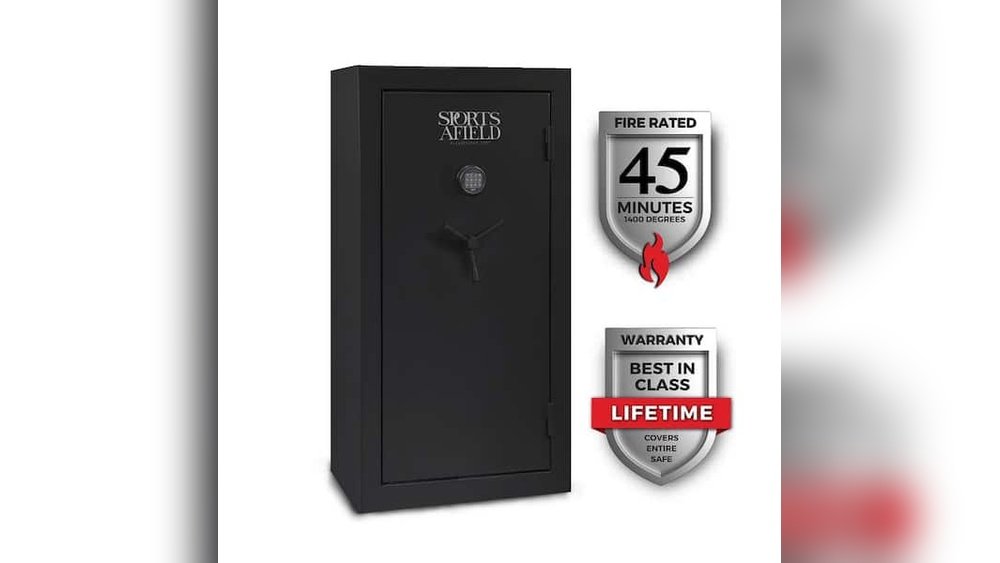
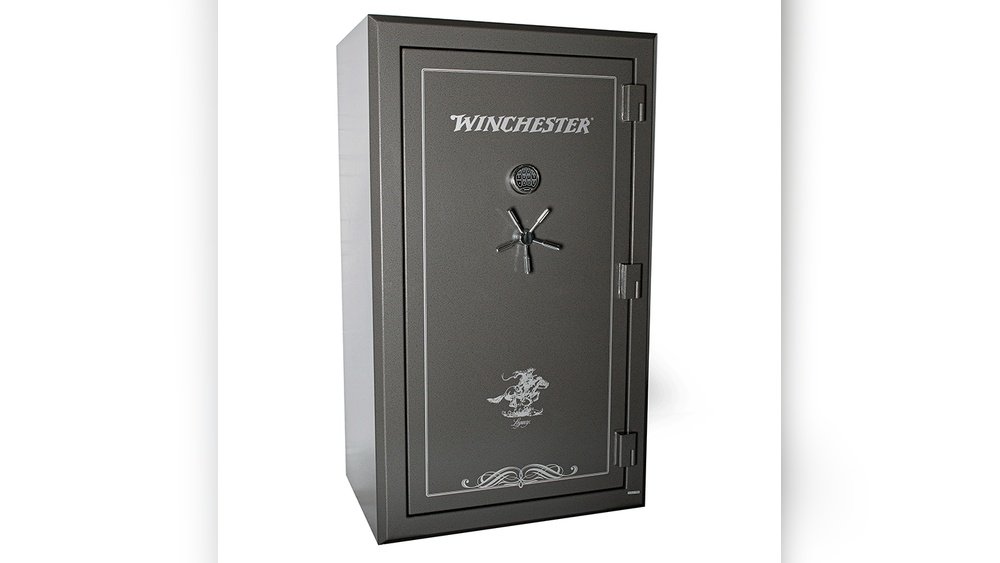
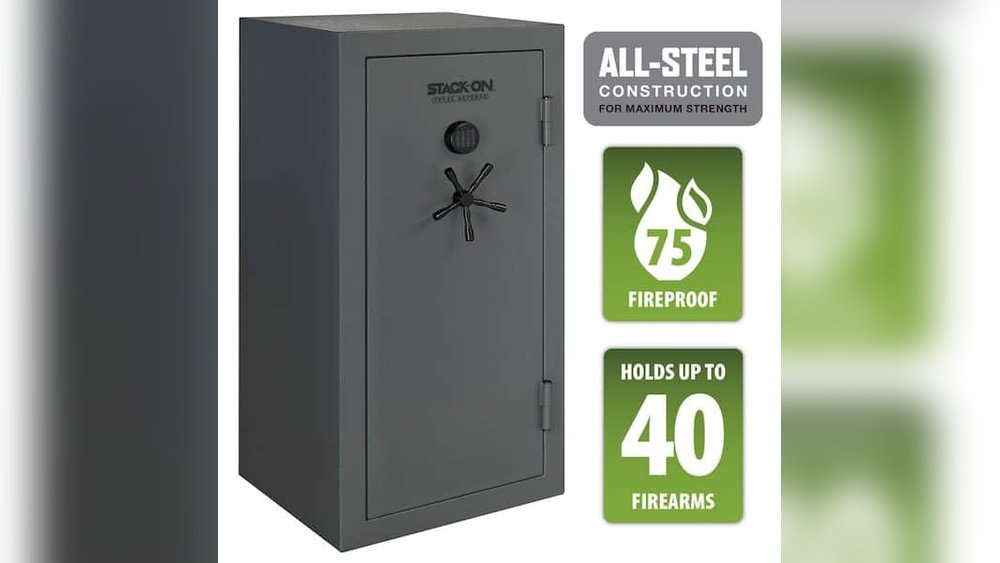
When it comes to protecting your firearms, a fireproof gun safe is more than just a sturdy box. You might wonder, how exactly does it keep your guns safe when the heat rises to dangerous levels?
Understanding how these safes seal during high heat can give you peace of mind that your valuables are truly protected. You’ll discover the clever technology and materials that work together to shield your guns from fire damage. Keep reading to learn how your investment stays secure, even in the worst fire emergencies.

Fireproof Safe Basics
Fireproof gun safes protect valuable firearms from fire damage. They use special designs to keep the inside cool. This stops guns and ammo from getting ruined during a fire. Understanding the basics helps you see how these safes work in high heat.
The key is how the safe seals and blocks heat. This depends on the materials and construction methods. Both parts work together to keep fire out and temperature low.
Materials Used
Fireproof safes use fire-resistant materials. Steel is common because it does not burn easily. Inside, special insulation slows heat from passing through. This insulation often contains fireproof cement or gypsum. These materials absorb heat and protect the contents.
Some safes include intumescent seals. These seals expand when heated. Expansion fills gaps and blocks smoke and flames. The right materials stop heat and fire from reaching inside.
Construction Techniques
Safes use layered construction to fight heat. Layers of steel and insulation build a strong barrier. The door fits tightly with fireproof seals around edges. This prevents hot air from entering the safe.
Manufacturers test safes by exposing them to high temperatures. The safe must keep inside temperature low for a set time. Careful construction ensures no cracks or gaps form. This keeps the gun safe even in strong fires.
Heat Exposure Challenges
Fireproof gun safes face tough challenges during extreme heat. Protecting firearms and valuables inside requires special design. Heat can damage materials and seals inside safes. The safe must stop heat from entering for a long time. This section explains the main heat exposure challenges for these safes.
Temperature Thresholds
Fireproof safes must handle very high temperatures. Fires can reach 1,000 degrees Fahrenheit or more. Most safes resist heat up to 1,700 degrees Fahrenheit. Inside the safe, temperatures must stay below 350 degrees Fahrenheit. This keeps guns and ammo safe from damage. The sealing materials expand to block heat and smoke. They must work perfectly at these extreme temperatures.
Common Fire Scenarios
House fires and wildfires create intense heat and smoke. Flames can surround a safe for hours. Heat comes from direct fire and radiant heat nearby. Smoke and gases try to enter through tiny gaps. Safes seal tightly to stop this intrusion. They use special fire-resistant materials that swell and seal gaps. The goal is to keep the inside cool and dry during fires.
Sealing Mechanisms Explained
Fireproof gun safes protect valuables by sealing tightly during high heat. This sealing prevents smoke and hot gases from entering the safe. The technology behind this sealing is clever and effective. Understanding these mechanisms shows how safes keep guns and documents safe under fire.
The main components that create the seal are special materials that react to heat. These materials expand or form barriers to block heat and smoke. The two common sealing methods are intumescent seals and gasket technologies. Each works in a unique way to protect the safe’s contents.
Intumescent Seals
Intumescent seals are made from materials that swell when heated. They expand many times their original size. This expansion fills gaps around the safe door. It creates a tight barrier that blocks heat and smoke.
The seal starts small and thin. As temperatures rise, it grows thick and dense. This reaction can last for several hours during a fire. It stops flames and hot air from reaching inside the safe.
These seals often contain materials like graphite or special polymers. They react quickly and form a strong protective layer. This layer also helps keep moisture out, which can damage guns and paper.
Gasket Technologies
Gasket technologies use flexible strips made from fire-resistant materials. These strips fit around the door’s edge. They form a continuous seal to prevent heat and smoke from entering.
Some gaskets use silicone or rubber compounds. These materials resist high temperatures without melting. They maintain their shape and sealing power during a fire.
Other gaskets include fire-retardant fabrics or foams. These expand slightly under heat, improving the seal. The combination of materials helps the safe remain airtight and cool inside.
Gasket technology works well with intumescent seals. Together, they create multiple layers of protection. This multi-layer sealing keeps the safe’s interior secure during extreme heat.
How Seals React To Heat
The seals in fireproof gun safes play a crucial role during high heat. They protect the safe’s interior by reacting to rising temperatures. These seals expand and create a strong barrier. This process helps keep smoke, heat, and flames from entering the safe. Understanding how these seals work shows why they are key for fire protection.
Expansion Process
Seals in fireproof safes contain special materials that react to heat. When the temperature rises, these materials expand. This expansion fills the gaps around the door. It also presses tightly against the frame. The swelling action helps stop heat and smoke from leaking inside. This process is fast and effective, often starting before heat reaches dangerous levels.
Creating An Airtight Barrier
As the seal expands, it forms a tight, airtight barrier. This barrier blocks air and smoke from entering the safe. Without air, flames cannot spread inside. The seal’s tight fit also slows heat transfer. This keeps the gun safe’s interior cooler and safer for longer. The airtight seal is essential to protecting valuable items during a fire.
Testing Fireproof Safes
Testing fireproof gun safes shows how well they protect valuables during fires. These tests check if safes can keep guns safe from heat and smoke. They also measure how long safes can hold their seal in extreme heat. Testing helps buyers trust the safety features of these safes.
Industry Standards
Fireproof safes follow strict rules made by safety groups. These rules set the heat and time limits for testing. Safes must survive high temperatures, often over 1,700 degrees Fahrenheit. They also must protect contents for at least 30 minutes or more. Tests measure the safe’s internal temperature and seal strength.
Standards like UL 72 guide how safes are tested. UL 72 uses a furnace to heat safes in controlled ways. The safe must keep inside temperature below 350 degrees Fahrenheit. This prevents gunpowder or paper from catching fire. Meeting these rules means the safe is reliable.
Real-world Performance
Tests also simulate real fires to check safe durability. Some safes are tested with open flames and smoke. Others face sudden temperature spikes to mimic flash fires. These tests show if seals expand and block heat properly. Good seals stop smoke and hot air from entering.
Real fires can last longer or be hotter than tests. Still, safes that pass tests usually do well outside labs. Users should pick safes with strong seals and proven fire ratings. This helps protect guns and important papers in real emergencies.
Maintenance For Seal Integrity
Maintaining the seal integrity of a fireproof gun safe is key to its performance during high heat. The seal keeps smoke and heat out, protecting your valuables inside. Over time, seals can wear down or get damaged. Regular care helps the safe work as it should in a fire emergency.
Regular Inspections
Check the seal every few months. Look for cracks, gaps, or wear along the edges. Run your fingers gently over the seal to feel for soft or brittle spots. Clean the seal with a damp cloth to remove dust or debris. Avoid harsh cleaners that can damage the material. A tight, intact seal is crucial for heat resistance.
Replacement Tips
Replace the seal if you find any damage or if it feels dry and cracked. Use a seal designed for your safe model. Follow the manufacturer’s instructions carefully for installation. Press the new seal firmly in place to avoid gaps. Regular replacement ensures the safe remains fireproof and secure.
Expert Tips On Choosing Safes
Choosing the right fireproof gun safe is key to protecting your valuables. The safe must seal properly during high heat to keep contents intact. Knowing what to check helps pick a safe that works well under fire conditions. Here are expert tips on what to look for in fireproof gun safes.
Seal Quality Indicators
The seal stops smoke and heat from entering the safe. Look for safes with high-quality fire seals made from intumescent materials. These seals expand when heated, filling gaps tightly. Check if the safe has a continuous door gasket for a complete seal. A tight fit around the door edges is a good sign. Also, test the door’s fit before buying. It should close firmly without gaps or looseness.
Additional Fireproof Features
Extra fireproof layers add protection. Many safes use fire-resistant insulation like gypsum or ceramic wool. These materials slow heat transfer. Some safes have multiple layers of insulation for better defense. Metal thickness also matters. Thicker steel walls resist heat longer. Look for safes rated for high temperatures and long fire durations. Features such as heat-activated locking bolts can help keep the door secure during fire.

Frequently Asked Questions
How Do Fireproof Gun Safes Protect During Extreme Heat?
Fireproof gun safes use heat-resistant materials and insulation layers. These components block heat transfer, keeping the interior cool. Special seals expand when heated, preventing smoke and flames from entering. This combination safeguards firearms and valuables during fires.
What Materials Help Fireproof Safes Seal Tightly?
Fireproof safes use intumescent seals and fire-resistant insulation. Intumescent seals expand under heat, filling gaps tightly. Insulation layers reduce heat flow inside the safe. Together, they create an airtight barrier against fire and smoke.
Why Are Intumescent Seals Important In Gun Safes?
Intumescent seals expand when exposed to heat. This expansion blocks fire, smoke, and hot gases. It prevents damage to contents by maintaining a sealed environment. These seals are crucial for fireproof safes’ effectiveness during high heat.
Can Fireproof Gun Safes Withstand Prolonged Fire Exposure?
Yes, fireproof safes are tested to endure specific fire durations. Their materials and seals maintain internal temperatures below damage levels. Prolonged exposure is resisted by multi-layered insulation and tight sealing. This ensures firearms remain protected in intense fires.
Conclusion
Fireproof gun safes use special seals to keep heat and smoke out. These seals expand when hot, closing gaps tightly. This stops fire from reaching the guns inside. The materials inside the safe also help block heat. This way, your valuables stay protected during a fire.
Choosing a safe with good seals is important. It adds an extra layer of safety for your guns. Understanding this helps you pick the right safe for your needs. Safety matters most when protecting what you value.