
Have you ever wondered if the humidity in your storage area could harm your shotgun shells? You might think that simply keeping them in a box is enough, but moisture can quietly affect their performance and safety.
If you rely on your shells to work perfectly when you need them, understanding how humidity impacts them is crucial. Keep reading to learn how to protect your shotgun shells from damage and ensure they stay reliable every time you use them.
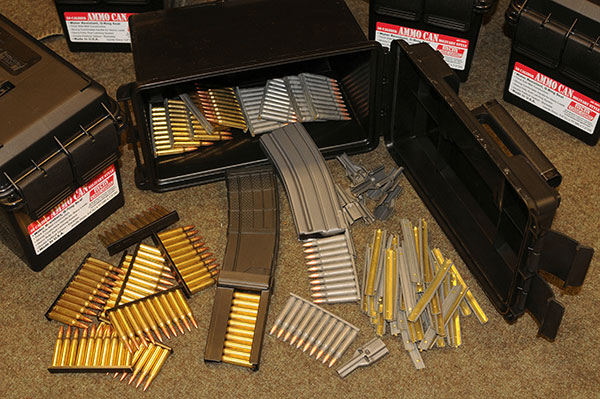
How Humidity Affects Shotgun Shells
Humidity can seriously affect stored shotgun shells. Moisture in the air changes the shell’s materials. This can reduce the shell’s reliability and safety. Understanding how humidity impacts each part helps you store shells better.
Impact On Powder And Primers
Powder inside shells absorbs moisture easily. Damp powder burns unevenly or not at all. This can cause weak or inconsistent shots. Primers are sensitive to humidity too. Moisture can make primers fail to ignite. Both issues lead to misfires or poor performance.
Effects On Shell Casings
Shell casings can warp or swell from humidity. Plastic hulls might become soft or brittle. Metal parts can rust or corrode over time. This damage affects how shells fit in the gun. Poor fit can cause jams or misfires during shooting.
Changes In Projectile Performance
Moisture changes the weight and shape of pellets or slugs. Wet projectiles may not fly straight or far. This reduces accuracy and impact power. Consistent humidity control keeps projectile performance steady. It helps shooters trust their ammunition in all conditions.
Signs Of Humidity Damage
Humidity can quietly harm stored shotgun shells over time. It affects their reliability and safety. Knowing the signs of humidity damage helps you protect your ammo and shooting experience.
Corrosion And Rust
Metal parts of shotgun shells often show corrosion first. Rust may appear on the brass casing or primer. This weakens the shell’s structure and can cause failure. Corrosion looks like brown or orange spots on metal surfaces.
Swelling And Warping
High moisture causes shotgun shells to absorb water. This makes the shells swell or change shape. Warped shells may not fit properly in your gun chamber. Such damage affects feeding and firing smoothness.
Misfires And Reduced Accuracy
Humidity-damaged shells can misfire or fail to fire at all. The powder inside may clump or lose effectiveness. Your shots may stray from the target or lose power. This lowers your shooting performance and safety.
Storage Tips To Protect Shells
Proper storage is key to keeping shotgun shells safe from damage. Humidity can harm shells by causing corrosion or weakening the casing. Taking steps to control moisture protects your shells and keeps them ready to use.
Ideal Humidity Levels
Keep storage humidity between 35% and 50%. This range limits rust and mold growth. Too much moisture leads to corrosion. Too little can dry out components and cause cracks. Use a hygrometer to check humidity regularly.
Using Airtight Containers
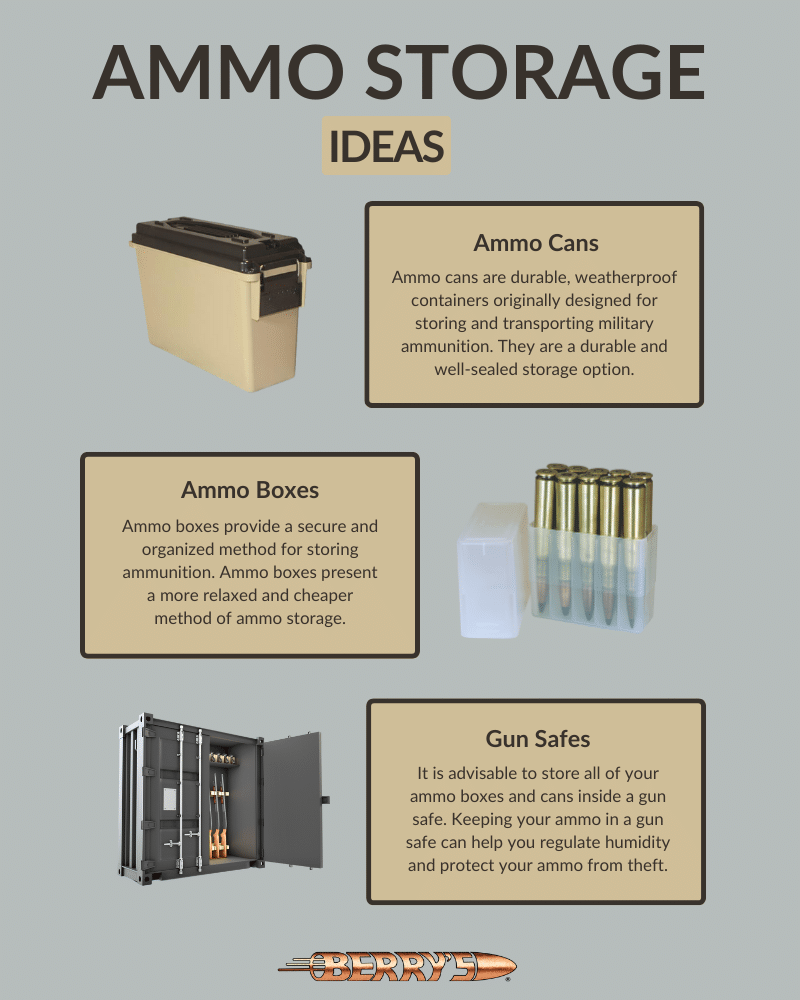
Store shells in airtight containers to block moisture. Plastic or metal boxes with tight lids work well. Avoid cardboard or fabric bags, as they absorb water. Airtight containers create a dry environment that protects shells.
Desiccants And Moisture Absorbers
Place desiccants inside storage containers to absorb moisture. Silica gel packets or clay desiccants are effective. Replace them once they become saturated. These help keep humidity low and prevent corrosion inside the container.
Long-term Storage Considerations
Storing shotgun shells for a long time needs careful planning. Poor storage can harm the shells and affect their performance. The main risks come from temperature changes and humidity. Keeping these factors in check helps preserve the shells’ quality. Regular checks and proper handling also play a big role. Here are some key points to consider for long-term shotgun shell storage.
Temperature And Humidity Control
Shotgun shells should be stored in a cool, dry place. High humidity can cause the shells to absorb moisture. This makes the powder inside less effective. It can also damage the shell casing and primers. Avoid places with wide temperature swings. These changes create condensation inside the shells. Use a dehumidifier or silica gel packs to reduce moisture. Aim for a consistent temperature below 75°F and humidity under 50%.
Regular Inspection And Maintenance
Check your stored shells regularly. Look for signs of rust, corrosion, or discoloration. Any damaged shell should be removed from storage. Clean the storage area to prevent dust and dirt buildup. Keep the shells in their original boxes or sealed containers. This protects them from air and moisture. Regular inspection ensures you catch problems early before damage spreads.
Rotating Stored Ammunition
Use the oldest shells first. Rotate your stock so none stay unused for too long. This practice keeps your ammunition fresh and reliable. Label boxes with purchase or storage dates. Avoid stacking too many boxes on top of each other. Over time, pressure can deform the shells. Rotating also helps you know what you have and what needs replacing.
Myths And Facts About Ammunition Storage
Storing shotgun shells safely is important for every gun owner. Many ideas about ammunition storage are unclear or wrong. Understanding what truly affects shotgun shells helps keep them reliable. This section clears up myths and shares facts about storing ammunition, especially about humidity.
Common Misconceptions
One common myth says humidity quickly ruins shotgun shells. People think moisture causes shells to misfire or explode. The truth is moisture affects shells slowly. If stored in a sealed container, shells resist humidity well.
Another wrong idea is that all ammo lasts forever. Every shell has a shelf life. Over time, powders and primers can weaken. This happens faster in poor storage conditions, not just due to humidity.
Some believe freezing ammo is bad. Actually, cold storage can help keep ammo fresh by slowing chemical changes. Just avoid moisture inside the container to prevent damage.
Expert Recommendations
Experts suggest storing shotgun shells in cool, dry places. Use airtight containers to block moisture. Silica gel packs help absorb any humidity inside boxes.
Check ammo regularly for signs of corrosion or damage. Replace old shells to stay safe. Keep shells away from direct sunlight and heat sources.
Many professionals recommend storing ammo at room temperature. Extreme heat or cold can harm the components. Proper storage preserves performance and safety.

Frequently Asked Questions
Can Humidity Cause Shotgun Shells To Degrade?
Yes, high humidity can cause shotgun shells to degrade. Moisture can weaken the paper or plastic casing and affect powder performance. Proper storage in dry conditions prevents damage and maintains shell reliability.
How To Store Shotgun Shells In Humid Environments?
Store shotgun shells in airtight containers with desiccant packs. Keep them in cool, dry places away from direct sunlight. This prevents moisture buildup and preserves the shells’ integrity over time.
Does Humidity Affect Shotgun Shell Performance?
Humidity can reduce shotgun shell performance by affecting the powder and primer. Moisture can cause misfires or inconsistent shots. Keeping shells dry ensures consistent firing and reliable performance.
Can Moisture Cause Corrosion In Shotgun Shells?
Yes, moisture can cause corrosion on the shell’s metal components, such as the primer and base. Corrosion can lead to misfires and damage to the firearm. Proper humidity control is essential to avoid this.
Conclusion
Humidity can harm stored shotgun shells over time. Moisture causes corrosion and weakens the shell’s components. Keep shells dry and in a cool place to protect them. Using airtight containers helps block humidity and extends shelf life. Regular checks ensure your shells stay safe and reliable.
Proper storage matters for performance and safety. Don’t let moisture ruin your ammunition. Simple care keeps your shotgun shells ready when you need them most.