Have you ever opened a new product and found those tiny packets labeled “Silica Gel” inside? You might have wondered what they are and why they’re there.
Silica gel is more than just a filler—it plays a crucial role in keeping your items safe and dry. Understanding what silica gel is and how it works can help you protect your valuables from moisture damage. Keep reading, and you’ll discover the surprising science behind these little packets and how you can use them in your daily life.

Silica Gel Basics
Silica gel is a common material found in many products. It helps keep things dry and fresh. Understanding its basics is useful for everyday life. This section explains what silica gel is made of and how it is used.
Composition And Form
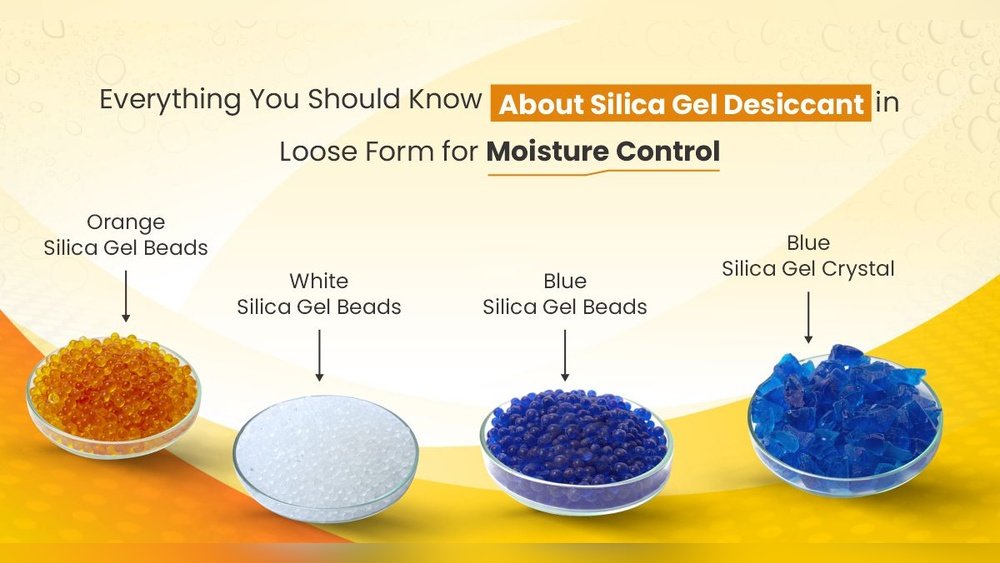
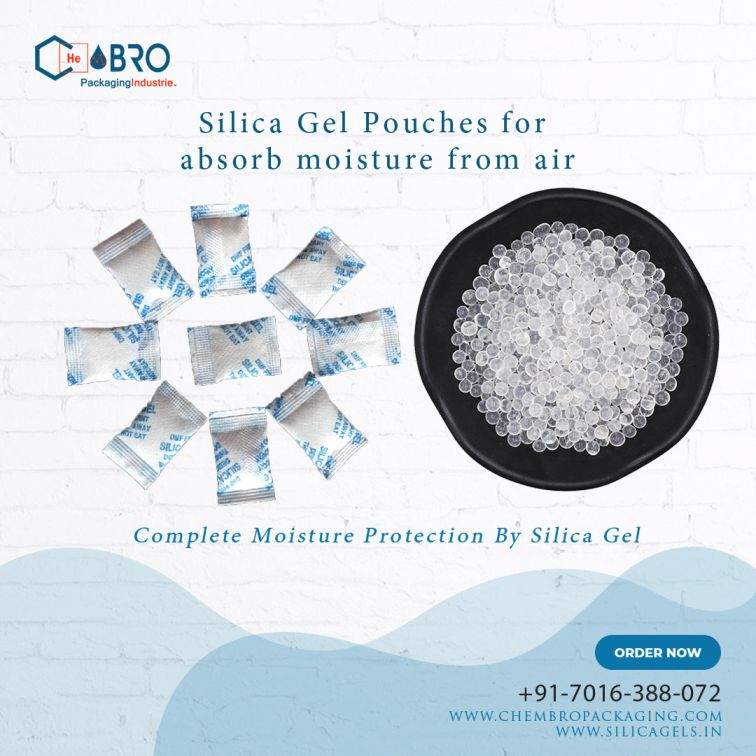
Silica gel is made from silicon dioxide. It looks like small, hard beads or crystals. These beads are porous, meaning they have tiny holes. These holes can trap moisture from the air. Silica gel is non-toxic but not edible. It does not dissolve in water or air. Its structure makes it very good at absorbing water.
Common Uses
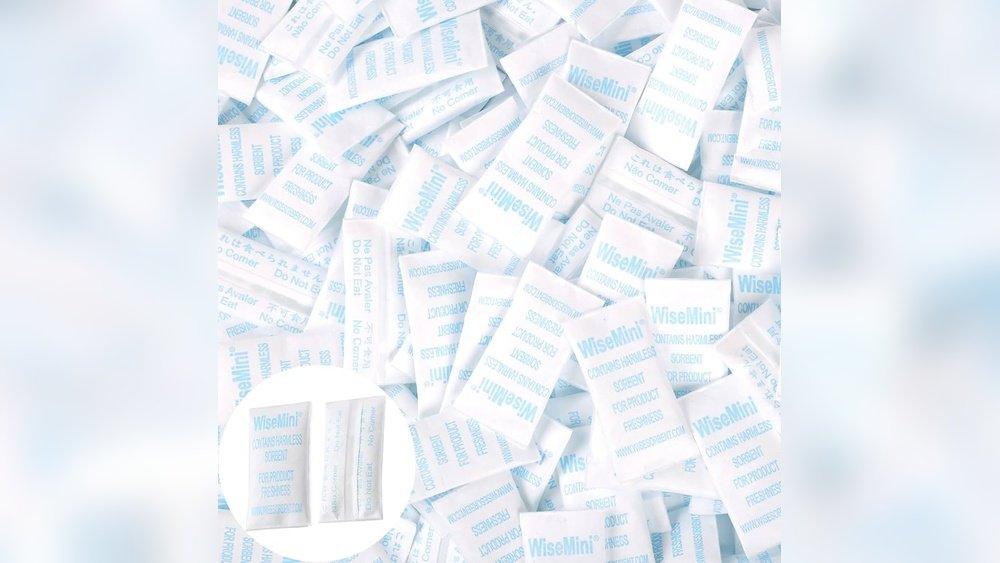
Silica gel packets are common in product packaging. They protect electronics, shoes, and foods from moisture. Moisture can cause damage or spoil items. Silica gel keeps these products dry and safe. It is also used in museums to preserve old objects. Many people reuse silica gel for storage and drying purposes. It prevents mold, rust, and odors effectively.

How Silica Gel Absorbs Moisture
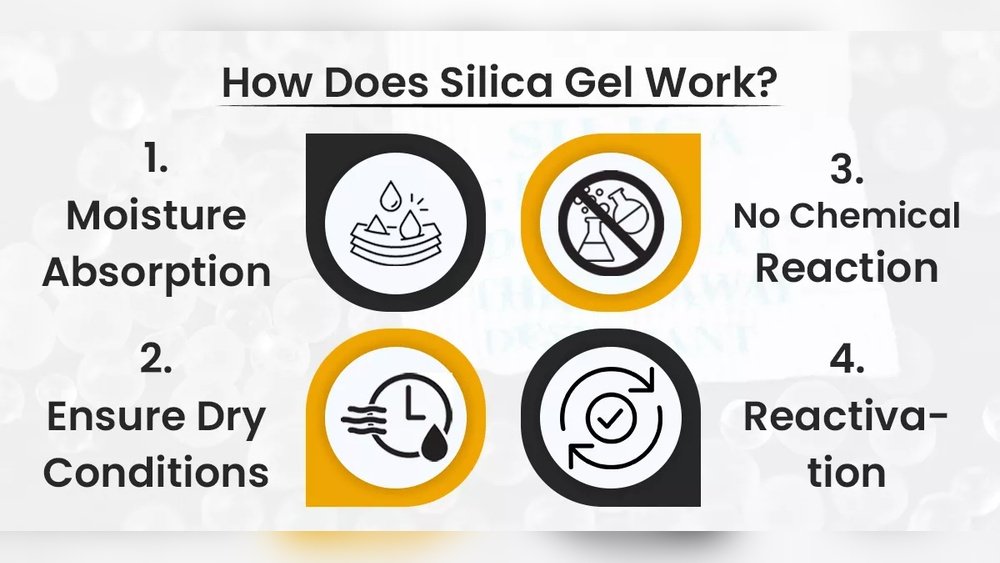
Silica gel works by capturing moisture from the air. It keeps products dry and safe from damage. This process happens at a very tiny level. The gel contains many small holes that attract water molecules. These holes trap moisture, stopping it from reaching other items.
Adsorption Process
Silica gel uses adsorption, not absorption. Adsorption means water sticks to the surface of the gel. The gel has a large surface area inside. Water molecules attach to this surface and stay there. This stops the moisture from floating in the air. The gel can hold water without changing its shape.
Capacity And Limits
Silica gel can only hold a certain amount of moisture. Once full, it stops absorbing water. At this point, the gel feels wet or heavy. It no longer protects products well. Some types of silica gel can be dried and reused. This restores their ability to absorb moisture again.
Types Of Silica Gel
Silica gel comes in different types. Each type has a unique use and feature. Choosing the right silica gel depends on what you need it for. Understanding these types helps in picking the best option.
Indicator Silica Gel
Indicator silica gel changes color to show moisture levels. It helps you know when the gel is full of water. This type is useful for sensitive items that need dry conditions. Common colors include blue and orange. The color change is easy to see with the naked eye.
Non-indicator Silica Gel
Non-indicator silica gel does not change color. It absorbs moisture but gives no visual signal. This type is often used in packaging and storage. It is usually less expensive than indicator silica gel. You must replace it after a certain time or use special tools to check it.
Applications In Everyday Life
Silica gel is a common and useful substance found in many homes. It helps keep things dry and safe. Its ability to absorb moisture makes it valuable in different everyday uses. Below are some ways silica gel protects items and improves storage.
Protecting Electronics
Electronics are sensitive to moisture. Water can damage small parts inside devices. Silica gel packets absorb moisture around gadgets. This helps prevent corrosion and short circuits. People often place silica gel in camera bags or with phones. It keeps devices working longer and safer.
Preserving Food
Food can spoil when exposed to moisture. Silica gel packets help keep food dry. They are often found in packages of vitamins, snacks, and dried fruits. These packets stop mold and clumping caused by humidity. This helps food stay fresh and safe to eat.
Preventing Mold And Mildew
Mold and mildew grow in damp places. They cause bad smells and damage items. Silica gel absorbs moisture in closets, shoes, and storage boxes. This reduces the chance of mold growth. It also helps protect clothes, books, and important papers.
Safety And Disposal Tips
Silica gel is common in many products to keep things dry. Knowing how to handle and throw it away safely protects health and the environment. This section shares simple safety tips and ways to reduce harm.
Handling Precautions
Silica gel is not food and should never be eaten. It can cause choking or stomach issues. Keep it away from children and pets. Avoid opening the packets, as dust may irritate eyes or skin. If dust gets in your eyes, rinse with water right away. Wash hands after handling silica gel packets to stay safe.
Environmental Impact
Silica gel is not toxic but does not break down quickly in nature. Throw it in the trash, not in compost or recycling bins. Avoid flushing silica gel down the toilet or drain. Some types of silica gel can be recycled. Check local recycling rules for guidance. Proper disposal helps keep the environment clean and safe for everyone.
Reusing And Regenerating Silica Gel
Silica gel can be reused many times, making it an eco-friendly choice. After it absorbs moisture, it loses its drying power. Regenerating silica gel restores this power, extending its life. This saves money and reduces waste. Learning simple methods to dry and reuse silica gel is helpful.
Drying Methods
One common way to dry silica gel is by heating it. Spread the beads on a baking tray. Place the tray in an oven set to 250°F (120°C) for 1-2 hours. This heat removes trapped moisture, restoring the gel’s absorbency. Avoid temperatures above 300°F to prevent damage.
Microwaving is another option. Use a low power setting and heat the gel in short bursts. Let it cool between sessions. This method works faster but requires caution to avoid overheating. Always follow safety instructions for your microwave.
Sun drying works but is slower. Place silica gel in a dry, warm spot with direct sunlight. Leave it there for a day or two. This method is gentle but less effective in humid weather.
Signs It Needs Replacement
Silica gel changes color as it absorbs moisture. Many types come with color indicators like blue to pink or orange to green. If the color stays the same after drying attempts, the gel may be spent. It cannot absorb more moisture and needs replacement.
Clumping or a sticky texture also shows the gel is no longer effective. It loses its shape and dries unevenly. When these signs appear, replace the silica gel for better moisture control.
Frequently Asked Questions
What Is Silica Gel Used For?
Silica gel is used as a desiccant to control moisture. It prevents damage to products by absorbing excess humidity. Common uses include packaging electronics, shoes, and food items to keep them dry and fresh.
How Does Silica Gel Absorb Moisture?
Silica gel absorbs moisture through its porous structure. The tiny pores attract and trap water molecules from the air. This process effectively reduces humidity and protects items from mold, corrosion, and spoilage.
Is Silica Gel Safe To Touch Or Handle?
Yes, silica gel is generally safe to touch and handle. It is non-toxic but should not be ingested. Keep it away from children and pets to avoid accidental swallowing.
Can Silica Gel Be Reused?
Yes, silica gel can be reused. It can be dried out by heating it at low temperatures to release absorbed moisture. This restores its moisture-absorbing ability for multiple uses.
Conclusion
Silica gel helps keep things dry by absorbing moisture. It protects items from damage caused by water. Small packets are common in many products you buy. They work by trapping water vapor inside their beads. Always keep silica gel away from children and pets.
Using it properly can extend the life of your belongings. Now you know what silica gel does and why it matters. Simple yet effective. A handy tool for everyday use.