If you own a rifle safe, you know how important it is to keep your firearms secure and out of sight. But what if you could take that security a step further?
Building a hidden compartment inside your rifle safe is a smart way to protect your valuables and keep them truly under the radar. You’ll discover simple, practical steps to create a secret space that only you know about. Whether you want extra security or just peace of mind, this guide will help you transform your safe into a fortress.
Ready to learn how? Let’s get started.
Choosing The Right Safe
Choosing the right safe is the first step in building a hidden compartment for your rifle safe. It affects how secure and practical your setup will be. The safe must fit your needs perfectly. This section breaks down the key points to consider.
Size And Capacity
Start by measuring your rifles and accessories. The safe should be large enough to hold them comfortably. Leave some extra space for future items. A cramped safe makes it hard to organize and access your gear. Consider the internal dimensions more than the external size.
Material And Security Features
Pick a safe made of strong steel to resist break-ins. Look for thick walls and doors. A good safe has a reliable locking system, such as a combination lock or electronic keypad. Fire resistance is another important feature. It protects your rifles from heat damage during a fire.
Budget Considerations
Set a budget before shopping for your safe. Prices vary widely based on size and features. Invest in quality over cheap options to ensure safety. A well-built safe is a long-term investment. Avoid cutting corners on security to save money.
Selecting The Location
Selecting the right location for a hidden compartment in your rifle safe is crucial. It keeps your firearms secure and out of sight. The location affects how easy it is to access your rifle and how safe it remains from theft or damage. Think about places that blend in well with your room or storage area. Consider how often you will need to open the compartment and who else might know about it. Environmental conditions like moisture and temperature also matter for keeping your rifle in good shape.
Discreet Placement Ideas
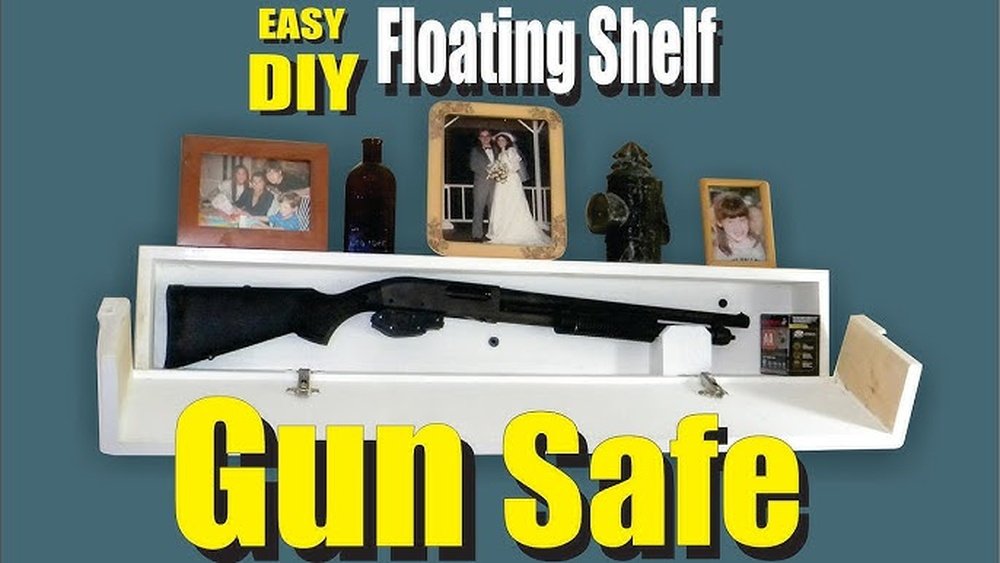
Choose spots that naturally hide the compartment. Behind false walls or inside thick furniture works well. Under floorboards or inside large cabinets can also be good. Avoid obvious places like near doors or windows. The goal is to keep the compartment out of plain sight. Use areas that people rarely check or notice. Think about the room’s layout and where a hidden space fits best.
Accessibility And Safety
Place the compartment where you can reach it quickly. Avoid locations that are hard to open or blocked. The rifle should be easy to grab in an emergency. Keep it away from children or unauthorized people. Use locks or alarms to add safety. The spot should balance quick access with strong security. Don’t hide it so well that you forget where it is.
Environmental Factors
Keep the compartment away from damp areas. Moisture can damage your rifle and cause rust. Avoid spots near heating vents or direct sunlight. Heat and light can harm wood and metal parts. Choose a dry, cool place with stable temperature. Proper ventilation helps prevent mold and mildew. Protect your rifle by controlling the environment inside the compartment.
Designing The Hidden Compartment
Designing the hidden compartment for your rifle safe takes careful thought. It must blend well and keep your firearms secure. The design depends on space, safety, and how easy it is to access.
Focus on creating a secret space that is hard to spot. Use materials that match the safe’s interior. Plan the size and shape to fit your rifles perfectly. Think about adding safety locks and hidden triggers.
Types Of Hidden Compartments
There are many types of hidden compartments to choose from. Some use false bottoms or side panels inside the safe. Others use secret drawers or sliding shelves. Each type offers different levels of concealment and access.
False bottoms hide rifles under a removable panel. Sliding shelves allow quick access but stay hidden. Drawers keep firearms organized and out of sight. Pick the type that fits your safe and needs best.
Camouflage Techniques
Camouflage helps the compartment blend into the safe’s interior. Use paint or fabric that matches the safe walls. Cover edges with trim to hide gaps. Avoid shiny or reflective surfaces.
Adding fake bolts or screws can make the compartment look like part of the safe. Use magnets to hold panels in place without visible hinges. The goal is to make the compartment appear natural and unnoticed.
Incorporating Locks And Triggers
Locks and triggers add security to your hidden compartment. Mechanical locks are reliable and simple to install. Electronic locks offer quick access with codes or fingerprints.
Hidden triggers can open compartments with secret levers or buttons. Place triggers in spots easy for you to reach but hard for others to find. Secure the locks tightly to prevent accidental openings.
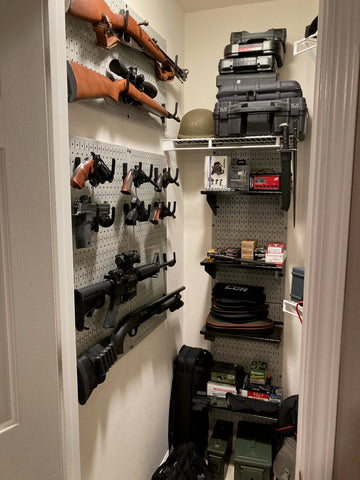
Gathering Materials And Tools
Starting a hidden compartment project for your rifle safe requires careful planning. Gathering the right materials and tools sets a strong foundation. This step helps avoid delays and ensures smooth progress.
Organize your workspace before collecting items. Keep everything within reach to work efficiently. Safety must be a top priority throughout this process.
Essential Tools List
- Measuring tape for accurate dimensions
- Power drill with various drill bits
- Screwdriver set for assembly
- Jigsaw or handsaw for cutting wood panels
- Clamps to hold pieces firmly
- Level to ensure even surfaces
- Pencil for marking measurements
Recommended Materials
- High-quality plywood or hardwood sheets
- Wood screws for secure fastening
- Wood glue for added strength
- Hinges or sliding mechanisms
- Paint or wood stain for finishing
- Felt or foam padding to protect firearms
- Magnetic locks or hidden latches
Safety Gear
- Protective goggles to shield your eyes
- Work gloves to protect your hands
- Dust mask to avoid inhaling particles
- Ear protection if using loud power tools
- Proper clothing to prevent injuries
Step-by-step Construction
Building a hidden compartment for your rifle safe adds security and keeps your firearms discreet. Follow clear, simple steps to create a secure space. This guide breaks down the process into easy parts. Each step helps you stay organized and avoid mistakes. Let’s start with measuring and marking.
Measuring And Marking
Measure the size of your rifle safe carefully. Note the height, width, and depth. Use a pencil and ruler to mark these dimensions on your wood or wall space. Double-check all measurements before cutting. Mark the outline clearly to guide your cuts. Precise marks save time and prevent errors.
Cutting And Assembling
Cut the wood or panel pieces along the marked lines. Use a saw with steady hands for straight cuts. Sand the edges smooth to avoid splinters. Assemble the pieces using nails or screws. Make sure the frame fits snugly around your safe. Keep the structure strong and stable.
Installing The Safe
Place the rifle safe inside the hidden compartment. Ensure it fits well without forcing it. Secure the safe to the frame if needed. Check that the door or panel closes properly. The safe should not move or shift inside. Test the access to confirm smooth operation.
Finishing Touches
Paint or stain the compartment to match the surroundings. Add trim or molding for a clean look. Install a latch or lock for extra security. Hide any gaps with caulk or filler. Clean the area and test the hidden compartment again. Your rifle safe is now protected and hidden.
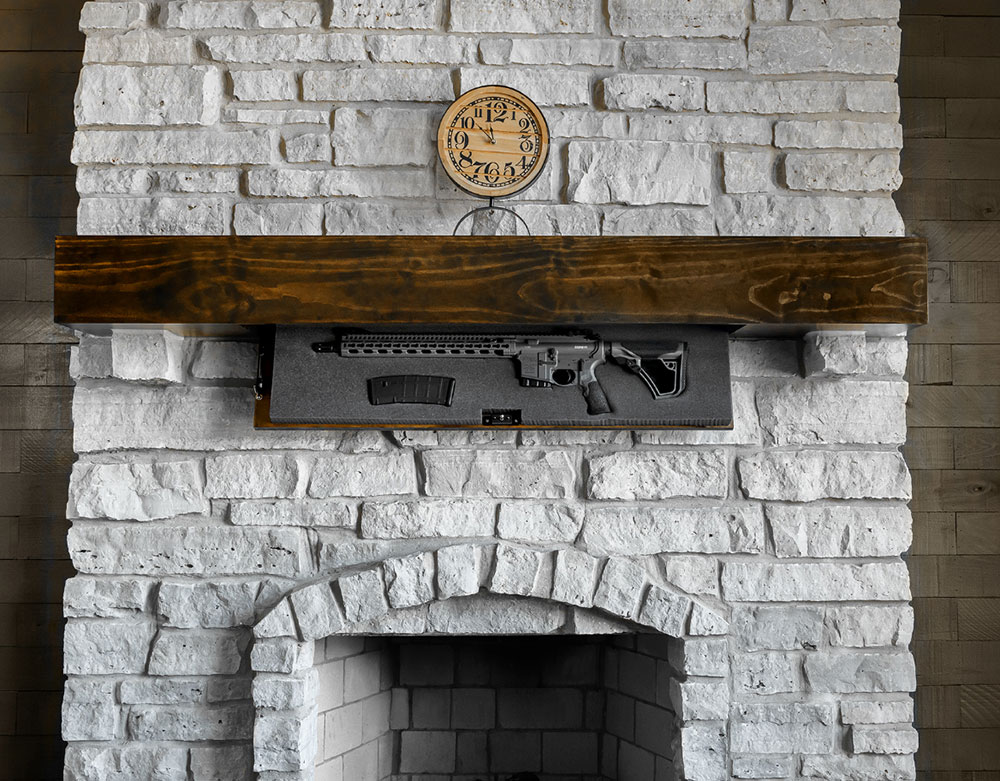
Enhancing Security Features
Enhancing security features is key to protecting your rifle safe’s hidden compartment. These features prevent unauthorized access and keep your firearms safe. A strong design and smart technology make the compartment harder to find and open.
Reinforcing The Compartment
Use strong materials like steel or heavy wood to build the compartment walls. Reinforce corners with metal brackets for extra strength. Secure hinges and locks firmly to avoid easy break-ins. Avoid thin panels that can be cut or broken quickly. A sturdy compartment resists force and tampering.
Adding Alarms And Sensors
Install motion sensors inside or near the compartment. These sensors can trigger alarms if someone tries to open it. Use vibration or contact sensors to detect tampering. Connect alarms to your home security system or use standalone alarms with loud sounds. Sensors add a layer of alert for suspicious activity.
Backup Access Methods
Create a hidden backup keyhole or combination lock for emergencies. Store backup keys or codes in a secure, separate place. Avoid obvious locations like drawers or wallets. Consider biometric access like fingerprint scanners for convenience and security. Backup methods ensure you can open the compartment if the main lock fails.
Maintenance And Inspection
Maintaining and inspecting a hidden compartment for a rifle safe is crucial. It ensures the compartment stays secure and functional over time. Regular care helps avoid damage and keeps your rifle safe.
Proper maintenance extends the life of the compartment. It also protects your valuable items from harm. Following simple steps can make a big difference.
Regular Checks
Check the hidden compartment often. Look for signs of wear, rust, or damage. Test the locking mechanism to ensure it works smoothly. Tighten any loose screws or bolts. Early detection stops small problems from growing.
Cleaning Tips
Keep the compartment clean and dry. Use a soft cloth to wipe surfaces. Avoid harsh chemicals that can damage materials. Remove dust and dirt regularly. Clean locks with a lubricant made for metal parts. This helps the lock move easily and prevents rust.
Upgrading Security
Update the security features as needed. Add better locks or alarms for extra safety. Consider reinforcing the compartment walls. New tech can improve protection without changing the design. Stay informed about new security options to keep your rifle safe.
Frequently Asked Questions
How Do I Start Building A Hidden Compartment For A Rifle Safe?
Begin by choosing a discreet location and measuring your rifle safe. Use sturdy materials like plywood. Plan the compartment size carefully to fit the safe securely and conceal it effectively.
What Tools Are Needed To Build A Hidden Rifle Safe Compartment?
Essential tools include a drill, saw, measuring tape, screws, and a screwdriver. You might also need hinges and mounting brackets for secure installation and smooth operation.
How Can I Make The Compartment Truly Hidden?
Use camouflage techniques like matching the compartment door with walls or furniture. Add false panels or bookcases to disguise the safe’s presence effectively and avoid detection.
Is It Safe To Build A Hidden Compartment Myself?
Yes, if you follow safety guidelines and use strong materials. Ensure the compartment is secure and easy to access in emergencies. Consider professional help for complex installations.
Conclusion
Building a hidden compartment for your rifle safe adds extra security. It keeps your firearms out of sight and harder to find. Using simple materials and careful planning makes the task easier. Always measure twice and cut once to avoid mistakes.
A well-hidden spot protects your valuables and gives peace of mind. Take your time and follow safety rules during the project. This small effort can make a big difference in protecting your belongings. Keep your space organized and secure with a hidden compartment.