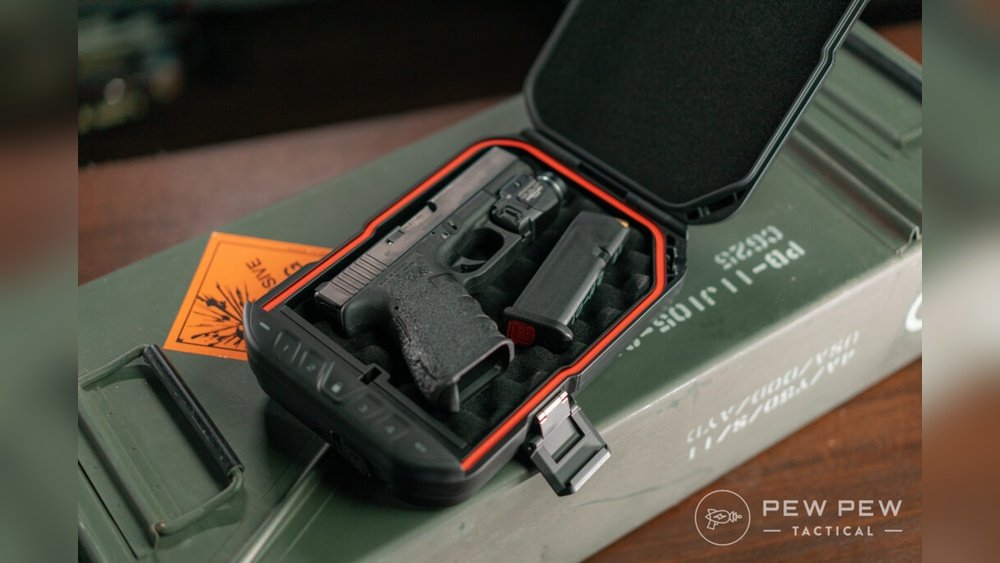
Are you thinking about securing your valuables with an under-bed safe? You might wonder if bolting it to the floor is a good idea.
This question is important because the way you install your safe can make a big difference in how well it protects your belongings. You’ll discover whether bolting your under-bed safe to the floor is the best move, what benefits it brings, and what you should watch out for.
Keep reading to learn how to keep your valuables truly safe and give yourself peace of mind.
Benefits Of Bolting An Under-bed Safe
Bolting an under-bed safe to the floor adds many important benefits. It makes the safe more stable and harder to move. This simple step can improve the safety of your valuables significantly. Below are key advantages of bolting your safe.
Enhanced Security
Bolting the safe to the floor stops thieves from carrying it away. The safe becomes a fixed part of the room. This makes it much harder for anyone to steal the entire safe. Your valuables stay better protected.
Theft Deterrence
A bolted safe looks harder to steal. Burglars often avoid targets that need more effort. The extra work of removing bolts may make them choose another house. This reduces the risk of theft at your home.
Protection Against Movement
Bolting stops the safe from shifting during cleaning or earthquakes. It stays in place and avoids damage. This keeps your valuables safe even during unexpected events. Stability adds peace of mind.
Types Of Floors Suitable For Bolting
Choosing the right floor type is key to safely bolting an under-bed safe. Not all floors hold bolts well. Some provide strong support, while others may need extra care.
Concrete Floors
Concrete floors are the best choice for bolting safes. They are very strong and hard. Bolts can grip firmly into concrete. This keeps the safe secure and stable. Use a hammer drill to make holes for bolts. Concrete anchors work well here. This floor type resists tampering and heavy weight.
Wooden Floors
Wooden floors can hold bolts but need care. Use long wood screws to reach the floor joists. Joists give good support for heavy safes. Avoid just screwing into the surface wood. The safe might become loose over time. Check that the screws are tight and strong. Wood can be drilled easily for bolts.
Tile And Laminate Floors
Tile and laminate floors need careful handling. Drilling can crack or damage tiles. Use special drill bits made for tile. Drill slowly to avoid cracks. Bolts should anchor into the subfloor below the tiles. Make sure the safe sits flat and steady. Consider using a protective pad under the safe to prevent scratches.
Tools And Materials Needed
Bolting an under-bed safe to the floor requires the right tools and materials. These items ensure a secure and stable installation. Without proper tools, the process can become difficult or unsafe. Having everything ready saves time and effort.
This section covers the essential tools and materials needed. Each tool plays a specific role in the installation process. Knowing what to use helps achieve the best results.
Drill And Drill Bits
A drill is necessary to make holes in the floor. Choose a drill that fits your skill level. Use drill bits that match the size of your bolts. For concrete floors, masonry bits are best. For wooden floors, standard bits work well. Proper drill bits prevent damage and ensure clean holes.
Bolts And Anchors
Bolts hold the safe firmly in place. Select bolts that fit the safe’s mounting holes. Use anchors to secure bolts in the floor. Anchors provide extra grip in materials like concrete or tile. Choose anchors based on the floor type for strong support. Using the right bolts and anchors stops the safe from moving.
Measuring And Marking Tools
Accurate measurement is key to proper installation. Use a tape measure to find the exact spot for the safe. Mark the position with a pencil or chalk. A level helps keep the safe straight and balanced. These tools prevent mistakes and ensure a neat fit.

Step-by-step Bolting Process
Bolting an under-bed safe to the floor increases security and keeps your valuables safe. This process is simple if you follow the right steps. It requires careful planning and the right tools.
Below is a clear, step-by-step guide to help you bolt your safe securely. Each step ensures stability and safety.
Choosing The Right Location
Select a spot under the bed that is flat and solid. Avoid areas with carpet or weak flooring. Make sure the location gives easy access to the safe. Check for any pipes or wires under the floor before drilling.
Preparing The Floor
Clean the floor surface to remove dust and debris. Mark the spots where you will drill holes for bolts. Use a measuring tape to align the safe perfectly. Double-check the marks before starting to drill.
Drilling Holes
Use a drill with a masonry bit for concrete floors. For wooden floors, a regular drill bit works fine. Drill holes at the marked spots carefully. Keep the drill steady to avoid damage to the floor.
Securing The Safe
Place the safe over the drilled holes. Insert heavy-duty bolts through the safe’s base and into the floor. Tighten the bolts with a wrench for a firm hold. Test the safe by trying to move it slightly. A well-bolted safe will not shift or wobble.
Common Challenges And Solutions
Bolting an under-bed safe to the floor has some common challenges. These challenges can affect the safety and stability of the safe. Understanding these problems helps you find the best solutions. This guide covers the most common issues and ways to fix them.
Dealing With Floor Types
Different floors need different bolts and tools. Wood floors are easier to drill into than concrete or tile. Concrete floors require special anchors to hold the safe firmly. Tile floors can crack if you drill carelessly. Use a drill bit made for the floor material. Test a small spot first to avoid damage.
Avoiding Structural Damage
Drilling in the wrong place can harm your floor or bed frame. Find the floor joists before drilling. Use a stud finder for wood floors. Avoid electrical wires and plumbing under the floor. Mark the safe’s position carefully. Use the right size bolts to prevent cracks or splits.
Ensuring Safe Installation
Secure bolts tightly but not too tight. Over-tightening can damage the floor or safe. Check the safe’s stability by shaking it gently. Use washers with bolts for better hold. Keep the installation area clean and clear. Follow the safe manufacturer’s instructions closely for best results.
Alternative Security Measures
Securing an under-bed safe involves more than just bolting it to the floor. Some floors may not support bolts well. Others might damage your room or be hard to access. Alternative security measures can help keep your safe secure without these issues. These options increase protection in different ways.
Using Heavy-duty Locks
Heavy-duty locks add strong physical barriers. They prevent easy opening of the safe. Choose locks made of hardened steel or similar materials. These locks resist cutting and tampering. They work well with safes that have built-in lock systems. Adding an extra lock layer improves overall security.
Anchoring To Furniture
Anchoring the safe to heavy furniture offers stability. Large furniture pieces like bed frames or dressers can hold the safe firmly. Use strong brackets or straps to connect the safe to the furniture. This method stops the safe from being moved easily. It also avoids damage to floors or walls.
Alarm Systems Integration
Alarm systems add a smart layer of protection. Sensors trigger alerts if the safe is moved or tampered with. Some alarms link to home security systems or smartphones. This gives instant notification of suspicious activity. Alarms can deter thieves and increase your safe’s security.
Professional Installation Vs Diy
Deciding whether to install an under-bed safe yourself or hire a professional is important. Both options have benefits and challenges. Choosing the best method depends on your skills, tools, and budget. Understanding these points helps protect your valuables securely.
When To Hire Experts
Experts have the right tools and experience to install safes properly. They ensure the safe is firmly bolted to the floor. This reduces the risk of theft or damage. If your floor type is tricky or uneven, experts handle it better. Professionals also save time and avoid mistakes.
Cost Considerations
DIY installation saves money on labor fees. You only pay for tools and materials. But mistakes can cause extra costs later. Professional installation costs more upfront. It includes labor and sometimes extra parts. Consider your budget and the value of your items.
Safety And Warranty
Improper installation can weaken the safe’s security. It may also void the manufacturer’s warranty. Professionals follow guidelines that keep warranties valid. They know how to avoid damaging floors or walls. Proper installation protects your investment and peace of mind.

Maintenance Tips For Bolted Safes
Maintaining a bolted under-bed safe helps keep your valuables secure. Regular care prevents damage to the safe and the floor. Simple steps can extend the life of your safe and keep it firmly in place.
Regular Inspections
Check your safe often for any signs of wear or damage. Look at the bolts and the safe’s body. Watch for rust or loose parts that may reduce security. Early detection helps fix problems before they get worse.
Bolt Tightening
Bolts can loosen over time from vibrations or daily use. Use a wrench to tighten them regularly. Make sure they are snug but not too tight to avoid damage. Tight bolts keep the safe stable and harder to remove.
Floor Condition Monitoring
Inspect the floor area around the safe. Look for cracks, chips, or water damage. A strong floor supports the safe’s weight and keeps bolts secure. Repair any floor damage quickly to avoid safety risks.

Frequently Asked Questions
Can I Securely Bolt An Under-bed Safe To The Floor?
Yes, you can bolt an under-bed safe to the floor. It enhances security by preventing easy removal. Use appropriate anchors and tools for your floor type. Always follow the manufacturer’s instructions to avoid damage and ensure maximum safety.
What Tools Do I Need To Bolt An Under-bed Safe?
You need a drill, masonry anchors or screws, a wrench, and a measuring tape. Choose anchors based on your floor type, like concrete or wood. Proper tools ensure a firm and secure installation, reducing the risk of theft or tampering.
Will Bolting An Under-bed Safe Damage My Floor?
Bolting can cause minor damage like drill holes. Use proper anchors to minimize impact. If renting, consult your landlord before installation. You can cover holes later with floor patches or rugs to maintain aesthetics and protect your flooring.
Is Bolting Necessary For Under-bed Safe Security?
Bolting significantly improves security by preventing easy theft. Many safes come with pre-drilled holes for this purpose. Without bolting, the safe can be lifted and stolen quickly. It’s a simple step to protect valuable items stored inside.
Conclusion
Bolting an under-bed safe to the floor adds extra security. It makes theft much harder. Choose a strong floor and the right bolts. Always follow the safe’s instructions carefully. Keep your valuables safe and your mind at ease. Secure your belongings with simple steps.
Safety starts with smart choices.