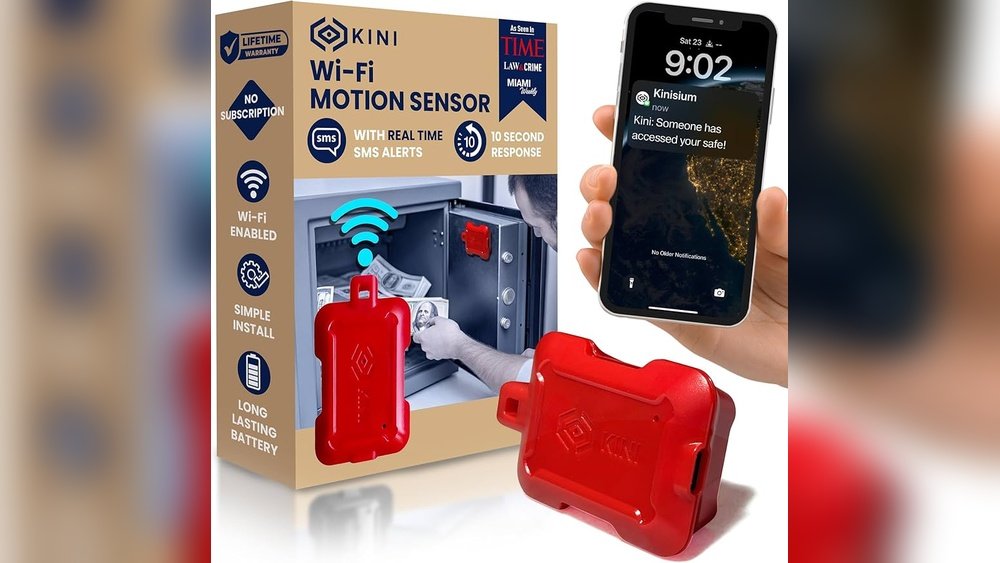
Imagine if your vibration sensor could alert you instantly on your phone the moment something unusual happens. Wouldn’t that give you peace of mind and help you act faster?
If you’ve ever wondered, “Can vibration sensors send alerts via text message? ” you’re in the right place. You’ll discover how these sensors can keep you connected and informed, even when you’re not nearby. Keep reading to find out how this simple technology can protect your equipment, save you time, and prevent costly problems before they start.
How Vibration Sensors Work
Vibration sensors detect movement or vibrations in machines and structures. They help monitor equipment health and prevent failures. These sensors convert physical vibrations into electrical signals. The signals then trigger alerts or data collection for analysis.
Understanding how vibration sensors work is key to knowing their benefits. They come in different types and use various detection methods. Each type suits specific needs and environments.
Types Of Vibration Sensors
Several types of vibration sensors exist. Accelerometers are common and measure acceleration forces. Piezoelectric sensors generate voltage when they experience pressure or vibrations. Capacitive sensors detect changes in capacitance caused by movement. Velocity sensors measure the speed of vibrations. Each type offers unique advantages for monitoring tasks.
Detection Mechanisms
Vibration sensors work through physical changes caused by motion. Some use piezoelectric crystals that produce electrical charge on pressure. Others measure changes in capacitance or resistance linked to vibration. The sensor converts mechanical energy into an electrical signal. This signal can then trigger alerts or be recorded for review.
These mechanisms allow sensors to detect even small vibrations. This makes them useful for early warning systems and maintenance alerts. The data helps avoid costly breakdowns by sending timely notifications.
Alert Systems For Vibration Sensors
Alert systems for vibration sensors play a key role in safety and maintenance. They help detect unusual vibrations early. This allows quick action to prevent damage or failure. These systems can send alerts through various methods, including text messages. Text alerts provide instant notification to users, even when they are away from the site.
Many industries use these alert systems to monitor machines and structures. The alerts help reduce downtime and save costs. Modern vibration sensors come with smart alert features. They connect easily with communication networks to send real-time updates.
Common Alert Methods
Vibration sensors use several alert methods. The most common are email, phone calls, and text messages. Text messages stand out for their speed and reliability. They reach the user quickly, even if internet access is poor. Some systems also use mobile apps for alerts. These apps can provide detailed reports and history. Physical alarms and lights still serve as local alert methods. They notify people nearby but do not reach remote users.
Integration With Communication Networks
Vibration sensors connect with communication networks to send alerts. Cellular networks allow sensors to send text messages directly to phones. Wi-Fi networks can also transmit alerts to computers or mobile devices. Some systems use cloud platforms for data storage and alert management. This integration enables remote monitoring from anywhere. It also supports automatic alert generation based on vibration data. Network integration improves response times and increases overall safety.
Sending Alerts Via Text Message
Vibration sensors can send alerts directly to your phone through text messages. This feature helps users receive instant warnings about unusual vibrations. It improves safety and allows quick actions to prevent damage. Text message alerts are easy to understand and reach anyone with a mobile device.
These alerts use technology that turns sensor data into SMS notifications. The process is simple and fast. It makes sure you never miss important updates from your vibration sensors.
Sms Gateway Technology
SMS gateways act as a bridge between vibration sensors and mobile phones. They convert sensor signals into text messages. This technology connects to mobile networks to send alerts instantly. It supports various communication protocols for smooth message delivery. SMS gateways ensure alerts reach users anywhere, anytime.
Real-time Notification Process
Vibration sensors detect abnormal vibrations in real-time. Once detected, data is sent to a control system or cloud platform. The system analyzes data and triggers an alert if needed. The SMS gateway then sends a text message to the user’s phone. This process happens within seconds to provide quick warnings. Real-time alerts help prevent accidents and equipment failure.

Benefits Of Instant Text Alerts
Instant text alerts from vibration sensors bring many benefits. They help people act quickly to prevent damage. Fast messages keep teams informed without delay. This technology is useful in many industries and settings.
Receiving alerts by text is simple and direct. No need to check complex systems constantly. Just a quick message to your phone. This saves time and reduces risks.
Improved Safety Response
Text alerts speed up safety actions. Workers get warnings right away. This helps avoid accidents and injuries. Quick alerts let teams fix problems fast. Early detection can prevent bigger issues. Safety improves because people stay aware.
Remote Monitoring Advantages
Text alerts allow monitoring from anywhere. No need to be on-site all the time. People can check conditions even from home. This is important for remote or large areas. Alerts keep managers updated all the time. Remote monitoring saves travel time and costs.
Setting Up Text Alerts
Setting up text alerts from vibration sensors helps you act fast. Alerts notify you immediately when the sensor detects unusual vibrations. This setup keeps machines safe and reduces downtime. You only need the right hardware and software. Then, follow a simple configuration process. Below is a clear guide to get you started.
Required Hardware And Software
First, you need a vibration sensor that supports alert functions. Many modern sensors have built-in communication modules. A GSM or cellular module is essential for sending text messages.
You also need a microcontroller or a small computer, like a Raspberry Pi. This device manages the sensor data and sends alerts.
On the software side, you require programs that read sensor data and trigger alerts. SMS gateway services or APIs help send text messages. Choose software compatible with your hardware and easy to use.
Step-by-step Configuration
Start by connecting the vibration sensor to the microcontroller. Ensure the sensor is powered and correctly wired for data output.
Install the necessary software on your microcontroller or computer. This software must read vibration levels continuously.
Set threshold values that trigger alerts. When vibration exceeds this limit, the system prepares an alert message.
Configure the SMS gateway or API with your phone number. Test sending a sample text to confirm the setup works.
Finally, run the system and monitor sensor data. The system sends texts automatically if vibration crosses the threshold.

Use Cases And Applications
Vibration sensors can send alerts via text messages in many practical ways. These alerts help users act fast and avoid damage or danger. Below are some common use cases where vibration sensors improve safety and security.
Industrial Safety Monitoring
Factories use vibration sensors to watch machines closely. Sensors detect unusual vibrations that show problems. When a sensor notices a fault, it sends a text alert to workers. This quick notice helps fix machines before they break. It also prevents accidents and saves money on repairs. Text alerts keep teams informed, even if they are far from the machines.
Home Security Systems
Vibration sensors protect homes by sensing unusual movements. They detect things like window or door shaking. Once a sensor spots a possible break-in, it sends a text alert to the homeowner. This instant warning allows people to check their home or call for help. Text alerts improve home safety without needing constant monitoring. They offer peace of mind, especially when away from home.
Challenges And Solutions
Vibration sensors can send alerts via text messages. Yet, some challenges affect their performance. These challenges need smart solutions for reliable alerts. Understanding these issues helps maintain smooth operations.
Connectivity Issues
Vibration sensors rely on network signals to send texts. Poor signal strength can delay or block alerts. Remote areas often face weak connections. This limits timely information delivery to users.
Using cellular networks with strong coverage improves connectivity. Some systems switch between Wi-Fi and mobile data automatically. Backup communication methods ensure alerts reach users. Regular network checks help avoid missed messages.
False Alarms Management
Vibration sensors can trigger false alarms from minor vibrations. These false alerts waste time and reduce trust. Simple movements like wind or passing vehicles cause false signals.
Advanced sensors use filters to ignore small vibrations. Setting proper alert thresholds reduces unnecessary messages. Machine learning can help sensors learn real threats. Regular calibration improves sensor accuracy over time.

Frequently Asked Questions
Can Vibration Sensors Send Alerts Via Text Message?
Yes, many vibration sensors can send alerts via text messages. They use GSM or cellular modules to transmit real-time notifications. This helps in immediate response to unusual vibrations or equipment failures, enhancing safety and maintenance efficiency.
What Technology Enables Vibration Sensors To Send Sms Alerts?
Vibration sensors use GSM or cellular communication modules to send SMS alerts. These modules connect to mobile networks, allowing the sensor to transmit data instantly. This technology ensures quick notifications for timely action and equipment monitoring.
Are Text Message Alerts From Vibration Sensors Reliable?
Text message alerts from vibration sensors are generally reliable. They depend on stable cellular network coverage and sensor configuration. Proper setup and network availability ensure prompt and accurate alerts for effective monitoring and preventive maintenance.
Can Vibration Sensors Integrate With Mobile Devices For Alerts?
Yes, vibration sensors can integrate with mobile devices through SMS or dedicated apps. This integration allows users to receive alerts directly on their phones. It improves accessibility and enables quick reaction to vibration anomalies or equipment issues.
Conclusion
Vibration sensors can send alerts via text messages easily. This helps monitor machines and detect problems early. Quick alerts reduce damage and save costs. Many systems support text notifications for fast response. Choose sensors that fit your needs and budget.
Text alerts make safety and maintenance smarter and simpler. Keep your equipment safe with real-time vibration monitoring. Simple, clear alerts keep you informed anytime, anywhere. This technology supports better decisions and timely actions.