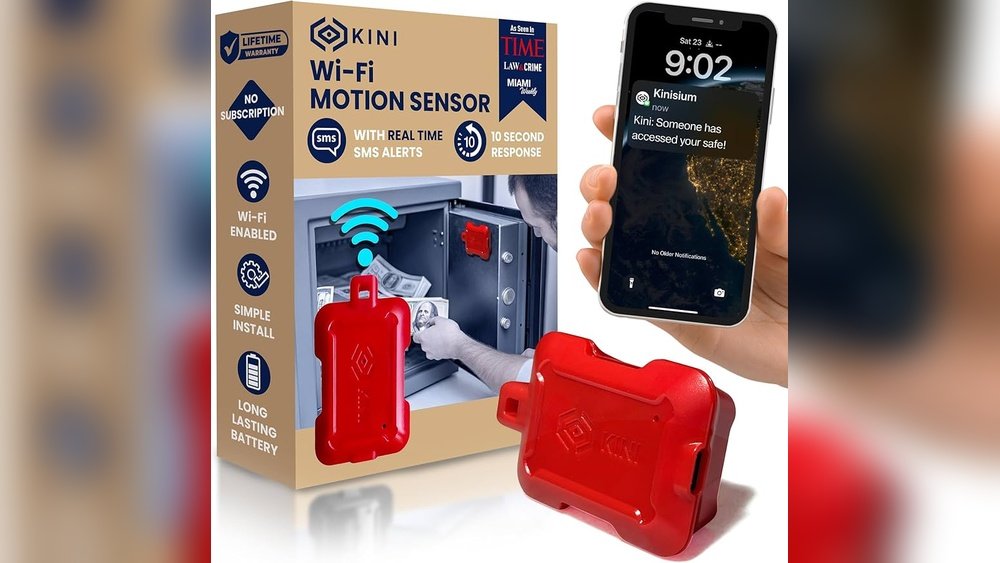
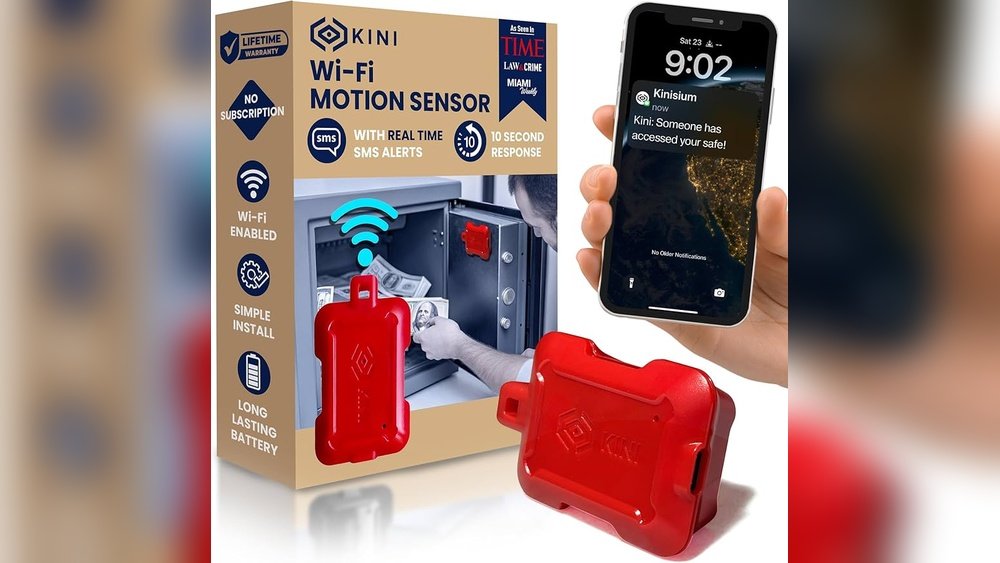
Have you ever wondered if vibration sensors can keep up with the tough conditions in your basement? Humidity is a hidden enemy that can affect many devices, but what about these sensors?
If you rely on vibration sensors to protect your equipment or monitor your space, you need to know how they perform in damp environments. This article will reveal the truth about vibration sensors in humid places like basements and help you make smart choices to keep your home or business safe.
Keep reading to discover what really works and what doesn’t.

Vibration Sensors Basics
Vibration sensors detect movement or vibrations in objects and surfaces. They are useful in many places, including basements. These sensors help monitor equipment, detect leaks, or even warn about structural issues. Understanding how they work helps you choose the right sensor for humid environments like basements.
Vibration sensors come in different types. Each type uses a unique method to sense movement. Knowing these types makes it easier to pick the best sensor for your needs.
Types Of Vibration Sensors
Common types include piezoelectric, capacitive, and accelerometer sensors. Piezoelectric sensors generate electric signals when they sense vibrations. Capacitive sensors measure changes in electrical capacitance caused by movement. Accelerometers detect acceleration forces and vibrations in multiple directions. Each type has strengths and weaknesses for different conditions.
Some sensors work better in dry areas, while others handle humidity well. Choosing the right sensor type helps ensure accurate readings in basements.
How Vibration Sensors Detect Movement
Vibration sensors detect movement by converting physical motion into electrical signals. The sensor’s material reacts to vibrations and creates a small voltage. This voltage changes with the intensity of the vibration. The sensor then sends this information to a monitor or control system.
Some sensors use tiny crystals that produce electricity when they move. Others measure changes in distance or force. All sensors need to be sensitive enough to pick up small movements but strong enough to resist false alarms from noise or humidity.
Challenges In Humid Areas
Vibration sensors face many challenges in humid areas. Basements often have high moisture levels. This moisture can affect how well the sensors work. Understanding these challenges helps in choosing the right sensor for such environments.
Impact Of Moisture On Sensor Components
Moisture can damage sensor parts. Water can cause rust on metal components. It may also short-circuit electrical parts. Over time, this reduces sensor accuracy. Some sensors lose sensitivity in wet conditions. Protective coatings can help but may wear out.
Common Issues In Basements
Basements have constant humidity and sometimes water leaks. Sensors may give false readings due to moisture. Mold and dust buildup also affect sensor function. Power supply problems occur from damp electrical connections. Regular maintenance is needed to keep sensors working well.
Sensor Durability And Protection
Vibration sensors in humid places face many challenges. Moisture can harm their parts and cause wrong readings. Good sensor durability and protection make sensors last longer and work better. This section explains how sensors stay safe and reliable in wet areas like basements.
Waterproof And Moisture-resistant Designs
Many vibration sensors have waterproof features. These stop water from getting inside the sensor. Moisture-resistant designs use special seals and materials. They keep the sensor dry and safe. Sensors with these designs work well even in very wet basements. They keep their accuracy and do not break easily.
Protective Coatings And Housings
Protective coatings add a strong layer on sensor parts. These layers stop rust and corrosion caused by moisture. Hard plastic or metal housings cover the whole sensor. They protect the sensor from water, dust, and dirt. Such protection helps sensors stay strong and reliable for a long time in humid places.
Performance In Basement Conditions
Basements often have high humidity and damp air. This can affect electronic devices. Vibration sensors must work well in these conditions. Performance in basements depends on sensor design and materials. Sensors that resist moisture last longer and give better readings. Let’s explore how vibration sensors perform in real basement environments.
Understanding sensor behavior in humid places helps choose the right tool. It also helps prevent false alarms or missed signals. Reliable sensors keep equipment safe and avoid costly repairs.
Real-world Sensor Testing
Testing sensors in actual basements shows how they handle moisture. Sensors are placed on walls, floors, or machinery. Tests run for days or weeks to check stability. Moisture can cause rust or short circuits in poor sensors. Good sensors have protective coatings or sealed bodies. These sensors keep working without losing sensitivity. Real-world tests reveal practical strengths and weaknesses.
Sensor Accuracy And Reliability
Humidity can cause false readings or signal loss. Reliable sensors use materials that do not absorb water. They also have software to filter out noise from moisture effects. Accuracy means detecting true vibrations, not errors. Sensors must keep accuracy over time despite damp air. Reliable sensors reduce maintenance and unexpected failures. This is vital for long-term monitoring in basements.
Maintenance Tips For Longevity
Maintaining vibration sensors in humid places like basements helps them last longer. Humidity and dust can cause problems for these devices. Taking simple steps keeps sensors working well and avoids costly repairs. Regular care ensures accurate readings and reliable performance.
Regular Cleaning Procedures
Dust and dirt build up on sensors over time. Clean sensors gently with a soft, dry cloth. Avoid harsh chemicals that can damage parts. Check sensors often for any visible grime. Clean connections and mounting areas to prevent false signals. Small, regular cleanings stop moisture traps and sensor failure.
Preventing Moisture Damage
Moisture harms vibration sensors by causing corrosion and shorts. Use waterproof covers or enclosures to protect sensors. Seal cables and connectors tightly to block water entry. Keep sensors away from direct water flow or leaks. Use silica gel packs nearby to absorb excess moisture. These steps help sensors stay dry and work longer.
Choosing Sensors For Humid Spaces
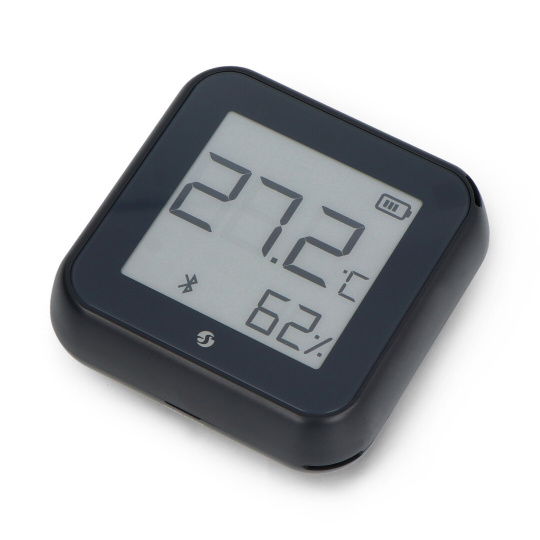
Choosing the right vibration sensors for humid spaces like basements is crucial. Humidity can damage sensitive equipment and affect sensor accuracy. Sensors must resist moisture and avoid rust or corrosion. This ensures they work well and last longer in damp environments.
Many vibration sensors are not designed for wet or humid conditions. Using the wrong sensor may cause frequent failures and false readings. Selecting sensors with specific features helps maintain reliable monitoring in basements and similar areas.
Key Features To Look For
Water resistance or waterproof ratings are essential. Look for sensors with an IP67 rating or higher. This rating means the sensor can handle dust and water exposure.
Corrosion-resistant materials like stainless steel or coated metals improve sensor durability. Sensors sealed tightly prevent moisture from entering sensitive parts.
Temperature tolerance also matters. Basements can be cool and damp. Sensors must operate well in these conditions without losing accuracy.
Low power consumption helps sensors run longer on batteries. This reduces maintenance needs in hard-to-reach basement areas.
Recommended Sensor Models
Models such as the Bosch BMA400 offer strong water resistance and high accuracy. It is compact and works well in humid places.
The TE Connectivity 832M is a rugged sensor built for industrial environments. It resists moisture and corrosion effectively.
Another option is the Analog Devices ADXL1002. It has a sealed design and maintains precision in damp conditions.
Selecting sensors designed for humidity ensures better performance. These models provide reliable vibration data in challenging basement environments.
Frequently Asked Questions
Do Vibration Sensors Resist Humidity In Basements?
Most vibration sensors have protective coatings to resist humidity. However, prolonged exposure to excessive moisture can degrade sensor performance over time. Choosing sensors rated for damp or wet environments ensures more reliable operation in basements.
How Does Humidity Affect Vibration Sensor Accuracy?
Humidity can cause condensation on sensors, leading to signal interference and false readings. High moisture levels may also corrode sensor components, reducing accuracy. Proper sealing and humidity-resistant designs minimize these risks and maintain precise vibration detection.
Can Vibration Sensors Detect Basement Structural Issues?
Yes, vibration sensors can identify early signs of structural damage like cracks or shifting foundations. They detect unusual vibrations caused by settling or water damage in basements. Using sensors in humid environments requires moisture-resistant models for consistent monitoring.
Are All Vibration Sensors Suitable For Humid Environments?
No, not all sensors are designed for humidity. Some lack waterproofing and corrosion resistance, making them unsuitable for basements. Look for sensors with IP ratings indicating water and dust protection to ensure durability in humid conditions.
Conclusion
Vibration sensors can perform well in humid places like basements. Choosing sensors made with water-resistant materials helps a lot. Regular checks keep them working properly and catch problems early. Proper installation also prevents damage from moisture and dust. With the right care, these sensors give reliable readings even in damp conditions.
So, they are a good choice for monitoring vibration in basements and similar spaces. Simple steps protect your sensors and ensure they last longer.