Are you struggling with dampness in your home or workspace? Choosing the right dehumidifier can make a huge difference in comfort and air quality.
But which type suits your needs better—a desiccant dehumidifier or a compressor one? Understanding how each works and their benefits can save you time, money, and frustration. Keep reading to discover which dehumidifier matches your space and lifestyle perfectly. Your ideal solution is closer than you think.
How Dehumidifiers Work
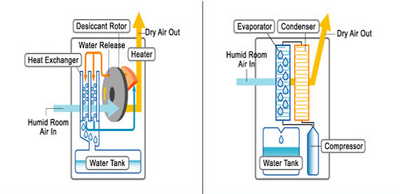
Dehumidifiers remove moisture from the air to improve indoor comfort. They help prevent mold, dust mites, and musty odors. Two main types do this job: compressor and desiccant dehumidifiers. Each uses a different method to take moisture out of the air.
Basics Of Moisture Removal
Air holds water vapor, which causes humidity. Dehumidifiers pull this moisture from the air. Removing water lowers humidity and makes the space feel drier. This process protects your home and belongings from damp damage.
Role Of Compressor Dehumidifiers
Compressor dehumidifiers cool air to remove moisture. They use a cold coil to condense water vapor into liquid. The water collects in a tank or drains away. These units work best in warm, humid places. They use a refrigerant and a fan to move air over cold coils.
Role Of Desiccant Dehumidifiers
Desiccant dehumidifiers use a drying material to absorb moisture. This material pulls water vapor from the air like a sponge. The unit then heats the material to release the collected water. Desiccant models work well in cooler and low-humidity spaces. They do not rely on cold coils or refrigerants.
Compressor Dehumidifier Features
Compressor dehumidifiers are popular for removing moisture from the air. They work well in many homes and offices. These devices use a cooling process to collect water. They are built to handle large spaces and high humidity. Understanding their features helps you decide if they suit your needs.
Cooling Mechanism
Compressor dehumidifiers use a refrigeration system. Air passes over cold coils inside the unit. Moisture in the air condenses on these coils. The water collects in a tank or drains out. This method is similar to how air conditioners work. It is effective in warm and humid environments.
Ideal Conditions For Use
These dehumidifiers work best in temperatures above 65°F (18°C). They struggle in cold or very low temperatures. They are perfect for basements, living rooms, and offices. Spaces with high humidity benefit most from these units. They quickly reduce moisture to comfortable levels.
Energy Efficiency
Compressor models use more energy in cold areas. They are more efficient in warm, humid conditions. Their energy use varies by size and brand. Look for models with an Energy Star rating. This shows they meet energy-saving standards.
Desiccant Dehumidifier Features
Desiccant dehumidifiers offer unique features that set them apart from compressor models. They use a different method to remove moisture from the air. This method works well in spaces with low temperatures. Understanding these features helps you decide if this type suits your needs.
These units are often quieter and lighter than compressor dehumidifiers. They also do not rely on cooling coils, making them effective in varied conditions. Let’s explore the key features that define desiccant dehumidifiers.
Absorption Process
Desiccant dehumidifiers use a material that absorbs moisture directly from the air. This material, called a desiccant, attracts water vapor and holds it inside. The moist air passes through the desiccant wheel or bed. The dry air then leaves the unit, reducing indoor humidity levels effectively.
Performance In Low Temperatures
These units work well in cold or cool environments. They do not depend on warm air to remove moisture. This makes them perfect for basements, garages, or winter use. Compressor dehumidifiers often struggle or freeze up in low temperatures. Desiccant models keep drying the air steadily.
Energy Consumption
Desiccant dehumidifiers generally use more energy than compressor types. The heating element inside uses power to dry the desiccant material. This process requires constant energy to work efficiently. However, their ability to operate in cold areas can save energy in certain situations. Understanding your space conditions helps choose the right option.

Comparing Performance
Comparing the performance of desiccant and compressor dehumidifiers helps you choose the best option. Each type works differently and suits different needs. Knowing their strengths and weaknesses makes your choice easier.
Effectiveness In Different Climates
Desiccant dehumidifiers work well in cold, dry climates. They absorb moisture even at low temperatures. Compressor dehumidifiers perform best in warm, humid places. Their cooling coils remove moisture efficiently in heat. Choose based on your local climate for better results.
Noise Levels
Desiccant models usually run quieter than compressor types. They have fewer moving parts, causing less noise. Compressor units have a motor and fan that create more sound. Quiet operation matters in bedrooms or offices. Consider noise if you need peace and calm.
Maintenance Needs
Desiccant dehumidifiers need less frequent cleaning. Their filters and wheels may require occasional checks. Compressor dehumidifiers need regular coil cleaning to avoid mold. Both need emptying water tanks or draining. Simple upkeep keeps both machines working well.
Cost Considerations
Cost is a key factor when choosing between a desiccant dehumidifier and a compressor model. It influences your budget upfront and over time. Understanding different cost aspects helps make a smarter choice.
Initial Purchase Price
Desiccant dehumidifiers usually cost more at the start. Their technology is newer and often more complex. Compressor dehumidifiers tend to be cheaper to buy. The difference can be significant depending on the brand and capacity.
Operating Costs
Desiccant units use more electricity to dry air. This can raise your energy bills in humid places. Compressor units are generally more energy efficient. They work best in warmer, moist environments. Running costs depend on how often you use the dehumidifier.
Long-term Value
Desiccant dehumidifiers perform well in cold conditions. They keep working when compressor types struggle. This can save money on repairs and replacements. Compressor units last long too but may lose efficiency in low temperatures. Consider your climate and usage to judge long-term value.
Choosing The Right Dehumidifier
Choosing the right dehumidifier matters for comfort and health. The right choice depends on several key factors. These include room size, climate, and personal needs. Each factor affects which type works best. Understanding these can help you decide between a desiccant or compressor dehumidifier.
Room Size And Usage
Small rooms need less powerful machines. Desiccant dehumidifiers work well in small spaces. They remove moisture quietly and efficiently. Large rooms require stronger units. Compressor dehumidifiers often suit bigger areas. They handle more moisture in less time. Consider how often you use the room. Frequent use may need a faster dehumidifier.
Climate And Environmental Factors
Dry, cool areas benefit from desiccant models. These work well at low temperatures. Compressor dehumidifiers perform best in warm, humid places. They lose efficiency when it gets cold. Check your local weather before choosing. Also, think about the room’s ventilation. Good airflow helps any dehumidifier work better.
Specific Needs And Preferences
Noise level matters in bedrooms and offices. Desiccant units tend to be quieter. Compressor types can be louder but more powerful. Energy use is another concern. Desiccant models usually use less power in cool areas. Maintenance ease also varies. Compressor dehumidifiers need regular filter cleaning. Desiccant machines require less upkeep. Pick a model that fits your lifestyle and comfort.

Frequently Asked Questions
What Are The Main Differences Between Desiccant And Compressor Dehumidifiers?
Desiccant dehumidifiers use moisture-absorbing materials, ideal for low temperatures. Compressor types use refrigeration to condense water, working best in warm, humid conditions. Each type suits different environments and needs.
Which Dehumidifier Is More Energy-efficient?
Desiccant dehumidifiers generally consume less energy in cooler, low-humidity environments. Compressor models tend to be more efficient in warm, high-humidity settings. Energy efficiency depends on your climate and usage.
Are Desiccant Dehumidifiers Quieter Than Compressor Ones?
Yes, desiccant dehumidifiers typically operate more quietly as they lack noisy compressors. Compressor dehumidifiers produce more sound due to their mechanical components. Noise level matters in bedrooms or offices.
Can Desiccant Dehumidifiers Work In Cold Climates?
Desiccant dehumidifiers perform well in cold and low-temperature conditions. Compressor dehumidifiers lose efficiency below 65°F (18°C). Choose desiccant units for basements or winter use.
Conclusion
Choosing between desiccant and compressor dehumidifiers depends on your needs. Desiccant models work well in cold places and keep air very dry. Compressor types save more energy in warm, humid areas. Noise levels and maintenance also matter. Think about your climate, space, and budget before deciding.
Both types help reduce moisture and improve air quality. Pick the one that fits your home best. Simple and effective moisture control is key to comfort and health.