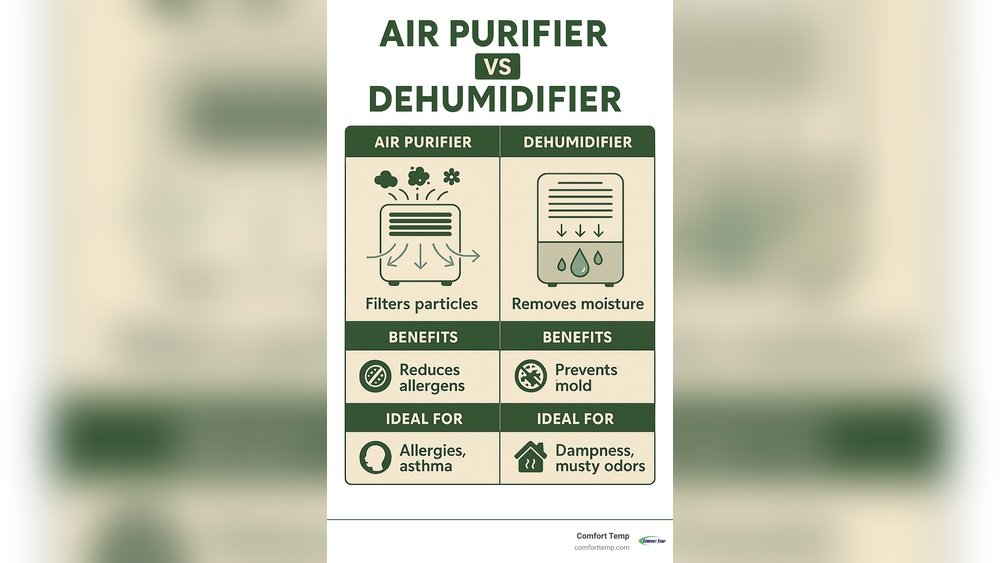
Is your dehumidifier working as well as it should? Keeping it in top shape means more comfort and better air quality for your home.
But what maintenance does a dehumidifier need to stay efficient and last longer? If you’ve ever wondered how to care for your device without hassle, you’re in the right place. You’ll discover simple, effective steps to keep your dehumidifier running smoothly—so you can breathe easier and protect your space from moisture damage.
Keep reading to learn the easy maintenance tips you can start using today.

Daily Care
Daily care keeps your dehumidifier working well. Small habits help avoid bigger problems. A clean, well-maintained unit lasts longer and works better.
Emptying The Water Tank
Empty the water tank every day. Full tanks stop the dehumidifier from working. Pour the water into a sink or drain. Check the tank for cracks or leaks. Clean the tank with mild soap and water once a week. This stops mold and smells.
Wiping The Exterior
Use a soft cloth to wipe the outside daily. Dust and dirt can block air flow. Clean the vents gently to avoid damage. Avoid using harsh chemicals that can harm the surface. A clean exterior helps your dehumidifier run quietly and efficiently.

Weekly Tasks
Weekly maintenance keeps your dehumidifier working well. Simple tasks help improve air quality and extend the device’s life. Spending a few minutes each week prevents bigger problems later. Focus on cleaning the air filter and checking the water tank. These tasks are easy and important.
Cleaning The Air Filter
The air filter traps dust and particles from the air. A dirty filter reduces airflow and efficiency. Remove the filter carefully from your dehumidifier. Use a vacuum or rinse it with water to clean. Let the filter dry completely before putting it back. Clean filters help the machine work better and last longer.
Inspecting The Water Tank
The water tank collects moisture from the air. Check the tank every week for cracks or leaks. Empty the tank regularly to prevent mold and bacteria growth. Wash the tank with warm, soapy water to keep it clean. Dry the tank well before placing it back in the dehumidifier. A clean tank stops bad smells and keeps air fresh.
Monthly Maintenance
Monthly maintenance keeps your dehumidifier working well. It stops dust and dirt from building up. This helps the machine run smoothly and last longer.
Checking The Coils
Look at the coils inside the dehumidifier. Dust or ice can cover them. Clean the coils gently with a soft brush or cloth. This helps the dehumidifier cool properly. Avoid using water or harsh cleaners on the coils.
Cleaning The Grilles
Grilles let air flow in and out of the unit. Dust and debris can block the grilles. Use a vacuum or a soft brush to clean them. Clear grilles improve air flow and efficiency. Clean grilles monthly for better performance.
Seasonal Checks
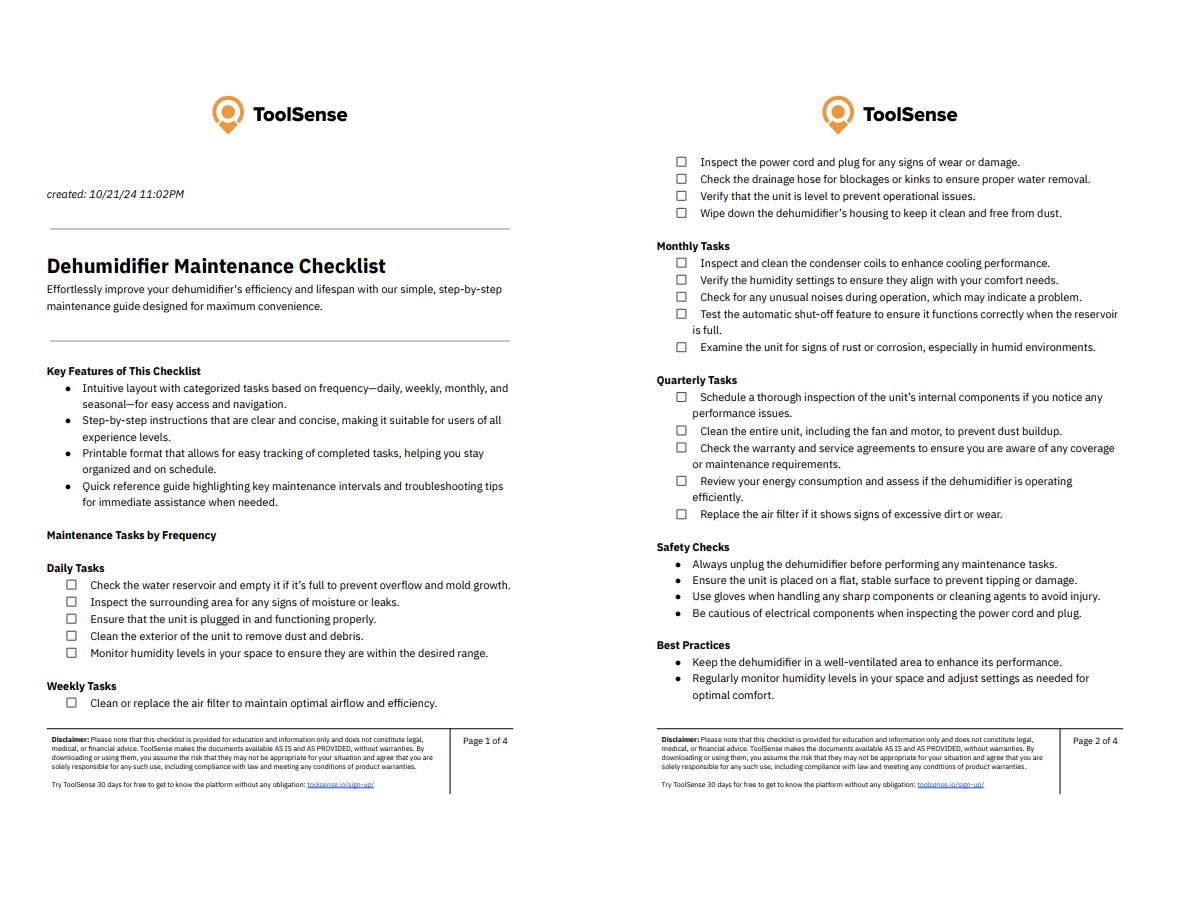
Seasonal checks keep your dehumidifier working well all year. These checks prepare your device for storage or restarting after a break. A few simple steps help avoid damage and ensure good performance. Follow these tips to extend your dehumidifier’s life and save money.
Preparing For Storage
Turn off and unplug the dehumidifier before storing. Empty the water tank completely to prevent mold. Clean the filter and let it dry fully. Wipe the exterior with a soft cloth. Store the unit in a dry, cool place away from dust. Cover the dehumidifier with a cloth to protect it from dirt.
Restarting After Storage
Remove the cover and clean the unit again. Check the filter for dust or damage. Inspect the water tank for cracks or leaks. Plug in the dehumidifier and turn it on. Listen for unusual sounds or smells. Run the device in a test area to confirm it works well.
Troubleshooting Common Issues
Dehumidifiers help keep your home dry and comfortable. Sometimes, they may face issues. Knowing how to fix common problems saves time and money. Below are simple steps to troubleshoot frequent issues with dehumidifiers.
Dehumidifier Not Collecting Water
Check if the dehumidifier is on and set to the right humidity level. Clean or replace the air filter if it is dirty. Make sure the room temperature is above 65°F (18°C); cold rooms can stop water collection. Inspect the water bucket to see if it is full or not placed correctly. Clear any blockages in the drain hose if you use continuous drainage.
Unusual Noises
Unusual sounds often come from loose parts or dirt. Turn off and unplug the unit before inspecting. Tighten any loose screws or parts. Clean the fan blades carefully to remove dust build-up. Check if the dehumidifier is on a flat surface to avoid vibrations. A rattling noise may mean something is stuck inside the fan or motor.
Foul Odors
Bad smells usually come from mold or bacteria inside the unit. Empty and clean the water bucket regularly. Use mild soap and warm water to wash the tank and parts. Check the air filter and clean or replace it if it smells bad. Leave the unit off and open the bucket to dry completely. This prevents mold growth and keeps the air fresh.
Extending Dehumidifier Life
Extending the life of a dehumidifier helps save money and keeps your home comfortable. Proper care and simple steps make your device last longer. Regular attention prevents breakdowns and improves efficiency.
Proper Placement
Place your dehumidifier on a flat, stable surface. Avoid areas near walls or furniture to allow good airflow. Keep it away from heat sources or direct sunlight. This helps the unit work well and reduces wear. Clear space around the device prevents dust buildup and keeps the fan running smoothly.
Regular Servicing
Clean the water tank and filters often to stop mold and dust. Check the coils for dirt or frost and wipe gently. Empty the tank before it gets full to avoid leaks. Inspect the power cord and plug for damage. Servicing your dehumidifier every few months keeps it healthy and efficient.
Frequently Asked Questions
How Often Should I Clean A Dehumidifier Filter?
You should clean the filter every two weeks. Regular cleaning prevents dust buildup, improving airflow and efficiency. Check the filter for dirt and wash it with warm water. Dry it completely before reinserting to avoid mold growth and maintain optimal dehumidifier performance.
When Is It Necessary To Empty The Water Tank?
Empty the water tank whenever it is full. Most dehumidifiers have an indicator to alert you. Frequent emptying prevents overflow and water damage. For continuous use, consider a drainage hose for automatic water removal. This keeps your unit running smoothly without interruption.
How Do I Prevent Mold Inside My Dehumidifier?
Clean the water tank and filter regularly to prevent mold. Use mild detergent and warm water for cleaning. Ensure the unit is dry before storing. Proper ventilation in the room also reduces mold growth inside the dehumidifier and enhances its lifespan.
What Maintenance Keeps My Dehumidifier Efficient?
Regularly clean the filter and water tank. Check and clear the air intake and exhaust vents. Inspect the coils for dust and frost build-up. Perform seasonal maintenance to ensure the unit runs efficiently and prolongs its operational life.
Conclusion
Regular maintenance keeps your dehumidifier working well. Clean the filter often to stop dust buildup. Empty the water tank every day to avoid mold. Check the coils for frost or dirt. Keep the unit in a dry, open space. Small steps help your dehumidifier last longer.
Save energy and improve air quality too. Simple care makes a big difference. Take a few minutes weekly. Your home will feel fresher and healthier. Easy maintenance keeps problems away. A well-kept dehumidifier protects your space.