Keeping track of your ammo inventory at home might seem simple, but it’s easy to lose count or forget what you have. If you’re like most gun owners, you want to be ready without overbuying or running low when it matters most.
Imagine opening your storage and instantly knowing exactly how much ammo you have—no stress, no surprises. You’ll discover smart, easy ways to organize and track your ammo so you always stay in control. Let’s make your ammo management effortless and reliable.
Keep reading to find out how.
Choosing The Right Storage
Choosing the right storage for your ammo is very important. Good storage keeps ammo safe and in good condition. It also helps you find what you need quickly. Proper storage protects ammo from damage and accidents. This section explains how to pick the best storage for your ammo at home.
Types Of Ammo Storage Containers
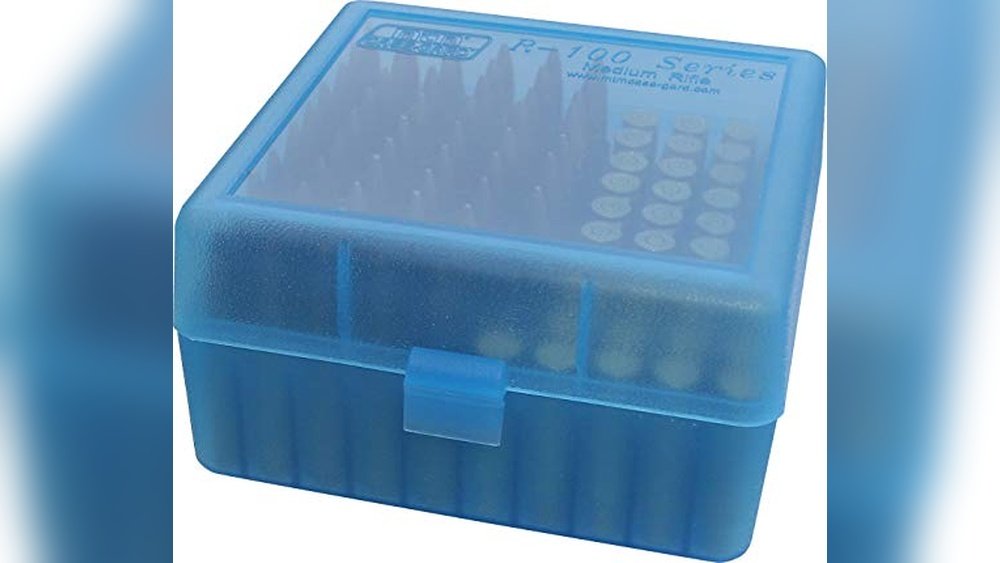
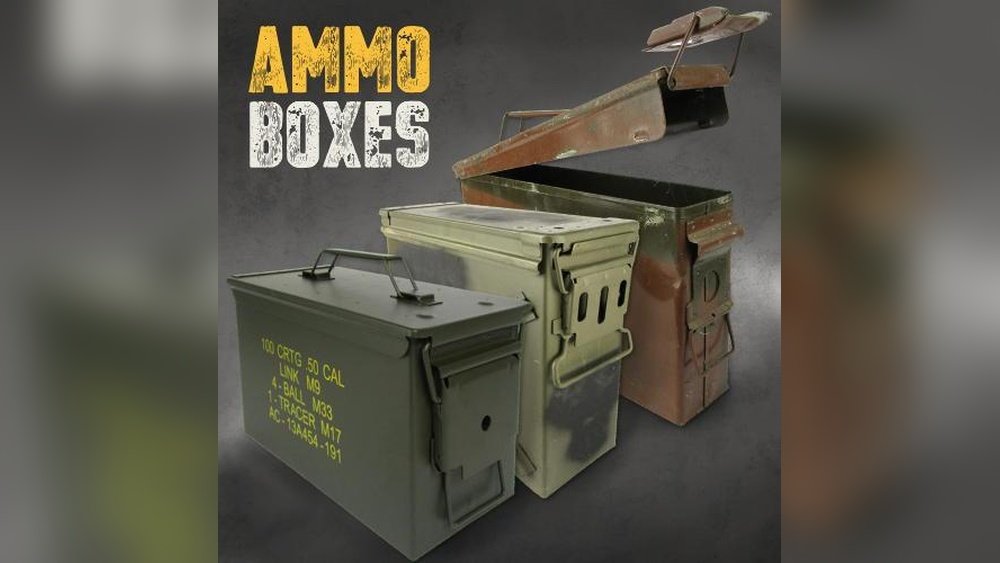
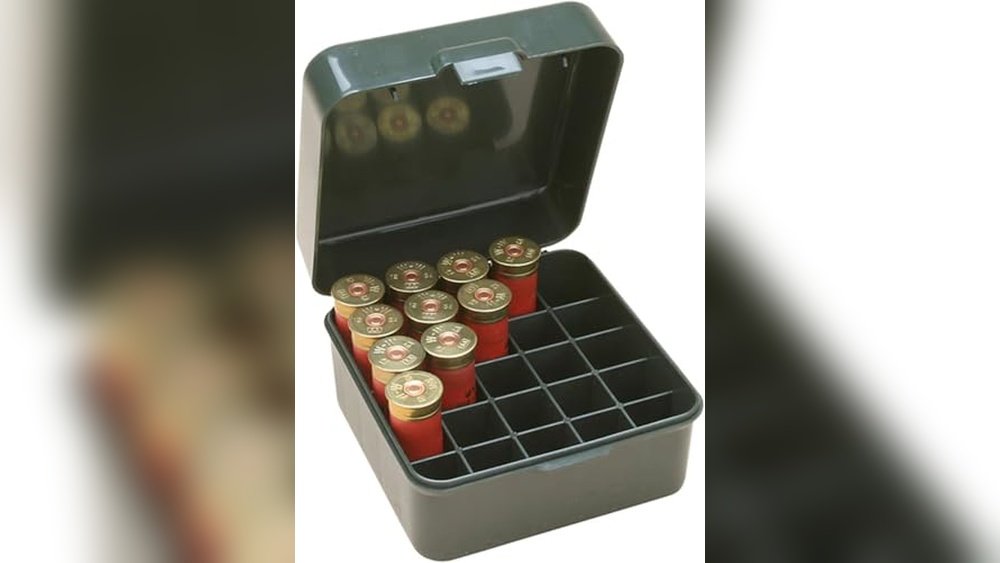
Ammo boxes are common and strong. They keep ammo dry and safe. Plastic containers with tight lids also work well. Some people use metal cans for extra protection. Clear containers help you see the ammo inside. Choose containers that close tightly to stop moisture.
Safe Locations For Storage
Store ammo in a cool, dry place. Avoid areas near heat sources or direct sunlight. A locked cabinet or safe is best. Keep ammo away from children and pets. Basements can be good if they are dry. Avoid places with high traffic to reduce risks.
Temperature And Humidity Control
Ammo lasts longer in stable temperatures. Ideal range is between 50 and 70 degrees Fahrenheit. High heat can damage ammo quickly. Humidity causes rust and corrosion. Use a dehumidifier or silica gel packs to control moisture. Check storage often for any signs of damage.
Inventory Methods
Tracking ammo inventory at home requires choosing the right method. The way you track ammo affects safety, organization, and easy access. Different methods suit different needs and comfort levels. Here are some common inventory methods to consider.
Manual Tracking Techniques
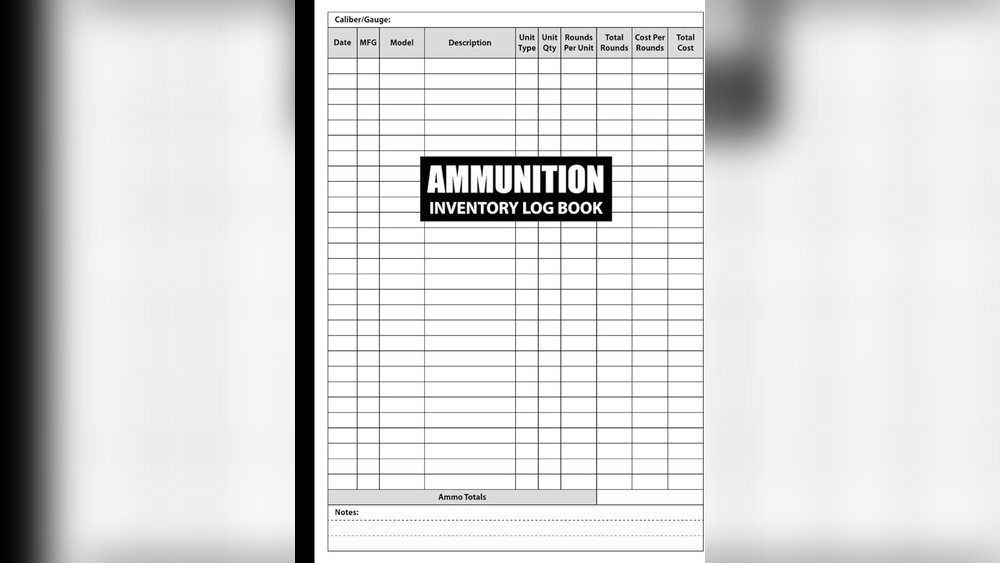
Manual tracking uses simple tools like notebooks or printed forms. Write down ammo types, quantities, and purchase dates. This method needs regular updates to stay accurate. It works well for small collections or those who prefer paper. Manual tracking does not need any tech skills or devices.
Digital Inventory Tools
Digital tools make ammo tracking faster and more organized. Apps and software help record, update, and check ammo easily. Many tools offer barcode scanning and alerts for low stock. Digital methods reduce human errors in counting. They fit users who like using phones or computers.
Using Spreadsheets Effectively
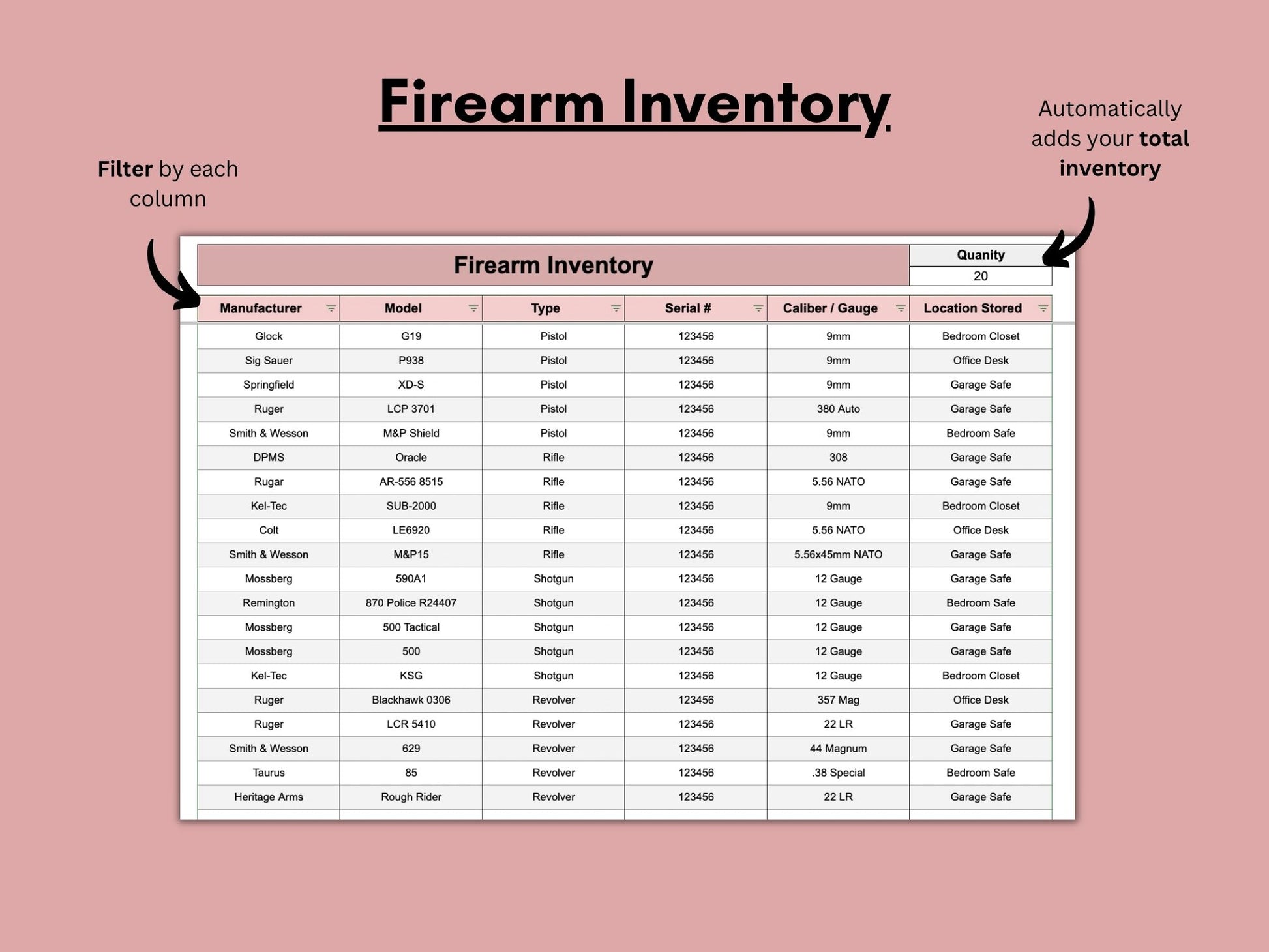
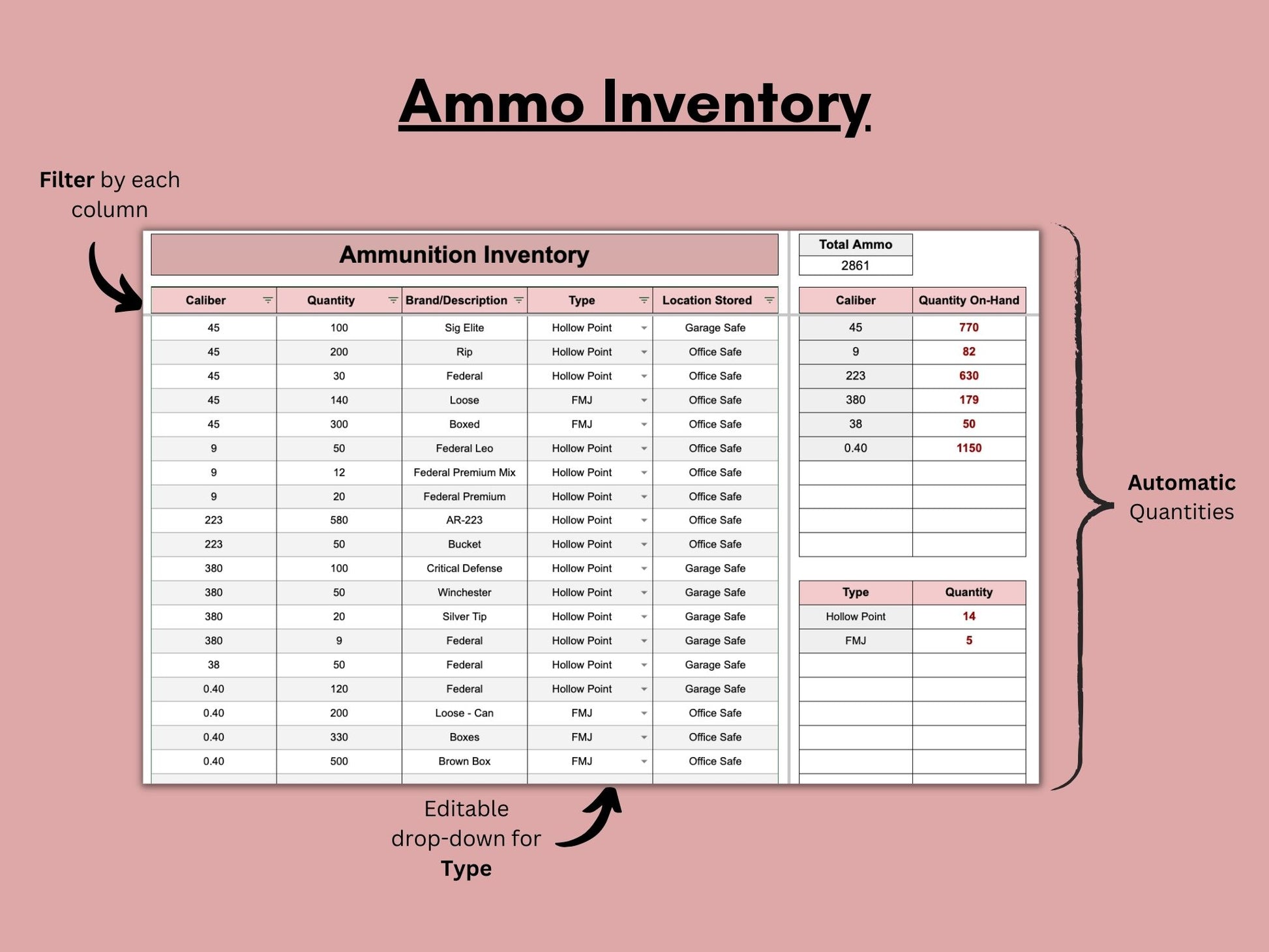
Spreadsheets offer a flexible middle ground between manual and digital methods. Use programs like Excel or Google Sheets to list ammo details. Create columns for type, quantity, and purchase date. Sort and filter data to find info quickly. Spreadsheets are easy to customize and share.
Organizing Your Ammo
Organizing your ammo at home helps keep your collection safe and easy to access. A well-ordered inventory saves time and reduces the risk of mixing different rounds. It also helps track what you have and what you need to restock.
Sorting By Caliber And Type
Sort your ammo by caliber first. Keep all rounds of the same size together. Then, separate by type like hollow point, full metal jacket, or shot shells. This method prevents confusion and speeds up finding the right ammo. Use separate containers or boxes for each group.
Labeling Best Practices
Label each container clearly. Include the caliber, type, and quantity on the label. Write the date of purchase or manufacture if possible. Use waterproof labels or permanent markers. Clear labels help avoid mistakes and keep your inventory accurate.
Rotation And Usage Strategies
Use the oldest ammo first. Place new ammo behind older boxes. This rotation keeps your ammo fresh and reliable. Check your stock regularly for any damage or corrosion. Rotate your supply to avoid using expired or unsafe rounds.

Safety Considerations
Tracking ammo inventory at home requires strict safety measures. Ammo can be dangerous if mishandled or stored incorrectly. Prioritizing safety protects your family and property. Follow key safety steps to keep ammo secure and organized.
Handling And Storage Safety
Always handle ammo with clean, dry hands. Avoid dropping or striking rounds to prevent accidental discharge. Store ammo in a cool, dry place away from heat sources. Use containers designed for ammo storage to keep rounds safe. Label containers clearly to avoid confusion.
Childproofing Your Inventory
Keep ammo out of children’s reach at all times. Use lockable storage boxes or safes for added security. Educate children about the dangers of ammo without showing them the actual rounds. Regularly check storage areas to ensure locks and safety measures work properly.
Legal Regulations To Follow
Know local laws about ammo storage and possession. Some areas require specific storage methods or limits on ammo quantities. Keep documentation for purchased ammo to prove legal ownership. Follow all rules to avoid fines or legal trouble.
Inventory Maintenance
Maintaining your ammo inventory at home is key for safety and readiness. It keeps your stock organized and easy to manage. Proper maintenance helps avoid surprises and ensures your ammo stays in good condition. Simple steps can save time and prevent problems later.
Regular Audits And Updates
Check your ammo supply often. Count each box and note the quantity. Update your records after every use or purchase. Tracking changes helps spot missing or expired rounds. A clear inventory avoids confusion during critical moments.
Disposing Of Old Or Damaged Ammo
Remove ammo that looks damaged or old. Damaged ammo can be unsafe to use. Contact local authorities for disposal rules. Never throw ammo in regular trash. Proper disposal protects your safety and the environment.
Preparing For Emergencies
Keep your ammo inventory ready for urgent needs. Store it in a cool, dry place. Label and organize ammo by type and date. Having quick access saves time in emergencies. Being prepared gives peace of mind.
Enhancing Efficiency
Keeping track of ammo at home can be tricky. Efficiency helps save time and avoid mistakes. Organizing ammo stock with smart methods makes the process smooth and stress-free. Using tools and smart plans will improve how you manage your inventory.
Small steps can make a big difference. Let’s explore ways to enhance efficiency while tracking ammo.
Automation Tools And Apps
Apps designed for ammo tracking simplify record keeping. They let you log details like caliber, quantity, and purchase date. Automation reduces manual errors and speeds up updates. Some apps send alerts when ammo runs low. Using these tools helps keep your inventory accurate and current.
Integrating Inventory With Shooting Schedules
Linking ammo stock to your shooting plans keeps you prepared. Planning shooting sessions based on available ammo avoids surprises. It helps set limits on ammo use and restocking needs. This integration also aids in budgeting and controlling ammo flow. It keeps your shooting activities smooth and efficient.
Backup And Data Security
Backing up ammo records protects against data loss. Store copies on cloud services or external drives. Secure your data with passwords to keep it safe. Regular backups ensure you don’t lose important info. This step builds confidence in managing your ammo inventory.
Frequently Asked Questions
How Can I Organize My Ammo Inventory Effectively?
Use clear storage containers and label each type of ammo. Maintain a detailed list with quantities and purchase dates. Regularly update your inventory to avoid shortages or overstocking. This keeps your ammo safe and easy to access.
What Tools Help Track Ammo Inventory At Home?
Ammo tracking apps and spreadsheets are popular tools. They allow you to log ammo types, quantities, and usage. Digital tools improve accuracy and provide quick access to your inventory data. Choose one that fits your tech comfort level.
How Often Should I Update My Ammo Inventory?
Update your ammo inventory after every use or purchase. Frequent updates ensure accurate tracking and help maintain safe storage levels. Consistency prevents running out of ammo unexpectedly and helps manage your stock efficiently.
Why Is Tracking Ammo Inventory Important?
Tracking ammo prevents overbuying and ensures you have the right ammo when needed. It helps maintain safety by avoiding expired or degraded ammo. Proper tracking also aids in budgeting and responsible ownership.
Conclusion
Tracking ammo inventory at home keeps you safe and prepared. It helps you know what you have and what you need. Simple records stop confusion and save time. Regular checks prevent surprises during emergencies. Using easy tools makes tracking quick and clear.
Stay organized to protect your family and property. Small steps today lead to better control tomorrow. Don’t let your ammo storage become a problem. Keep it neat, updated, and easy to manage. Your peace of mind depends on good tracking habits.