Choosing the right safe for your firearms is a big decision that affects your security and peace of mind. You might be wondering: should you go for a hidden gun safe or stick with a traditional one?
Each option has its own benefits and drawbacks, and the choice isn’t always obvious. This guide will help you understand the key differences, so you can pick the safe that fits your needs perfectly. Keep reading to discover what matters most when protecting your guns—and how to make the best choice for your home and family.
Types Of Gun Safes
Choosing the right gun safe means understanding the types available. Each type offers different benefits and fits different needs. Knowing these types helps you decide which safe protects your firearms best.
Hidden Gun Safes
Hidden gun safes are designed to blend into your home. They often look like everyday items, such as books or wall panels. This makes them hard to find for anyone who should not have access. These safes are good for quick access and extra security through concealment. They usually hold fewer guns than larger safes but offer strong protection.
Traditional Gun Safes
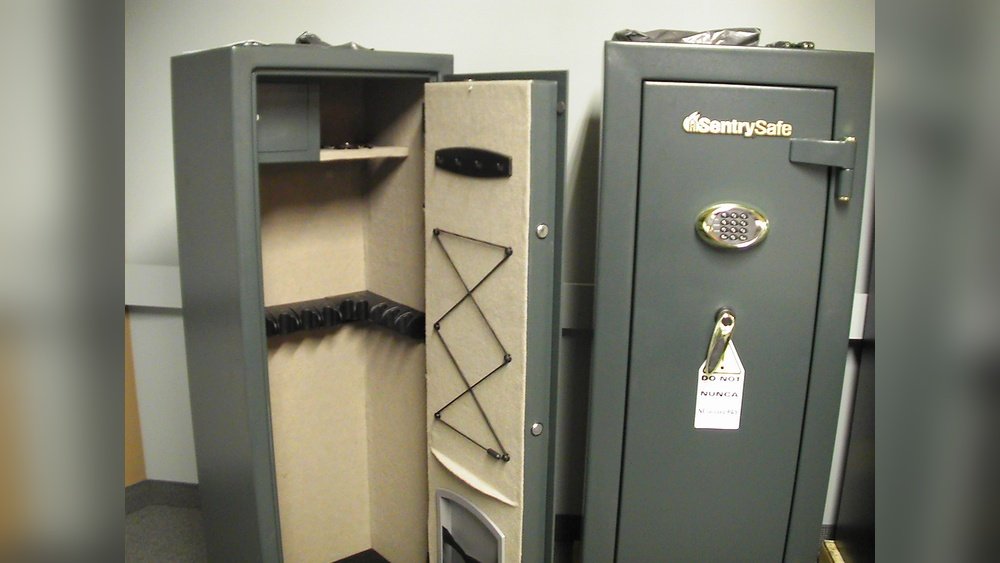
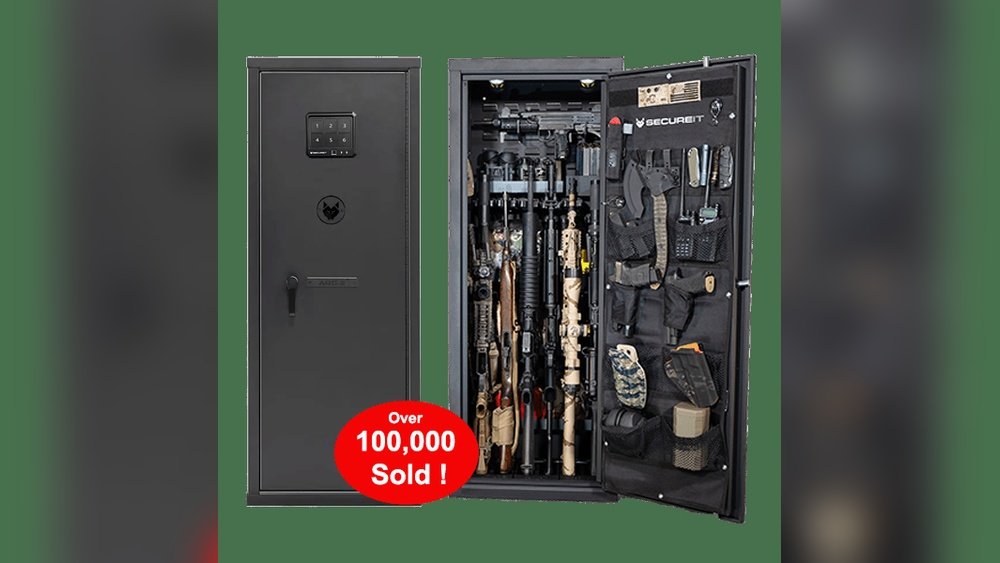
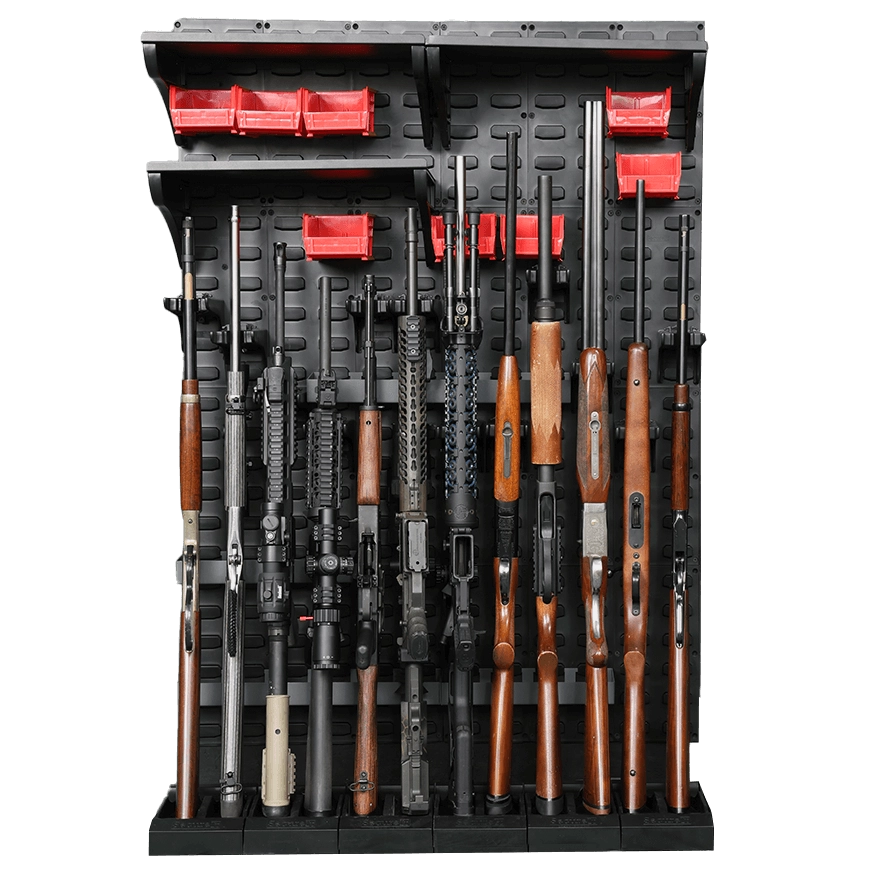
Traditional gun safes are larger and more visible. They provide space for many guns and other valuables. These safes are made from thick steel and have strong locks. They protect against theft, fire, and damage. Traditional safes often come with shelves or racks to organize your firearms. They are a solid choice for long-term storage and larger collections.
Security Features To Consider
Choosing a safe means understanding its security features well. These features keep your valuables and firearms protected. Whether you select a hidden gun safe or a traditional safe, focus on key security aspects. This helps you make the best choice for your needs.
Locking Mechanisms
The locking system is the first defense against theft. Common options include combination dials, electronic keypads, and biometric locks. Electronic and biometric locks offer quick access but need power. Mechanical locks never run out of batteries but may take longer to open. Choose a locking mechanism that balances security and convenience for you.
Material Strength
The safe’s material determines how well it resists break-ins. Most safes use steel, but thickness varies. Thicker steel resists drills and crowbars better. Some safes have reinforced steel or composite layers to increase strength. A strong safe prevents thieves from breaking in easily.
Fire And Water Resistance
Protecting your items from fire and water damage is crucial. Safes have ratings showing how long they can withstand heat or water. Fire-resistant safes protect papers and guns during fires. Water-resistant safes prevent damage from floods or leaks. Look for safes with certifications for both fire and water resistance to keep your belongings safe in disasters.
Space And Capacity
Space and capacity are key points to think about when choosing a safe. The amount of room you have and how much you need to store affect your choice. Both hidden and traditional safes come in many sizes. Knowing your needs helps pick the right one.
Consider the space where you want to place the safe. Some safes fit small spots, while others need more room. Capacity also means how many items you want to keep safe. Guns, documents, and valuables all take up different space.
Size Requirements
Measure your available space first. Hidden safes often fit tight or unusual places. Traditional safes usually need a clear, open area. Check the door size and opening space too. Make sure the safe fits without blocking paths.
Think about future needs. Will you add more items later? Choose a safe that can grow with your collection. Avoid safes that are too small for your current or future items.
Storage Organization
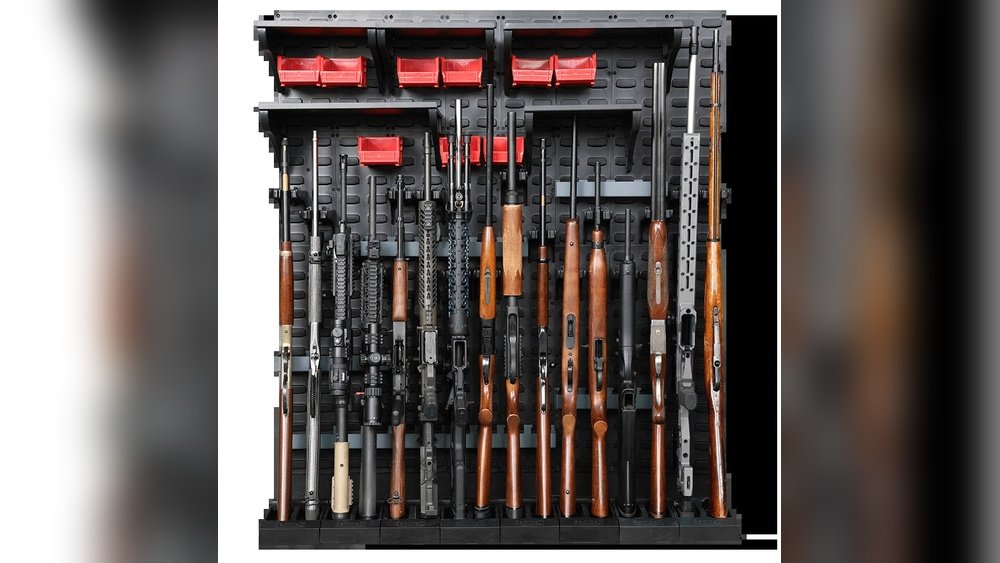
Look inside the safe to see how it stores items. Shelves, compartments, and hooks help keep things neat. Hidden safes may have limited organization options.
Traditional safes often have more space for arranging items. You can separate guns from documents or jewelry. Good organization helps you find things fast during emergencies.
Accessibility And Convenience
Accessibility and convenience play a big role in choosing between a hidden gun safe and a traditional safe. You want to reach your firearms quickly and without trouble. How easy it is to access your safe can affect your safety and peace of mind. Let’s explore the quick access options and the placement and installation of both safe types.
Quick Access Options
Hidden gun safes often use fast-opening locks. Some models have biometric scanners or quick-release mechanisms. These allow you to open the safe in seconds. Traditional safes may have combination locks or keys. These can take longer to open, which might slow you down in emergencies. Think about how fast you need access to your gun. Quick access can be a matter of safety.
Placement And Installation
Hidden safes are designed to blend into furniture or walls. You can hide them in closets, behind pictures, or under floors. This keeps them out of sight from intruders and children. Traditional safes are usually bulky and heavy. They need a strong floor or wall space for installation. You might have to bolt them down for extra security. Consider where you want your safe and how easy it is to install.
Aesthetic And Design
The look and style of a safe can affect your choice a lot. Aesthetic and design are key parts of picking the right safe. You want something that fits your home and feels right. Both hidden and traditional safes have their own style and presence. It’s important to think about how each one matches your space.
Concealment Benefits
Hidden safes blend into your home’s design. They can be inside walls, floors, or furniture. This keeps them out of sight from visitors or thieves. Concealment adds an extra layer of security. It makes the safe less obvious and harder to find. This can give peace of mind for your valuables.
Appearance In Home
Traditional safes stand out as a strong and solid piece. They show that you take security seriously. These safes come in many styles and sizes. Some have sleek modern looks, while others look classic. They can be part of your room’s decor or stand alone. Think about the space and how the safe fits with your furniture and style.
Budget And Cost Factors
Choosing between a hidden gun safe and a traditional safe requires careful thought about budget and cost. These factors affect your purchase decision and long-term satisfaction.
Understanding initial costs and long-term value helps you pick the best option for your needs and finances.
Initial Investment
Hidden gun safes often cost more upfront. Their design and stealth features add to the price. Traditional safes usually have lower starting prices.
Think about how much you want to spend first. A higher initial cost might offer better security or convenience. But a lower price fits smaller budgets.
Long-term Value
Long-term value depends on durability and protection quality. A safe that lasts longer saves money over time.
Hidden safes may protect better from theft but can be harder to access quickly. Traditional safes are simpler but may be less secure.
Consider repair, maintenance, and possible upgrades. These costs add up and affect value.
Legal And Safety Considerations
Choosing between a hidden gun safe and a traditional safe requires careful thought about laws and safety. These rules protect you and others around you. Proper safety measures reduce risks, especially in homes with children.
Compliance With Laws
Gun safes must meet local and federal laws. Laws may specify how guns should be stored. Some states require safes to have certain locks or features. Check your area’s rules before buying a safe. Following the law helps avoid penalties and keeps everyone safe.
Child Safety Measures
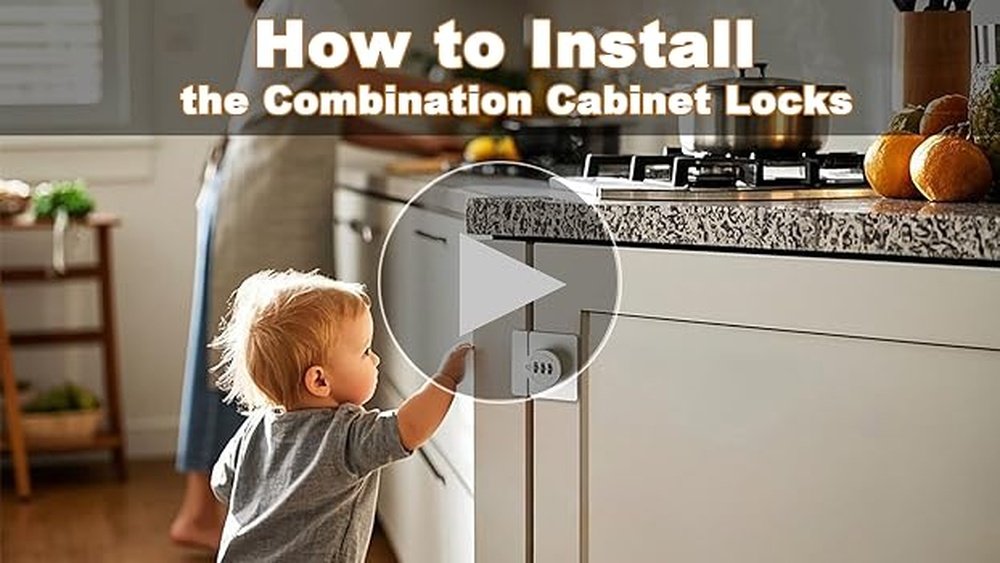
Child safety is crucial when storing firearms. A safe should prevent children from accessing guns. Both hidden and traditional safes offer strong locks. Choose a safe with child-proof features. Always store keys or codes out of children’s reach.

Making The Right Choice
Choosing the right safe means thinking about many things. Every home and situation is different. The best safe for one person may not be best for another. Understand what you need before making a choice.
Assessing Your Needs
Start by listing what you want to protect. Guns, important papers, or jewelry need different safes. Think about size. A big safe may not fit in small spaces. Consider how often you need to open it. Frequent use calls for easier access. Safety matters. Choose a safe that keeps items secure from theft and fire. Also, think about where you want to place the safe. Hidden safes blend with furniture or walls. Traditional safes stand out but may offer more space.
Expert Recommendations
Experts suggest matching the safe to your lifestyle. Families with children may prefer hidden safes for safety. Gun owners often choose safes with strong locks and solid steel. Experts advise testing the lock type. Digital locks are fast but need power. Mechanical locks work without batteries. Fire resistance is important. Look for safes rated to protect contents from heat. Experts also recommend checking safe reviews and certifications. Certified safes meet strict standards for security and fire protection.

Frequently Asked Questions
What Are The Main Differences Between Hidden And Traditional Safes?
Hidden safes are designed to blend into surroundings, offering stealth protection. Traditional safes focus on visible security features like heavy-duty locks and thick steel. Choosing depends on whether you prioritize concealment or deterrence.
Which Safe Type Offers Better Security For Firearms?
Both safe types provide solid security, but hidden safes reduce theft risk by hiding guns. Traditional safes offer robust physical protection and easy access. Consider your home layout and threat level when deciding.
How Does Accessibility Compare Between Hidden And Traditional Safes?
Traditional safes usually allow quicker access with visible placement. Hidden safes might require extra steps to locate or unlock. Choose based on how quickly you need to access your firearms in emergencies.
Are Hidden Safes More Expensive Than Traditional Safes?
Hidden safes often cost more due to custom installation and concealment features. Traditional safes vary widely in price but are generally less expensive. Your budget and security needs will guide your choice.
Conclusion
Choosing between a hidden gun safe and a traditional safe depends on your needs. Think about where you will place the safe and how fast you want to access it. Hidden safes offer secrecy but can be smaller. Traditional safes provide more space and easy access.
Consider your budget and security level too. Both types keep your guns safe and secure. Take time to decide what fits your lifestyle best. Safety matters most. Pick the option that gives you peace of mind.