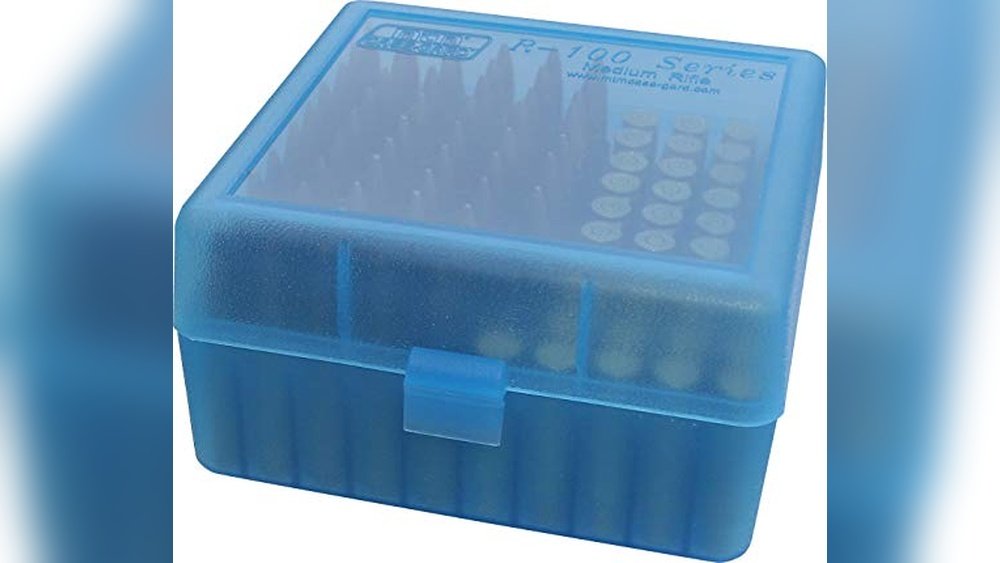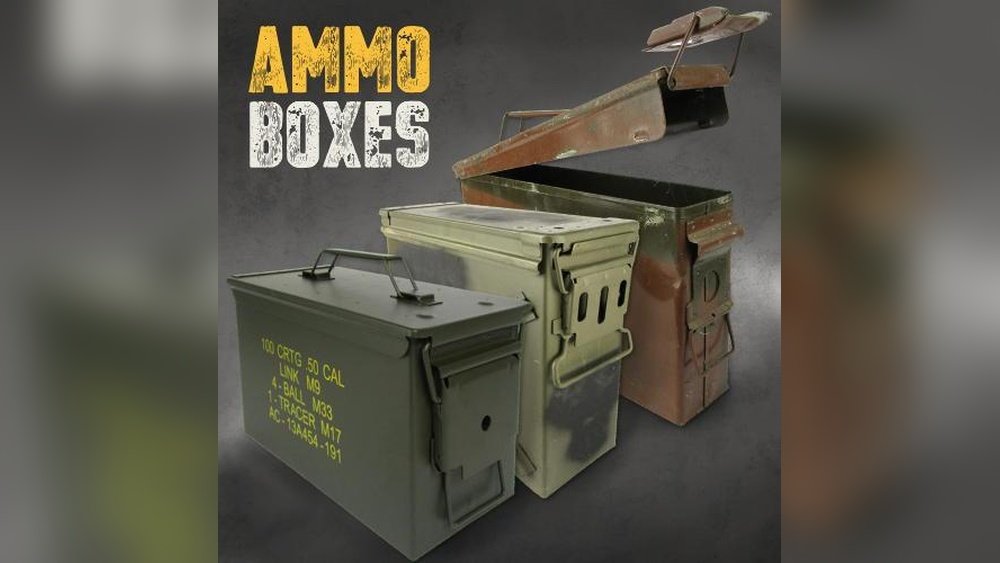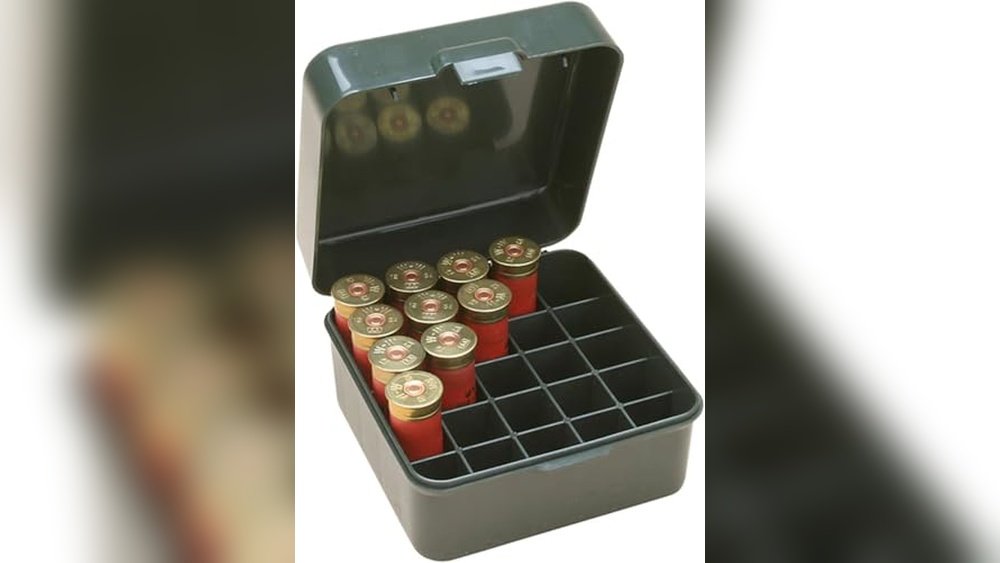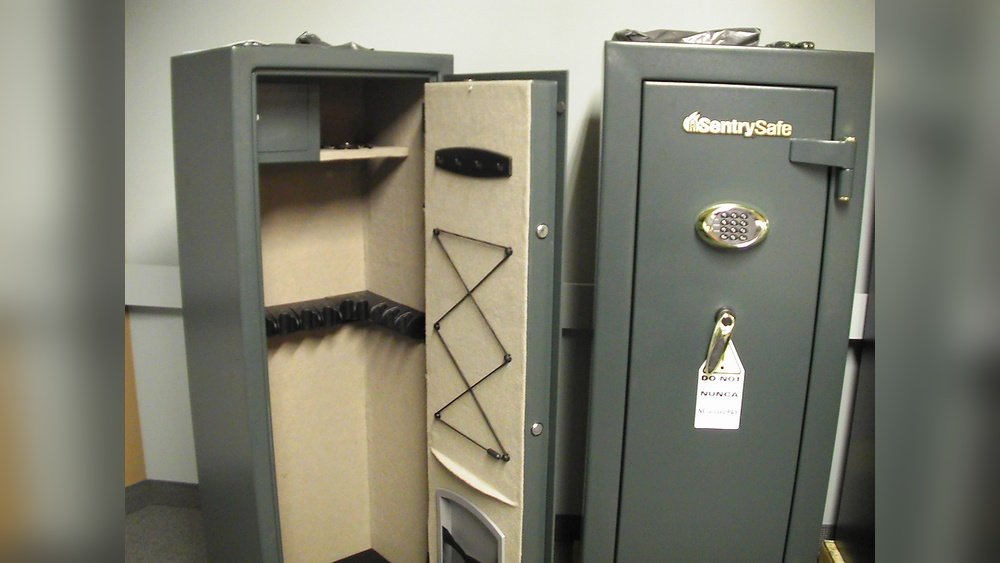
You own firearms, and protecting them is not just a choice—it’s a responsibility. Imagine having a secure place where your guns are safe from theft, damage, and unauthorized access.
That’s exactly what gun safe and vault storage offers you. But with so many options out there, how do you pick the right one for your needs? Keep reading, because understanding the best ways to store your firearms can give you peace of mind and keep your loved ones safe.
Your safety starts with the right storage solution.
Choosing The Right Safe
Choosing the right gun safe or vault is important for protecting your firearms. It helps keep your guns secure and away from unauthorized users. You need to think about several factors before buying a safe. This guide will help you understand what to look for.
Types Of Gun Safes
There are different types of gun safes for various needs. Rifle safes are tall and designed for long guns. Handgun safes are smaller and fit pistols. Wall safes can be hidden inside walls. Biometric safes use fingerprint scanners for quick access. Choose a type that matches your firearms and storage needs.
Size And Capacity
Size matters when selecting a safe. Count how many guns and accessories you want to store. Leave extra space for future purchases. A small safe may fit a few handguns. Large safes hold rifles, pistols, and ammo together. Pick a size that fits your collection comfortably.
Fire And Water Resistance
Protecting your guns from fire and water damage is crucial. Look for safes with fire ratings that show how long they resist heat. Water resistance helps keep guns safe during floods or leaks. Some safes have seals that block water entry. Choose a safe with strong protection for your peace of mind.
Safe Location Strategies
Choosing the right place for your gun safe or vault is key for security and ease of use. A good location keeps your firearms safe from theft and damage. It also makes sure you can reach them quickly in an emergency.
Hidden Vs Accessible Spots
Hiding your safe can stop thieves from finding it. Common hiding spots include behind false walls, under floorboards, or inside closets. But hiding it too well might slow you down in an urgent moment.
Accessible spots let you get to your safe fast. Places like the master bedroom or home office work well. Balance hiding and quick access. Think about your daily routine and emergency needs.
Avoiding Common Mistakes
Many people place safes near windows or doors. These spots are easy targets for burglars. Avoid areas that are visible from outside. Also, don’t put the safe on weak flooring. It should be on solid ground to hold heavy weight.
Never leave your safe unlocked or with the key in sight. This defeats the purpose of having a secure storage. Check that your safe’s location does not expose it to water or fire risks.
Securing The Surrounding Area
Protecting the area around your safe adds an extra security layer. Use cameras or alarms near the safe’s location. Motion sensors can alert you to any unusual activity.
Strong doors and locks on the room can slow down intruders. Keep the space well-lit and clutter-free. This prevents hiding spots for anyone trying to break in.
Lock Mechanisms Explained
Choosing the right lock mechanism for a gun safe or vault is crucial for security. Locks keep your firearms safe from unauthorized access. Different types of locks offer varying levels of protection and convenience. Understanding these locks helps in making a smart choice. Below, we explain the most common lock types used in gun safes and vaults.
Mechanical Locks
Mechanical locks are the traditional choice for gun safes. They use a dial that you turn to enter a combination. No batteries or electricity are needed. These locks are very reliable and last long. They require practice to open quickly. Mechanical locks resist power failures and electronic hacking. They provide solid security with a simple design.
Electronic Locks
Electronic locks use a keypad for entering a code. They are faster to open than mechanical locks. Many models allow you to change the code easily. Some electronic locks have backup keys for emergencies. They need batteries, so you must check power regularly. Electronic locks offer convenience and good security. They suit users who want quick access.
Biometric Systems
Biometric locks use fingerprints to open the safe. Only registered fingerprints can unlock the door. This type offers very high security. It is fast and easy to use. Biometric systems need power, usually from batteries. Sometimes they have backup methods like keys or codes. These locks suit those who want advanced security and quick access.

Installation Best Practices
Installing a gun safe or vault correctly is crucial for safety and security. Proper installation keeps your valuables protected and prevents theft. It also ensures the safe stays stable over time. Follow best practices to get the best results from your storage solution.
Anchoring And Bolting
Anchoring your safe to the floor or wall stops it from moving or tipping. Use strong bolts designed for your safe’s weight. Concrete floors are best for anchoring. Make sure to use the right tools and hardware. Drilling holes carefully prevents damage to the safe and floor.
Professional Vs Diy Installation
Professional installers have the tools and know-how for secure fitting. They ensure the safe is anchored properly and meets safety standards. DIY installation saves money but needs careful planning and skill. Follow the manufacturer’s instructions closely. Check all bolts and anchors for tightness.
Maintaining Stability
Check your safe regularly to maintain stability. Tighten loose bolts and anchors immediately. Avoid placing heavy items on top of the safe. Keep the area around the safe clean and dry. These steps help your safe stay secure and last longer.
Maintenance And Upkeep
Maintaining your gun safe or vault is important for safety and durability. Regular care helps prevent problems and keeps your items secure. A well-kept safe lasts longer and works better.
Regular Inspections
Check your safe often for signs of damage or wear. Look for rust, dents, or scratches on the surface. Test the locking system to ensure it works smoothly. Make sure the door seals tightly and there are no gaps. Early detection of issues saves costly repairs later.
Cleaning Tips
Clean your safe inside and out to avoid dust buildup. Use a soft cloth and mild soap for the exterior. Avoid harsh chemicals that can damage the finish. For the interior, vacuum dust and dirt gently. Keep the safe dry to prevent rust and mold. Regular cleaning keeps your safe looking new.
Updating Security Features
Upgrade your safe’s security features to stay protected. Replace old locks with modern electronic or biometric options. Change access codes regularly to prevent unauthorized entry. Check for software updates if your safe has digital components. Keeping security features current strengthens your protection.
Additional Security Measures
Extra security steps help protect your gun safe and vault better. These steps stop thieves and alert you to any trouble fast. Using several methods together builds a stronger defense.
Alarm Systems
Alarm systems warn you about break-ins. They make loud noises to scare off intruders. Some alarms connect to your phone for instant alerts. Alarms can sense motion or door openings. They add a quick reaction layer to your security.
Surveillance Cameras
Cameras record who comes near your safe or vault. They keep a watchful eye all day and night. Video footage helps identify suspicious people. Some cameras have night vision for dark areas. Watching live video from your phone gives peace of mind.
Access Control Techniques
Access control limits who can open your safe. You can use keypads, fingerprint scanners, or smart locks. These methods stop unauthorized people from getting in. Changing codes or keys often improves security. Control over access means better safety for your valuables.
Legal And Safety Considerations
Storing guns safely is very important. Knowing the legal rules and safety steps helps keep everyone secure. Proper gun safes and vaults protect weapons from theft and accidents. Understanding laws and safety helps avoid trouble and injury.
Compliance With Laws
Gun storage laws vary by state and country. Follow local rules for safe gun storage. Many places require locking guns in a safe or vault. Some laws set rules for who can access guns. Always check the latest rules to stay legal. Proper storage helps prevent fines and legal issues.
Safe Handling Practices
Handle guns with care to avoid accidents. Always assume a gun is loaded. Keep fingers off the trigger until ready to shoot. Store guns unloaded inside the safe. Teach family members safe gun habits. Use safety locks for extra protection. Safe handling lowers the risk of injury or death.
Emergency Access Planning
Plan how to access guns in an emergency. Keep the safe key or combination in a quick spot. Share access only with trusted people. Practice opening the safe to avoid delays. Avoid leaving guns unsecured for fast access. Emergency planning balances safety and readiness.


Frequently Asked Questions
What Is The Best Gun Safe For Home Use?
The best gun safe for home use offers strong steel construction and reliable locking mechanisms. It should be fireproof and waterproof to protect your firearms from damage and theft.
How Do Vaults Improve Gun Storage Security?
Vaults provide reinforced walls and advanced locking systems. They deter unauthorized access and protect firearms from fire, theft, and environmental damage effectively.
Are Biometric Gun Safes Reliable?
Biometric safes use fingerprint recognition for quick access. They are highly secure, easy to use, and reduce the risk of lost keys or forgotten combinations.
What Size Gun Safe Do I Need?
Choose a safe based on your firearm collection and space. Ensure enough room for future additions and secure storage of ammunition and accessories.
Conclusion
Gun safes and vaults protect your firearms from theft and damage. They keep guns out of reach from children and unauthorized people. Choosing the right safe depends on your needs and budget. Good safes are strong, reliable, and easy to use.
Regular maintenance helps keep them working well. Secure storage brings peace of mind and safety to your home. Remember, safety always comes first when handling firearms. Invest in quality storage for lasting protection and control.