Is your closet feeling damp and musty? That unpleasant smell and sticky air can damage your clothes and make your space uncomfortable.
You might be wondering if a dehumidifier could be the simple fix you need. Imagine opening your closet to fresh, dry air instead of moisture and mildew. You’ll discover how a dehumidifier works, why your closet gets damp, and practical tips to keep your clothes safe and fresh.
Keep reading to find out if this little device can make a big difference in your home.

Causes Of Damp Closets
Damp closets can cause bad smells and damage clothes. Understanding the causes helps stop the problem fast. Moisture builds up in closets for different reasons. Identifying these causes is the first step to keep your closet dry and fresh.
Common Moisture Sources
Water can come from wet clothes left inside the closet. Another source is high humidity in the house. Sometimes, leaks or water spills near the closet add moisture. Damp shoes or umbrellas stored in the closet also increase wetness. These sources raise the moisture level in the closet air.
Impact Of Poor Ventilation
Closets often lack good airflow. This traps moist air and stops it from drying out. Without ventilation, moisture stays inside and causes dampness. Poor air circulation makes the closet feel stuffy and wet. Good ventilation helps move moist air outside and keeps the closet dry.
Role Of Dehumidifiers
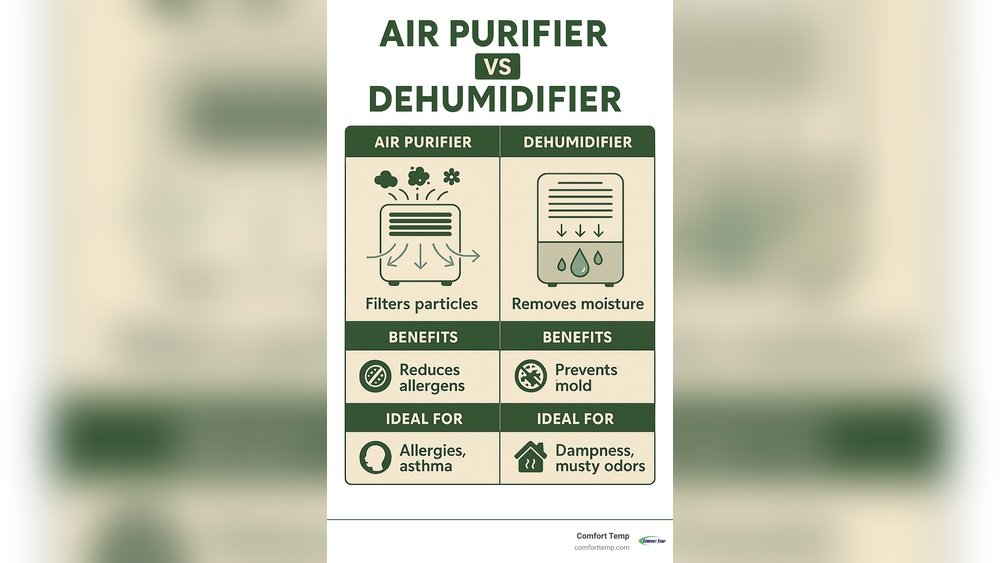
Dehumidifiers play a key role in controlling moisture in damp closets. They help reduce excess humidity, which causes mold and mildew. Using a dehumidifier can protect clothes, shoes, and stored items from damage.
These devices create a drier environment by removing water from the air. This lowers the chance of musty smells and keeps your closet fresh. Understanding how they work and choosing the right type is important for best results.
How Dehumidifiers Work
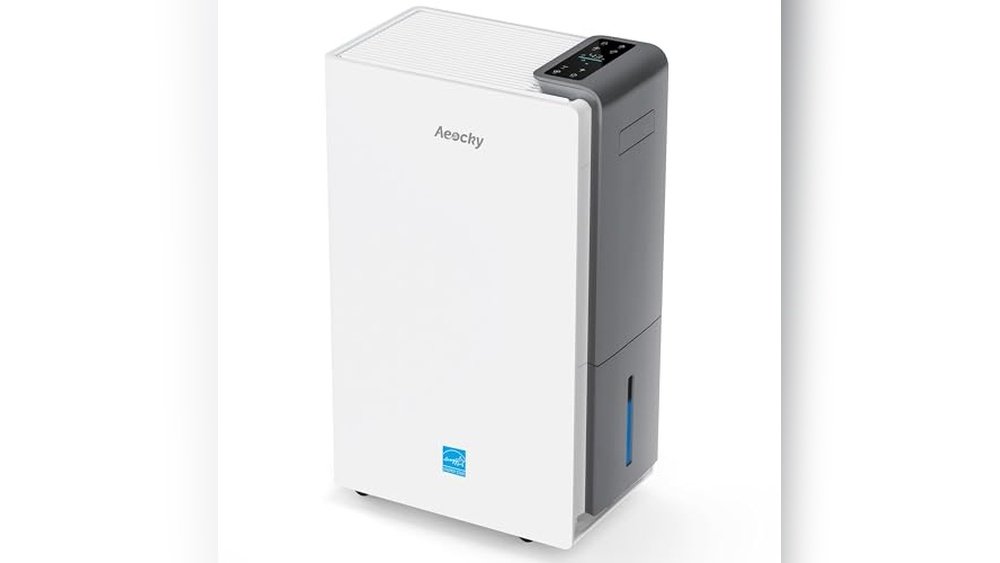
Dehumidifiers pull moist air into the machine. Inside, they cool the air to turn moisture into water. The water collects in a tank or drains away. Then, the dry air is pushed back into the closet.
This process lowers the humidity level and prevents dampness. Many models have sensors that stop working once the air is dry enough. This saves energy and keeps the closet comfortable.
Types Suitable For Closets
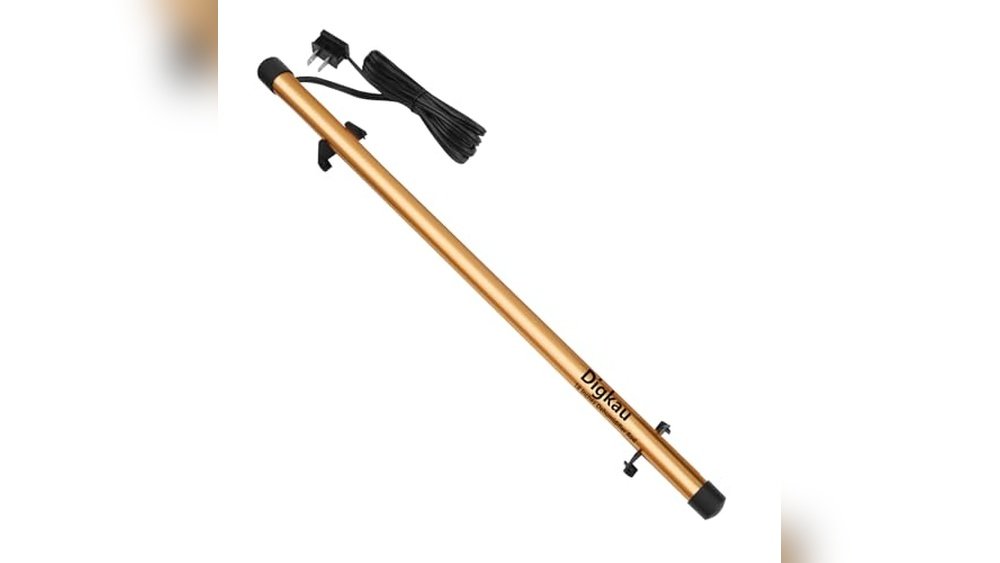
Small, compact dehumidifiers fit well inside closets. Desiccant dehumidifiers use a drying material to absorb moisture. They work quietly and in cooler spaces.
Electric refrigerant dehumidifiers cool the air to remove water. These work best in warmer closets. Some models offer automatic shutoff and easy water disposal options.
Choosing the right type depends on closet size and temperature. Portable units are easy to move and maintain. They keep your closet dry without taking much space.
Benefits Of Using A Dehumidifier
Using a dehumidifier in damp closets offers many benefits. It controls moisture and improves air quality. This small device helps keep closets dry and fresh. It also protects your belongings from damage caused by dampness.
Reducing Mold And Mildew
Mold and mildew grow quickly in damp spaces. A dehumidifier lowers humidity levels. This stops mold spores from spreading. Cleaner air means fewer health risks. Mold stains and smells also reduce. Your closet stays safer and more pleasant.
Protecting Clothes And Items
Moisture harms clothes and stored items. It causes fabric to smell and weaken. A dehumidifier keeps air dry and safe. Clothes stay fresh and last longer. Shoes, bags, and boxes avoid mold damage. Your items keep their quality over time.
Alternative Solutions
Damp closets need more than just a dehumidifier. Alternative solutions can help reduce moisture and protect your clothes and belongings. These methods work well alone or with a dehumidifier. Simple steps can make a big difference in keeping your closet dry and fresh.
Improving Airflow
Good airflow stops dampness from settling. Open closet doors sometimes to let fresh air in. Use small fans to move air around. Avoid blocking vents or windows near the closet. Clear out clutter that stops air from flowing freely. Air circulation helps moisture evaporate faster and keeps mold away.
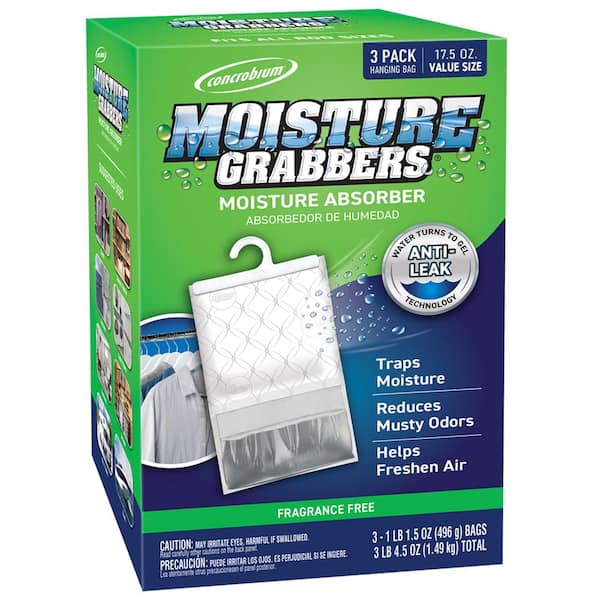
Using Moisture Absorbers
Moisture absorbers are easy and cheap. Products like silica gel or charcoal bags soak up water from the air. Place them on shelves or hang them inside the closet. These absorbers need to be replaced or recharged regularly. They work best in small spaces and help lower humidity levels.
Waterproofing Measures
Waterproofing stops water from entering your closet. Use sealant on walls and floors prone to leaks. Check for cracks and fix them quickly. Install a vapor barrier behind closet walls if possible. Waterproof paint can add another layer of protection. These steps prevent dampness from building up inside the closet.
Choosing The Right Dehumidifier
Choosing the right dehumidifier for a damp closet is important. The right unit keeps your closet dry and protects your clothes. Several factors help you pick the best model for your space and needs.
Size And Capacity
Closets vary in size. Small closets need smaller dehumidifiers. Larger closets require units with higher capacity. Capacity is measured in pints of moisture removed per day. Choose a capacity that matches your closet size to avoid overworking the device.
Energy Efficiency
Dehumidifiers run for many hours. Energy-efficient models save electricity and lower bills. Look for Energy Star certified models. They use less power while removing the same moisture amount. Saving energy also helps the environment.
Noise Levels
Closets are often near bedrooms or living spaces. Loud machines can be annoying. Check noise levels before buying. Quieter models make less disturbance. Pick a dehumidifier with low decibels for peaceful homes.
Maintenance Tips
Maintaining your dehumidifier is key for good performance in damp closets. Regular care keeps the air dry and your clothes safe. Follow these tips to ensure your device works well all year.
Cleaning And Filter Care
Dust and dirt can block the dehumidifier’s filter. Clean the filter every two weeks to keep air flowing. Use a soft brush or vacuum to remove dust. Wash the filter with water if it is very dirty. Let it dry completely before putting it back. A clean filter helps the machine remove moisture faster. It also stops bad smells in your closet.
Optimal Placement
Place your dehumidifier where air can move freely. Avoid corners or behind clothes. Keep it at least 6 inches away from walls or shelves. This space helps the device work better. Also, place it near the dampest area. This way, it removes moisture more effectively. Avoid placing it near heat sources. Heat can make the dehumidifier work harder and use more energy.

Frequently Asked Questions
Can A Dehumidifier Reduce Closet Dampness Effectively?
Yes, a dehumidifier removes excess moisture from the air, preventing mold and mildew in damp closets. It helps keep clothes dry and fresh by maintaining optimal humidity levels.
How Does A Dehumidifier Prevent Mold In Closets?
By lowering humidity, a dehumidifier stops mold spores from growing. Mold thrives in moist environments, so reducing moisture protects your closet and belongings.
What Size Dehumidifier Is Best For A Closet?
Choose a compact, low-capacity dehumidifier for small closets. It should effectively control humidity without using too much power or space.
How Often Should I Run A Dehumidifier In A Closet?
Run it continuously or as needed until the closet stays dry. Adjust usage based on humidity levels and seasonal changes.
Conclusion
A dehumidifier can reduce dampness in closets effectively. It removes excess moisture from the air inside. This helps stop mold and mildew growth. Clothes and items stay fresher and safer to use. Keep the closet door slightly open for better airflow.
Regular use of a dehumidifier keeps the space dry and clean. Small steps like this protect your belongings from damage. A dry closet means fewer bad smells and less clutter. Try using a dehumidifier for a healthier home environment.