You’ve invested in a rifle safe to protect your valuable firearms. But have you ever stopped to think about what might actually damage that safe?
Understanding what can harm your rifle safe is key to keeping your guns secure and your investment intact. You’ll discover the common threats to rifle safes and how to avoid them—so your safe stays strong and your rifles stay protected.
Keep reading to make sure your safe is doing its job, no matter what.
Common Threats To Rifle Safes
Rifle safes protect valuable firearms from many dangers. Knowing common threats helps keep your safe and rifles secure. These threats can cause damage that weakens the safe’s protection. Understanding what harms rifle safes guides proper care and choice.
Several risks can affect rifle safes. Some come from nature. Others come from people or the environment. Each threat can cause specific types of damage.
Fire Hazards
Fires cause extreme heat that can ruin rifle safes. Heat damages the safe’s locking mechanism and structure. Rifles inside may suffer from heat or smoke damage. Not all safes resist fire equally. Choosing a fire-rated safe improves protection.
Water Damage
Water harms rifle safes through leaks or floods. Moisture can seep inside and ruin rifles. Water causes wood or metal parts to swell and warp. Keeping safes in dry, elevated areas reduces water risks. A waterproof safe adds extra safety.
Physical Break-ins
Burglars try to break into rifle safes with tools. Pry bars, drills, and hammers test the safe’s strength. A weak safe may open easily, risking theft. High-quality locks and thick steel slow down break-in attempts. Installing safes in hidden spots helps too.
Corrosion And Rust
Corrosion and rust damage rifle safes over time. Humid or salty air speeds metal decay. Rust weakens the safe’s walls and locks. Regular cleaning and anti-rust sprays protect the safe. Good ventilation lowers moisture buildup inside the safe.
Fire Damage Risks
Fire poses a serious risk to rifle safes. The intense heat, smoke, and flames can damage both the safe and its contents. Understanding how fire harms a rifle safe helps you choose better protection. This section explains the main fire damage risks.
Heat Exposure Effects
High heat weakens metal and locks. The safe’s structure can warp or melt. Heat also damages gun finishes and ammo. Extreme temperatures make the safe less secure. Heat can break internal components too.
Smoke And Soot Impact
Smoke seeps inside even small cracks. Soot sticks to guns and safe interiors. This causes corrosion and stains. Smoke particles harm gun mechanisms over time. Cleaning smoke damage is difficult and costly.
Fireproof Rating Importance
Fireproof ratings show how long a safe resists fire. Higher ratings mean better protection from heat. Choose safes tested at high temperatures. Ratings help compare different models easily. A good rating saves your guns in fire.
Water Damage Concerns
Water damage is a major threat to rifle safes. It can ruin guns, ammo, and important documents stored inside. Protecting your safe from water is key to keeping its contents safe and dry. Understanding how water causes damage helps you take the right steps.
Flooding And Leak Issues
Flooding can happen fast and cause serious damage. Water can enter through cracks or gaps in the safe. Leaks often come from poor seals or worn-out door gaskets. Even small leaks let water inside, damaging the safe’s interior and contents.
Humidity And Moisture
High humidity inside a safe leads to moisture buildup. This moisture causes rust on guns and metal parts. It also damages wood and paper items. Moist environments promote mold and mildew growth, which ruins ammo and documents.
Preventing Water Intrusion
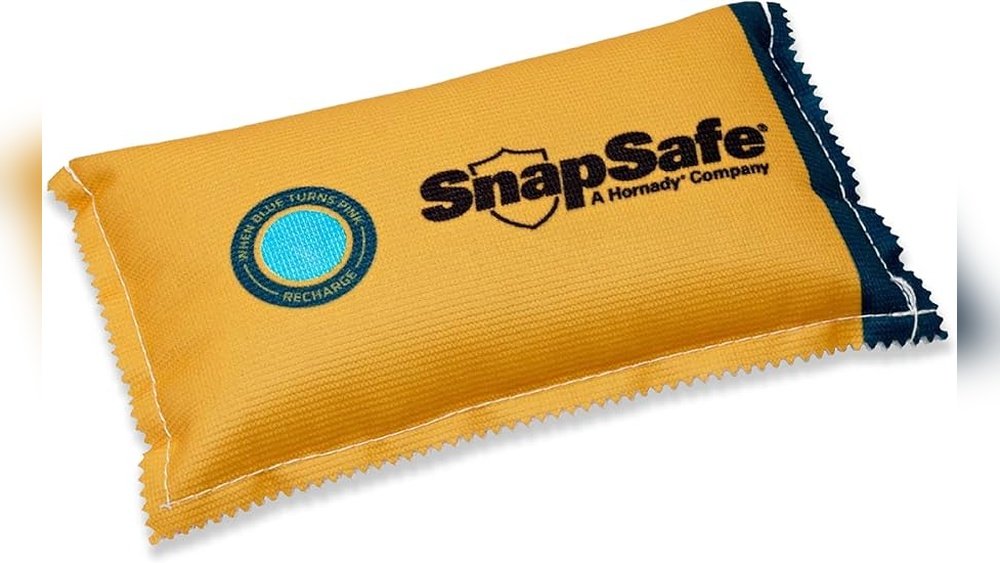
Choose safes with strong waterproof seals. Check door gaskets regularly and replace if needed. Place safes in dry, elevated areas away from flood zones. Use dehumidifiers or moisture absorbers inside the safe. These steps stop water and moisture from causing harm.

Break-in And Theft Attempts
Break-in and theft attempts are the main threats to rifle safes. Thieves use many methods to try and access the contents. Understanding these methods helps in choosing better protection. It also shows the importance of strong safe construction. Below are common ways criminals try to break into rifle safes.
Forced Entry Techniques
Thieves often use brute force to open rifle safes. Tools like crowbars, hammers, and pry bars are common. They try to bend or break the door or frame. Cutting tools like saws and grinders can also be used. These tools damage the safe’s exterior and locking system.
Repeated hits can weaken the safe’s metal. The harder the material, the longer it takes to break in. Some safes have extra reinforcements to resist forced entry. A solid safe can stop or slow down thieves significantly.
Lock Picking And Bypassing
Lock picking is a quiet way to enter a safe. Criminals use special tools to manipulate the lock’s mechanism. Mechanical locks and even electronic locks can be vulnerable. Some thieves bypass locks by finding weak points in the safe design.
Techniques include drilling small holes to reach the locking parts. Others may try to remove hinges or pry the door edges. Good safes have protections against these bypass methods. Strong locks and anti-drill plates help prevent easy access.
Impact Of Safe Construction
The construction quality affects how well a rifle safe resists attacks. Thick steel walls and doors add strong defense. Multiple locking bolts increase resistance to prying and pulling. Welds and joints should be tight and secure.
Some safes include fireproof and drill-resistant layers. These layers not only protect against fire but also slow down cutting tools. The design must avoid weak points like exposed hinges. A well-built safe makes theft attempts much harder.
Internal Damage Factors
Rifle safes protect valuable firearms from theft and damage. Internal damage can reduce their effectiveness. Knowing what causes this damage helps keep safes in good shape. Some common internal damage factors include rust, mechanical wear, and poor maintenance.
Rust Development
Rust forms when metal meets moisture and air. Inside a rifle safe, humidity causes rust on shelves, walls, and locks. Rust weakens metal parts and can stain firearms. Small rust spots can spread quickly. Controlling moisture levels inside the safe prevents rust growth.
Mechanical Wear And Tear
Daily use causes mechanical parts to wear out over time. Hinges, locks, and bolts can become loose or stuck. This wear reduces the safe’s security and smooth operation. Rough handling or forcing locks speeds up damage. Regular checks catch wear before it becomes a big problem.
Maintenance Tips
Keep the interior dry using moisture absorbers or dehumidifiers. Clean metal parts with a soft cloth and mild cleaner. Lubricate hinges and locks to keep them moving smoothly. Inspect the safe regularly for signs of wear or rust. Proper care extends the safe’s life and protects firearms inside.
Protective Measures For Rifle Safes
Protective measures help keep rifle safes secure and undamaged. Damage can come from fire, water, or forced entry. Taking steps to protect safes increases the lifespan of your rifles and keeps them safe from harm. Several key features and routines make a big difference.
Choosing Fire-resistant Models
Select safes designed to resist high temperatures. Fire-resistant models protect guns from heat and flames. Look for safes with UL fire ratings. These ratings show how long the safe can withstand fire. Fire-resistant safes use special insulation to keep the inside cool. This stops rifles and ammunition from damage during a fire.
Waterproofing Options
Water can cause rust and damage inside the safe. Waterproof safes or additional seals prevent water entry. Some safes have rubber gaskets around the door. These gaskets block water and moisture. You can also add waterproof covers for extra protection. Keeping moisture out helps preserve metal and wood parts of rifles.
Reinforced Locks And Materials
Strong locks keep thieves away. Choose safes with heavy steel construction. Thick steel walls resist cutting and prying. High-quality locks like combination or electronic locks add security. Reinforced hinges prevent forced entry. These features make it very hard to break into your safe.
Regular Inspection Routines
Check your rifle safe often for damage or wear. Inspect locks, seals, and hinges monthly. Look for rust, dents, or loose parts. Clean and oil locks to keep them working. Replace worn seals to keep water out. Regular checks stop small problems from becoming big ones.

Frequently Asked Questions
What Causes Damage To Rifle Safes?
Damage to rifle safes often comes from moisture, corrosion, physical impact, and poor maintenance. Humidity can rust metal parts, while impacts can dent or misalign locking mechanisms. Proper care and environment control help prevent these damages and extend the safe’s lifespan.
Can Rust Ruin The Locking System Of Rifle Safes?
Yes, rust can severely affect the locking system. It can cause parts to seize or become difficult to operate. Regular cleaning and applying rust inhibitors reduce this risk and ensure smooth locking and unlocking.
Does Improper Installation Harm Rifle Safes?
Improper installation can lead to structural damage or ineffective security. A poorly anchored safe may tip or shift during impacts. Correct installation by professionals ensures stability and maintains the safe’s protective functions.
How Does Humidity Affect Rifle Safes Internally?
Humidity promotes rust and mold growth inside rifle safes. This damages firearms and safe components. Using dehumidifiers or moisture-absorbing packs keeps internal conditions dry and protects your valuables.
Conclusion
Rifle safes face damage from moisture, rust, and rough handling. Dirt and dust can cause wear over time. Poor installation may weaken the safe’s structure. Avoid placing safes in damp or unstable areas. Regular cleaning and maintenance help protect your investment.
Choose quality safes designed to resist common threats. Taking care of your rifle safe keeps guns secure and safe. Small actions prevent costly repairs and extend safe life. Protect your firearms by understanding what harms your rifle safe.