Are you curious about the difference between civilian and military 9mm ammo? Whether you’re a gun owner, a shooter, or just someone interested in firearms, understanding these differences can help you make smarter choices.
The type of ammo you use affects not only performance but also safety and legality. Keep reading to discover how civilian and military 9mm rounds vary, and why knowing these details matters for your shooting experience.

Basic 9mm Ammo Types
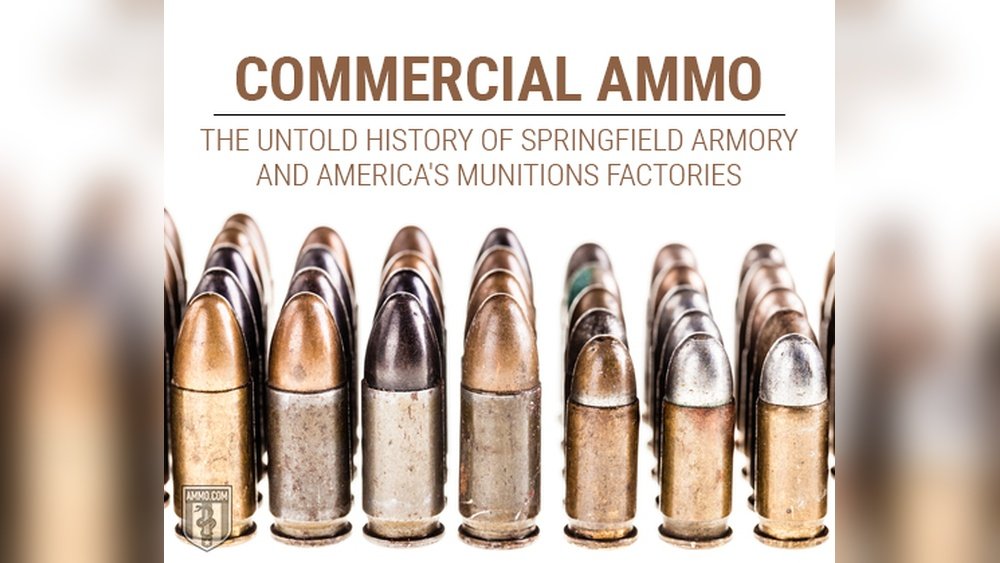
9mm ammunition is popular worldwide for many uses. It is common in both civilian and military settings. Despite using the same caliber, civilian and military 9mm ammo differ in design and purpose.
Understanding these differences helps choose the right ammo for each need. Basic 9mm ammo types include full metal jacket, hollow point, and specialized rounds. Each type serves a specific function in shooting and defense.
Civilian 9mm Ammo Features
Civilian 9mm ammo focuses on safety and self-defense. Hollow point bullets are common here. They expand on impact, reducing the risk of over-penetration. This helps protect bystanders in crowded places.
These rounds offer good stopping power with less chance of passing through the target. Many civilians use this ammo for home defense or sport shooting. The design aims to balance power and control.
Military 9mm Ammo Features
Military 9mm ammo often uses full metal jacket (FMJ) rounds. These bullets have a hard metal cover. FMJ rounds do not expand on impact. They penetrate targets deeply and maintain shape.
This ammo is designed for reliability and feeding in automatic weapons. Military rounds prioritize penetration and consistency. They also meet international laws on battlefield ammunition.
Design And Construction
The design and construction of 9mm ammo vary between civilian and military types. These differences affect how the ammo performs and what it is best used for. Understanding these details helps in choosing the right ammo for your needs.
Bullet Composition
Civilian 9mm bullets often use full metal jackets. These bullets have a soft lead core covered by a harder metal shell. This design reduces barrel wear and improves feeding in pistols.
Military 9mm bullets may include special designs. Some have lead cores with harder metal jackets for better penetration. Others use jacketed hollow points to cause more damage on impact.
Cartridge Case Differences
Cartridge cases in civilian ammo are usually made of brass. Brass is reliable and easy to reload, which appeals to many shooters. Military cases might use steel or aluminum to save costs.
Steel cases are harder but less flexible than brass. They can cause more wear on guns but are cheaper to produce. Aluminum cases are light but less durable.
Powder And Pressure Variations
Civilian 9mm ammo tends to have lower pressure levels. This makes shooting more comfortable and reduces recoil. It also extends the life of the firearm.
Military ammo often uses higher pressure powders. This increases bullet speed and power. Higher pressure rounds improve performance in combat situations but can increase recoil.
Performance And Usage
The performance and usage of civilian and military 9mm ammo differ in key ways. Each type serves a unique purpose based on its design and intended use. Understanding these differences helps users pick the right ammo for their needs.
Accuracy And Range
Civilian 9mm ammo often focuses on precise shot placement. It is designed for self-defense and target shooting. This ammo tends to have consistent accuracy at short to medium distances.
Military 9mm ammo prioritizes reliability over extreme accuracy. It performs well in close combat where quick shots matter. The effective range is usually shorter, but it remains accurate enough for tactical use.
Penetration And Stopping Power
Civilian ammo usually uses hollow-point bullets. These expand on impact to stop threats quickly without over-penetration. This reduces the risk of hitting unintended targets.
Military 9mm ammo often uses full metal jacket (FMJ) bullets. FMJs penetrate deeper, which helps against body armor or barriers. They may not expand but deliver reliable penetration for combat.
Reliability In Different Conditions
Civilian 9mm ammo performs well in controlled environments like shooting ranges. It may struggle in extreme weather or dirty conditions.
Military ammo is tested for harsh environments. It remains reliable in rain, mud, and dirt. This ensures consistent performance during combat missions.
Legal And Availability Factors
Legal rules and availability shape the differences between civilian and military 9mm ammo. These rules control who can buy and use certain types of ammunition. Availability depends on laws and military needs. Understanding these factors helps explain why some ammo types are rare or restricted.
Civilian Ammo Regulations
Civilian 9mm ammo follows strict government rules. Some types, like armor-piercing rounds, are banned for civilians. Ammo must meet safety and legal standards. Buyers usually need a license or background check. These laws keep ammo use safe and controlled.
Military Ammo Restrictions
Military ammo often includes special types not for public use. These rounds may have higher power or special designs. Military ammo is controlled by defense laws. Civilians cannot buy or use most military-grade ammo. This keeps military supplies secure and limits misuse.
Market Availability
Civilian 9mm ammo is easy to find in stores and online. Many brands make ammo for target shooting and self-defense. Military ammo is rare in the civilian market. Sometimes, surplus military ammo appears but often in limited amounts. Market demand and legal limits affect what is available.
Cost And Practicality
Cost and practicality play a big role in choosing between civilian and military 9mm ammo. Buyers often compare prices and think about how they will use the ammo. Practical use means how well the ammo fits different needs like training or self-defense. Understanding these factors helps make a smart choice.
Price Differences
Civilian 9mm ammo usually costs less than military-grade rounds. This is because civilian ammo often uses less expensive materials. Military ammo often has special features that raise the price. Bulk buying civilian ammo can save even more money. For everyday use, many prefer the lower cost option.
Suitability For Training And Self-defense
Civilian ammo suits most training sessions well. It is made for consistent performance and less wear on guns. Military ammo is designed for harsh conditions and may be stronger. Civilian ammo is safe and reliable for self-defense. Choosing ammo depends on personal needs and comfort.
Compatibility With Firearms
Civilian 9mm ammo fits most handguns and pistols. It is made to standard sizes for wide use. Military ammo may have slight differences in bullet design. Some firearms may prefer one type over the other. Checking your gun’s manual helps find the best match.

Safety And Handling
Safety and handling are key when dealing with 9mm ammo. Civilian and military rounds have different designs and uses. These differences affect how you store, handle, and train with them. Understanding these points keeps users safe and ammo in good condition.
Storage Considerations
Civilian 9mm ammo usually comes in sealed boxes. Store it in cool, dry places to avoid corrosion. Military ammo may have special coatings to resist weather. Still, keep it away from moisture and heat. Proper storage helps maintain ammo quality and safety.
Handling Risks
Military 9mm ammo often has higher pressure loads. Handling it carelessly can cause accidents. Civilian ammo is generally less powerful but still needs caution. Always check for damage or defects before use. Wear eye protection and follow basic gun safety rules.
Training Requirements
Military users receive detailed training on their ammo types. They learn about pressure, recoil, and proper handling. Civilians should also get basic ammo handling training. Practice safe loading, unloading, and storage techniques. Training reduces risks and builds confidence in using 9mm ammo.
Frequently Asked Questions
What Distinguishes Civilian From Military 9mm Ammo?
Civilian 9mm ammo typically uses full metal jacket bullets for target shooting. Military ammo often includes specialized rounds like armor-piercing or tracer types for combat.
Is Military 9mm Ammo Legal For Civilian Use?
Military 9mm ammo may be restricted or regulated for civilians. Legal access depends on local laws and ammunition classification.
How Does Bullet Performance Differ Between Civilian And Military 9mm?
Military 9mm rounds prioritize penetration and tactical use. Civilian rounds focus on reliability, accuracy, and reduced recoil for self-defense or sport.
Are There Safety Concerns Using Military 9mm Ammo In Civilian Guns?
Military ammo can have higher pressures or unique primers. Always ensure compatibility with your firearm to avoid malfunctions or damage.
Conclusion
Civilian and military 9mm ammo serve different purposes and needs. Civilian ammo focuses on self-defense and target shooting. Military ammo is built for durability and combat effectiveness. Knowing these differences helps you choose the right ammo for your use. Always buy from trusted sources to ensure quality and safety.
Understanding ammo types keeps you informed and confident. Choose wisely, stay safe, and enjoy shooting responsibly.