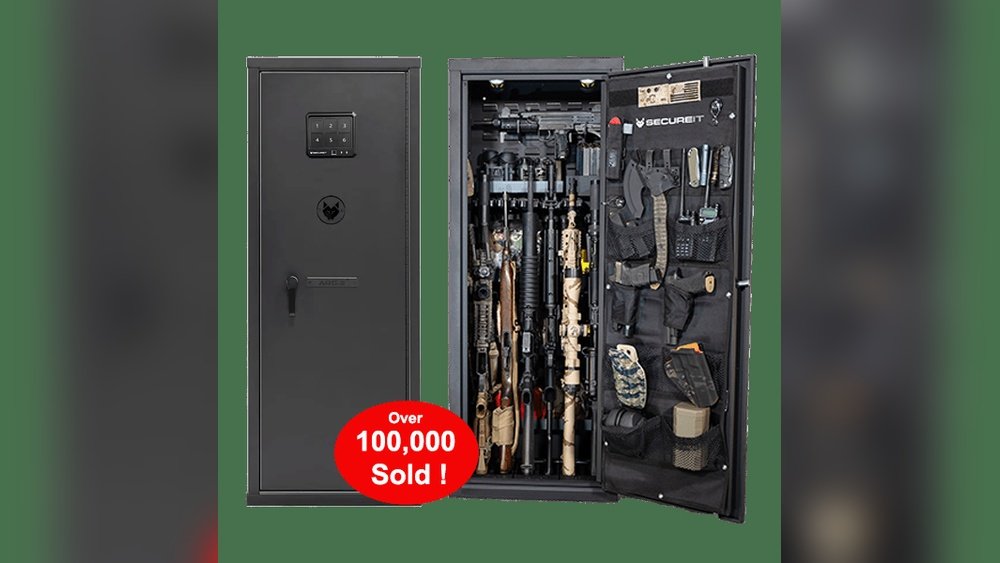
When it comes to owning a rifle, safety isn’t just important—it’s essential. You want to keep your rifle secure, away from accidents or unauthorized access.
But what exactly makes a rifle safe secure? Is it just about locking it up, or is there more you should know? You’ll discover the key features and steps that can protect your rifle and give you peace of mind.
Keep reading to learn how to make your rifle safe truly safe and secure.
Essential Safety Mechanisms
Essential safety mechanisms keep rifles secure and prevent accidents. These features work together to control when the gun fires. They add layers of protection for users and others nearby.
Understanding these mechanisms helps users handle rifles more responsibly. Each part plays a key role in safe firearm use.
Manual Safety Switch
The manual safety switch stops the trigger from moving. It locks the firing mechanism until released by the user. This switch helps avoid accidental shots. Most rifles have this feature for easy control. Users should always engage the manual safety when not shooting.
Trigger Safety
Trigger safety prevents the rifle from firing unless the trigger is pulled correctly. It blocks the trigger if pressed from the side or bumped. This feature reduces accidental discharges caused by jolts or slips. It adds an extra step to ensure the gun fires only on purpose.
Drop Safety Features
Drop safety features stop the rifle from firing if dropped. Internal parts lock the firing pin or hammer in place. This prevents accidental firing from sudden impacts. Drop safety is crucial for carrying rifles safely. It protects users in unexpected situations.
Durable Locking Systems
Durable locking systems are key to making a rifle safe secure. These systems prevent unauthorized access and ensure the rifle stays in place. Strong locks resist tampering and wear over time. They give peace of mind by keeping the firearm locked and protected.
Bolt Locking Design
Bolt locking designs secure the rifle by locking the bolt in place. This stops the rifle from being fired or loaded. The bolt lock is strong and hard to force open. It keeps the action of the rifle firmly closed, adding safety.
Chamber Locks
Chamber locks block the rifle’s chamber, where the bullet sits. This prevents loading or firing. The lock fits tightly to stop any movement inside the chamber. It is a simple way to make sure the rifle cannot be used.
Magazine Locks
Magazine locks secure the magazine, which holds the bullets. They stop the magazine from being removed or inserted easily. This reduces the risk of accidental firing. A locked magazine adds an extra layer of safety to the rifle.
Quality Materials And Construction
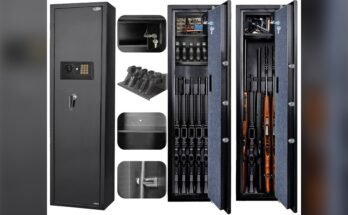
Quality materials and strong construction make a rifle safe secure. They protect the contents from damage and theft. Good materials also help the safe last for many years. The design must resist force and wear. Durable parts keep the safe working properly over time.
Corrosion-resistant Metals
Metals that resist rust and corrosion keep the safe strong. Steel is a common choice because it is tough and long-lasting. Special coatings can add extra protection against moisture. This stops the metal from weakening or breaking down. A safe with corrosion-resistant metals stays reliable in all climates.
Reinforced Polymer Components
Some parts use reinforced polymers for added strength and lightness. These plastics resist impact and do not rust. They also help reduce the overall weight of the safe. Reinforced polymers add durability without making the safe too heavy. This balance makes the safe easier to handle and keeps it secure.
Secure Storage Options
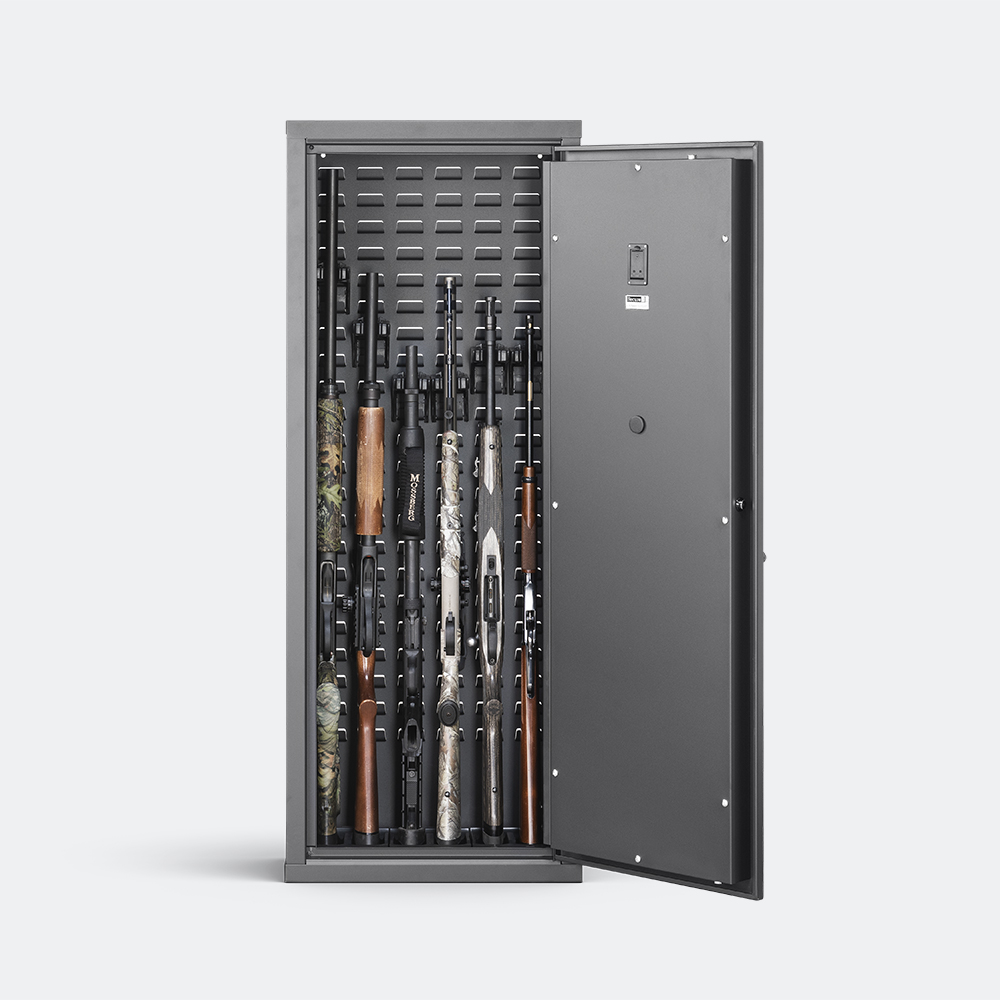
Secure storage options keep rifles safe from theft and accidents. Proper storage stops unauthorized use and protects your firearms. Choosing the right storage method adds a strong layer of security. It also helps you follow safety rules easily.
Built-in Locking Cases
Built-in locking cases offer solid protection for rifles. These cases have locks that prevent unwanted access. They come in hard or soft styles for easy transport. Most cases use keys or combination locks for security. They also protect rifles from dust and damage during storage. These cases are ideal for short or long-term storage needs.
Cable And Trigger Locks
Cable and trigger locks are simple but effective tools. They stop rifles from being loaded or fired. Cable locks thread through the action or barrel to block use. Trigger locks clamp around the trigger to prevent pulling. Both types are easy to install and remove. They are affordable and provide an extra safety step. These locks work well combined with other storage methods.
Ergonomic Design For Safe Handling
Ergonomic design plays a key role in safe rifle handling. It helps users control the rifle better. This reduces the chance of accidents. A well-designed rifle fits comfortably in your hands. It feels natural to hold and use. This section explores two important ergonomic features for safety.
Non-slip Grips
Non-slip grips prevent the rifle from slipping out of your hands. They provide a firm hold even in wet or sweaty conditions. This grip ensures the rifle stays steady during use. It lowers the risk of accidental drops. Rubber or textured surfaces often create these grips. They improve control and confidence while handling the rifle.
Balanced Weight Distribution
Balanced weight distribution makes the rifle easier to hold and aim. It prevents strain on your arms and shoulders. When weight is spread evenly, the rifle feels lighter. This balance helps you keep steady shots. It also reduces fatigue during long periods of use. A well-balanced rifle supports safer and more accurate handling.

Maintenance And Inspection Features
Maintenance and inspection features are key to keeping a rifle safe and reliable. Regular checks ensure the firearm works correctly and reduces risks. Easy maintenance helps users clean and inspect the rifle often. Simple inspection features help spot problems fast. These features make handling the rifle safer for everyone.
Easy Disassembly
Rifles with easy disassembly allow quick cleaning and repair. Users can take apart the rifle without special tools. This saves time and effort. Easy disassembly also helps in finding worn parts. A clean rifle performs better and is less likely to malfunction. Simple designs encourage regular maintenance.
Visible Chamber Indicators
Visible chamber indicators show if a rifle is loaded or empty. This feature helps avoid accidental firing. Users can check the chamber without opening the rifle. It adds a layer of safety during handling and storage. Clear indicators reduce confusion and boost confidence in safe use.
Frequently Asked Questions
What Features Ensure A Rifle Safe Is Secure?
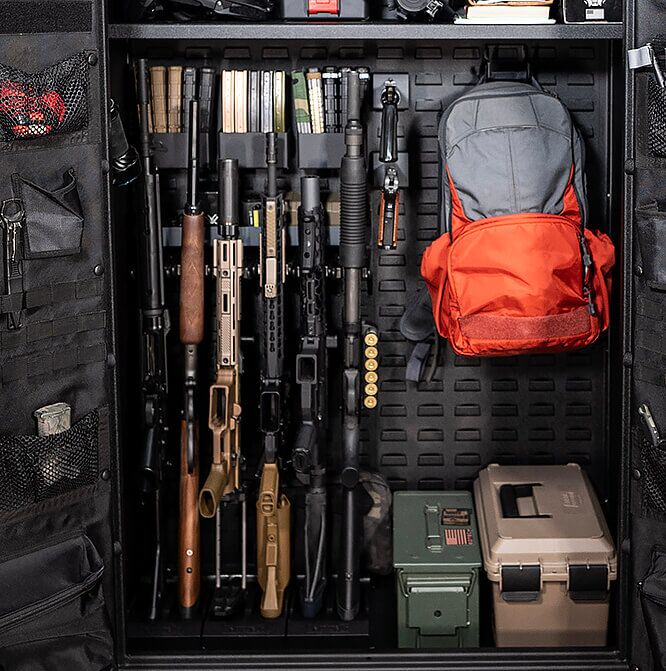
A rifle safe is secure with solid steel construction, reliable locking mechanisms, and tamper-proof design. It should include reinforced doors and pry-resistant hinges for added protection.
How Important Is The Locking System In A Rifle Safe?
The locking system is crucial for security. High-quality safes use biometric, electronic, or combination locks to prevent unauthorized access and ensure quick, safe retrieval.
Why Is Fire Resistance Vital For A Rifle Safe?
Fire resistance protects firearms and ammunition during a fire. It ensures internal temperatures stay low, preventing damage and preserving the safe’s contents.
Can A Rifle Safe Prevent Unauthorized Access Effectively?
Yes, a properly designed rifle safe prevents unauthorized access. It combines strong materials, advanced locks, and secure mounting to deter theft and misuse.
Conclusion
A safe, secure rifle protects people and property. Strong locks and sturdy storage keep rifles away from harm. Proper handling and regular checks reduce accidents. Always store rifles unloaded and in locked cases. Trustworthy security builds peace of mind for owners.
Safety is not just rules but careful habits. Remember, a secure rifle means safer homes and communities. Simple steps make a big difference every day. Stay responsible and keep safety first.


2 Comments on “What Makes a Rifle Safe Secure? Key Features You Must Know”