If you’re someone who stores ammo at home, you probably wonder: Are gun safes really safe for your ammo in the long run? You want to protect your investment, keep your ammo reliable, and avoid any costly damage.
But not all safes are created equal when it comes to preserving ammunition. You’ll discover what makes a gun safe good—or bad—at keeping your ammo in top condition over time. Keep reading to learn how to make the best choice for your safety and peace of mind.
Ammo Storage Basics
Proper ammo storage is key for keeping ammunition safe and effective. Ammo can last a long time if stored correctly. Understanding the basics helps you protect your investment and ensures safety. Moisture, temperature, and container type all matter. This section explains the main points of ammo storage.
Types Of Ammunition
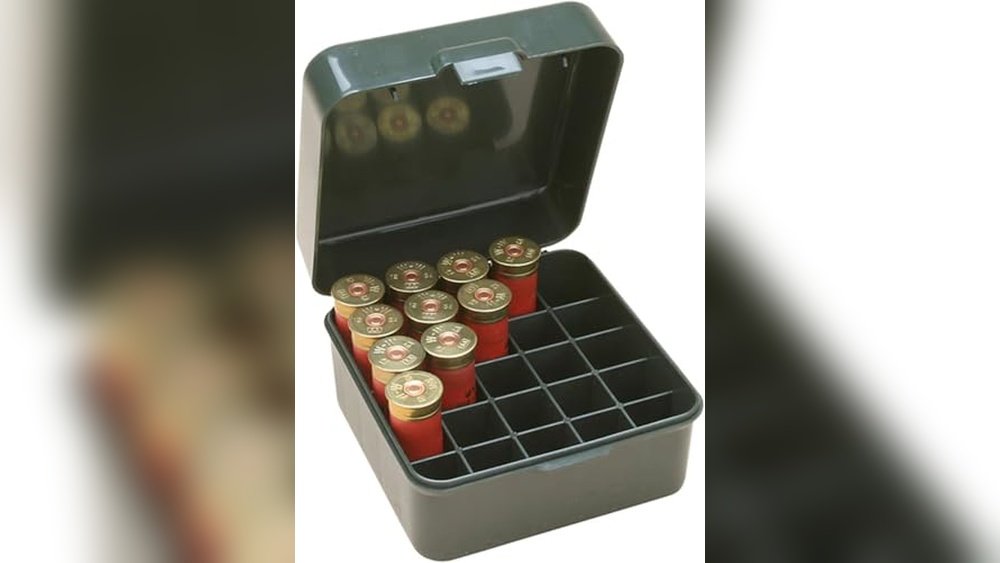
Ammunition comes in many forms: pistol, rifle, shotgun, and specialty rounds. Each type has different uses and storage needs. Pistol and rifle ammo often use brass or steel cases. Shotgun shells include plastic and paper. Specialty ammo may contain unique materials that affect shelf life. Knowing your ammo type helps in choosing the right storage method.
Factors Affecting Ammo Longevity
Ammo lasts longer in dry, cool places. High humidity can cause corrosion and damage primers. Extreme heat can degrade powder and reduce power. Air-tight containers help block moisture and oxygen. Avoid storing ammo in garages or basements with temperature swings. Regularly check stored ammo for signs of rust or damage. Proper storage extends ammo life and keeps it reliable.
Role Of Gun Safes In Ammo Protection
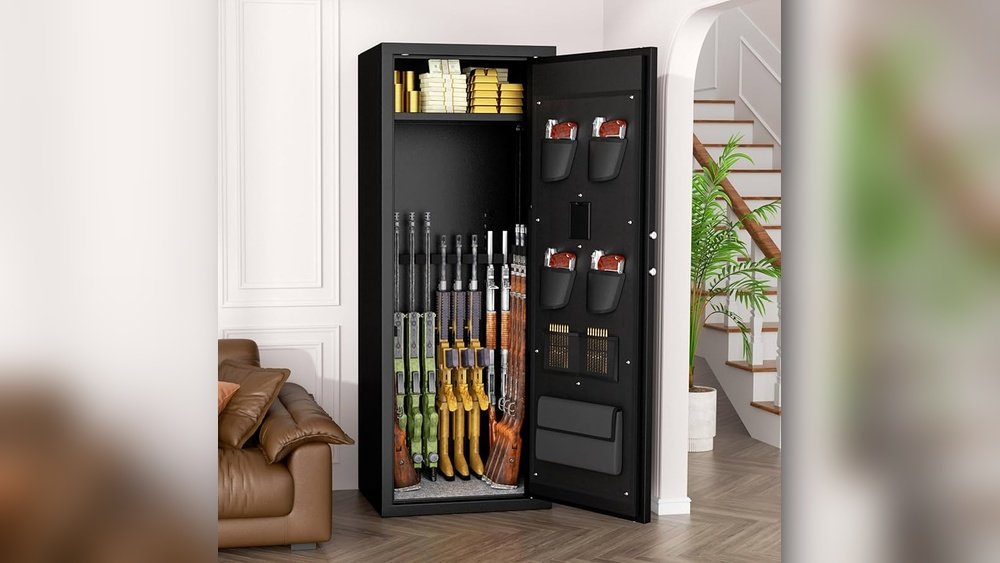
Gun safes provide a secure place to store ammunition safely. They protect ammo from theft and damage. A good gun safe also helps keep ammo dry and clean. This extends the life of the ammunition. Proper storage lowers the risk of accidents and keeps your home safer.
Storing ammo in a gun safe controls many factors that affect its condition. Security and environment are key to long-term preservation. Understanding these features helps you choose the right safe for your ammo.
Security Features
Gun safes have strong locks to prevent unauthorized access. Many use combination or electronic locks for added safety. Thick steel walls protect against break-ins. Some safes come with fire-resistant ratings to shield ammo from heat. These features keep ammo secure from theft and damage. A secure safe gives peace of mind.
Environmental Controls
Ammo needs a dry, stable environment to stay good. Gun safes often have seals to keep out moisture and dust. Some include built-in humidity control or allow room for desiccants. These controls prevent rust and corrosion on bullets and casings. Temperature changes inside safes are usually mild, reducing risk of ammo degradation. Proper environment inside a safe helps ammo last longer and stay reliable.
Common Risks Inside Gun Safes
Gun safes protect firearms well, but ammo stored inside faces certain risks. Ammo can lose quality or become unsafe over time. Understanding common risks helps keep ammo safe and functional. These risks mainly involve moisture, temperature, and corrosion issues. Each factor affects ammo differently and needs attention.
Moisture And Humidity
Moisture is the biggest threat to ammo inside gun safes. High humidity can cause powder and primers to degrade. Damp air may lead to mold or rust on ammo casings. Ammo must stay dry to work properly. Using moisture absorbers or dehumidifiers inside the safe helps control humidity.
Temperature Fluctuations
Ammo reacts poorly to temperature changes. Rapid temperature swings cause condensation inside the safe. Condensation adds moisture, which damages ammo components. Consistent temperature keeps ammo stable and safe. Placing the safe in a cool, stable room reduces these risks.
Corrosion Concerns
Metal parts of ammo can corrode if exposed to moisture. Rust weakens casings and bullets, making ammo unsafe. Corrosion often starts unnoticed and worsens over time. Keeping the safe dry and clean prevents corrosion. Regular inspection of stored ammo ensures early detection of damage.
Expert Recommendations For Ammo Storage
Experts agree that proper ammo storage is key for safety and durability. Ammo can lose quality or become unsafe if stored poorly. Following expert tips helps keep ammo dry, stable, and ready for use. Safe storage extends ammo life and prevents accidents.
Storing ammo in a gun safe is common, but extra care is needed. Experts suggest combining good storage techniques with the right tools. This section covers top recommendations for long-term ammo care.
Best Practices For Long-term Storage
Keep ammo in a cool, dry place inside the safe. Avoid areas with high heat or sunlight. Store ammo in original packaging or airtight containers to reduce exposure to air. Label containers with dates to track storage time. Rotate stock by using the oldest ammo first.
Do not store ammo near chemicals or fuels. These can cause corrosion or damage. Use metal or plastic containers that seal tightly. Place containers off the floor to avoid moisture. Check ammo regularly for signs of rust or damage.
Use Of Desiccants And Dehumidifiers
Moisture is the main enemy of stored ammo. Desiccants absorb moisture inside containers or safes. Silica gel packets are popular and easy to use. Replace desiccants when they become saturated to keep them effective.
Dehumidifiers help control humidity in gun safes. Electric or rechargeable units maintain low moisture levels. This prevents rust and corrosion on ammo and firearms. Use both desiccants and dehumidifiers together for best results.
Comparing Gun Safes With Other Storage Options
Storing ammunition safely and for a long time is very important. There are many options to keep ammo secure and fresh. Gun safes are popular, but other storage methods also work well. Comparing these helps find the best choice for your needs.
Each storage option offers different benefits and risks. Consider how each protects ammo from moisture, heat, and damage. Also, think about ease of access and space.
Ammo Cans And Containers
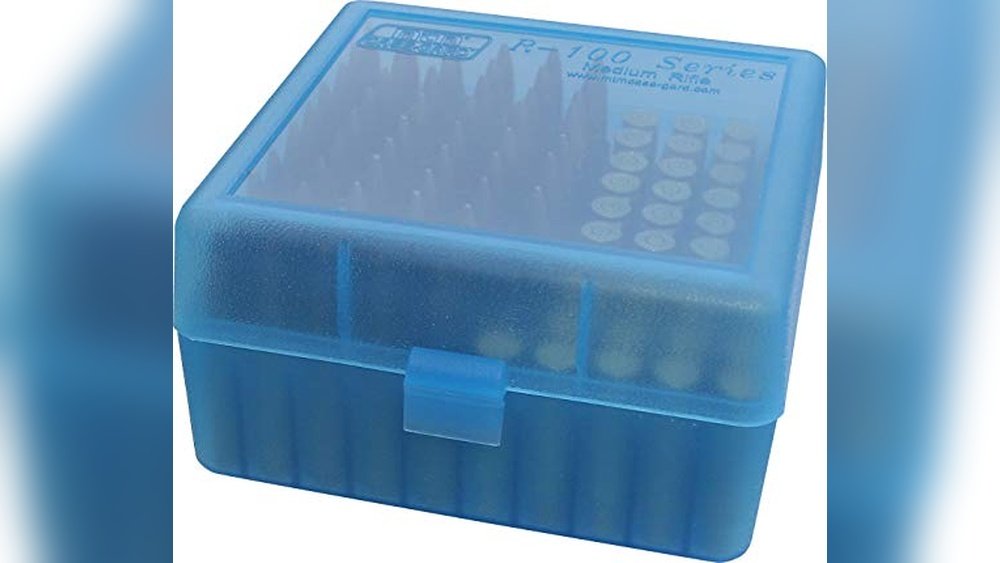
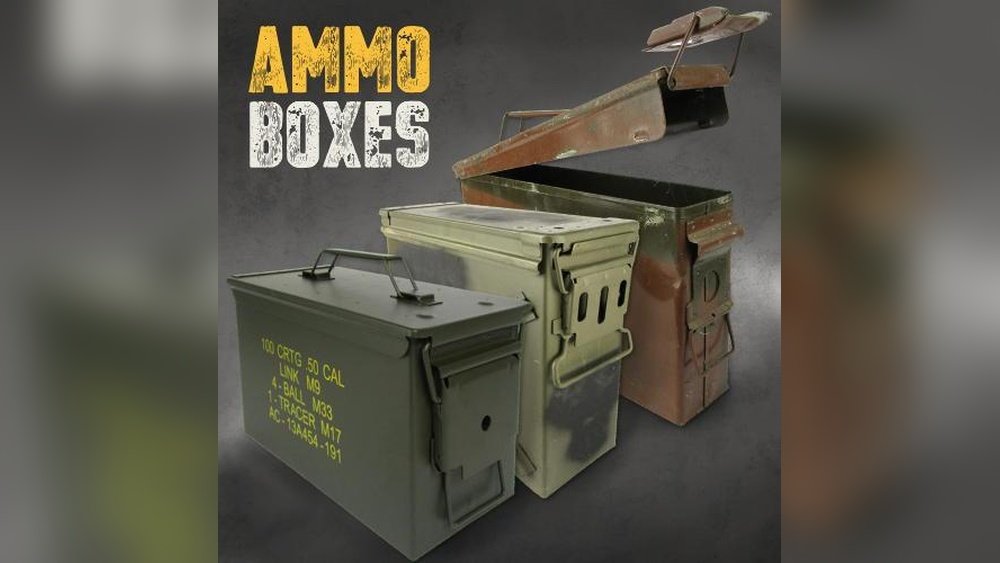
Ammo cans are metal boxes made to hold ammunition. They seal tightly to stop moisture and dirt. These cans are strong and protect ammo from damage. They are easy to carry and stack for storage.
Ammo cans are affordable and common for many shooters. They keep ammo dry and safe for years. But, they do not lock, so they may not stop theft.
Specialized Ammo Cabinets
Ammo cabinets are made just for storing ammunition. They often have locking doors and metal shelves. These cabinets protect ammo from kids and theft better than cans.
They control temperature and humidity better than simple containers. Cabinets can hold large amounts of ammo in one place. They cost more but add security and organization.
Maintenance Tips For Ammo In Safes
Keeping ammunition safe and in good condition requires regular care. Proper maintenance helps prevent damage and ensures the ammo works when needed. A few simple steps can extend the life of your ammo inside a gun safe.
Regular Inspections
Check your ammo at least once every few months. Look for signs of rust, corrosion, or moisture. Remove any damaged rounds immediately to avoid risks. Keep an eye on the safe’s humidity levels. Use a hygrometer to monitor moisture inside the safe.
Inspect the safe’s seals and locks too. Damaged seals can let moisture in. Make sure everything closes tightly and works smoothly.
Safe Cleaning And Upkeep
Keep the inside of the safe clean and dry. Use a soft cloth to wipe away dust and dirt. Avoid harsh chemicals that can harm the metal or ammo. Place silica gel packs or moisture absorbers inside the safe. Replace these regularly to keep humidity low.
Check the safe’s interior for rust spots or mold. Treat any problems immediately to protect the ammo. Clean the safe’s exterior to prevent rust and damage. A well-maintained safe helps keep your ammo in top shape.

Frequently Asked Questions
Are Gun Safes Good For Long-term Ammo Storage?
Gun safes provide a secure environment that protects ammo from theft and damage. They maintain stable temperature and humidity, essential for preserving ammo quality over time.
How Does Humidity Affect Ammo In Gun Safes?
High humidity can cause corrosion and degrade gunpowder. Quality gun safes with moisture control prevent rust, ensuring ammo stays reliable and safe during long-term storage.
Can Temperature Fluctuations Harm Ammo In Safes?
Frequent temperature changes can cause condensation inside safes. A well-insulated safe minimizes these fluctuations, protecting ammo from moisture damage and preserving its effectiveness.
Should I Use A Dehumidifier In My Gun Safe?
Yes, a dehumidifier or desiccant packs help control moisture. They prevent rust and keep ammunition dry, especially in humid environments or long-term storage situations.
Conclusion
Gun safes can protect ammo well if kept dry and cool. Choose safes with good seals to stop moisture inside. Check your ammo often for signs of rust or damage. Keep your safe away from heat sources. Proper storage helps ammo last longer and stay safe.
Remember, not all safes are equal, so pick one made for ammo. Safe storage means safer use later. Simple steps keep your ammo ready when you need it.