Transporting ammo safely is more important than you might think. Whether you’re heading to the shooting range, going hunting, or moving your collection, how you carry your ammunition can make a big difference.
You want to protect yourself, others, and your ammo from damage or accidents. You’ll discover simple but effective tips to handle your ammo with care every time. Keep reading to learn how to keep your ammo secure, legal, and ready to use whenever you need it.
Legal Requirements
Transporting ammunition requires careful attention to legal rules. These rules protect everyone’s safety. Knowing the laws helps avoid fines and legal trouble. Laws can vary widely by location. Understanding these rules is the first step to safe transport.
Federal Regulations
The federal government sets basic rules for ammo transport. The Bureau of Alcohol, Tobacco, Firearms and Explosives (ATF) enforces these laws. Ammunition must be stored safely during transport. Keep ammo separate from firearms. Use original packaging or a strong container. Follow rules about quantity limits and transport methods. These rules apply across all states.
State And Local Laws
Each state may have extra rules for ammo transport. Some states require locked containers. Others restrict ammo types or amounts. Local cities or counties can add their own rules. Always check the laws of your route and destination. Ignoring local laws can cause serious penalties. Contact local law enforcement for clear guidance.
Transport Permits
Some states need special permits to carry ammo. Permits may depend on the ammo type or quantity. Applying for a permit usually takes time. Keep the permit with you during transport. Without proper permits, legal problems can occur. Verify permit requirements before traveling with ammunition.
Choosing The Right Container
Choosing the right container is key for safe ammo transport. The container protects the ammo from damage and keeps it secure. Not all containers work the same. Picking one with the right features makes a big difference. Focus on durability, size, and protection against elements. Each factor helps keep ammo safe and ready for use.
Ammo Boxes And Cases
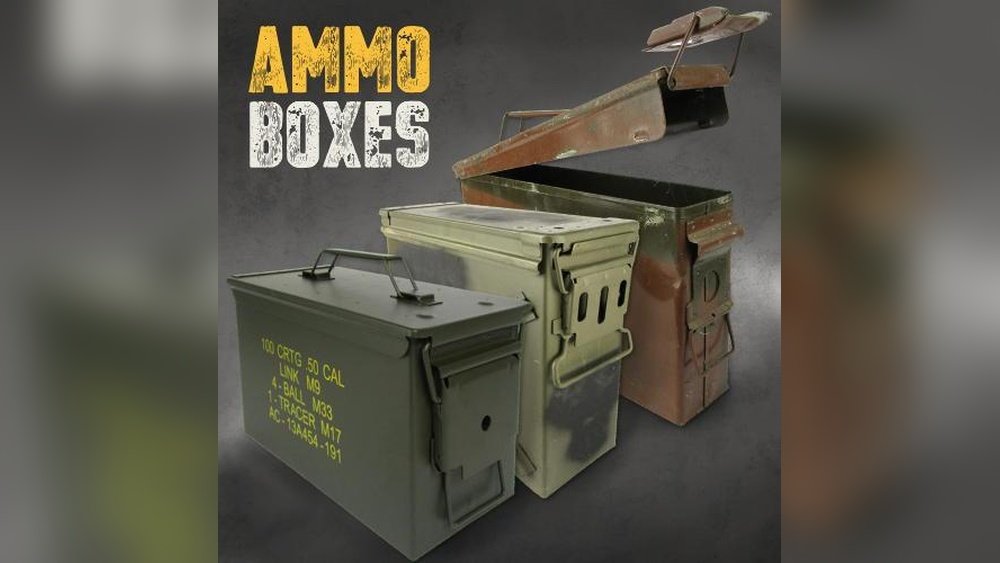
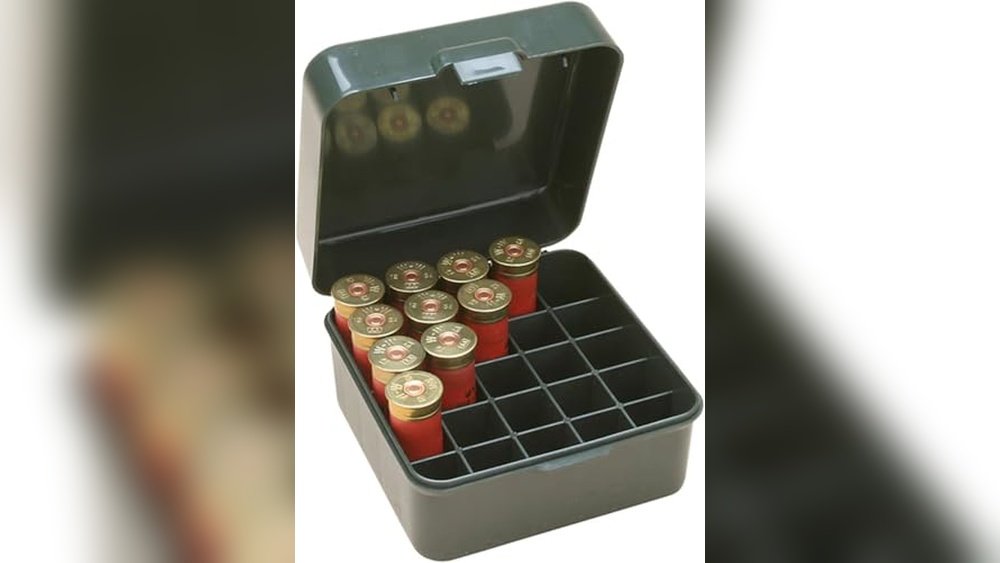
Ammo boxes and cases come in many shapes and sizes. Metal boxes are strong and often have tight seals. Plastic cases can be lighter and easier to carry. Some cases have foam inserts to keep ammo from moving. Choose a box that fits your ammo type and quantity. A snug fit prevents rattling and damage during transport.
Impact Resistance
Impact resistance means the container can handle drops and bumps. Look for containers made from tough materials like steel or high-quality plastic. Thick walls and reinforced corners add extra protection. Impact-resistant containers reduce the risk of dents and cracks. This keeps your ammo safe even on rough roads.
Waterproofing Features
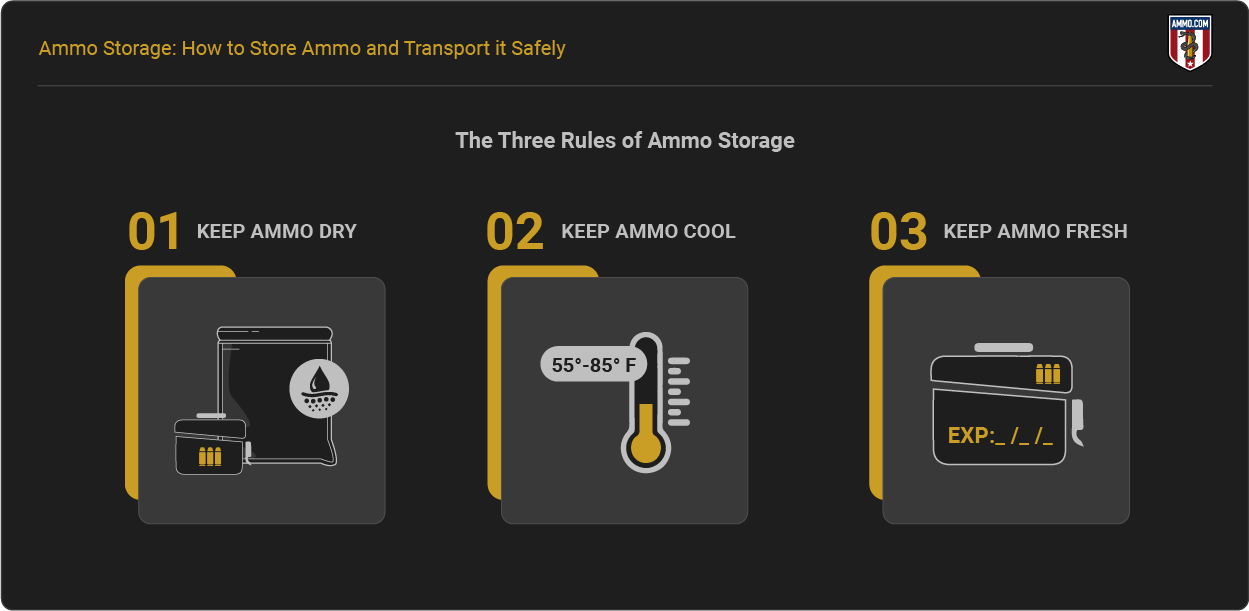
Waterproof containers keep moisture away from your ammo. Moisture can cause corrosion and damage bullets. Look for containers with rubber gaskets or seals. These stop water from getting inside. Some boxes are tested to be waterproof under certain conditions. Keeping ammo dry helps maintain its quality and safety.
Packaging Ammo For Transport
Packaging ammo for transport is a key step to ensure safety. Proper packaging prevents damage and reduces risk during travel. This section covers essential tips for packing ammunition securely.
Separation From Firearms
Always keep ammo separate from firearms. Use different containers or compartments. This avoids accidental loading or discharge. Separate storage helps in quick checks and reduces confusion.
Use Of Padding Materials
Wrap ammo boxes with padding materials like foam or bubble wrap. Padding stops movement inside the container. It protects bullets from impact and vibration. Use sturdy boxes to hold the padding and ammo firmly.
Labeling Containers
Label ammo containers clearly with contents and handling instructions. Use simple, visible labels on all sides. Proper labels help in quick identification and safe handling. Avoid handwritten labels that may smudge or fade.
Safe Vehicle Storage
Transporting ammunition in a vehicle needs care and attention. Safe vehicle storage helps prevent accidents and damage. Proper storage keeps ammo secure and stable during travel. Below are key points to follow for safe vehicle storage.
Secure Placement
Place ammo in a locked container or box. Keep it away from passengers and driver. Store ammo low in the vehicle to avoid movement. Secure the container to stop it from sliding. This reduces risk during sudden stops or turns.
Temperature Considerations
Ammunition reacts to extreme heat and cold. Avoid leaving ammo in direct sunlight or hot areas. High temperatures can cause ammo to become unstable. Cold weather may affect performance but is less risky. Store ammo in a shaded, cool part of the vehicle.
Avoiding Hazardous Areas
Do not store ammo near fuel or chemicals. Keep it away from areas prone to impact or fire. Avoid placing ammo where it can get crushed or damaged. Check the vehicle for sharp objects that could puncture the container. Choose a safe spot that minimizes risks on the road.
Handling Precautions
Handling ammunition with care is essential for safe transport. Proper precautions reduce risks and protect everyone. Follow key steps to manage ammo safely during travel.
Avoiding Rough Handling
Handle ammo boxes gently to prevent damage. Dropping or shaking can cause cartridges to misfire. Use padded containers and avoid stacking heavy items on top. Secure ammo firmly to stop movement in vehicles.
Minimizing Exposure To Heat
Store ammo away from direct sunlight and heat sources. High temperatures can weaken primers and powder inside cartridges. Keep ammo in cool, dry places during transport. Avoid leaving it in hot cars for long periods.
Preventing Static Discharge
Static electricity can ignite gunpowder in rare cases. Use anti-static bags or containers when moving ammo. Touch metal parts of your vehicle to discharge static before handling ammo. Avoid synthetic clothing that creates static buildup.

Emergency Preparedness
Emergency preparedness is critical when transporting ammunition. Accidents can happen anytime. Being ready helps reduce risks and protect everyone involved. Planning and safety measures must be clear and simple. This ensures quick action during any emergency.
Fire Safety Measures
Keep a fire extinguisher nearby. Use one rated for flammable liquids and electrical fires. Store ammo away from heat sources and open flames. Avoid smoking near ammunition. Transport ammo in a cool, ventilated area. Check your vehicle’s fire safety equipment before travel.
First Aid For Accidents
Know basic first aid for burns and wounds. Carry a first aid kit in your vehicle. Include bandages, antiseptics, and burn cream. Stay calm if an accident happens. Stop bleeding and call for help immediately. Keep injured persons still and comfortable.
Emergency Contact Information
Keep emergency phone numbers handy. Include local fire department, police, and poison control. Share your travel plans with someone you trust. Have a charged phone for quick access. Know your exact location for faster help. Always be ready to give clear information.
Best Practices For Long-distance Transport
Transporting ammunition over long distances requires careful planning. Safety must remain the top priority throughout the journey. Following best practices helps prevent accidents and legal issues. Proper handling ensures the ammo stays secure and intact.
Long trips can bring unexpected challenges. Preparing for these with the right methods keeps the process smooth. Focus on regular checks, secure storage, and accurate documentation. These steps build a safe and compliant transport routine.
Regular Inspections
Check your ammunition frequently during stops. Look for damage, corrosion, or leaks in the packaging. Inspect the storage container for any signs of wear or weakness. Early detection of problems avoids bigger risks later. Keep a small flashlight and gloves handy for thorough checks.
Secure Storage During Stops
Always lock ammunition in a sturdy container during breaks. Use a vehicle’s trunk or a lockbox that cannot be easily opened. Avoid leaving ammo visible inside the car. Choose safe locations for stops, away from crowds and direct sunlight. Never leave ammo unattended outside the vehicle.
Documentation And Records
Carry all necessary paperwork related to your ammunition. Include purchase receipts, transport permits, and any legal documents required. Keep these documents in a waterproof folder or case. Being ready to show proof helps avoid legal trouble. Maintain a list of the ammo types and quantities for easy reference.

Frequently Asked Questions
How Should I Package Ammo For Safe Transport?
Use sturdy, sealed containers designed for ammunition. Keep ammo dry and secure to prevent damage or accidental discharge. Avoid mixing calibers and store in original packaging when possible.
Can I Transport Ammo In My Car Trunk?
Yes, transporting ammo in the car trunk is safe and legal in most areas. Ensure it is in a secure container, away from heat sources, and separated from firearms.
What Legal Restrictions Apply To Ammo Transportation?
Ammo transport laws vary by state and country. Check local regulations before travel. Some places require ammo to be unloaded and stored separately from firearms.
Is It Safe To Transport Ammo With Firearms Together?
Transporting ammo separately from firearms is safer and often legally required. Keep ammo in a locked container, distinct from firearms, to reduce accident risks.
Conclusion
Transporting ammo safely protects you and others on the road. Always use a secure container designed for ammunition. Keep ammo separate from firearms during transport. Check local laws to avoid legal trouble. Handle ammo gently to prevent damage or accidents.
Stay alert and focused while driving with ammo. Following these steps helps ensure a safe trip every time. Safety matters most when moving ammunition. Simple actions make a big difference. Stay responsible and keep your ammo secure.