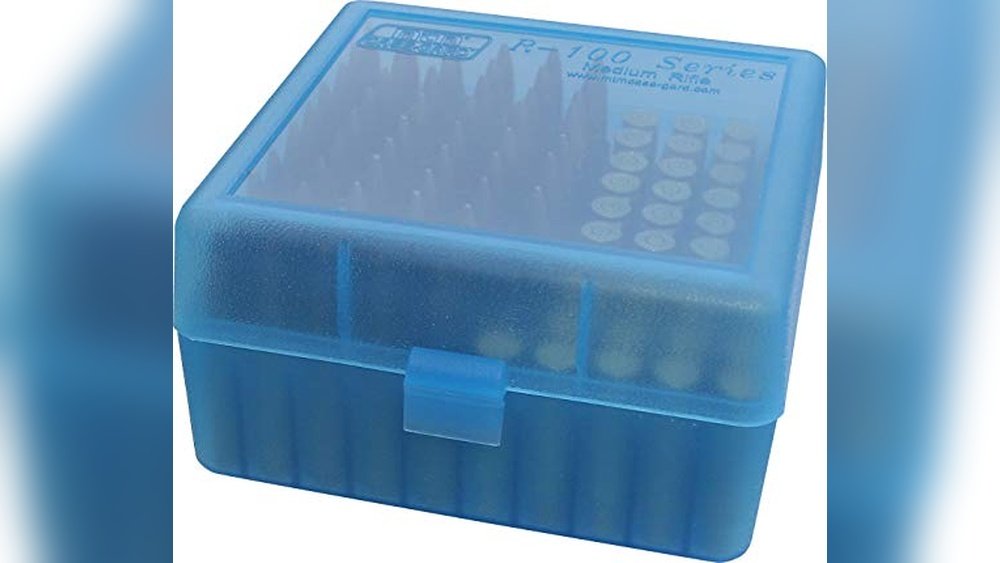
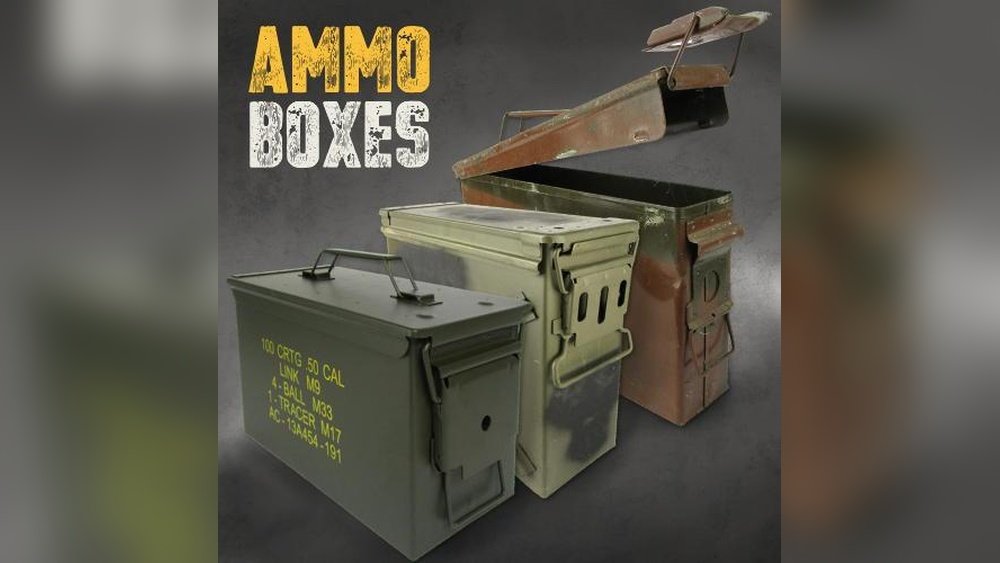
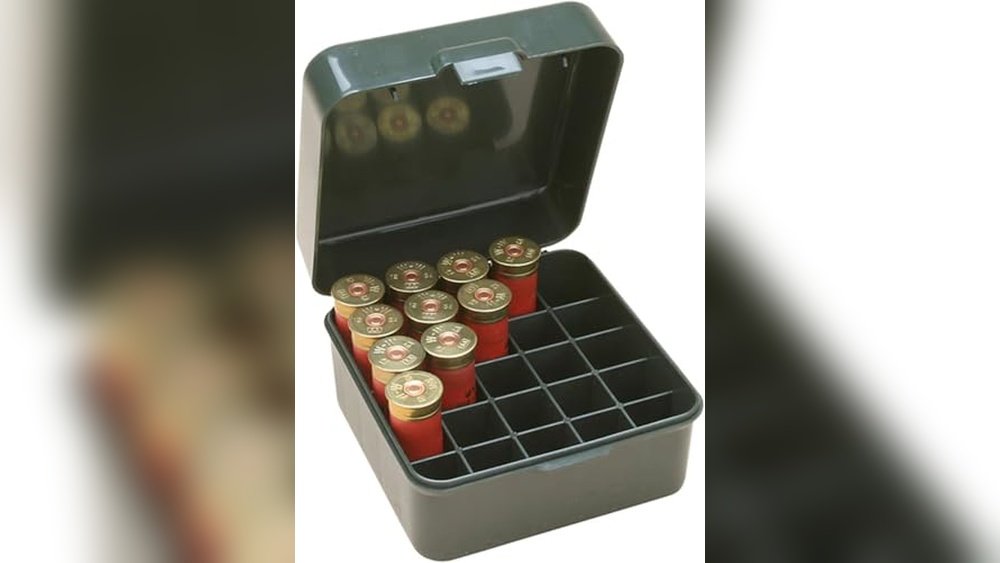
Storing ammo safely is more than just putting it away—it’s about keeping track of what you have and making sure it’s ready when you need it. If you don’t label your ammo correctly, you could waste time searching or, worse, use the wrong rounds.
You want a simple, clear system that saves you effort and keeps you confident in your gear. You’ll discover easy steps to label your ammo for storage the right way. By the end, you’ll have a foolproof method that keeps your ammo organized, accessible, and safe.
Keep reading to learn how to take control of your ammo storage today.
Choosing The Right Labels
Choosing the right labels for ammo storage is crucial. Proper labels help keep track of ammo types and dates easily. Clear labels prevent confusion and enhance safety. The right label lasts long and stays readable under different conditions.
Durable Materials For Labels
Choose labels made from strong materials. Vinyl and polyester labels resist tearing and peeling. Paper labels wear out quickly and are not ideal. Durable labels hold up well in cool, dry, or humid storage. They keep the information clear for years.
Waterproof And Smudge-resistant Options
Waterproof labels protect writing from moisture and spills. Smudge-resistant ink stops fading and rubbing off. These labels work well in damp or oily environments. They ensure the text stays legible even if the container gets wet. This prevents mistakes when selecting ammo.
Label Size And Visibility
Pick label sizes that fit your ammo boxes or containers. Labels should be big enough to read easily at a glance. Use bold fonts and clear colors for better visibility. Small labels with tiny text cause frustration and errors. Proper size and visibility save time and improve organization.
Key Information To Include
Labeling ammo for storage helps keep your collection organized and safe. Clear labels make it easy to find the right ammo fast. Proper labels also help track important details about each batch. This section covers the key information to include on every ammo label.
Caliber And Ammunition Type
Start your label with the caliber of the ammo. This number shows the size of the bullet or shell. Write it clearly, like “9mm” or “.223 Remington.” Next, add the type of ammunition. For example, “FMJ” means full metal jacket. Or “Hollow Point” means a bullet designed to expand on impact. This info helps identify the ammo quickly and safely.
Manufacture Date And Lot Number
Include the manufacture date on the label. This helps you track how old the ammo is. Ammo can last many years but storing the oldest first is wise. Also, write the lot number if available. The lot number links the ammo to a specific production batch. This detail is useful if there are recalls or quality questions.
Quantity And Storage Location
Note the exact quantity of rounds in each container. This prevents mistakes when grabbing ammo for use. Also, add the storage location on the label. For example, “Shelf A, Box 3.” This helps you find and return ammo quickly. Clear location info keeps your storage system neat and efficient.
Labeling Techniques
Labeling ammo correctly is vital for safe and organized storage. Clear labels help identify the type, caliber, and date of purchase. This prevents confusion and ensures you use the oldest stock first. Choosing the right labeling technique improves visibility and durability.
Handwritten Vs Printed Labels
Handwritten labels are quick and easy. Use a permanent marker for clear writing. They work well for small collections or temporary storage. Printed labels look neat and professional. Use a label maker or printer for consistency. Printed text is easier to read from a distance. Both methods need waterproof paper or tape to last longer.
Using Color Codes
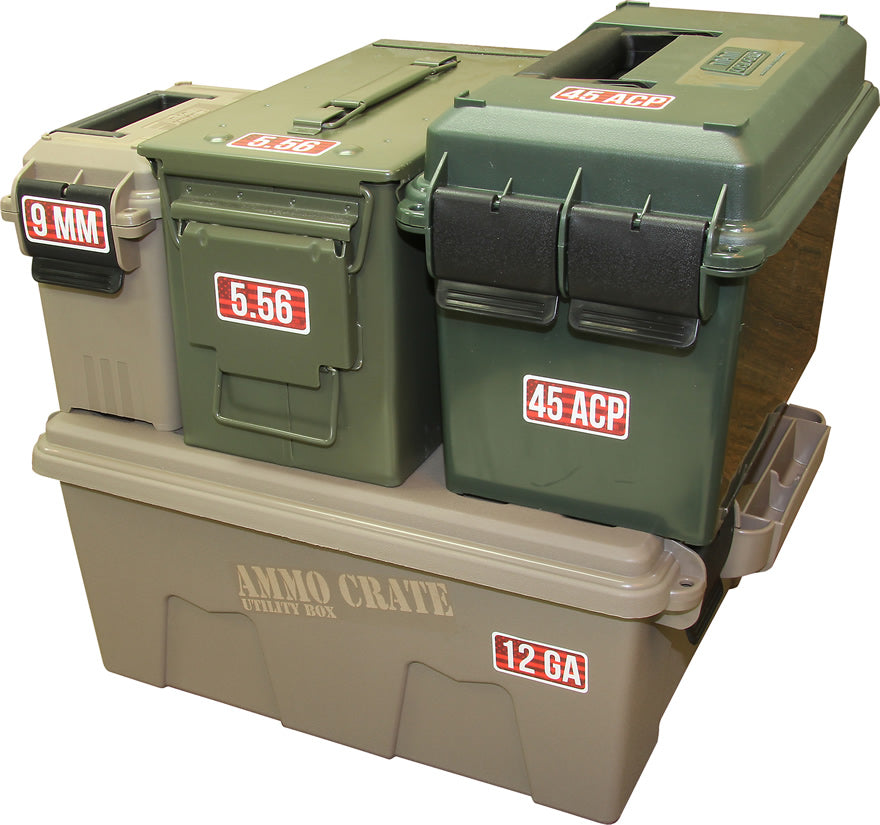
Color coding speeds up ammo identification. Assign colors to different calibers or dates. For example, red for 9mm, blue for .45 ACP. Use colored stickers or markers on labels. This visual aid saves time in finding ammo fast. Keep a color chart nearby to avoid confusion. Choose bright colors that stand out clearly.
Applying Labels To Containers
Place labels on the front or top of containers. Make sure the surface is clean and dry before applying. Smooth out any air bubbles to prevent peeling. Use strong adhesive labels or clear tape over paper labels. Avoid placing labels where they may rub off. Check labels regularly and replace if faded or damaged.
Storage Container Selection
Choosing the right storage container is key to keeping ammo safe and organized. The container must protect ammo from moisture, dust, and damage. Proper containers also help you sort and access ammo quickly. This section covers how to select and arrange ammo storage containers effectively.
Choosing Ammo-safe Containers
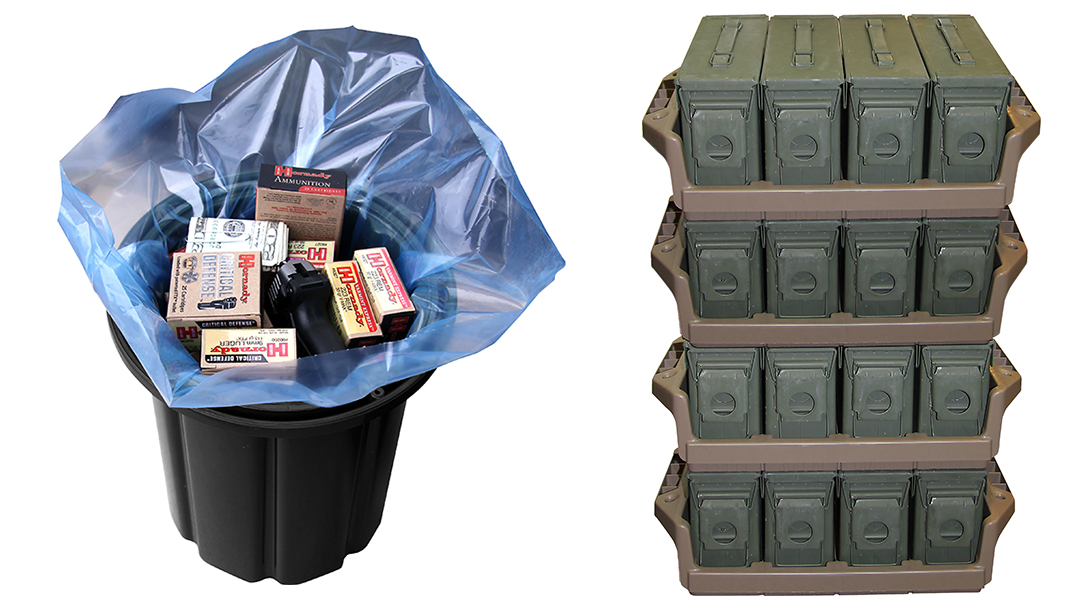
Pick containers made from strong, durable materials like metal or hard plastic. These keep ammo dry and secure. Look for airtight seals to stop moisture from entering. Avoid cardboard or thin plastic bags. They do not protect ammo well. Waterproof or corrosion-resistant containers work best for long-term storage.
Organizing By Category
Sort ammo by type, caliber, or date. Label each container clearly with this info. This helps find ammo fast and keeps it organized. Grouping similar ammo together also prevents mix-ups. Use separate boxes or compartments inside containers to keep categories apart.
Stacking And Accessibility
Stack containers carefully to save space but keep access easy. Place frequently used ammo at the top or front. Avoid overstacking heavy containers on fragile ones. Use shelves or racks to keep containers off the floor. This prevents moisture damage and improves airflow around your ammo.
Maintaining Label Integrity
Maintaining label integrity is key for safe and organized ammo storage. Clear labels help you identify ammo type and date quickly. Keeping labels readable avoids confusion and potential hazards. Small efforts can keep labels intact for years.
Avoiding Fading And Damage
Choose waterproof and fade-resistant labels. Use permanent markers or printed labels with strong ink. Store ammo in cool, dry places to prevent moisture damage. Avoid direct sunlight on labels to stop colors from fading.
Regular Inspection And Updates
Check labels every few months for wear or fading. Confirm all information is correct and easy to read. Update labels if ammo is moved or repacked. Regular checks prevent mistakes during use.
Replacing Worn Labels
Remove old, damaged labels carefully. Clean the surface before applying new labels. Use fresh, clear labels to ensure readability. Replace labels immediately if they show signs of wear.
Safety Considerations
Safety is the top priority when labeling ammo for storage. Proper labeling helps prevent accidents and keeps your ammunition in good condition. Clear labels reduce confusion and ensure quick identification during emergencies.
Keeping Ammo Away From Heat
Avoid storing ammo near heat sources like heaters or direct sunlight. High temperatures can damage the powder inside bullets. Heat can cause ammo to become unstable or even dangerous. Store ammo in cool, dry places to keep it safe and effective.
Secure Storage Practices
Use locked containers or safes to store ammunition. Keep ammo out of reach of children and unauthorized people. Label containers clearly with the type and date of ammo. This helps in quick checks and prevents mix-ups. Secure storage reduces the risk of theft and accidents.
Legal And Regulatory Compliance
Follow local laws for ammo storage and labeling. Some areas require specific containers or limits on quantity. Check regulations before buying or storing ammunition. Proper labeling can help during inspections or legal checks. Staying within the law keeps you safe and avoids fines.
Frequently Asked Questions
How Should I Label Ammo For Long-term Storage?
Use waterproof labels with clear ammo type, caliber, and purchase date. Include batch numbers and storage conditions for easy identification.
What Information Is Essential On Ammo Storage Labels?
Include caliber, manufacturer, production date, batch number, and storage location to track ammo easily and ensure safe handling.
Can I Use Color-coded Labels For Ammo Storage?
Yes, color-coded labels help quickly identify ammo types and calibers, improving organization and reducing mistakes during retrieval.
How Do I Keep Ammo Labels Readable Over Time?
Use durable, waterproof labels and permanent markers. Store ammo in a dry, cool place to prevent label damage.
Conclusion
Proper ammo labeling keeps your storage safe and organized. Clear labels help you find the right ammo fast. Write down important details like caliber and purchase date. Use durable tags or waterproof markers for lasting labels. Check labels often to keep information up to date.
Simple steps make ammo storage easier and safer. Stay careful and keep your ammo ready when needed. Good labeling protects your investment and peace of mind.