Are you worried about your ammo losing its power or reliability over time? You’re not alone.
Ammo deterioration can catch you off guard when you need it most. But the good news is, with a few simple steps, you can keep your ammunition in top shape for years. You’ll discover easy and effective ways to protect your ammo from damage, so you’re always ready and confident.
Keep reading to learn how to avoid ammo deterioration and make sure your rounds perform exactly when you need them.
Ammo Deterioration Causes
Ammo deterioration happens due to several common causes. Understanding these causes helps you keep your ammunition safe and reliable. Poor storage and environmental conditions play a big role in ammo damage. Let’s explore the main factors that lead to ammo deterioration.
Effects Of Moisture
Moisture is one of the biggest threats to ammo. Water can seep into cartridges and weaken the powder inside. Wet ammo may fail to fire or cause misfires. Even small amounts of moisture cause corrosion on metal parts. Keeping ammo dry is essential to prevent damage.
Temperature Fluctuations
Rapid changes in temperature harm ammunition. Heat can cause powder to degrade faster. Cold temperatures may cause condensation inside the ammo box. This condensation adds moisture, leading to rust and corrosion. Stable, cool storage prevents these problems.
Corrosion And Rust
Rust forms when metal parts contact water or humid air. Corrosion damages the casing and primer of cartridges. This damage can make ammo unsafe or unusable. Using sealed containers and rust inhibitors helps stop corrosion.
Impact Of Poor Handling
Dropping or rough handling can dent and crack ammo. Damaged cartridges may not fit properly in the gun. Mishandling can also break the primer, causing failures. Treat ammo carefully to maintain its quality and safety.
Storage Best Practices
Proper storage is key to keeping ammo safe and reliable. Ammo that sits in poor conditions can degrade fast. Moisture, heat, and air damage bullets and powder inside. Careful storage prevents rust, corrosion, and misfires. Follow these best practices to extend ammo life.
Choosing The Right Container
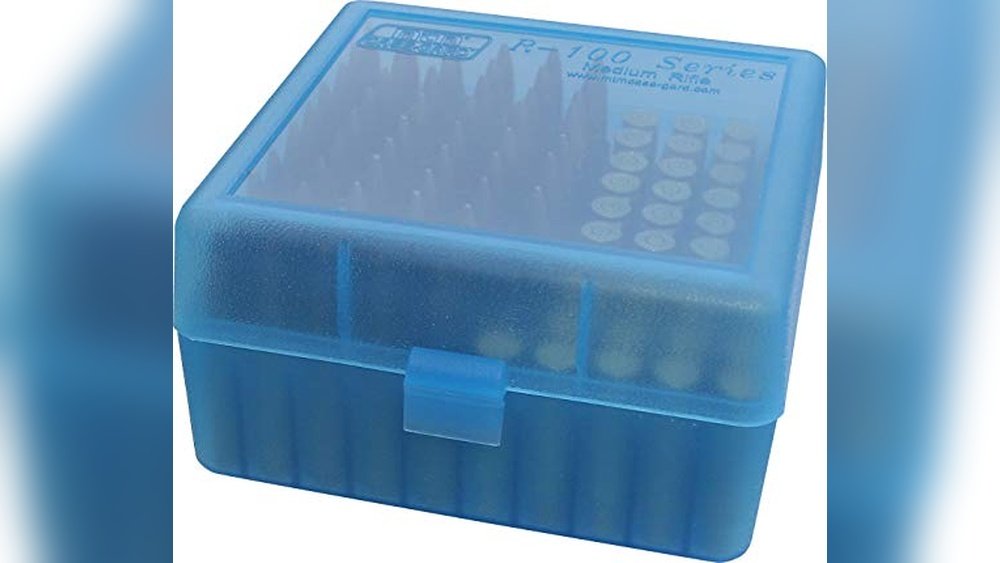
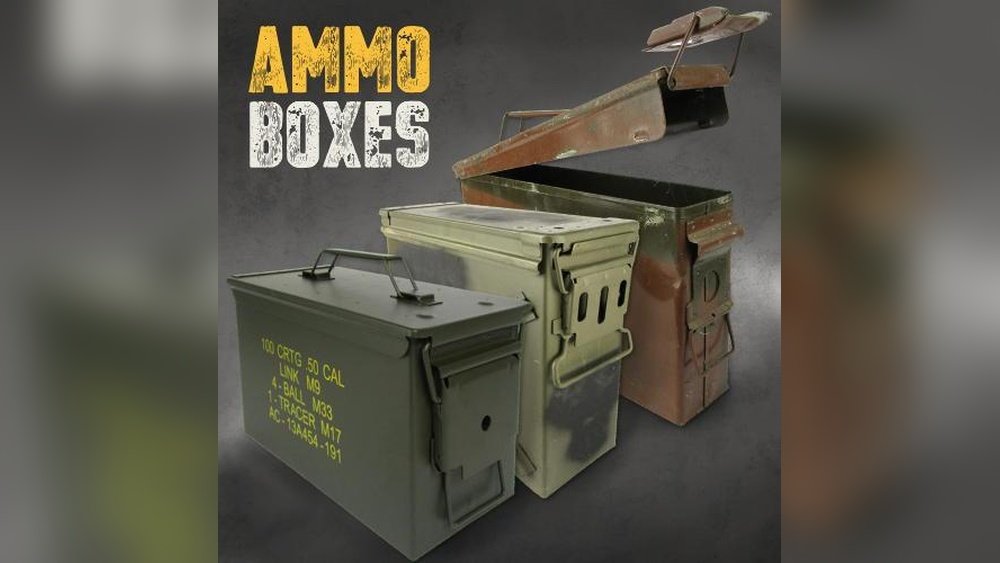
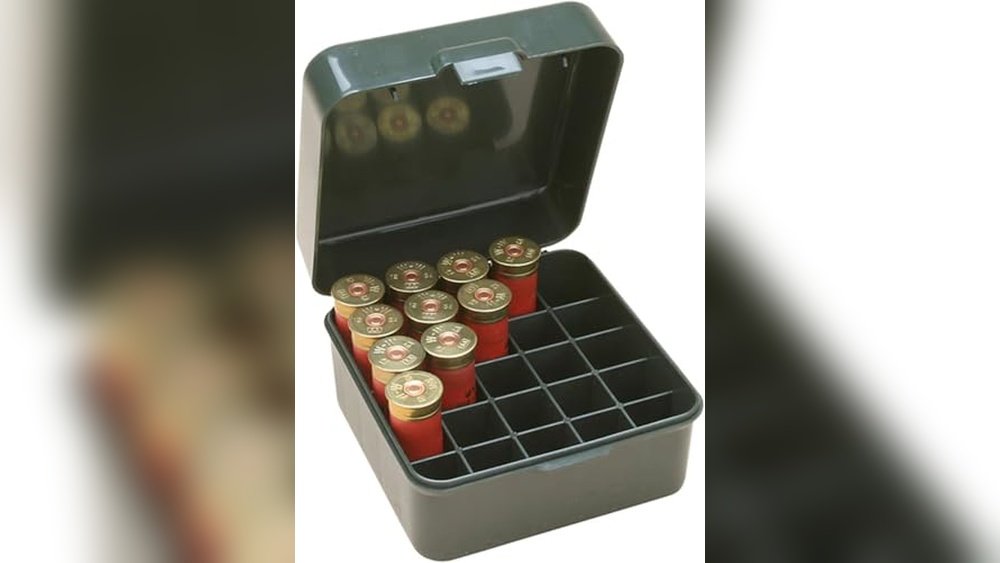
Select containers that block moisture and air. Metal ammo cans with rubber seals work well. Plastic containers with tight lids also help. Avoid cardboard boxes. They absorb moisture and break down. Look for containers that lock tightly and prevent dust entry.
Ideal Storage Environment
Store ammo in a cool, dry place away from sunlight. Heat speeds up chemical changes in powder. Humidity causes rust on metal cases and primers. A basement or closet with stable temperature works best. Avoid attics or garages with wide temperature swings.
Use Of Desiccants And Dehumidifiers
Desiccant packets absorb moisture inside containers. Silica gel packs are common and inexpensive. Replace them regularly to keep drying power. Small dehumidifiers reduce humidity in larger storage rooms. They help keep ammo dry and safe over time.
Organizing Ammo For Longevity
Keep ammo organized by type and date. Use labels to track purchase or reload dates. Store older ammo in front for easy use. Avoid mixing calibers and brands in one container. Proper organization helps you use ammo before it ages too much.
Handling And Maintenance
Proper handling and maintenance of ammunition help keep it safe and reliable. Careful attention prevents damage and extends ammo life. Simple steps protect your investment and ensure better performance. Follow these tips to avoid ammo deterioration.
Safe Handling Techniques
Always handle ammo with clean, dry hands. Avoid dropping or rough handling, which can cause damage. Store ammo away from moisture and extreme heat. Use original packaging or sturdy containers for storage. Keep ammo separate from firearms to prevent accidents.
Regular Inspection Routines
Check your ammo regularly for signs of corrosion or damage. Look for rust, dents, or discoloration on casings. Remove any damaged rounds immediately. Keep a log of inspection dates to stay consistent. Early detection helps prevent bigger problems.
Cleaning Ammo Properly
Use a soft cloth to wipe ammo gently. Avoid harsh chemicals or water, which can cause corrosion. Clean storage containers to keep ammo dry and safe. If needed, use a dry brush to remove dirt. Proper cleaning maintains ammo quality over time.
Ammo Life Extension Tips
Extending the life of your ammunition is important for safety and cost savings. Proper care helps keep ammo reliable and ready to use. Follow these simple tips to prevent ammo from going bad.
Rotation And Usage Scheduling
Use older ammo first to avoid long storage times. Rotate your stock regularly to keep all rounds fresh. Create a schedule to track when you bought or used ammo. This practice reduces the chance of using old or damaged rounds.
Avoiding Excessive Exposure
Keep ammo away from heat, moisture, and sunlight. Store it in a cool, dry place with stable temperature. Avoid places like garages or basements that get damp. Use sealed containers or ammo cans to protect from air and humidity.
Storing Different Ammo Types Separately
Store each type of ammo in its own container. Mixing different calibers or brands can cause confusion and damage. Separate storage prevents cross-contamination and helps with easy access. Label each container clearly for quick identification.
Recognizing Ammo Damage
Recognizing damage in your ammunition is key to keeping it safe and reliable. Damaged ammo can cause misfires or even damage your firearm. Regular checks help spot problems early. This way, you avoid using ammo that might fail or be unsafe.
Look closely at each round before use. Small changes can mean big issues. Understanding common signs of damage helps protect you and your equipment.
Signs Of Corrosion
Corrosion looks like rust or greenish spots on the case. It often appears near the primer or base. Corrosion weakens the metal and can cause failure. Avoid ammo with visible rust or powdery buildup. Store ammo in a dry place to prevent corrosion.
Detecting Powder Degradation
Powder inside the cartridge can break down over time. Degraded powder may look clumpy or discolored if visible. It can cause weak or uneven firing. If you smell strange odors from the ammo, check the powder condition. Always use fresh ammo for best performance.
Identifying Case Damage
Cases can get dents, cracks, or bulges. These damages can stop the round from chambering properly. Look for splits near the neck or base of the case. Bent or crushed cases are dangerous and should be discarded. Handle ammo gently to avoid case damage.

Frequently Asked Questions
What Causes Ammunition To Deteriorate Over Time?
Ammo deteriorates mainly due to moisture, heat, and poor storage. Exposure to humidity causes corrosion and powder degradation. High temperatures can degrade primers and propellants. Improper storage conditions accelerate these effects, reducing ammo reliability and safety.
How Can I Store Ammo To Prevent Deterioration?
Store ammo in a cool, dry place with stable temperatures. Use airtight containers or ammo cans with desiccants to reduce moisture. Avoid direct sunlight and extreme heat. Proper storage preserves ammo integrity and ensures reliable performance.
Does Humidity Affect Ammunition Quality?
Yes, humidity causes corrosion on metal casings and primers. It also affects powder stability, reducing ammo effectiveness. Using moisture absorbers and sealed containers helps maintain optimal ammo condition.
How Long Can Ammunition Last Without Deteriorating?
Properly stored ammo can last 10 years or more without issues. Shelf life varies by ammo type and storage conditions. Regular inspections help identify any signs of deterioration early.
Conclusion
Proper ammo care keeps your rounds safe and reliable. Store ammo in a cool, dry place. Avoid moisture and extreme heat to prevent damage. Regular checks help catch problems early. Clean your ammo storage area often. Using airtight containers adds extra protection.
Good habits extend ammo life and ensure performance. Small steps make a big difference. Protect your investment and stay ready.