You’ve invested time and money in your tactical gear and ammo. Now, the question is—how do you store them safely and efficiently?
Proper storage isn’t just about keeping things tidy; it protects your equipment, ensures your ammo stays reliable, and keeps you ready for any situation. You’ll discover simple, practical tips to organize and safeguard your gear. By the end, you’ll have clear steps to make sure your tactical setup is always in top shape and ready when you need it most.
Keep reading to unlock the secrets to smart storage that every tactical enthusiast should know.
Safe Storage Basics
Storing tactical gear with ammo requires careful attention. Safe storage protects your equipment and keeps everyone secure. This section covers key basics to help you store gear safely and correctly.
Choosing The Right Location
Select a place that is dry and out of direct sunlight. Avoid damp basements or hot attics. A cool, shaded area works best. Keep gear away from living spaces to reduce risks. The spot should be easy to access only for authorized users.
Temperature And Humidity Control
Temperature affects ammo and gear quality. High heat can cause damage or malfunctions. Aim to keep storage between 50 and 70 degrees Fahrenheit. Humidity can cause rust and corrosion. Use a dehumidifier or moisture absorbers to keep air dry.
Securing Access
Lock storage containers or rooms securely. Use strong locks and consider a safe for ammo. Limit access to trusted people only. Keep keys or codes hidden and separate from gear. Regularly check locks and storage conditions to ensure safety.
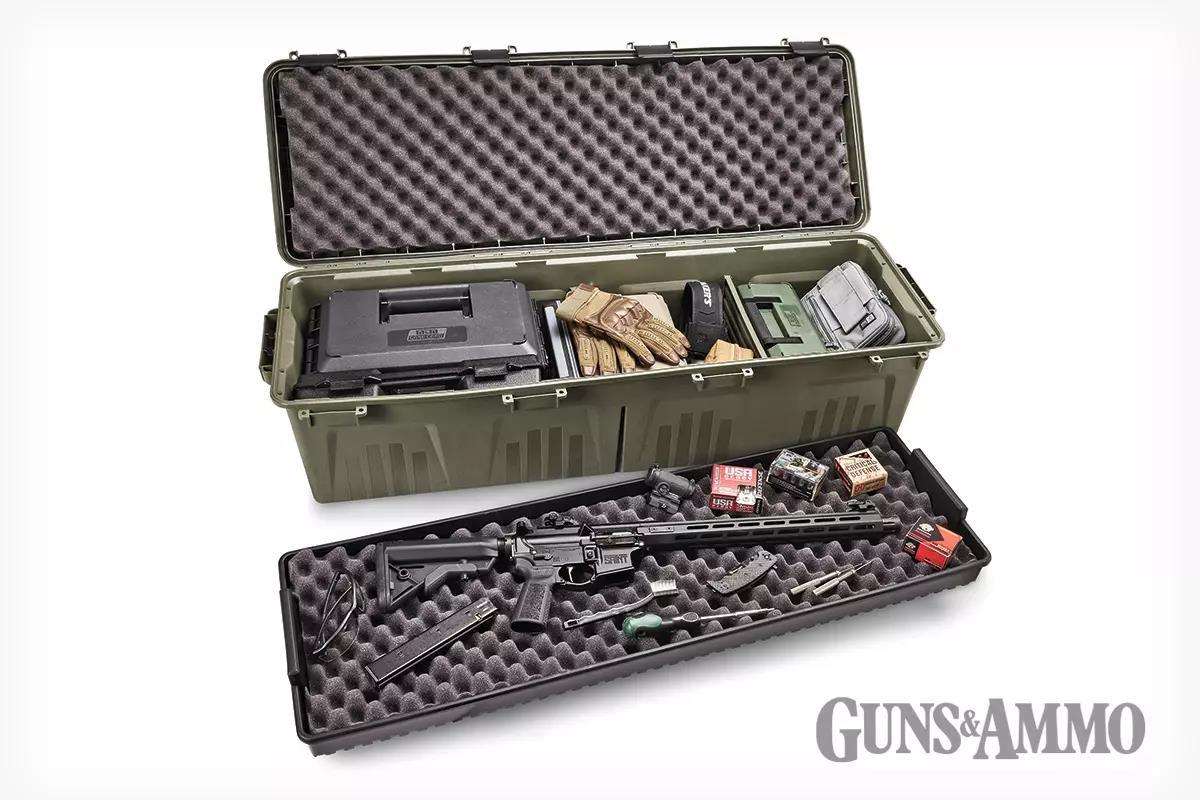
Organizing Tactical Gear
Organizing tactical gear with ammo is key for efficiency and safety. Proper organization saves time and keeps everything ready. A good system helps you find what you need fast. It also protects your gear and ammunition from damage. Below are simple ways to keep your gear in order.
Grouping By Type And Use
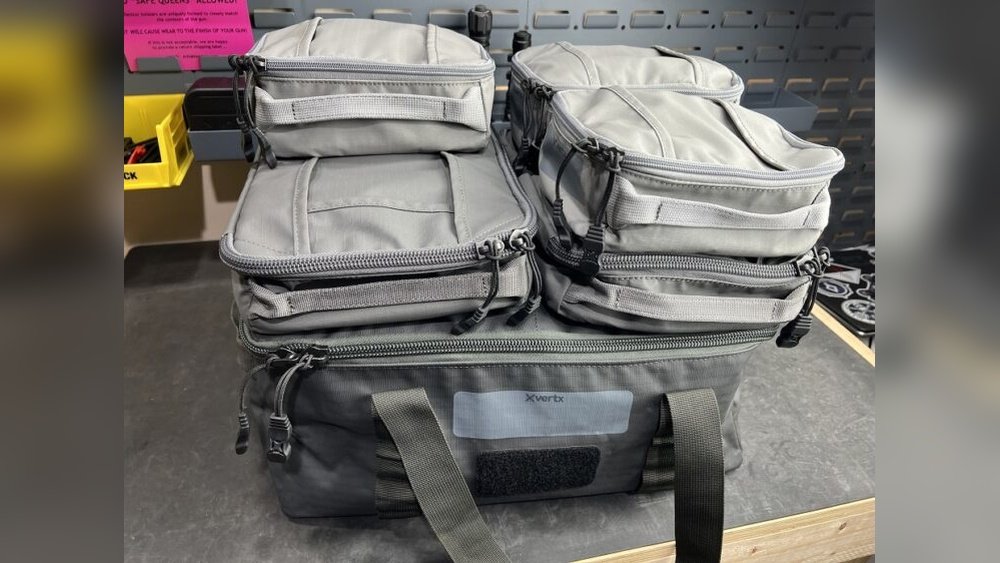
Sort gear by what it is and how you use it. Keep similar items together like weapons, ammo, and tools. Group frequently used items in one place. Store backup gear separately. This method helps avoid clutter and speeds up your search.
Using Storage Containers
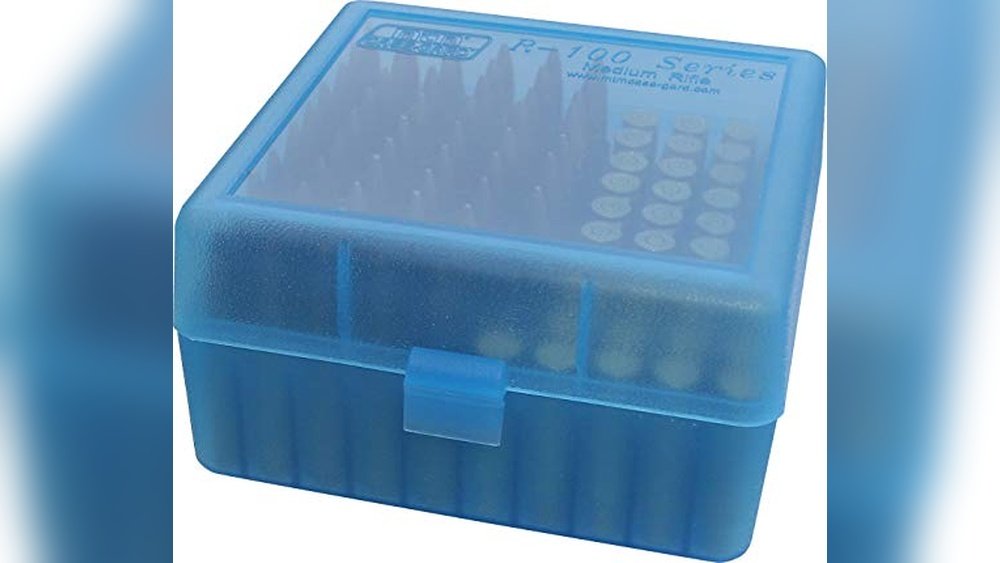
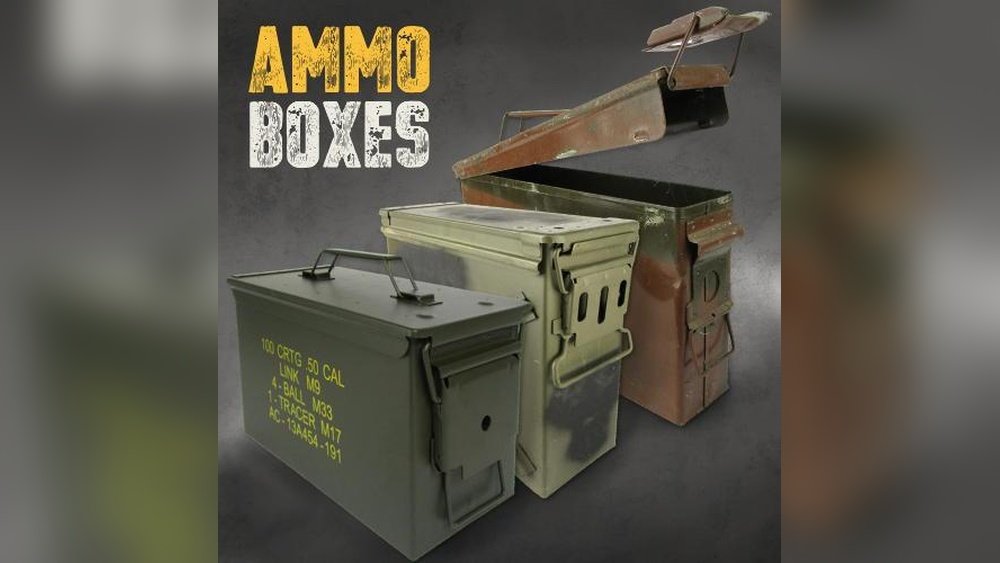
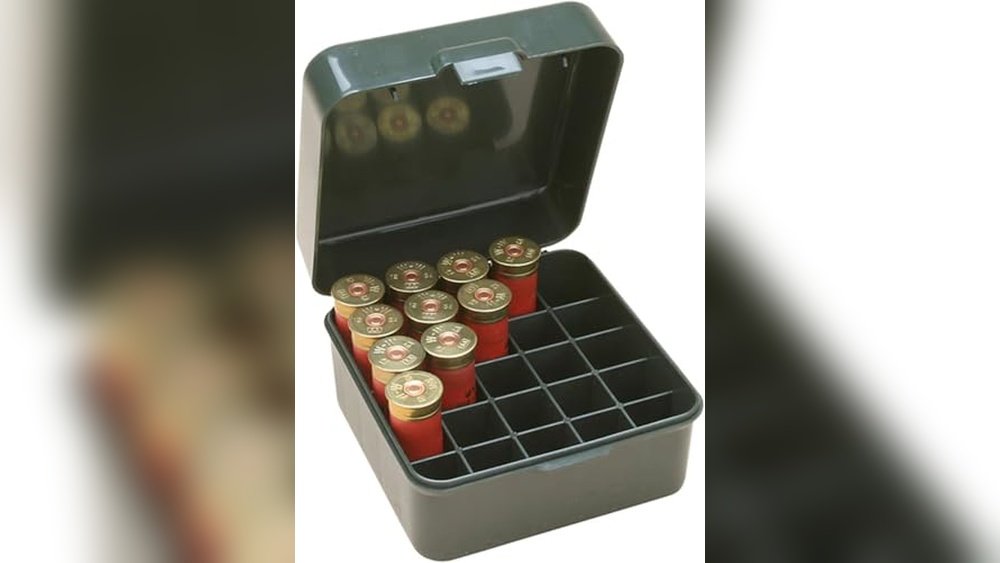
Choose sturdy containers to protect your gear and ammo. Use plastic bins, cases, or metal boxes that seal tightly. Containers keep dust, moisture, and dirt out. Stack containers neatly to save space. Clear containers let you see contents without opening.
Labeling For Quick Access
Label each container or section clearly. Use simple words or codes you understand well. Labels help find gear quickly during urgent moments. Update labels if you change the contents. Clear labels prevent confusion and save time.
Ammo Storage Essentials
Proper ammo storage is vital for tactical gear safety and performance. Ammo must stay dry, secure, and easy to access. Poor storage can cause damage and reduce reliability.
Focus on containers, moisture control, and organization. These essentials keep ammo ready for use and protect your investment.
Selecting Ammo Containers
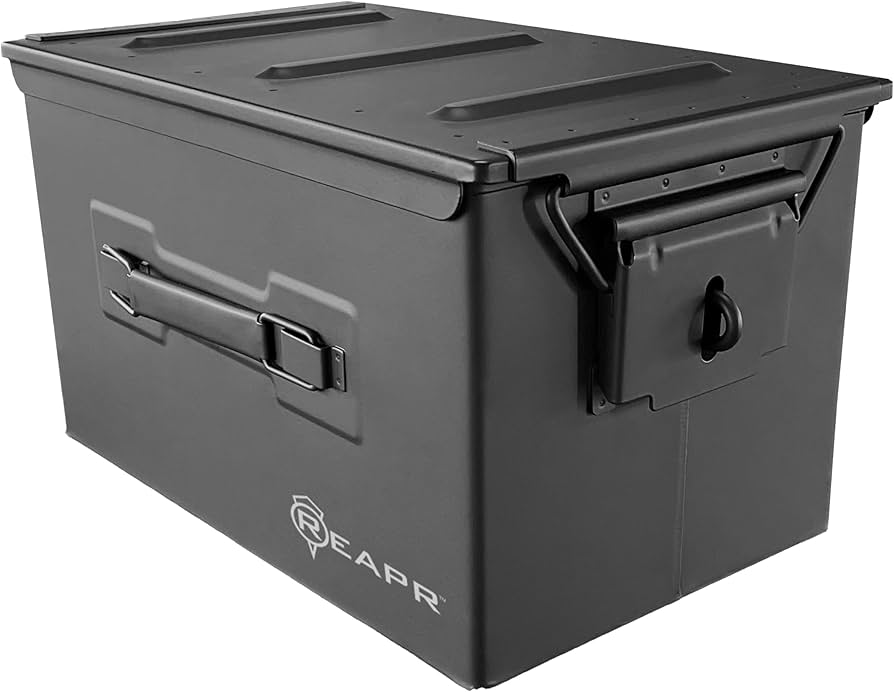
Choose containers made of strong, durable material. Plastic or metal boxes work well. They protect ammo from impact and crushing.
Look for airtight seals. These prevent dirt, dust, and moisture from entering. Clear containers help you see ammo without opening them.
Avoiding Moisture Damage
Moisture causes rust and corrosion on ammo. Use silica gel packs inside containers to absorb moisture. Replace them regularly to keep them effective.
Store ammo in a cool, dry place. Avoid areas with high humidity or temperature changes. Keep containers off the ground to prevent water damage.
Separating Ammo From Gear
Keep ammo separate from other tactical gear. This prevents accidental damage and makes ammo easier to find. Use dedicated compartments or boxes for ammo only.
Label containers clearly to avoid confusion. Store ammunition away from oils and chemicals found in some gear. This protects ammo quality and your safety.
Safety Precautions
Storing tactical gear with ammunition requires strict safety measures. Proper precautions protect you, your family, and your equipment. Careful storage reduces risks of accidents and damage. This section covers key safety steps for secure storage.
Fireproof And Impact-resistant Options
Choose storage containers made from fireproof materials. These protect ammo and gear from heat damage. Impact-resistant boxes prevent crushing and accidental ignition. Metal safes with seals provide strong protection. Keep gear in areas away from direct sunlight and heat sources. This ensures long-term safety and reliability.
Childproofing Storage Areas
Store ammo and gear out of children’s reach. Use locked cabinets or safes with secure keys or codes. Avoid storing gear in easily accessible places. Teach children about dangers without showing equipment. Childproofing prevents accidents and unauthorized use. Safety locks add a strong layer of protection.
Regular Inspection And Maintenance
Check storage containers regularly for damage or wear. Look for rust, cracks, or moisture inside storage units. Clean and dry ammo before storing to avoid corrosion. Replace old or damaged containers immediately. Routine checks keep gear safe and ready for use. Proper maintenance extends the life of your equipment.
Legal And Compliance Tips
Storing tactical gear with ammunition requires careful attention to laws. Legal rules protect you and others around you. Following these rules keeps your storage safe and lawful. Below are key legal and compliance tips for storing your gear and ammo properly.
Local Storage Regulations
Every area has different laws for storing ammo and tactical gear. Some places require locked containers or safes. Others limit how much ammo you can keep at home. Check your local laws before setting up storage. Using approved storage methods reduces risk and legal trouble.
Transportation Rules
Moving tactical gear and ammo needs care and knowledge of the law. Ammo often must be stored separately from guns during transport. Vehicles might need locked cases or boxes for ammo. Follow state and federal rules to avoid fines or confiscation. Always carry documentation if required.
Record Keeping
Keeping records of your ammo and gear helps prove legal ownership. Note purchase dates, amounts, and sources of your items. Store receipts and licenses in a safe place. Good records assist during inspections or legal checks. They also help track your inventory accurately.

Maintenance And Longevity
Proper maintenance extends the life of your tactical gear and ammo. It keeps everything ready for use and safe to handle. Neglect can cause damage and reduce effectiveness. Taking care of your equipment ensures it performs well over time.
Cleaning Gear And Ammo
Clean your gear after every use. Dirt and moisture cause rust and wear. Use a soft brush or cloth to remove debris. For ammo, wipe off any dirt or oil. Avoid soaking ammo in liquids. Store ammo dry to prevent corrosion.
Replacing Damaged Items
Check your gear regularly for damage. Look for tears, cracks, or weak spots. Replace any broken parts immediately. Using damaged gear can be unsafe. Inspect ammo for dents or corrosion. Dispose of any compromised rounds safely.
Storing For Long-term Use
Store gear and ammo in a cool, dry place. Avoid areas with high humidity or direct sunlight. Use airtight containers or ammo cans for storage. Place desiccant packs inside to reduce moisture. Keep gear organized to avoid damage during storage.
Frequently Asked Questions
How Should I Separate Ammo From Tactical Gear?
Store ammo and tactical gear separately to avoid damage or accidents. Use airtight containers for ammo and dry, ventilated spaces for gear.
What Is The Best Container For Storing Ammo?
Use sturdy, airtight, and waterproof containers for ammo storage. This prevents moisture and contamination, keeping ammo safe and reliable.
Can I Store Tactical Gear And Ammo Together Safely?
Avoid storing gear and ammo together to reduce risks. Separate storage minimizes accidental discharge and protects both from environmental damage.
How Do I Keep Tactical Gear Dry During Storage?
Store tactical gear in cool, dry areas with silica gel packs. Regularly check for moisture to prevent mold and material degradation.
Conclusion
Storing tactical gear with ammo needs care and clear rules. Keep ammo dry and cool to avoid damage. Store gear where it is easy to find and use. Separate ammo from other items for safety reasons. Check your storage regularly to keep everything in good shape.
Good habits protect your gear and keep you ready. Simple steps make a big difference in storage safety. Stay organized, stay safe, and be prepared at all times.