Are you thinking about storing ammo in your basement but aren’t sure if it’s safe? You’re not alone.
Many people wonder if their basement is the right place to keep ammunition without risking damage or danger. Your safety and the condition of your ammo depend on where and how you store it. You’ll discover important facts and practical tips that will help you make the best decision.
Keep reading to protect yourself, your family, and your investment.
Risks Of Basement Ammo Storage
Storing ammunition in a basement carries certain risks. Basements often have conditions that can harm ammo quality and safety. Understanding these risks helps in making safer storage choices. Here are the main concerns when storing ammo below ground.
Moisture And Humidity Effects
Basements tend to be damp and humid. Moisture can cause metal parts of ammo to rust. Rust weakens the casing and can cause misfires. Humidity can also damage the gunpowder inside the cartridge. This damage reduces ammo reliability and performance.
Temperature Fluctuations
Basements often experience changes in temperature. Warm and cold cycles create expansion and contraction in ammo materials. These changes can cause seals to break or crack. Broken seals allow moisture inside, harming the ammo further. Stable temperature is key for preserving ammo.
Potential For Flood Damage
Basements are prone to flooding during heavy rains or plumbing leaks. Water can ruin ammunition quickly. Flooded ammo often becomes unusable and unsafe. Storing ammo in a basement increases flood risk, especially in flood-prone areas.

Choosing The Right Storage Containers
Choosing the right storage containers is key to keeping ammo safe in a basement. Basements can have moisture and temperature changes that harm ammunition. Good containers protect ammo from rust, moisture, and damage. They also help organize your collection and make it easy to find what you need.
Ammo Cans And Sealed Containers
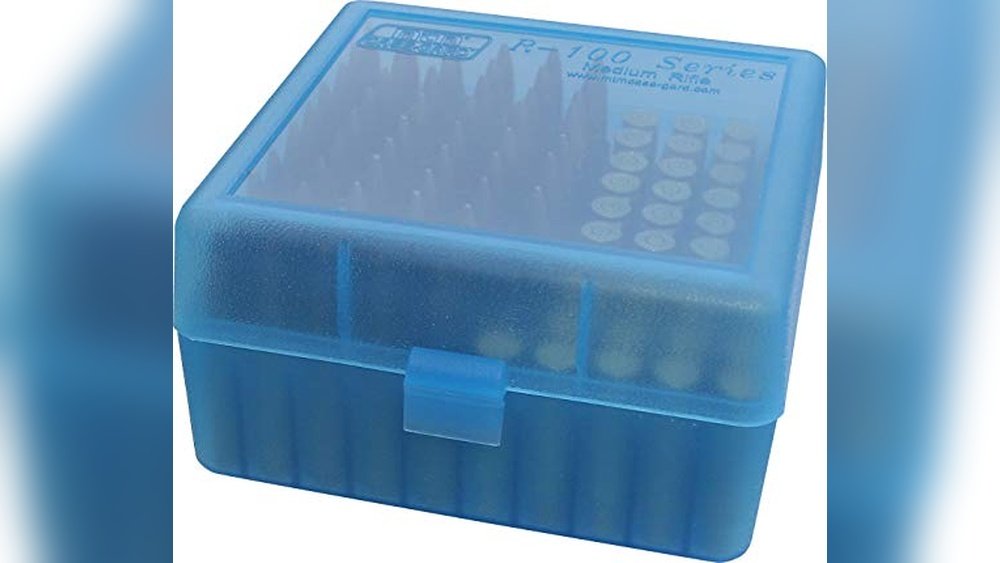
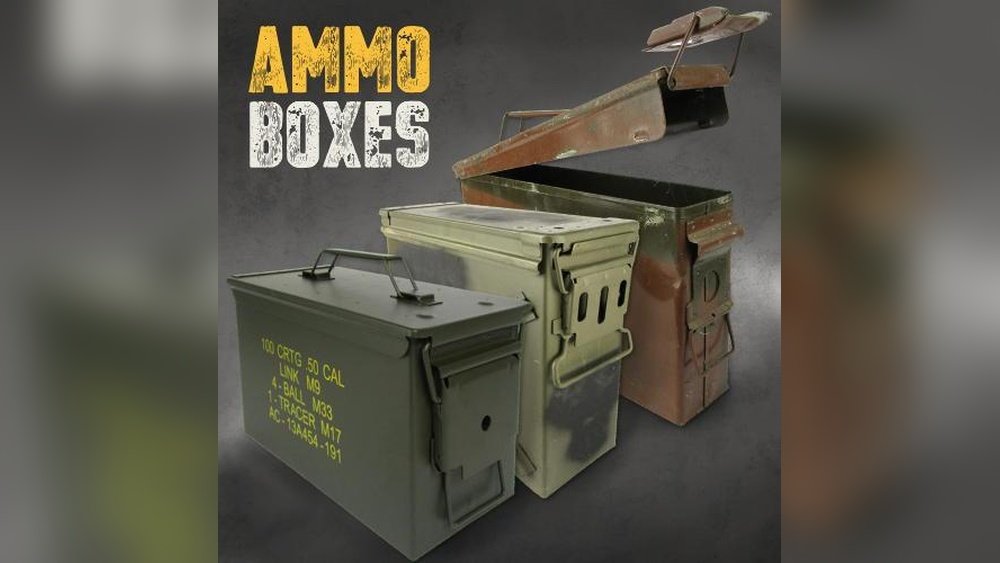
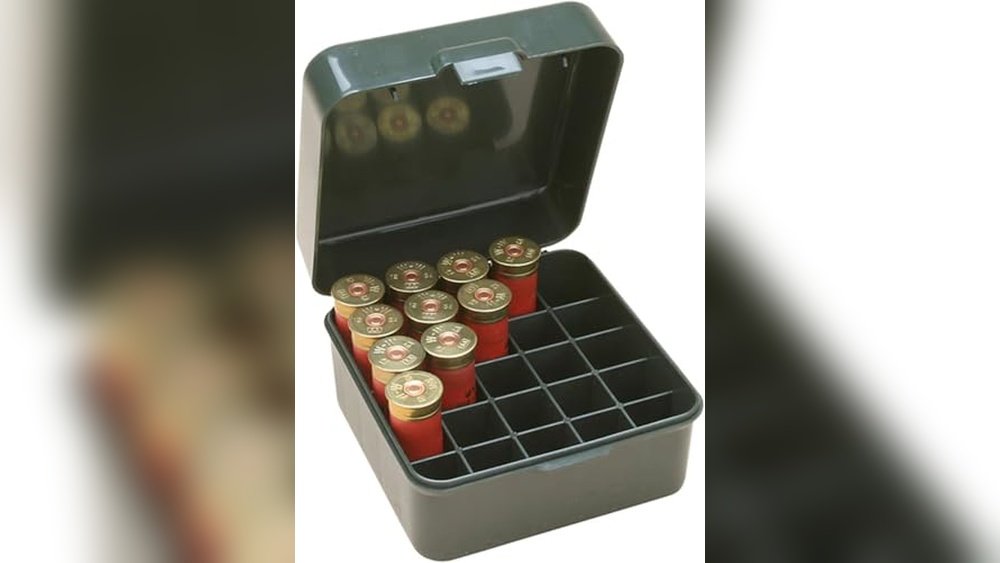
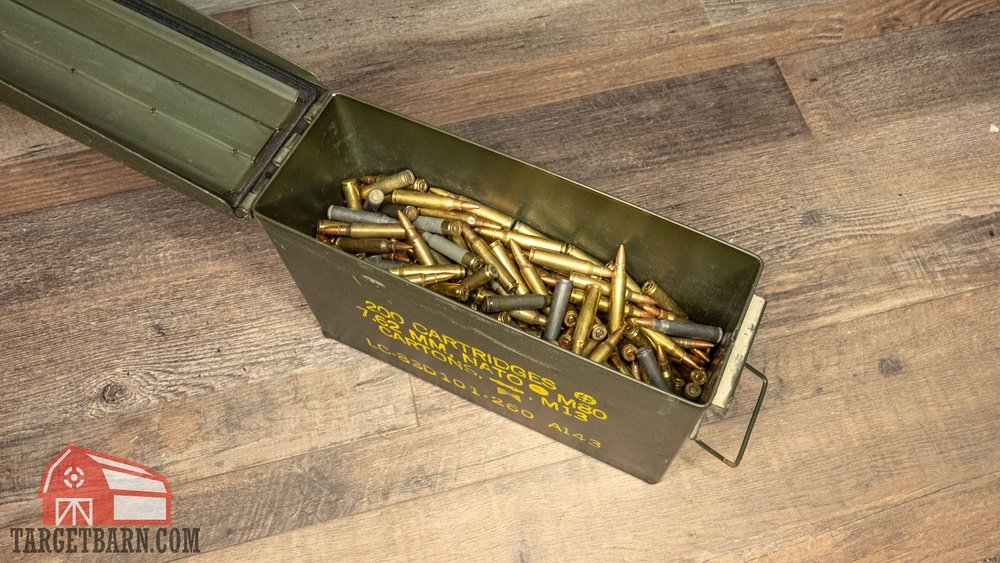
Ammo cans are strong and made to store ammunition. They have tight lids that keep moisture out. Metal cans with rubber gaskets seal well against air and water. Plastic sealed containers also work but check for durability. Choose containers that close tightly and are easy to carry.
Desiccants And Moisture Absorbers
Adding desiccants helps keep ammo dry. These small packets absorb moisture inside containers. Silica gel packets are common and reusable. They prevent rust and corrosion on bullets and casings. Change or recharge desiccants regularly to keep them effective.
Fireproof And Waterproof Options
Fireproof containers add extra safety for ammo storage. They protect against heat and flames. Waterproof containers stop water damage during floods or leaks. Look for containers with fire and water ratings. These options offer more peace of mind in basement storage.
Basement Environment Preparation
Preparing the basement environment is key to storing ammo safely. Basements often have moisture and temperature issues. These factors can damage ammunition over time. Proper preparation helps keep ammo dry and stable. This section covers ways to control basement conditions for safe ammo storage.
Dehumidifiers And Ventilation
Moisture is the biggest enemy of stored ammo. A good dehumidifier reduces dampness in the air. It helps keep ammo boxes dry and free from rust. Proper ventilation moves air and prevents mold growth. Open vents or fans can improve airflow. Combining both lowers humidity and protects ammo quality.
Temperature Control Solutions
Ammo storage requires steady temperatures. Extreme heat or cold can harm the powder inside. Use a thermostat or heater to maintain a stable climate. Avoid places near water heaters or pipes that freeze. Consistent temperature keeps ammo reliable and safe for use.
Regular Inspection And Maintenance
Check the basement often for signs of moisture or damage. Look for rust on ammo boxes or corrosion on rounds. Replace dehumidifier filters and empty water collection trays regularly. Fix leaks or cracks in walls quickly. Routine care prevents problems before they affect ammo safety.
Safe Handling And Organization
Safe handling and organization of ammo in a basement reduce risks significantly. Proper care helps prevent accidents and keeps ammo in good condition. Simple steps can make storage safer and easier to manage.
Organizing ammo with clear labels and good inventory helps track supplies. Separating ammo types avoids confusion and danger. Keeping ammo away from ignition sources lowers the chance of fire.
Labeling And Inventory Management
Label all ammo boxes clearly with type and quantity. Write the caliber, brand, and date of purchase on each box. Keep an updated list of all ammo stored in the basement. This list helps find ammo quickly and know when to restock. Use waterproof labels or permanent markers to avoid fading.
Separation Of Different Ammo Types
Store different ammo types in separate containers or shelves. Keep handgun, rifle, and shotgun ammo apart to prevent mix-ups. Separate old ammo from new to use older stock first. Avoid storing different calibers together to reduce errors during use. Clear separation helps maintain safety and order.
Keeping Ammo Away From Ignition Sources
Keep ammo storage far from heaters, water heaters, or electrical panels. Avoid storing ammo near open flames or sparks. Ensure the basement is dry and well-ventilated to prevent moisture damage. Use metal or fireproof containers for extra safety. These steps reduce fire risk and protect your ammo.
Legal And Safety Regulations
Storing ammunition in a basement requires following legal and safety rules. These rules protect you and others from accidents and legal trouble. Understanding local laws, fire safety codes, and insurance rules is important. Each area has different regulations to keep storage safe and lawful.
Local Storage Laws
Local laws control how and where ammo can be stored. Some places limit the amount of ammo you can keep. Others require special containers or locked storage. Check your city or state laws before storing ammo. Ignoring these laws can lead to fines or legal problems.
Fire Safety Codes
Fire codes aim to prevent fires and explosions. They often require keeping ammo away from heat sources. Basements must have proper ventilation and fire alarms. Using approved storage boxes lowers fire risks. Following these rules helps protect your home.
Insurance Considerations
Insurance policies may have rules about ammo storage. Some insurers require secure storage to cover damages. Storing ammo improperly can void your insurance. Inform your insurance company about your storage plans. This ensures your coverage stays valid in emergencies.


Frequently Asked Questions
Is Storing Ammo In A Basement Safe?
Yes, storing ammo in a basement can be safe if conditions are controlled. Keep ammo dry, cool, and away from chemicals to prevent deterioration or hazards.
How To Prevent Ammo Corrosion In A Basement?
Use airtight containers with desiccants to reduce moisture. Maintain consistent cool temperatures and avoid direct contact with concrete floors to prevent corrosion effectively.
What Are The Ideal Temperature And Humidity For Ammo Storage?
Ammo should be stored around 50-70°F with humidity below 50%. Stable conditions prevent powder degradation and maintain bullet integrity over time.
Can Basement Flooding Damage Stored Ammunition?
Yes, flooding can ruin ammo by causing rust and swelling. Store ammo off the floor in waterproof containers to protect against water damage.
Conclusion
Storing ammo in a basement can be safe with the right care. Keep ammo dry and cool to avoid damage. Use airtight containers to protect against moisture. Avoid storing near heat sources or chemicals. Check ammo regularly for signs of rust or corrosion.
Proper storage helps keep ammo reliable and safe. Always follow local laws and safety guidelines. Safe storage means peace of mind and readiness. Stay cautious and protect your ammo well.