Are you worried about keeping your rifle safe and secure at home? Installing a rifle safe is one of the smartest steps you can take to protect your firearms from theft, damage, or accidental access.
But how do you make sure it’s done right? In this guide, you’ll learn simple, clear steps to install a rifle safe that fits your space and keeps your guns secure. By the end, you’ll feel confident knowing your firearms are locked away safely, giving you peace of mind every day.
Keep reading to find out exactly how to do it yourself.
Choosing The Right Location
Choosing the right place for your rifle safe is very important. It keeps your guns secure and easy to reach. The location affects safety and convenience. Think about where you want the safe before installation. This helps avoid problems later.
Consider Accessibility And Security
Pick a spot that you can reach quickly in an emergency. The safe should be hidden from visitors and children. Avoid places that are too obvious. Balance safety with how fast you can open the safe. A good location keeps your rifles away from unauthorized hands.
Evaluate Environmental Factors
Check for moisture and temperature changes. Avoid damp basements or places near water pipes. Humidity can damage your guns and the safe. A dry and cool spot is best. Make sure the area has good air circulation to stop rust.
Check For Structural Support
The floor or wall must hold the safe’s heavy weight. Some safes are very heavy when full. Use a strong floor, like concrete, for big safes. For wall-mounted safes, find studs or solid beams. Proper support keeps the safe stable and secure.
Gathering Necessary Tools And Materials
Gathering the right tools and materials is the first step to install a rifle safe at home. Having everything ready makes the process smooth and safe. It helps avoid delays and mistakes. Preparation is key to a secure installation.
Essential Installation Tools
You need a drill with bits suitable for concrete or wood. A wrench or socket set helps tighten bolts securely. A tape measure ensures accurate placement and alignment. A level keeps the safe straight and balanced. Screwdrivers, both flathead and Phillips, are necessary for smaller screws. Marking tools like pencils or chalk help outline drilling spots.
Safety Equipment
Wear safety glasses to protect your eyes from dust and debris. Use ear protection when drilling loud holes. Gloves protect your hands from sharp edges and rough surfaces. A dust mask prevents inhaling harmful particles during drilling. Safe working conditions reduce accidents and injuries.
Additional Supplies
Anchors or bolts are needed to secure the safe to the floor or wall. Construction adhesive adds extra strength for mounting. A flashlight helps see in dim corners or tight spaces. Cleaning cloths remove dust and dirt after installation. Keep a small container handy for screws and bolts to avoid losing them.
Preparing The Installation Site
Preparing the installation site is a vital step before installing your rifle safe. A well-prepared area ensures the safe fits securely and works properly. Taking time here helps avoid problems later and keeps your safe stable and secure.
Clear The Area
Remove all objects near the installation spot. Clear space around the safe for easy access. This prevents damage to items and gives you room to work safely. A clutter-free area helps you focus on the installation.
Marking Drill Points
Use a pencil to mark where you will drill holes. Align these marks with the safe’s bolt holes. Double-check measurements before drilling. Correct marks keep the safe firmly anchored to the floor or wall.
Ensuring Level Surface
Check the floor or wall is flat and even. Use a level tool to confirm this. An uneven surface can cause the safe to tip or not lock properly. Fix any bumps or dips before installation.
Installing The Rifle Safe
Installing a rifle safe correctly is key to keeping your firearms secure. This process involves careful placement and strong anchoring. A well-installed safe resists theft and protects your guns from accidents. Follow simple steps to ensure your safe stays fixed and secure in your home.
Positioning The Safe
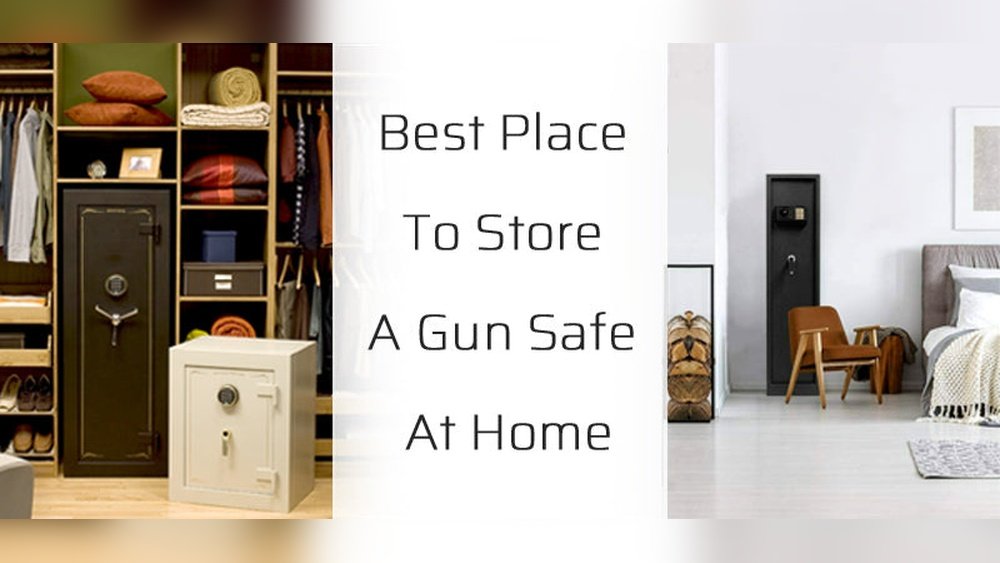
Choose a hidden spot that is easy to reach but not obvious. Avoid places near windows or doors. A corner or closet often works best. Make sure the floor can hold the safe’s weight. The spot should be dry and free from moisture. This prevents rust and damage over time.
Anchoring To The Floor Or Wall
Secure the safe by anchoring it to the floor or wall. Concrete floors are ideal for strong anchoring. Use heavy-duty bolts designed for your floor type. If anchoring to drywall, find a wall stud for support. Avoid weak surfaces that won’t hold the safe firmly. The goal is to stop any movement or lifting of the safe.
Securing Bolts And Fasteners
Use the right bolts and fasteners for your safe model. Tighten all bolts securely with a wrench. Check each fastener twice to ensure they don’t loosen. Cover exposed bolts if possible to prevent tampering. Regularly inspect bolts to keep the safe firmly in place. Proper fastening enhances the safe’s security and stability.
Testing And Final Adjustments
After installing your rifle safe, testing and making final adjustments is crucial. This step ensures safety and proper function. You avoid future problems by confirming everything works well now.
Check Lock Mechanisms
Test the lock several times. Turn the key or enter the code slowly. Make sure it opens and closes smoothly. Listen for any unusual sounds. Confirm the locking bolts extend fully. If it sticks, inspect for obstructions or misalignment.
Verify Stability
Push the safe gently from different sides. It should not wobble or shift. Check the mounting bolts or anchors. Tighten any loose screws or bolts. A stable safe keeps your firearms secure and prevents accidents.
Make Necessary Adjustments
Adjust shelves or internal compartments to fit your rifles. Align the door if it does not close properly. Lubricate hinges and locks with a small amount of oil. Remove any debris or dust inside. These tweaks improve usability and safety.
Maintaining Your Rifle Safe
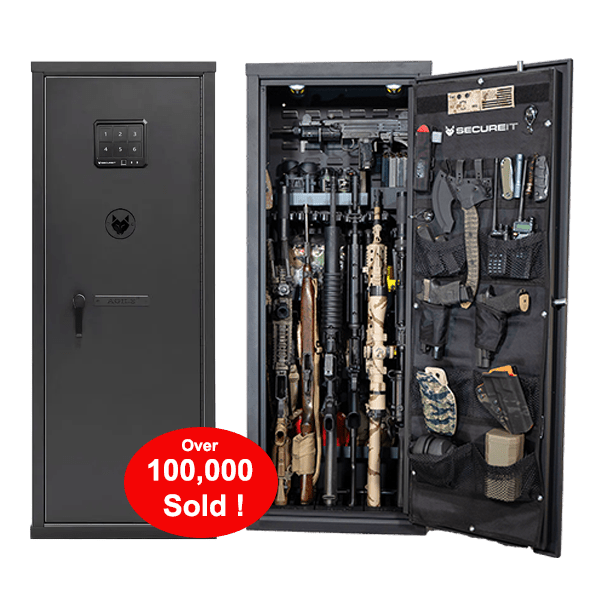
Maintaining your rifle safe is essential to keep your firearms secure and in good condition. Proper care extends the safe’s life and ensures it works correctly. Regular checks help spot problems early and avoid costly repairs.
Routine Cleaning
Clean the safe inside and outside often. Use a soft cloth to remove dust and dirt. Avoid harsh chemicals that can damage the finish or lock. Keep the door seals free from dust to maintain a tight closure. A clean safe looks good and works better.
Inspecting For Wear
Check the safe for signs of wear every few months. Look at hinges, locks, and bolts for rust or damage. Test the lock to ensure it opens and closes smoothly. Fix small issues quickly to prevent bigger problems later. A safe in good shape protects your rifles well.
Updating Security Features
Security technology changes fast. Consider upgrading your safe’s lock or alarm system over time. New locks may offer better protection or easier use. Keep software updated if your safe has electronic features. Strong security keeps your rifles safer at home.
Frequently Asked Questions
How Do I Choose The Right Location For My Rifle Safe?
Choose a discreet, dry, and secure spot for your rifle safe. Avoid areas prone to moisture or temperature changes to protect your firearms.
What Tools Are Needed To Install A Rifle Safe?
You will need a drill, level, anchor bolts, a wrench, and a screwdriver. These tools ensure a secure and stable installation.
How Can I Secure A Rifle Safe To The Floor?
Use heavy-duty anchor bolts to bolt the safe into concrete or wood flooring. This prevents theft and ensures stability.
Should I Consider Professional Installation For My Rifle Safe?
Professional installation guarantees proper mounting and security. It’s advisable if you lack tools or experience for safe installation.
Conclusion
Installing a rifle safe at home keeps your firearms secure and out of reach. Choose a good spot with solid walls or floors for mounting. Use the right tools and follow safety steps carefully. A safe protects your family and prevents accidents.
Regularly check the lock and bolts to keep it strong. Taking these steps makes your home safer and your rifles protected. Simple actions can make a big difference in safety.