When it comes to keeping your ammo safe and organized, you might not have thought much about how you store your reloads compared to factory ammo. But here’s the thing: storing them together can lead to confusion, safety risks, and even damage to your gear.
If you want to protect your investment and make sure you’re always ready when it counts, you need to know why keeping reloads separate is so important. You’ll discover simple yet powerful tips that will help you store your ammo the right way—making your shooting experience safer and more reliable.
Keep reading, because what you don’t know about ammo storage could cost you.
Why Separate Storage Matters
Storing reloads separately from factory ammo is very important. This practice helps keep your ammunition organized and safe. Reloaded ammo can have slight differences from factory-made rounds. Keeping them apart reduces confusion and prevents mistakes.
Separate storage also protects your guns and your safety. It ensures you use the right ammo for the right firearm. This simple step avoids many problems that could happen during shooting.
Risks Of Mixing Reloads With Factory Ammo
Mixing reloads with factory ammo can cause serious issues. Reloaded rounds may have different powder amounts or bullet types. This difference can lead to dangerous pressure levels in the gun.
Confusing the two can cause you to load the wrong ammo. This mistake can damage your firearm or cause malfunctions. It also makes it hard to track ammo performance and reliability.
Impact On Safety And Reliability
Keeping reloads separate improves safety. You reduce the chance of using incorrect ammo. This lowers the risk of gun jams and misfires.
Reliability also increases. You can easily test and inspect each type of ammo. This way, you know what works best for your gun. Separate storage helps maintain consistent shooting performance and peace of mind.

Choosing The Right Storage Containers
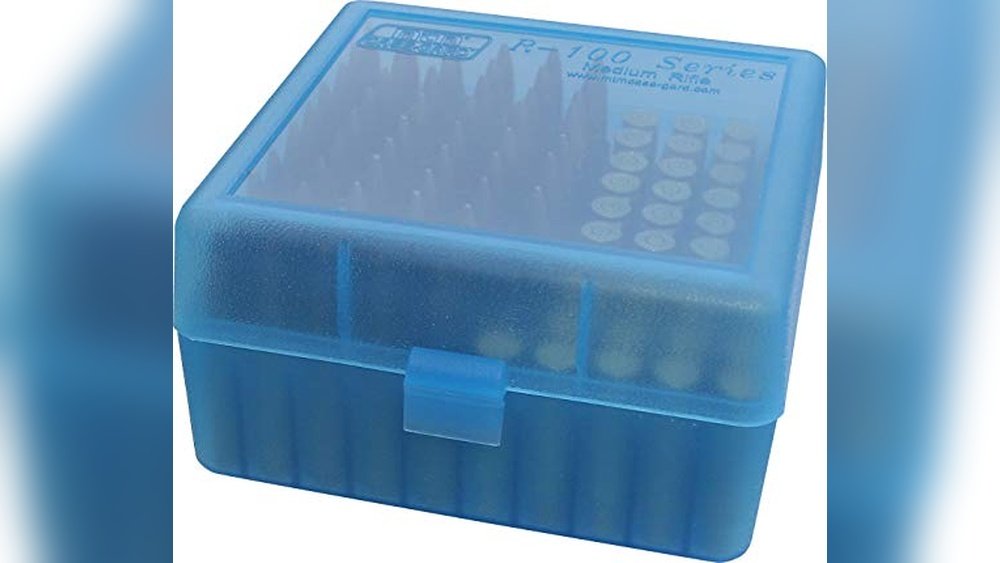
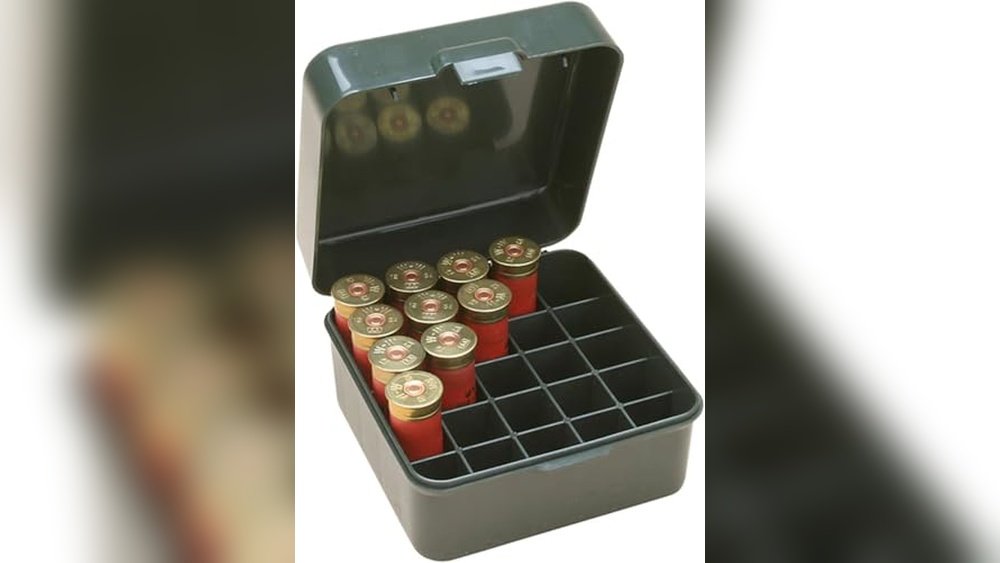
Choosing the right storage containers is key for keeping reloads safe and separate from factory ammo. Proper containers protect your ammunition from damage and help you organize it. This keeps your reloads in good condition and easy to find. Understanding what types of containers work best can save you time and effort in the long run.
Materials That Prevent Damage
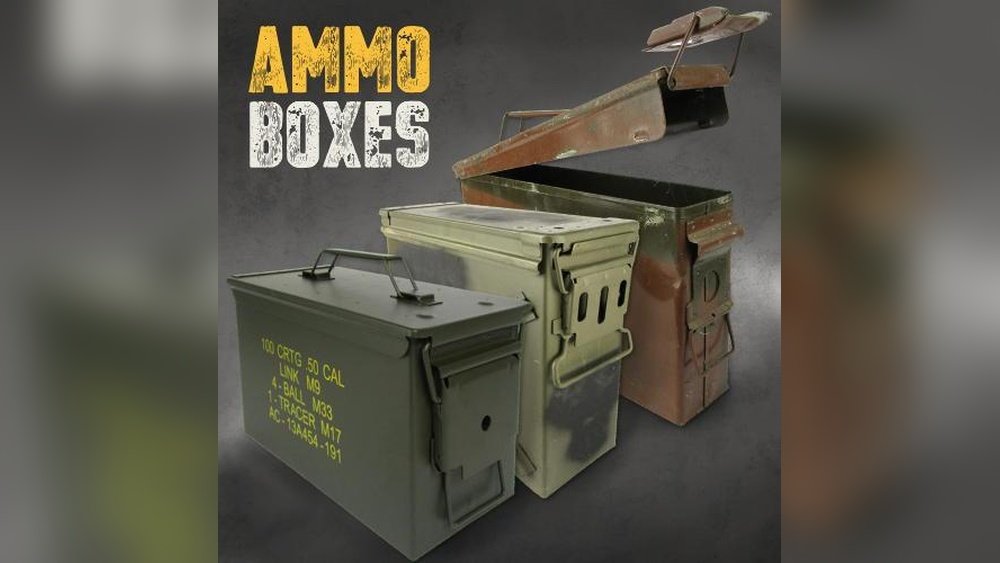
Choose containers made from durable materials like plastic or metal. Plastic cases protect against moisture and prevent rust. Metal boxes offer strong protection from impacts and crushing. Avoid cardboard or weak materials that can break down over time. Look for containers with tight seals to keep out dirt and humidity. This helps maintain the quality of your reloads for longer periods.
Labeling For Easy Identification
Label each container clearly to identify its contents quickly. Use waterproof labels or permanent markers to avoid fading. Include important details like caliber, bullet type, and load data. Labels reduce confusion and help you grab the right ammo fast. Organizing by date or batch number also helps track reload quality and consistency.
Safe Storage Locations
Storing reloads separately from factory ammo is key for safety and organization. Choosing the right place keeps your ammo secure and in good condition. Safe storage locations help prevent accidents and damage. This section covers important factors to consider when picking a storage spot.
Temperature And Humidity Control
Ammo lasts longer in cool, dry places. High heat can cause powder to break down. Too much moisture can lead to corrosion on bullets and casings. Aim for a stable temperature around 60-70°F (15-21°C). Keep humidity below 50 percent to avoid rust. Use sealed containers or ammo cans with desiccant packs. These help control moisture inside storage areas.
Avoiding High-traffic Areas
Pick a quiet spot away from daily activity. Avoid places near children or pets for safety. High-traffic areas increase the risk of accidental bumps or drops. Store reloads out of sight to reduce theft risk. A locked cabinet or safe is best. This limits access and keeps ammo secure from unauthorized users.

Handling And Transporting Reloads
Handling and transporting reloads requires care to keep them safe and functional. Reloaded ammunition differs from factory ammo. It is made by hand or with special equipment. Proper handling avoids damage and keeps the reloads reliable. Transporting reloads in the right way reduces risks and protects your investment.
Minimizing Movement And Shock
Reloads can get damaged by strong movement or shocks. Keep them steady during transport. Use padding materials like foam or cloth to reduce shaking. Avoid dropping or throwing reload containers. Every bump can affect the powder or primer inside. Handle reloads gently to keep them in good condition.
Using Protective Cases
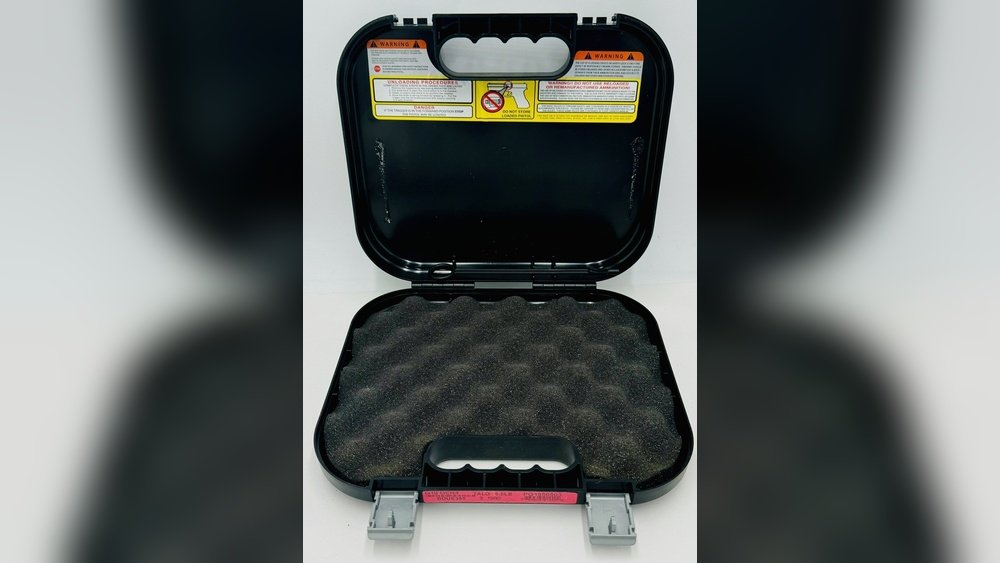
Protective cases shield reloads from impact and moisture. Choose cases with sturdy walls and secure lids. Inside padding helps stop rounds from hitting each other. Label cases clearly to separate reloads from factory ammo. Using cases makes transport safer and storage easier.
Legal And Regulatory Considerations
Storing reloads separately from factory ammo involves legal and regulatory rules. These rules protect safety and prevent accidents. Reloaders must know these laws before storing ammunition.
Local Storage Laws
Storage laws vary by state and city. Some areas require ammo to be locked in a safe. Others limit the amount you can store at home. Some places may require separation of reloads and factory ammo by law. Always check local laws to avoid fines or legal trouble.
Compliance Tips For Reloaders
Keep ammo in approved containers with clear labels. Store reloads in a different place from factory rounds. Use a locked cabinet or safe designed for ammo. Follow local rules about storage limits and location. Regularly review laws to stay compliant and safe.
Routine Inspection And Maintenance
Routine inspection and maintenance keep your ammo safe and reliable. Storing reloads separately from factory ammo helps avoid mix-ups. Regular checks catch problems early, saving time and money.
Checking For Corrosion Or Damage
Look closely at each reload for signs of corrosion or damage. Rust or discoloration can weaken the casing and affect performance. Check for dents, cracks, or powder leaks. Damaged rounds can cause malfunctions or accidents. Handle each round gently to avoid unnoticed damage.
Replacing Containers When Needed
Use strong, airtight containers to store reloads. Over time, containers can wear out or crack. Replace any container showing signs of damage or poor sealing. Proper containers protect ammo from moisture and dirt. Clear labeling helps separate reloads from factory ammo easily.

Frequently Asked Questions
Why Store Reloads Separately From Factory Ammo?
Storing reloads separately prevents confusion and enhances safety. Reloads may have different powder charges or primers, affecting performance. Separation also helps in quick identification and reduces the risk of mixing incompatible ammunition types.
How Does Separate Storage Improve Ammo Safety?
Separate storage reduces accidental mix-ups that can lead to firearm malfunctions. It ensures each ammo type is handled correctly, maintaining firearm integrity. Proper labeling and segregation minimize risks, promoting safer shooting experiences.
What Are The Best Containers For Storing Reloads?
Use sturdy, airtight containers with clear labels for reloads. Plastic or metal ammo boxes work well. Ensure containers protect from moisture and physical damage, preserving ammo quality over time.
Can Mixing Reloads With Factory Ammo Cause Damage?
Yes, mixing reloads with factory ammo can cause feeding or firing issues. Reloads vary in specifications, which may not match factory ammo standards. This mismatch can lead to firearm jams or unsafe conditions.
Conclusion
Storing reloads separately keeps your ammo safe and organized. It helps you avoid mix-ups during use or emergencies. Clear labels and different containers make identification easy. This simple step improves safety for you and others. Always choose a cool, dry place for storage.
Keeping reloads apart also protects your equipment. Small efforts like these prevent accidents and save time. Remember, careful storage means peace of mind and readiness. Safe ammo habits benefit everyone who handles firearms.