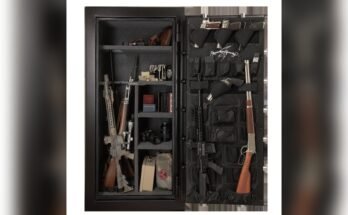
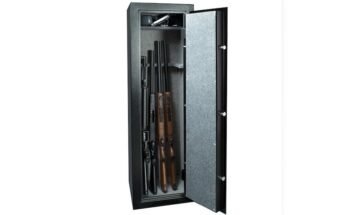
Are you worried about moisture damaging your valuable firearms inside your rifle safe? Condensation can sneak in quietly, causing rust and corrosion that ruin your guns over time.
But don’t worry—you can stop this problem before it starts. You’ll discover simple, effective ways to keep your rifle safe dry and your firearms protected. Keep reading to find out how to take control of moisture and safeguard your investment for years to come.
Causes Of Condensation In Rifle Safes
Condensation inside a rifle safe causes rust and damage to firearms. Understanding what causes this moisture buildup helps prevent these issues. Several common factors lead to condensation in your safe.
Temperature Fluctuations
Changes in temperature cause air inside the safe to cool or warm rapidly. Warm air holds more moisture than cold air. When the air cools down, moisture turns into water droplets. This process creates condensation on metal surfaces inside the safe.
Poor Ventilation
Lack of airflow traps moist air inside the safe. Without fresh air, humidity levels rise quickly. Stagnant air holds moisture, which collects on guns and shelves. Proper ventilation helps keep air dry and reduces condensation risk.
High Humidity Levels
High moisture in the surrounding air means more water vapor enters the safe. This vapor condenses on cooler metal parts. Areas with high humidity need extra care to keep safes dry. Using a dehumidifier or moisture absorber helps lower humidity inside.
Risks Of Condensation For Firearms
Condensation inside a rifle safe creates many problems for firearms. Moisture builds up on metal and wood parts. This can cause damage that is hard to fix. Understanding the risks helps you protect your guns better.
Rust And Corrosion
Moisture causes rust to form on metal surfaces. Rust weakens the metal and spreads quickly. Corrosion can ruin important parts like barrels and triggers. Once rust appears, it harms the gun’s value and safety.
Damage To Wood And Metal
Wood stocks absorb moisture and swell or crack. This makes the firearm uncomfortable to hold and use. Metal parts may warp or lose their finish. Both wood and metal suffer from constant dampness inside the safe.
Impact On Firearm Performance
Condensation affects how well a gun works. Rust and damage cause jams or misfires. Moisture can harm the gun’s internal mechanisms. Poor performance puts the shooter at risk during use.
Improving Safe Ventilation
Condensation inside a rifle safe can damage your firearms over time. Improving ventilation helps reduce moisture and keeps your safe dry. Proper airflow stops damp air from settling inside the safe. Here are some ways to improve ventilation in your rifle safe.
Installing Ventilation Fans
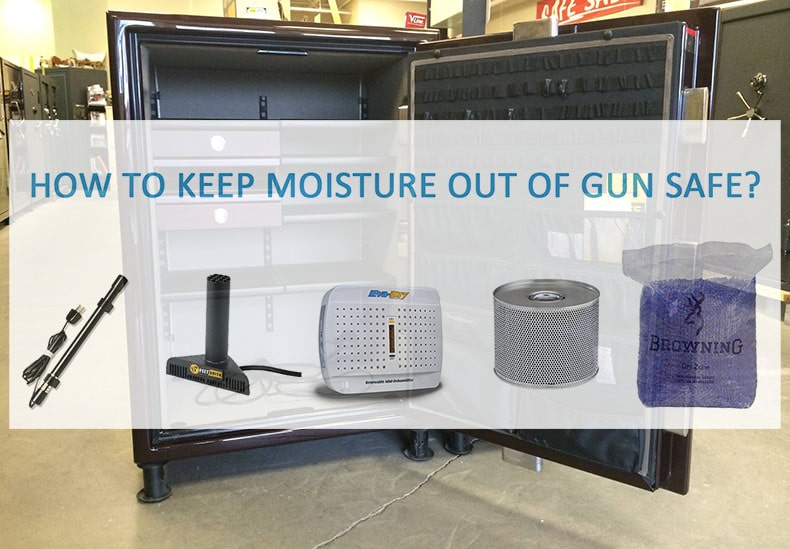
Ventilation fans move air inside the safe. They push moist air out and bring fresh air in. Small, battery-powered fans work well in most safes. Install fans near vents for better air circulation. Running fans for a few hours daily helps reduce condensation.
Using Desiccant Packs
Desiccant packs absorb moisture from the air. Silica gel packs are common and easy to find. Place several packs inside the safe on different shelves. Replace them regularly to keep them effective. Desiccants work quietly and need no power source.
Keeping The Safe Door Slightly Ajar
Leaving the door slightly open lets air flow in and out. This reduces trapped moisture and condensation. Use a small spacer or wedge to keep the door just ajar. Only do this in a safe, secure area to avoid theft. Air exchange lowers humidity inside the safe.

Controlling Humidity Inside The Safe
Controlling humidity inside a rifle safe is key to stopping condensation. Moisture causes rust and damage to your firearms. Keeping the air dry helps preserve your guns for years. Use tools and methods that reduce moisture effectively. Monitor the conditions often to keep the safe environment stable.
Using Dehumidifiers
Dehumidifiers remove moisture from the air inside the safe. Electric models plug in and maintain a set humidity level. They work quietly and need little attention. Some safes come with built-in dehumidifiers for convenience. Small, rechargeable dehumidifiers are good for smaller safes. These devices keep humidity low and prevent rust.
Humidity Monitor Placement
Place a humidity monitor inside the safe for accurate readings. Put it at gun level, away from walls or corners. Avoid placing it near the door to get true air conditions. Check the monitor regularly to track humidity changes. Knowing the exact humidity helps you act quickly. A good monitor keeps you informed and ready.
Silica Gel And Other Absorbents
Silica gel packs absorb moisture and keep air dry. Place several packs inside the safe, replacing them often. Other absorbents like clay or activated charcoal work too. These materials are cheap and require no power. They work best in combination with a dehumidifier. Absorbents help keep your safe dry and your guns safe.
Temperature Management Strategies
Managing temperature inside and around your rifle safe helps reduce condensation. Condensation forms when warm, moist air meets cold surfaces. Controlling temperature changes keeps moisture from building up inside your safe. Use smart strategies to keep the air steady and dry.
Avoiding Rapid Temperature Changes
Sudden shifts in temperature cause moisture to form quickly. Keep the room temperature steady near the safe. Avoid turning heat or air conditioning on and off often. Let the air warm or cool slowly over time. This stops water droplets from collecting inside the safe.
Safe Placement In The Room
Place your safe away from outside walls and windows. These areas get colder and cause more condensation. Choose a spot with stable temperature and low humidity. Avoid corners where air can get trapped and moist. A central room location works best for steady conditions.
Insulating The Safe
Add insulation around your rifle safe to keep temperatures even. Use foam panels or insulation blankets made for safes. This layer blocks cold air and reduces temperature swings. Insulation also stops cold surfaces inside the safe. It helps keep your rifles dry and safe from rust.
Routine Maintenance Tips
Routine maintenance keeps your rifle safe dry and your firearms in top condition. Small actions prevent moisture build-up and rust. Follow these simple steps regularly for the best protection.
Regular Inspection For Moisture
Check inside your rifle safe at least once a week. Look for water drops or damp spots. Early detection stops mold and rust. Wipe away any moisture with a dry cloth. Keep the safe door open for a few minutes after inspection to air it out.
Cleaning And Oiling Firearms
Clean your guns before storing them in the safe. Remove dirt, powder, and old oil with a soft cloth. Apply a light coat of gun oil to metal parts. This layer protects against rust caused by condensation. Avoid over-oiling, which can attract dust and moisture.
Replacing Desiccants Periodically
Desiccants absorb moisture and keep the air dry inside the safe. Replace these moisture absorbers every 2 to 3 months. Check their condition regularly; some change color when full. Use silica gel or other quality desiccants made for gun safes. Fresh desiccants improve air quality and reduce condensation risks.
Frequently Asked Questions
How Can I Prevent Condensation Inside My Rifle Safe?
Use a dehumidifier or silica gel packs inside the safe. Keep the safe in a dry, well-ventilated area to reduce moisture buildup. Regularly check and replace moisture absorbers to maintain low humidity levels.
Why Does Condensation Form In Rifle Safes?
Condensation forms due to temperature changes and high humidity inside the safe. Moist air cools down, causing water droplets to collect on metal surfaces. This can lead to rust and damage if not controlled.
What Are The Best Humidity Levels For A Rifle Safe?
Maintain humidity between 30% and 50% to prevent rust and condensation. Using a hygrometer can help monitor and control safe conditions effectively. Proper humidity levels protect firearms and accessories from moisture damage.
Can A Dehumidifier Damage My Rifle Safe?
No, using a dehumidifier is safe and helps protect your firearms. It reduces moisture, preventing rust and corrosion. Choose a small, safe-friendly unit designed for enclosed spaces.
Conclusion
Stopping condensation in your rifle safe protects your guns from rust. Keep the safe dry by using moisture absorbers like silica gel. Ensure good ventilation to let air flow inside the safe. Check seals and fix any leaks quickly. Regularly monitor humidity levels with a hygrometer.
These simple steps help maintain your firearms in top condition. Protect your investment and enjoy peace of mind. Easy to do and worth the effort.