Moving a heavy rifle safe is no small task—and if you’re not careful, your floors could pay the price. Imagine spending hours setting up your safe, only to find scratches, dents, or stains on your beautiful flooring.
You want to protect both your investment and your home. You’ll discover simple, effective ways to keep your floors safe while moving your rifle safe. Keep reading to learn the best tips and tricks that will save you time, money, and stress.
Your floors will thank you.
Assessing Floor Types
Protecting your floors is key when moving a heavy rifle safe. Different floors need different care. Knowing your floor type helps prevent damage and saves money. This section breaks down how to handle common floor types.
Identifying Hardwood Surfaces
Hardwood floors are beautiful but scratch easily. They can dent under heavy weight. Check for soft spots or visible grains to confirm hardwood. Use thick furniture pads or moving blankets to protect the wood. Avoid dragging the safe directly on the floor. Lift or slide it gently to keep the finish safe.
Handling Tile And Stone Floors
Tile and stone floors are hard but can crack. The grout between tiles may chip from heavy impact. Look for a cold, hard surface with grout lines. Use rubber mats or thick blankets under the safe. Move the safe slowly to avoid sudden pressure. Protect corners and edges where cracks often start.
Dealing With Carpeted Areas
Carpets offer some cushion but may flatten or tear. The safe’s weight can leave permanent marks. Identify carpet by its soft, fibrous texture. Place plywood sheets or hard boards under the safe to spread weight evenly. Avoid pulling the safe across carpet fibers. Lift or slide carefully to keep the carpet intact.
Preparing The Safe For Moving
Preparing a rifle safe for moving is crucial to protect your floors and the safe itself. Careful steps before the move make the process safer and smoother. Focus on removing contents and securing the safe properly. These steps reduce weight and prevent damage during transport.
Emptying And Securing Contents
Remove all firearms, ammunition, and valuables from the safe. This lightens the load and prevents items from shifting inside. Place the items in secure containers for moving. Check for loose parts or shelves and secure them tightly. Use padding or cloth to protect fragile contents. An empty safe is easier and safer to carry.
Locking Mechanisms And Safety Checks
Close and lock all doors and drawers firmly. This stops the safe from opening during the move. Test the locking mechanism to ensure it works smoothly. Disable any alarms or electronic systems temporarily. Confirm the safe is completely shut and secure. Double-check all locks before lifting or sliding the safe.
Essential Tools And Materials
Protecting your floors while moving a rifle safe is crucial. Using the right tools and materials makes the job easier and safer. These items help prevent scratches, dents, and other damage to your flooring. They also make moving heavy safes smoother and less risky.
Moving Blankets And Pads
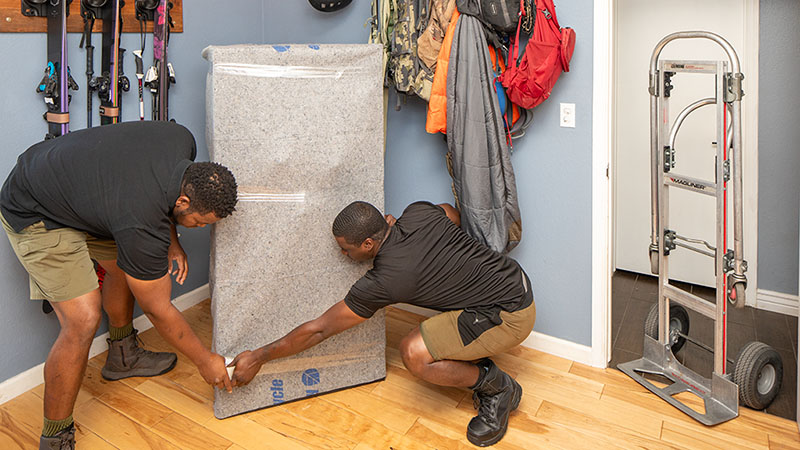
Moving blankets and pads cushion the safe during transport. They absorb shocks and prevent direct contact with the floor. Wrap the safe fully to avoid scratches and dents. Thick blankets work best for heavy safes. Secure them tightly with straps or tape.
Furniture Dollies And Sliders
Furniture dollies help roll the safe smoothly across floors. They reduce strain on your back and save effort. Place the safe on a sturdy dolly before moving. Sliders are great for sliding the safe over carpet or hard floors. They prevent the safe from sticking or scratching the surface.
Protective Floor Coverings
Use protective floor coverings to shield floors from damage. Cardboard sheets, plywood, or plastic mats work well. Lay them on the floor path before moving the safe. This creates a barrier against scratches and dirt. Choose coverings that match your floor type for best results.
Techniques For Safe Transport
Moving a rifle safe requires care to protect your floors from damage. Using the right techniques helps avoid scratches and dents. Safe transport means planning how to lift, move, and place the safe carefully.
Focus on strong lifting methods, using tools like dollies, and handling tight spaces with care. These steps keep your floors safe and make the move easier.
Lifting Strategies To Avoid Scratches
Always lift the safe instead of dragging it. Dragging can leave scratches or marks on wood and tile floors. Use thick blankets or moving pads under the safe to protect the floor. Bend your knees and keep your back straight while lifting. This reduces the risk of dropping the safe or hurting yourself. Ask for help if the safe is too heavy. Two or more people can lift safely without rushing.
Using Dollies Without Damaging Floors
Choose a dolly with soft rubber wheels to protect floors. Hard wheels can leave dents or scratches. Place a moving blanket on the dolly before loading the safe. This prevents the safe from sliding and protects both surfaces. Roll the dolly slowly and avoid sudden turns. Watch the floor closely for any debris that can cause damage. Move over smooth surfaces and avoid rough or uneven floors.
Navigating Doorways And Tight Spaces
Measure doorways and hallways before moving the safe. This helps plan the best path and avoid tight spots. Tilt the safe carefully to fit through narrow spaces without scraping walls or floors. Use furniture sliders or extra blankets under the safe in tight areas. These reduce friction and protect the floor. Move slowly and communicate with helpers to avoid accidents. Take breaks if needed to stay safe and careful.
Preventing Common Floor Damages
Moving a rifle safe can harm your floors if you are not careful. Common damages include dents, scratches, and stains. Protecting floors during the move keeps your space looking new. Simple steps help prevent these issues and save repair costs.
Avoiding Dents And Gouges
Heavy safes cause dents if dropped or slid carelessly. Use thick moving blankets under the safe. These cushions reduce pressure on the floor. Try furniture sliders to ease the safe’s movement. They help avoid gouges and scratches. Always lift slightly instead of dragging the safe.
Protecting Against Moisture And Stains
Safes can trap moisture, causing floor stains. Place a waterproof mat beneath the safe. This barrier stops water from reaching the floor. Clean the floor before placing the safe. Moisture from dirt can damage wood or carpet. Check for leaks or spills during the move. Wipe any wet spots quickly to prevent stains.
Post-move Floor Care
After moving a heavy rifle safe, taking care of the floor is very important. Floors can get scratched, dented, or stained during the move. Paying attention to the floor right after moving the safe helps keep it looking good for years. This section covers how to check your floor for damage and the best ways to clean and fix any problems.
Inspecting For Damage
Start by looking closely at the floor where the safe was placed. Check for scratches, dents, or discoloration. Use good light to see small marks. Walk around the area and touch the floor to find uneven spots. Mark any damage with a small piece of tape or chalk. This helps know what needs fixing later.
Cleaning And Repair Tips
Clean the floor gently to avoid causing more damage. Use a soft broom or vacuum to remove dirt and dust. For hardwood or laminate, use a damp mop with a mild cleaner. Avoid soaking the floor with water. For small scratches, try a wood repair marker or wax stick. Fill dents with a wood filler that matches the floor color. For stubborn stains, use a cleaner made for your floor type. Dry the floor well after cleaning to stop water damage.
Hiring Professional Movers
Moving a rifle safe is not an easy task. These safes are heavy and bulky. They can easily damage your floors if not handled properly. Hiring professional movers can protect your floors and make the move safer.
Experts have the right tools and skills. They know how to lift and carry heavy items without causing damage. Professionals also save you time and effort.
Benefits Of Expert Handling
Professional movers have experience with heavy and delicate items. They use special equipment like dollies and floor protectors. This helps avoid scratches and dents on your floors. Their team works together to move the safe carefully. They reduce the risk of accidents and damage.
With experts, you get peace of mind. You do not have to worry about hurting yourself or breaking the safe. They follow safety rules and protect your home during the move.
What To Look For In Movers
Choose movers who specialize in heavy or bulky items. Check if they have good reviews and reliable service. Ask if they bring floor protection materials. Confirm they carry insurance for accidents or damages.
Communication is key. Pick movers who explain the process clearly. They should give a fair price and be punctual. Trustworthy movers respect your home and handle your safe with care.
Frequently Asked Questions
How Can I Prevent Floor Scratches Moving A Rifle Safe?
Use protective materials like moving blankets or thick rugs under the safe. Avoid dragging it; instead, lift or slide carefully. Applying floor protectors or furniture sliders can also reduce scratches and damage during the move.
What Tools Help Protect Floors When Moving Safes?
Furniture sliders, moving blankets, and heavy-duty dollies are essential. These tools distribute weight evenly and prevent direct contact with floors. They make moving a rifle safe safer and reduce the risk of floor damage effectively.
Should I Disassemble The Rifle Safe Before Moving?
Disassembling can reduce weight and make the move safer. It also helps protect floors by allowing easier handling. However, check manufacturer instructions to avoid voiding warranties or damaging the safe during disassembly.
How Do I Move A Heavy Rifle Safe Without Damaging Floors?
Lift the safe using proper lifting techniques or use a dolly with furniture sliders. Avoid dragging to prevent scratches. Moving slowly and carefully ensures floor protection and safe transport of your rifle safe.
Conclusion
Protecting floors during a rifle safe move takes care and planning. Use thick blankets or plywood to shield floors from scratches. Rollers or sliders help move the safe without damage. Always lift carefully and avoid dragging heavy weight. Small steps save your floors and prevent costly repairs.
Keep safety and floor care in mind for a smooth move. Simple actions make a big difference in protecting your home.