If you own a rifle, you probably want to keep it safe and secure. But have you ever wondered if storing your rifle safe in the basement is really a good idea?
Your basement might seem like the perfect spot—out of sight and away from daily chaos. Yet, there are important factors you need to consider before making this choice. You’ll discover what risks and benefits come with keeping your rifle safe in the basement, so you can make the best decision for your safety and peace of mind.
Keep reading—you don’t want to miss these crucial tips.

Risks Of Basement Storage
Storing a rifle safe in the basement may seem practical. Basements often provide extra space and are out of daily sight. Yet, several risks come with this choice. These risks can affect the safety and condition of your firearm. Understanding them helps in making a safer decision.
Moisture And Rust Damage
Basements usually have high moisture levels. This moisture can cause rust on metal parts of your rifle. Rust weakens the rifle and affects its performance. Even a small amount of moisture can cause damage over time. Using a dehumidifier or moisture absorbers helps but does not fully solve the problem.
Temperature Fluctuations
Basements often face changes in temperature. Hot summers and cold winters cause expansion and contraction of rifle parts. These shifts can harm the rifle’s precision and reliability. Constant temperature swings may also damage wooden stocks and other materials. Keeping the temperature stable is hard in most basements.
Security Concerns
Basements might be easier to break into than other parts of a house. Windows and doors in basements are less visible and less secure. This makes them a target for intruders. Storing a rifle safe in the basement requires strong locks and alarms. Without extra security, the risk of theft rises significantly.

Benefits Of Basement Storage
Storing a rifle safe in the basement offers several benefits. It provides a practical and secure place away from main living areas. Basements often have ideal conditions for keeping firearms protected and out of sight. This section explains why basement storage can be a smart choice for your rifle safe.
Discreet Location
Basements offer a hidden spot for your rifle safe. This keeps your firearms away from plain view. It reduces the chance of theft or unwanted attention. The basement is less visited by guests, adding extra privacy. This discreetness helps maintain safety in your home.
Space Availability
Basements usually have more space than other rooms. This allows you to place a large rifle safe without crowding. You can organize other items around it easily. The extra room helps with proper ventilation and reduces moisture risk. A spacious basement supports better storage conditions.
Accessibility
Basement storage is easy to reach for authorized users. It keeps your firearms close but separate from daily living areas. You can install shelves or racks near the safe for convenience. This setup ensures quick access in emergencies. Accessibility in the basement balances safety and readiness.
Choosing The Right Safe
Choosing the right safe is key to keeping your rifle secure in the basement. A good safe protects against theft, fire, and water damage. You must pick a safe that meets your needs and fits the space available. Consider features that improve safety and convenience. This guide will help you understand what to look for.
Fireproof And Waterproof Features
Basements can face moisture and flooding risks. A safe with waterproof protection keeps your rifle dry. Fireproof safes protect your guns from heat and flames. Choose safes tested for fire resistance. This adds an important layer of security for your valuables.
Locking Mechanisms
Strong locks stop unauthorized access. Electronic locks offer quick entry and allow code changes. Mechanical locks work without batteries and are reliable. Some safes use biometric locks for extra security. Pick a locking system that suits your comfort and safety.
Size And Capacity
The safe must fit your rifle and extra gear. Measure your rifle’s length and width before buying. Consider space for ammunition and cleaning tools. A larger safe means more storage but takes more room. Balance capacity with the available basement space.
Environmental Controls
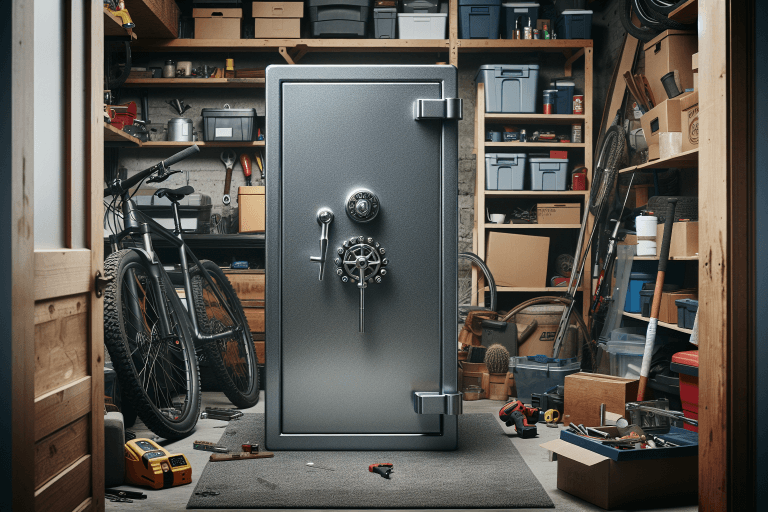
Keeping a rifle safe in the basement needs careful attention to environmental controls. The basement can have high moisture and unstable temperatures. These factors can damage your rifle over time. Controlling the environment helps keep your rifle safe and in good shape.
Dehumidifiers And Ventilation
Basements often have high humidity. Moist air can cause rust on metal parts of your rifle. A dehumidifier reduces moisture in the air. It keeps the basement dry and protects your rifle. Proper ventilation helps air flow. It prevents damp spots and stops stale air from building up.
Temperature Regulation
Basements can be cold or hot depending on the season. Extreme temperature changes can harm your rifle. Metal can expand and contract, causing damage. Keeping the temperature steady helps maintain the rifle’s condition. Using heaters or coolers can create a stable environment.
Mold And Mildew Prevention
Mold and mildew grow in damp, dark places. They can ruin wood and fabric parts of your rifle. Controlling humidity and improving ventilation stops mold growth. Regularly check your safe and basement for any signs of mold. Clean and dry any affected areas immediately.
Security Enhancements
Keeping a rifle safe in the basement can offer extra protection. Still, adding security features is important. These steps help prevent theft and keep your firearms secure.
Simple measures can make a big difference. Security enhancements create multiple layers of defense. This lowers the risk of unauthorized access.
Alarm Systems
Alarm systems alert you if someone tries to open the safe. Some alarms connect to your phone for instant alerts. Loud sirens can scare off intruders quickly. Install alarms that detect motion or door opening. This extra warning improves the safety of your rifle.
Surveillance Cameras
Surveillance cameras watch your basement area 24/7. They record any suspicious activity near the safe. Cameras act as a strong deterrent against thieves. Choose cameras with night vision for low light. Check footage regularly or use live view on your phone. This helps you spot problems early and respond fast.
Reinforced Safe Installation
Secure your safe to the basement floor or wall. Use bolts and brackets designed for heavy safes. Reinforced installation stops thieves from moving or stealing the whole safe. Place the safe in a hidden or hard-to-reach spot. This adds an extra challenge for anyone trying to break in. Proper mounting increases the overall security of your rifle storage.
Legal And Safety Considerations
Storing a rifle in the basement involves important legal and safety points. Understanding these rules helps keep you and others safe. It also prevents legal troubles. Each home and state has different rules. Knowing them protects your rights and your family.
Safety is key. Proper storage stops accidents. Planning access in emergencies is also important. This section covers these topics in simple terms.
Local Storage Laws
Each state has laws on gun storage. Some require locks or safes. Others have rules about where guns can be kept in a house. Check your state and local laws first. Follow all storage rules strictly. It helps avoid fines or jail time. Legal storage keeps your home safer.
Child Safety Measures
Children should never reach firearms. Use strong gun safes or lockboxes. Keep keys or combinations hidden and separate. Teach children about gun dangers simply and clearly. Safe storage stops accidents and keeps kids safe.
Emergency Access Planning
You might need quick rifle access in emergencies. Plan how to open the safe fast. Use reliable locks that open easily for you. Practice opening the safe with trusted family members. Balance safety with quick access carefully.
Frequently Asked Questions
Is A Basement Safe For Storing Rifles?
A basement can be safe if dry, secure, and climate-controlled. Moisture and temperature swings may damage firearms. Use a quality gun safe and dehumidifier to protect your rifles.
How To Prevent Moisture Damage In Basement Gun Safes?
Use a dehumidifier and silica gel packs inside the safe. Ensure good ventilation and seal cracks to reduce dampness. Regularly check for mold or rust to keep rifles safe.
Are Basement Gun Safes Vulnerable To Theft?
Yes, if not properly secured. Choose a heavy, bolted-down safe with a strong lock. Install security cameras or alarms to deter unauthorized access to your rifles.
What Temperature Is Ideal For Rifle Storage?
Maintain a stable temperature between 55°F and 75°F. Extreme heat or cold can harm firearm components and ammunition. Consistent climate control extends rifle longevity.
Conclusion
Storing a rifle safe in the basement can be secure with the right steps. Choose a dry, cool spot to avoid damage. Use a quality safe that locks well. Keep the area clean and check for moisture often. Remember, safety is key for you and your family.
Regularly review your storage setup. Make sure the safe stays hidden and hard to reach. Taking these actions helps protect your rifle and peace of mind. Safe storage is a small effort with big benefits.