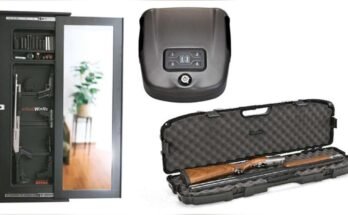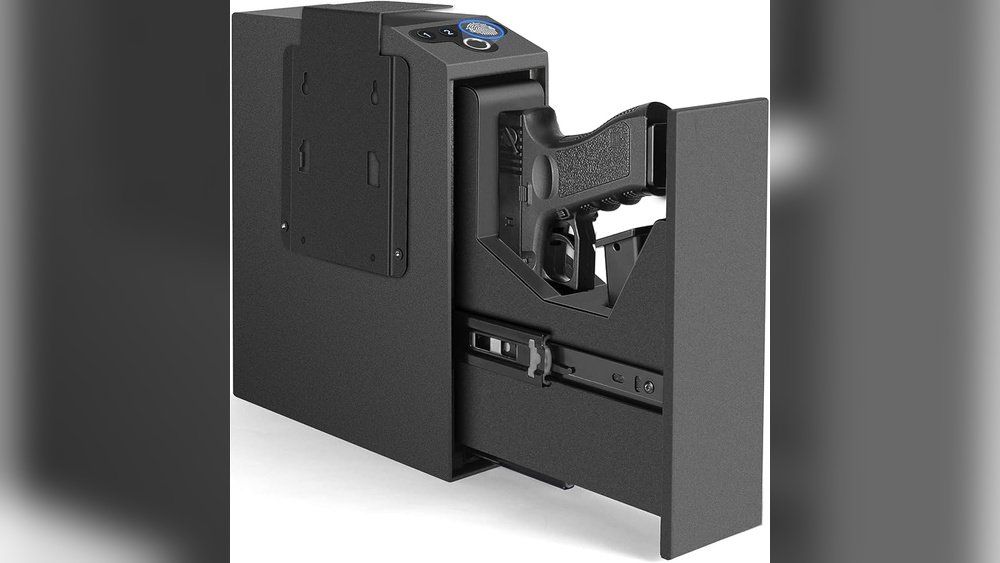
Are you worried about keeping your firearms secure but still want quick access when you need them? Biometric safes promise just that—fast, fingerprint-based entry combined with strong protection.
But before you make a purchase, you might be asking: Are biometric safes legal for firearms where you live? Understanding the rules can save you from costly mistakes and ensure your safety setup follows the law. Keep reading to discover what you need to know about biometric safes and firearm regulations, so you can protect your guns the right way.
Biometric Safes And Firearm Laws
Biometric safes use fingerprint or other unique body features to secure firearms. These safes offer quick access and enhanced security. Understanding how they relate to firearm laws is important for responsible gun owners. Laws differ by state and federal rules also play a role. This section explains how biometric safes work and their legal status.
How Biometric Safes Work
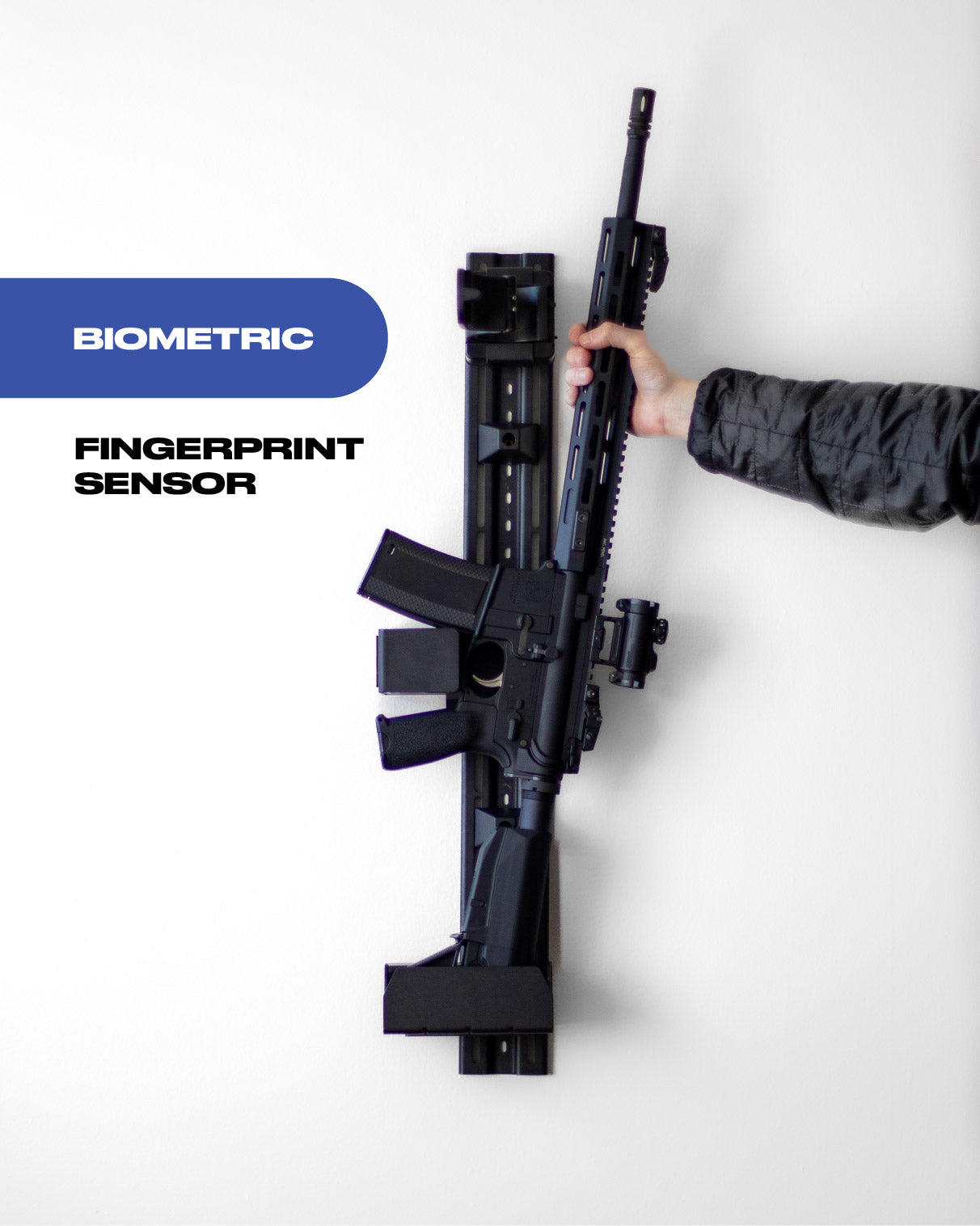
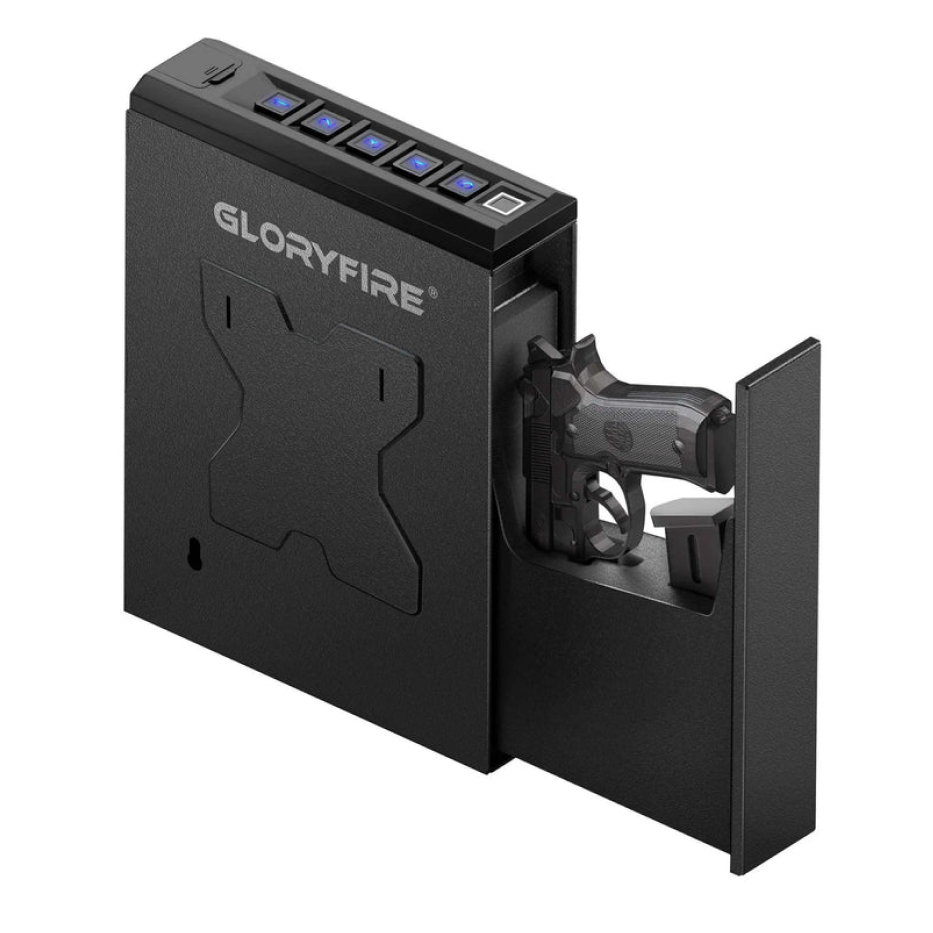
Biometric safes scan fingerprints or retinal patterns. The safe opens only for registered users. This technology prevents unauthorized access. It works fast, often unlocking in seconds. Many models combine biometric access with traditional keys or codes. This dual method adds a backup entry option. The safes store biometric data securely inside the lock system.
Legal Status Across States
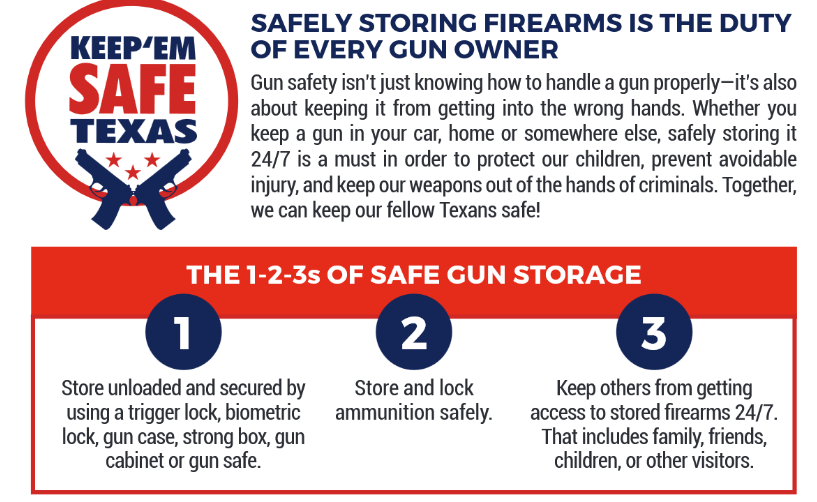
States have different laws about firearm storage. Some states require all guns to be locked safely. Biometric safes usually meet these rules. A few states may have specific standards for locking devices. Checking local laws is important before buying a biometric safe. Many states allow biometric safes as a legal way to store guns. It helps keep firearms away from children and thieves.
Federal Regulations Impact
Federal law requires safe storage to prevent accidents. It does not ban biometric safes. The Gun Control Act focuses on who can own firearms. It does not limit safe types. The Child Safety Lock Act encourages secure storage, which biometric safes support. Using biometric safes can help meet federal safety goals. Gun owners should follow all safety and legal guidelines to avoid penalties.
Benefits Of Using Biometric Safes
Biometric safes offer many benefits for firearm storage. They combine advanced technology with practical security. These safes use fingerprint recognition to allow quick and secure access. This technology improves safety at home and helps prevent accidents.
Enhanced Security Features
Biometric safes use unique fingerprint data to grant access. This makes it very hard for unauthorized people to open them. Unlike traditional locks, they do not rely on keys or codes that can be lost or stolen. The safes also have strong metal construction to protect firearms from theft and damage.
Quick Access In Emergencies
Biometric safes open quickly with just a touch. This allows firearm owners to reach their weapons fast in urgent situations. No need to fumble with keys or remember passwords. The fast access can be crucial during self-defense or emergency moments.
Preventing Unauthorized Use
Only registered fingerprints can open the safe. This stops children or intruders from accessing firearms. It helps reduce accidents and misuse of guns. The safe ensures that weapons stay in the hands of responsible users only.
Potential Legal Challenges
Biometric safes offer a modern way to secure firearms. Yet, they come with potential legal challenges. Laws around firearm storage differ by region. Understanding these issues is key for safe and legal use.
Compliance With Storage Requirements
Many laws require firearms to be stored securely. Biometric safes must meet these legal standards. Some rules demand specific lock types or construction. Not all biometric safes qualify as legal storage. Owners should check local laws carefully before buying.
Issues With Access Control
Biometric safes rely on fingerprint or face scans. These systems can fail or be bypassed. If unauthorized people access firearms, legal trouble may follow. Laws often require strict control over who can open the safe. Biometric errors can complicate proving compliance.
Liability Concerns
Safe owners may face liability if firearms are stolen or misused. Faulty biometric locks can increase risk. Courts may question the effectiveness of biometric safes. Owners should document safe use and maintenance. This helps reduce liability in case of incidents.
Alternatives To Biometric Safes
Biometric safes are popular for firearm security. Yet, many choose other options. Alternatives offer varied security levels and price points. These choices help meet different needs and preferences. Understanding these options is key for safe firearm storage.
Traditional Locking Mechanisms
Traditional locks use keys or combination dials. They have been trusted for decades. Simple and reliable, they require no batteries. Keys must be kept safe to avoid loss. Combination locks need memorized codes for access. These safes often cost less than electronic versions.
Electronic Keypad Safes
Electronic keypad safes use numeric codes for entry. Codes can be changed easily for security. They offer quick access without keys. Many models include backup keys for emergencies. Battery power is needed for operation. These safes balance convenience and security well.
Gun Cabinets And Vaults
Gun cabinets offer visible storage with locked doors. They provide basic security and easy access. Vaults are stronger, with thick steel walls. Vaults often come with advanced locking systems. Both options help organize firearms safely. They suit users needing different protection levels.
Tips For Choosing A Firearm Safe
Choosing the right firearm safe is important for security and legal reasons. A good safe keeps your guns secure and meets the law. This guide helps you pick a safe that fits your needs and follows rules. Focus on three key areas: legal requirements, security features, and ease of use. Each part helps you find the best safe for your home or business.
Assessing Legal Requirements
Check local and state laws about firearm storage. Some places require safes with specific features. Laws may set standards for lock types or construction. Following these rules keeps you safe from legal trouble. Make sure the safe meets all required certifications. This step protects you and others around you.
Evaluating Security Features
Look for strong materials like steel or reinforced metal. A safe should resist tampering and forced entry. Consider safes with multiple locking mechanisms. Biometric locks offer fast access but check their reliability. Fire resistance is also important to protect guns from fire damage. Choose a safe that balances strength and technology.
Considering User Convenience
Easy access is key, especially in emergencies. Biometric safes open quickly using fingerprints. Some safes offer backup keys or passcodes. Think about how many people will use the safe. The size should fit your firearms and extra items. A safe that is simple to use encourages regular use and secure storage.
Frequently Asked Questions
Are Biometric Safes Legal For Storing Firearms?
Yes, biometric safes are legal for firearm storage in most states. However, always check local laws as regulations vary by region and state.
Do Biometric Safes Meet Gun Storage Laws?
Biometric safes generally comply with gun storage laws. Ensure the safe meets specific legal requirements in your area before purchase.
Can Children Access Firearms In Biometric Safes?
Biometric safes limit unauthorized access, including children. They use fingerprint scans to allow only registered users entry, enhancing safety.
Are Biometric Safes Accepted In Court Cases?
Biometric safes can show responsible firearm storage. They may support legal defense by proving safe and restricted access to guns.
Conclusion
Biometric safes for firearms follow laws in most places. These safes help keep guns secure and limit access. Always check local rules before buying or using one. Safety matters most for gun owners and families. Choosing the right safe can protect your home.
Remember, responsible storage helps prevent accidents and theft. Stay informed and use secure methods to store firearms safely.