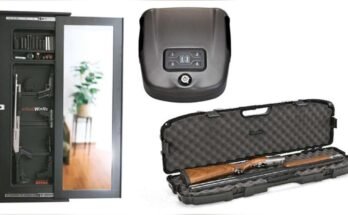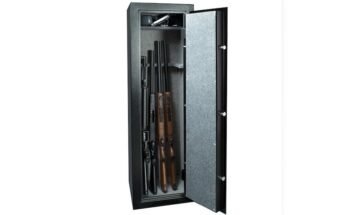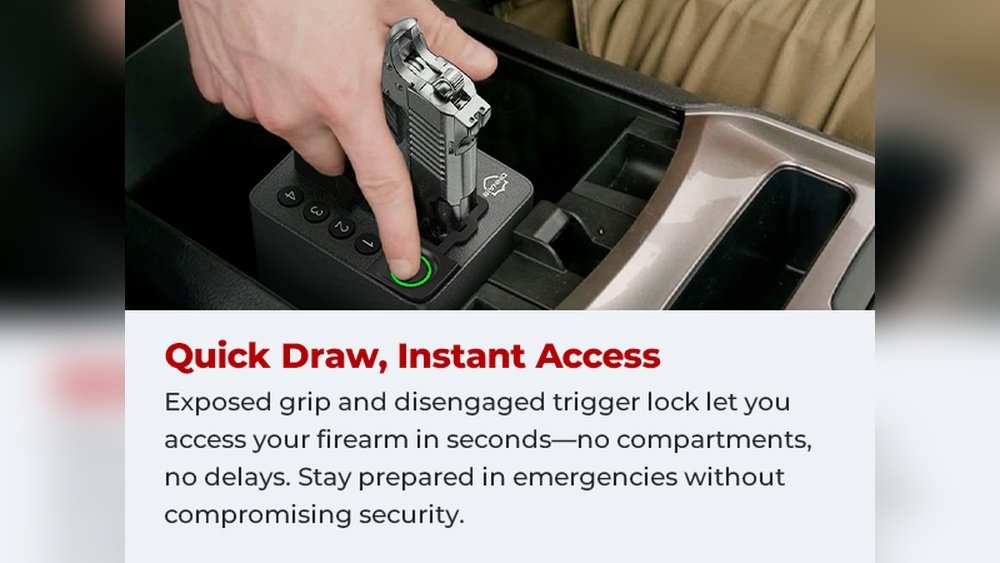
Have you ever found yourself frustrated because you couldn’t get to your rifle safe right when you needed it? Delays in accessing your rifle safe can be more than just annoying—they can put your safety and peace of mind at risk.
Understanding what causes these delays is the first step to solving the problem. You’ll discover the common reasons behind slow rifle safe access and simple ways to fix them. Keep reading to make sure your rifle safe works exactly when you need it most.

Common Causes Of Delayed Access
Access to a rifle safe can be delayed by several common issues. These problems can cause frustration and waste valuable time. Understanding these causes helps in better maintenance and quick solutions.
Mechanical Lock Failures
Mechanical locks can wear out or break. Springs may weaken or parts can get stuck. Dirt and rust also cause jams. These issues stop the lock from turning smoothly. Regular cleaning and lubrication reduce failures.
Electronic Malfunctions
Electronic locks use batteries and circuits. Sometimes, the keypad does not respond. Faulty wiring or damaged parts block signals. Moisture can also short the electronics. Testing and replacing faulty components fix these problems.
Power Supply Issues
Power loss stops electronic safes from opening. Dead batteries are the most common cause. Loose wires or poor connections also interrupt power. Keeping spare batteries nearby helps prevent delays. Checking connections regularly ensures steady power flow.

Environmental Factors Affecting Access
Environmental factors often cause delays in accessing a rifle safe. These elements affect the safe’s locking mechanism and overall function. Understanding these can help prevent frustrating situations.
Temperature, moisture, and physical barriers all play a role. They can slow down or even block access completely. Let’s explore how each factor impacts rifle safe access.
Temperature Extremes
Very hot or cold temperatures can affect the safe’s lock. Cold can make metal parts contract and stiffen. This stiffness can make turning the dial or key difficult.
Heat causes expansion of the metal parts. This may cause the lock to stick or jam. Sudden temperature changes worsen these effects. In places with extreme weather, access may slow down.
Humidity And Corrosion
High humidity leads to moisture inside the safe’s lock. Moisture causes rust and corrosion on metal parts. Rust makes the lock harder to turn or open.
Corrosion can damage internal components over time. This damage can block access or cause lock failure. Keeping the safe dry helps prevent these problems.
Physical Obstructions
Obstructions like dirt, dust, or debris can block the lock or door. These materials build up and stop the safe from opening smoothly. Regular cleaning prevents this issue.
Objects near the safe can also get in the way. This makes it hard to move the handle or dial freely. Clear space around the safe ensures easy access.
User-related Challenges
User-related challenges often cause delays in accessing rifle safes. These issues stem from mistakes or forgetfulness by the safe owner. Understanding these common problems helps prevent access delays and improves safe security.
Forgotten Combinations Or Codes
Many users forget their safe’s combination or digital code. Memory lapses happen easily, especially with complex codes. Repeated wrong attempts can lock the safe temporarily. This leads to frustration and wasted time during emergencies.
Improper Lock Handling
Users sometimes handle locks incorrectly. Turning the dial too fast or pressing buttons in the wrong order stops the lock from opening. This mistake causes unnecessary delays and may damage the locking mechanism over time.
Key And Backup Access Problems
Lost or misplaced keys create access issues. Backup keys are often not stored securely or are hard to find. Without a spare key, users face longer waits and may need professional help to open the safe.
Installation And Maintenance Pitfalls
Delays in accessing a rifle safe often stem from problems during installation and maintenance. These issues create frustration and can slow down emergency access. Proper setup and regular care are essential to avoid such delays.
Poor Installation Practices
Installing a rifle safe incorrectly causes many access problems. Misaligned doors or locks make opening difficult. Using the wrong tools or ignoring the manufacturer’s guide leads to damage. A poorly installed safe may not lock or unlock smoothly.
Neglected Routine Maintenance
Failing to maintain a rifle safe causes rust and dirt buildup. Locks and hinges can become stiff or jammed. Regular cleaning and lubrication keep parts moving freely. Ignoring maintenance results in slow or stuck locks.
Incompatible Lock Systems
Using lock systems that do not fit the safe causes access delays. Electronic locks need correct wiring and power supply. Mechanical locks must match the safe’s design. Mixing incompatible parts often leads to malfunction or failure.
Security Measures That Cause Delays
Rifle safes have strong security to keep guns safe. These safety steps stop quick access. They slow down opening but protect your weapons from theft or misuse. Understanding these measures helps you see why delays happen.
Some features add extra time to open the safe. They make sure only the right people get inside. These security measures are important even if they cause some wait.
Multiple Authentication Steps
Many rifle safes use more than one way to confirm identity. You may need a code and a key or a fingerprint scan. Each step adds a delay but increases safety. This stops anyone without full access from opening the safe.
Time-delay Locks
Time-delay locks add a waiting period before the safe opens. This can be several minutes. The delay prevents quick access during emergencies or theft attempts. It gives owners time to react or cancel unauthorized entry.
Tamper-resistant Features
Safes include tamper-resistant parts that slow down forced entry. These can be reinforced hinges or alarms that trigger on movement. Tamper features add seconds or minutes to opening time. They protect the safe from break-ins and damage.

Strategies To Improve Access Speed
Accessing a rifle safe quickly is crucial in urgent moments. Delays can cause serious problems. Some common issues slow down access. These include mechanical faults, complex lock systems, or lack of user experience. Strategies to improve access speed help avoid these delays. Simple steps can make a big difference.
Regular Testing And Servicing
Regular testing ensures the safe works properly. Check the lock and hinges often. Servicing by a professional fixes small problems early. This prevents bigger issues later. Test the safe under different conditions. Make sure it opens smoothly every time. Regular care keeps the safe reliable and ready.
Upgrading Lock Technology
Old locks can be slow and hard to use. New lock technology offers faster access. Electronic locks with keypads or biometric scanners work well. They open quickly and require less effort. Choose locks that balance speed and security. Upgrading technology cuts down on fumbling or errors.
User Training And Protocols
Users must know how to open the safe fast. Training helps them practice the right steps. Simple protocols improve speed and reduce mistakes. Everyone using the safe should follow the same rules. Drills build confidence and muscle memory. Well-trained users handle emergencies calmly and quickly.
Frequently Asked Questions
What Causes Delays In Rifle Safe Access?
Delays often result from complicated lock mechanisms or electronic malfunctions. Poor maintenance and battery failure also slow access. User unfamiliarity with the locking system contributes to delays.
How Do Locking Mechanisms Affect Rifle Safe Access?
Complex locking systems take longer to operate. Mechanical locks require precise key or combination input. Electronic locks depend on power and responsiveness, which can cause delays if faulty.
Can Power Issues Delay Rifle Safe Access?
Yes, electronic rifle safes rely on batteries or power sources. Dead or weak batteries cause slow or failed unlocking. Regular battery checks prevent unexpected access delays.
Does Safe Placement Influence Access Speed?
Yes, placing the safe in hard-to-reach locations can delay access. Obstacles or poor positioning hinder quick retrieval. Choose accessible, secure spots to improve access time.
Conclusion
Delays in rifle safe access often come from security features and mechanical issues. Locks may jam or require extra steps to open. Sometimes, power failures or battery problems cause delays too. Knowing these causes helps you stay prepared and safe.
Regular maintenance can reduce wait times significantly. Always test your safe to avoid surprises in emergencies. Quick access matters, but safety comes first. Understanding delays helps balance both needs well. Stay calm and ready, no matter the situation.