Choosing the right lock for your rifle safe is more important than you might think. Your rifles are valuable, and keeping them secure protects not just your investment but your safety and peace of mind.
You want a lock that’s reliable, easy to use, and fits your needs perfectly. But with so many options available, how do you know which lock type is best for your rifle safe? Keep reading, and you’ll discover the key factors that will help you make the best choice for your security and convenience.
Types Of Rifle Safe Locks
Choosing the right lock for a rifle safe is very important. The lock keeps your guns safe and stops others from opening the safe without permission. Different locks offer different levels of security and ease of use. Understanding the main types helps you pick the best one for your needs.
Mechanical Dial Locks
Mechanical dial locks use a rotating dial to enter a combination. They do not need batteries or electricity. These locks are very durable and reliable. They offer good security but can take longer to open. Many gun owners trust these locks for their simple design and strong build.
Electronic Keypad Locks
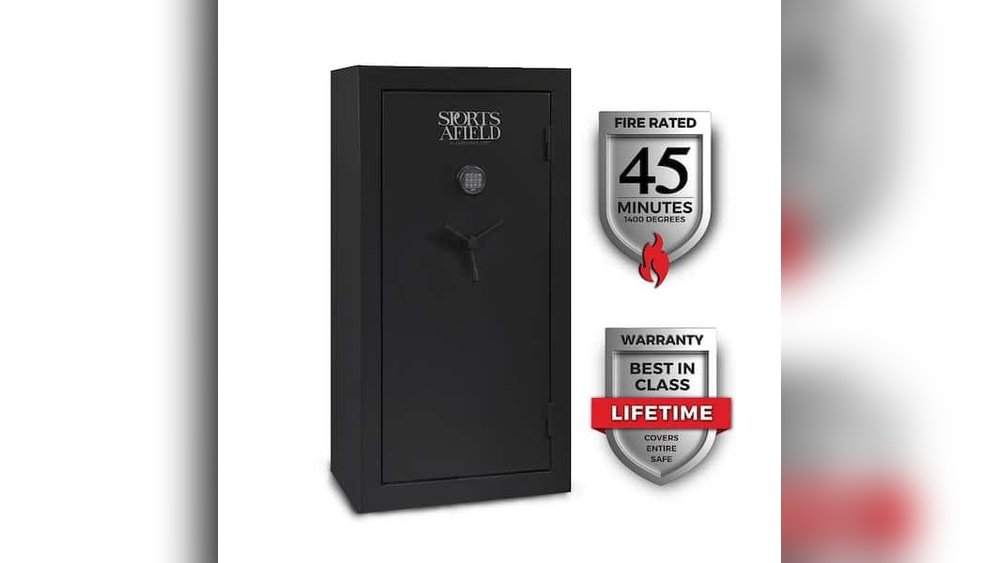
Electronic keypad locks open with a code entered on a keypad. They are faster to open than mechanical locks. You can change the code anytime for added security. These locks use batteries and may have backup keys. They are popular for quick access and easy use.
Biometric Fingerprint Locks
Biometric locks use fingerprints to open the safe. This makes access very quick and personal. Only registered fingerprints can open the safe. They offer high security but depend on battery power. These locks suit those who want fast access and strong protection.
Keyed Locks
Keyed locks use a physical key to open the safe. They are simple and easy to use. Keys can be lost or copied, which lowers security. These locks are often used as backup to other lock types. They offer basic protection and easy access.

Security Features To Consider
Choosing the right lock for your rifle safe means thinking about its security features. These features help keep your firearms safe from theft and unauthorized access. Understanding key aspects will guide you to a better choice.
Resistance To Tampering
A good lock resists tampering attempts. It should block picking, drilling, and other break-in methods. Look for locks made with strong materials and designs that slow down intruders. This protection adds time and difficulty for anyone trying to break in.
Lock Durability
Durability matters because locks face daily use and harsh conditions. Choose locks built to last with sturdy parts that do not wear out quickly. A durable lock continues to work well over years without failure or damage.
Backup Access Options
Backup options allow access if the main lock fails. Some locks include keys or override codes for emergencies. These options prevent lockouts while keeping your rifle safe and secure at all times.
Pros And Cons Of Each Lock Type
Choosing the right lock type for a rifle safe is important. Each lock type offers different features, benefits, and drawbacks. Understanding these can help pick the best option for security and ease of use. Below are the pros and cons of common lock types used in rifle safes.
Mechanical Dial Advantages And Drawbacks
Mechanical dial locks do not need batteries. They work even during power outages. These locks are very durable and hard to break. They require no electronics, so they last long.
Mechanical dials take more time to open. You must remember the combination exactly. Some people find them tricky to use quickly. They can be difficult in low light or stress.
Electronic Keypad Benefits And Limitations
Electronic keypad locks open quickly with a code. They are easier to use in the dark. Many models offer multiple user codes. Some have lockout features after wrong attempts.
Keypad locks need batteries to work. Batteries can die at inconvenient times. They may be less durable than mechanical locks. Some models are vulnerable to hacking or damage.
Biometric Lock Strengths And Weaknesses
Biometric locks use fingerprints for fast access. No need to remember codes or carry keys. They offer good security and are user-friendly. Multiple fingerprints can be registered for access.
Fingerprint sensors may fail with dirty or wet fingers. These locks rely on battery power. They usually cost more than other types. Sometimes, sensor errors can delay opening.
Keyed Lock Pros And Cons
Keyed locks are simple and reliable. They do not need batteries or codes. Keys are easy to carry and replace. These locks are usually less expensive.
Keys can be lost or stolen. They may be copied without permission. Using a key takes time in emergencies. Locks can be picked if not high quality.
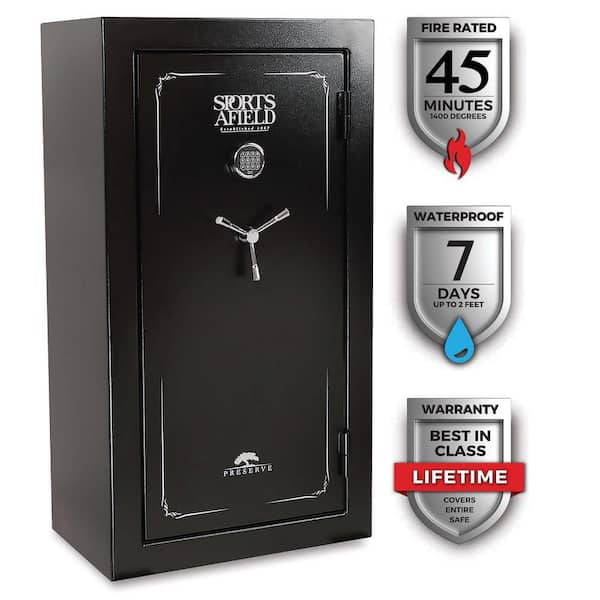
Top Lock Picks For Rifle Safes
Choosing the right lock for a rifle safe is crucial for security. Different locks offer different benefits. Some focus on ease of use, others on high security. Below are the top lock picks for rifle safes. Each type suits different needs and preferences.
Best Mechanical Locks
Mechanical locks are traditional and reliable. They do not need batteries or electricity. This makes them great for long-term use. They work with a dial or key. Mechanical locks are simple and hard to break. They suit users who prefer classic security methods. Maintenance is low, and they last long.
Best Electronic Locks
Electronic locks offer quick access with a keypad. Entering a code opens the safe in seconds. These locks allow multiple user codes. Many have backup keys for emergencies. Electronic locks provide better speed than mechanical ones. They need batteries, so check them often. These locks are perfect for daily use.
Best Biometric Locks
Biometric locks use fingerprints to open the safe. Only registered fingerprints can unlock it. This type is very secure and fast. No need to remember codes or carry keys. Biometric locks are great for quick access. They may have backup options like keypads. These locks suit high-security needs and convenience.
Installation And Maintenance Tips
Choosing the right lock for a rifle safe is only part of the process. Proper installation and regular maintenance keep the lock working well. These steps help protect your firearms and ensure easy access when needed.
Proper Installation Practices
Start by reading the lock’s manual carefully. Follow each step without skipping. Use the right tools for mounting the lock securely. Avoid forcing any parts into place. Make sure the lock aligns correctly with the safe’s door. Test the lock multiple times before final use. Secure screws tightly but do not overtighten. Check that the lock moves smoothly without sticking.
Regular Maintenance For Longevity
Clean the lock regularly to remove dust and dirt. Use a soft cloth and mild cleaner. Avoid harsh chemicals that can damage the lock’s finish. Lubricate the lock’s moving parts twice a year. Use graphite powder or a silicone-based lubricant. Avoid oil-based lubricants as they attract dust. Keep the safe’s environment dry to prevent rust. Inspect the lock for wear or damage every few months.
Troubleshooting Common Issues
If the lock jams, first check for dirt or debris inside. Clean it gently with compressed air or a brush. If the key does not turn, try a different key or check the battery for electronic locks. Reset electronic locks following the manual’s instructions if they fail to open. Tighten any loose screws that may cause misalignment. Replace worn parts promptly to avoid bigger problems. Call a locksmith only if the lock remains stubborn after basic fixes.

Frequently Asked Questions
What Types Of Locks Are Best For Rifle Safes?
The best locks for rifle safes include mechanical dial locks, electronic keypad locks, and biometric locks. Each offers unique benefits. Mechanical locks are reliable and don’t need batteries. Electronic locks are quick and user-friendly. Biometric locks provide advanced security with fingerprint recognition.
Are Biometric Locks Secure For Rifle Safes?
Yes, biometric locks are highly secure. They use fingerprint or retina scans, making unauthorized access very difficult. They offer quick access and are ideal for those who want both security and convenience in a rifle safe.
How Does An Electronic Keypad Lock Work?
Electronic keypad locks require entering a numeric code to open the safe. They offer quick access and can store multiple user codes. These locks are battery-powered, so regular battery checks are necessary for uninterrupted security.
Why Choose A Mechanical Dial Lock For A Rifle Safe?
Mechanical dial locks are chosen for their durability and reliability. They don’t rely on batteries or electronics, reducing failure risk. These locks are ideal for those who prefer traditional, time-tested security methods for their rifle safes.
Conclusion
Choosing the best lock type for your rifle safe depends on your needs. Mechanical locks offer simplicity and reliability. Electronic locks provide quick access and easy code changes. Biometric locks add extra security with fingerprint scanning. Think about how fast you need access and how secure you want it.
Always pick a lock that fits your lifestyle and safety goals. Protect your firearms with the right lock to keep them safe and secure. Your peace of mind matters most.