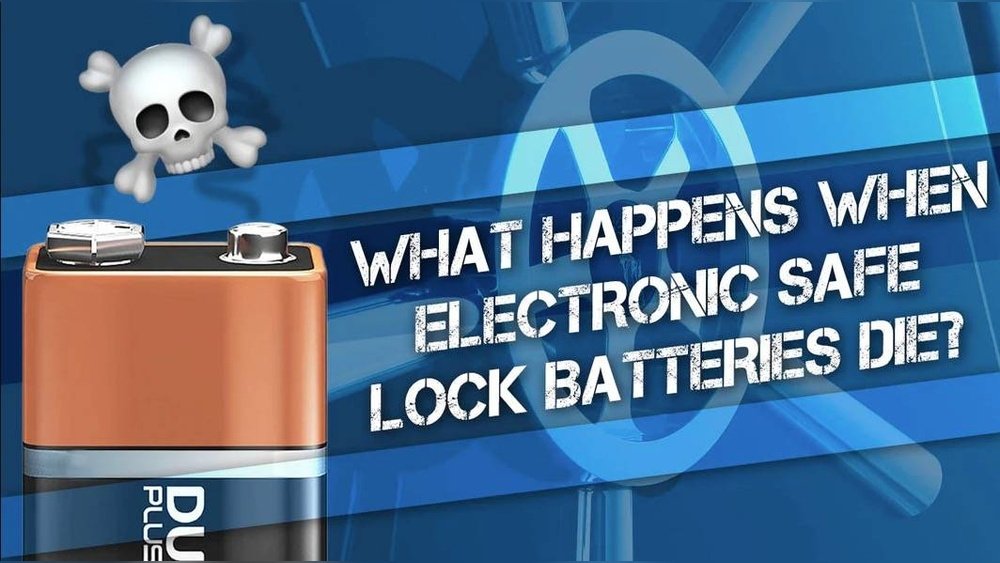
Imagine reaching for your rifle safe only to find it won’t open because the battery died. Frustrating, right?
If you rely on an electronic lock, a dead battery can leave you locked out at the worst possible moment. But don’t panic—there are simple steps you can take to fix this quickly and get back to safety. You’ll discover exactly what to do if your rifle safe battery dies, so you’re never caught off guard again.
Keep reading to stay prepared and protect what matters most.
Signs Of A Dead Rifle Safe Battery
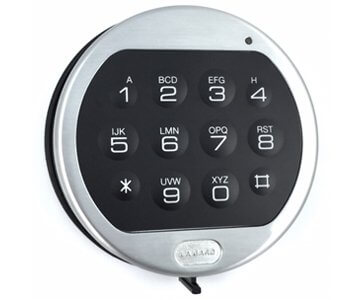
Knowing the signs of a dead rifle safe battery helps avoid lockouts. Early detection keeps your safe secure and accessible. Watch for simple clues that show the battery needs changing.
No Response From Keypad
The keypad stops working completely. Pressing buttons causes no reaction. No numbers or lights appear on the screen. This is a clear sign the battery is dead or very low.
Dim Or No Backlight
The keypad’s backlight dims or goes out. Numbers become hard to see in low light. The screen might flicker or stay dark. This signals the battery is losing power fast.
Unusual Beeping Sounds
The safe emits strange or constant beeping. Beeps may sound even without pressing buttons. These alerts warn the battery is weak and needs replacement soon.
Immediate Steps To Take
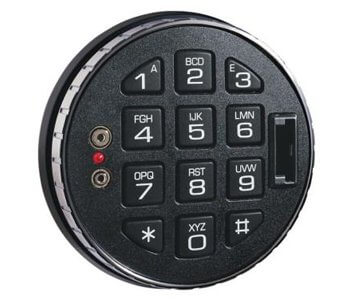
When a rifle safe battery dies, quick action is essential. You need to follow some simple steps to regain access. These steps help avoid damage and keep your firearms secure. Stay calm and proceed carefully.
Check Battery Type And Expiry
First, check the battery type your safe uses. Some safes need specific batteries. Look at the battery compartment for labels. Check if the battery is expired or weak. Replace old batteries with fresh ones immediately. Using the right battery avoids future failures.
Try Backup Key Or Override
Many rifle safes include a backup key or override option. Find the backup key or the override tool. Use it to open the safe manually. This method works if the battery is dead. Keep the backup key in a safe place outside the safe.
Use External Power Source
Some safes allow an external power source to unlock. Use a 9-volt battery or a power pack for this. Connect it to the safe’s power terminals. This gives temporary power to the keypad. Enter your code and open the safe quickly.
Replacing The Battery
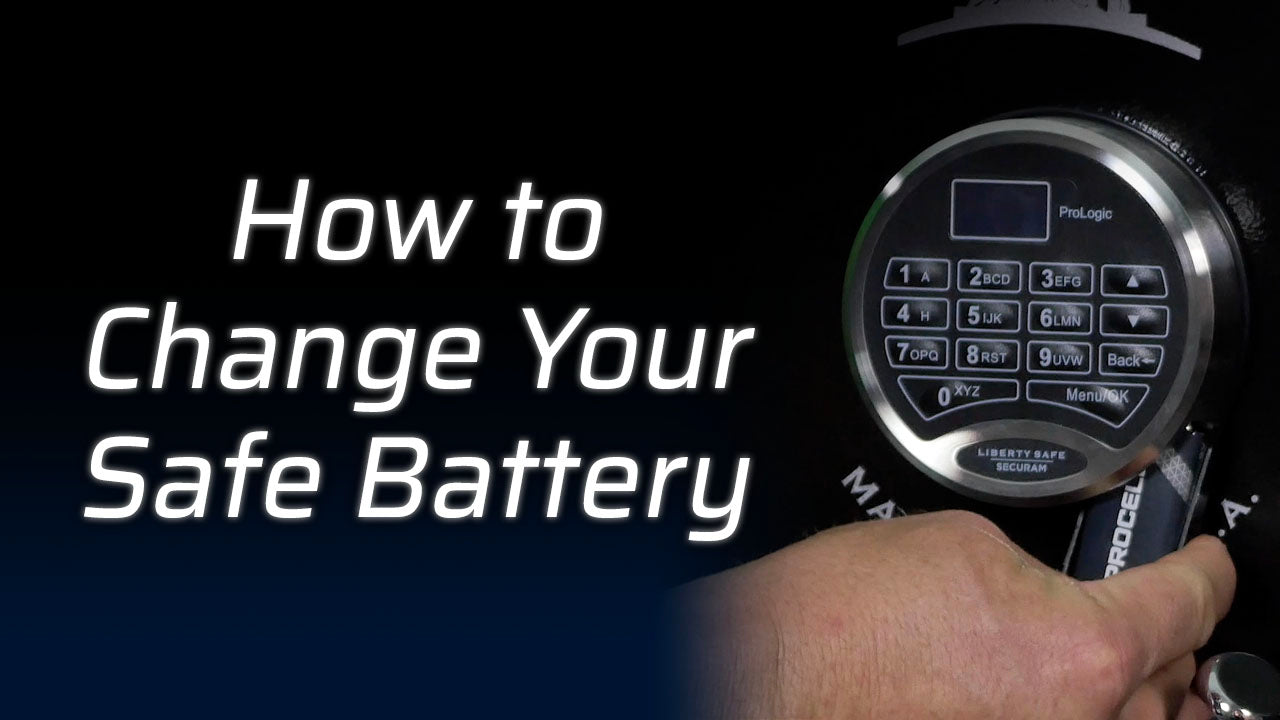
Replacing the battery in your rifle safe is a simple task. It restores power to the lock and keeps your firearms secure. Follow clear steps to do it safely and correctly. This guide helps you replace the battery without hassle.
Locate The Battery Compartment
First, find the battery compartment on your rifle safe. It is usually behind the keypad or inside the door panel. Check your safe’s manual for exact location. Some models have a small cover you can slide or unscrew.
Remove And Dispose Old Battery Safely
Open the battery compartment carefully. Take out the old battery with clean hands. Do not force it out to avoid damage. Dispose of the battery at a recycling center or battery drop-off spot. Do not throw it in the trash.
Insert New Batteries Correctly
Check the battery type your safe needs, usually AA or 9-volt. Insert the new batteries matching the positive (+) and negative (-) ends as marked. Push them gently but firmly into place. Close the compartment and test the lock to confirm it works.
Preventive Measures
Taking preventive steps can stop the frustration of a dead rifle safe battery. Small habits help keep your safe working smoothly. These simple actions reduce the chance of being locked out. Follow these tips to keep your safe ready at all times.
Regular Battery Checks
Check your battery often. Look for signs like slow or weak keypad lights. Set a reminder to test the battery every few months. Early checks help catch problems before the battery dies. Replace batteries as soon as you notice any weakness.
Use High-quality Batteries
Choose good batteries for better performance. Cheap batteries may lose power quickly. Use brands known for long life and reliability. High-quality batteries last longer and keep your safe secure. Avoid mixing old and new batteries together.
Keep Backup Keys Accessible
Store backup keys in a safe, easy-to-find place. Keys can open your safe if the battery dies. Keep keys away from children or unauthorized people. Having backup keys saves time and stress. Always know where your backup keys are.
Troubleshooting Common Issues
Dealing with a dead rifle safe battery can be frustrating. Many common problems arise that prevent the safe from working properly. Knowing how to troubleshoot these issues helps you regain access quickly. Below are some typical problems and simple fixes.
Keypad Still Unresponsive
Sometimes the keypad does not respond even after changing the battery. Check if the battery is installed correctly with the right polarity. Try pressing each button firmly to clear any stuck keys. Clean the keypad surface gently to remove dirt or dust. If the problem continues, reset the safe according to the manual.
Battery Corrosion Problems
Corrosion on battery contacts blocks power flow. Remove the old batteries and inspect the battery compartment. Use a cotton swab dipped in vinegar or lemon juice to clean corrosion. Wipe dry before inserting new batteries. Regularly check for corrosion to avoid future issues.
Safe Lock Jamming
The lock may jam due to mechanical or electronic issues. Avoid forcing the dial or handle. Lubricate the lock mechanism with a light oil spray designed for safes. Confirm that the batteries are fresh and fully charged. If jamming persists, professional help might be necessary.
When To Call A Professional
Knowing when to call a professional is important if your rifle safe battery dies. Some issues need expert help to avoid damage or lockout. Recognizing these signs can save time and stress.
Persistent Lock Malfunctions
Sometimes the lock does not open even after changing the battery. This can mean internal damage or a wiring problem. A professional can diagnose and fix these issues safely.
Lost Backup Keys
Backup keys are crucial for emergencies. Losing them leaves no easy way to open the safe. A locksmith with experience in rifle safes can help regain access without harming the safe.
Complex Electronic Failures
Electronic locks may fail due to circuit or keypad problems. These failures are hard to fix without special tools and knowledge. Professionals have the right equipment to repair electronic components correctly.
Frequently Asked Questions
What Happens When A Rifle Safe Battery Dies?
When a rifle safe battery dies, the electronic lock stops working. You can’t open it using the keypad. Backup access methods like a mechanical key or external battery power may be needed to unlock the safe.
How To Replace A Rifle Safe Battery Safely?
To replace the battery, first, open the safe using the backup key or external power. Remove the old batteries carefully and insert new ones following the polarity marks. Always use high-quality batteries for reliable performance.
Can A Dead Battery Damage The Rifle Safe Lock?
A dead battery won’t damage the lock, but it can lock you out temporarily. Always keep spare batteries handy to avoid this issue. Regular maintenance helps prevent unexpected battery failure.
How To Avoid Rifle Safe Battery Failure?
Avoid battery failure by regularly checking battery status and replacing them annually. Use good-quality alkaline batteries and keep backup keys accessible. Some safes also support external power sources during battery replacement.
Conclusion
A dead battery should not cause panic or delay. Always keep spare batteries nearby for quick replacement. Test the safe’s lock system regularly to ensure it works well. Knowing how to change batteries fast can save time. Keep your rifle safe secure and ready at all times.
Small steps prevent bigger problems later. Stay prepared and protect your valuables without stress.