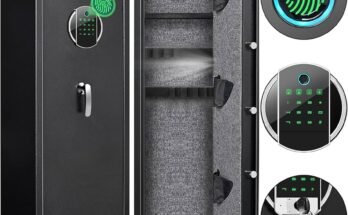
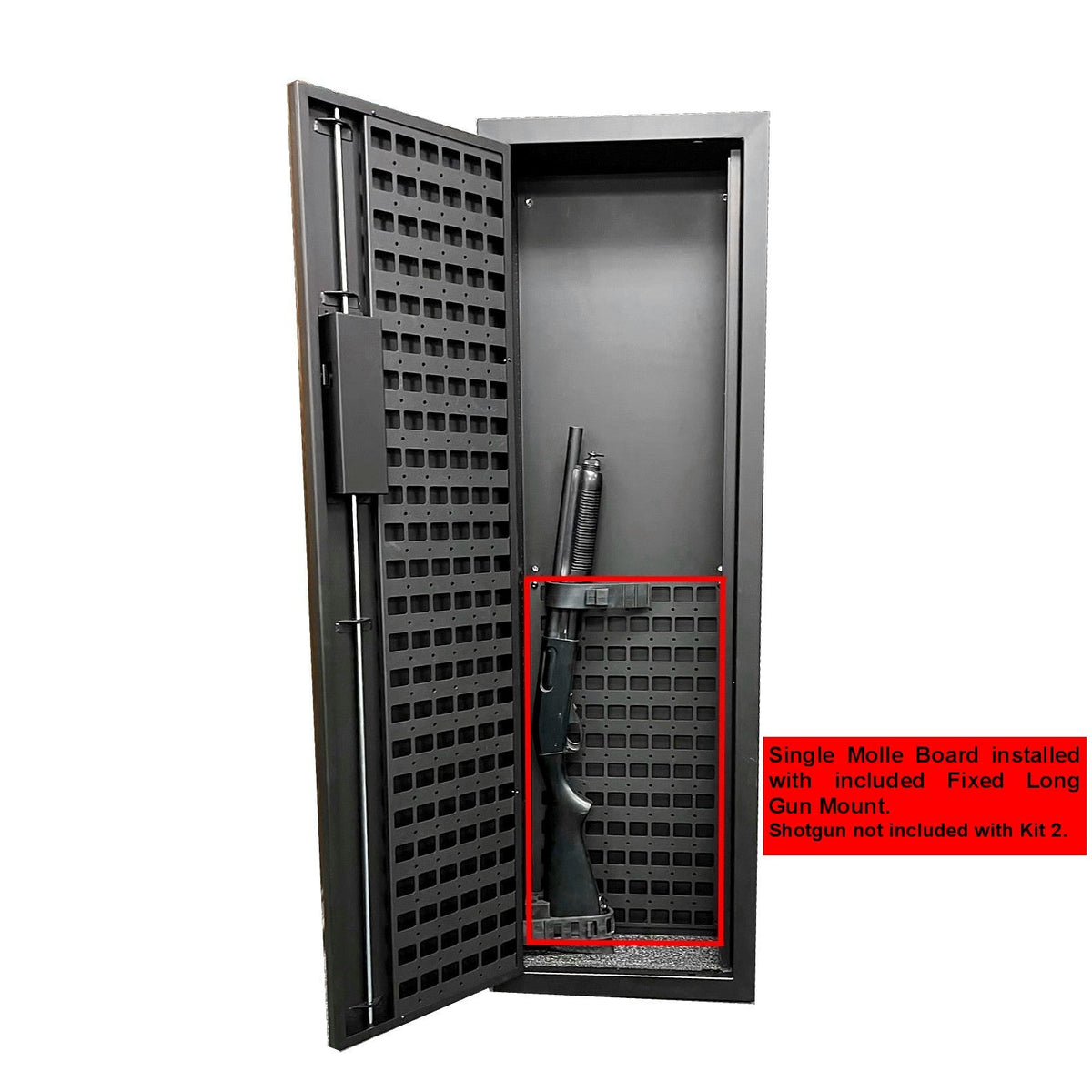
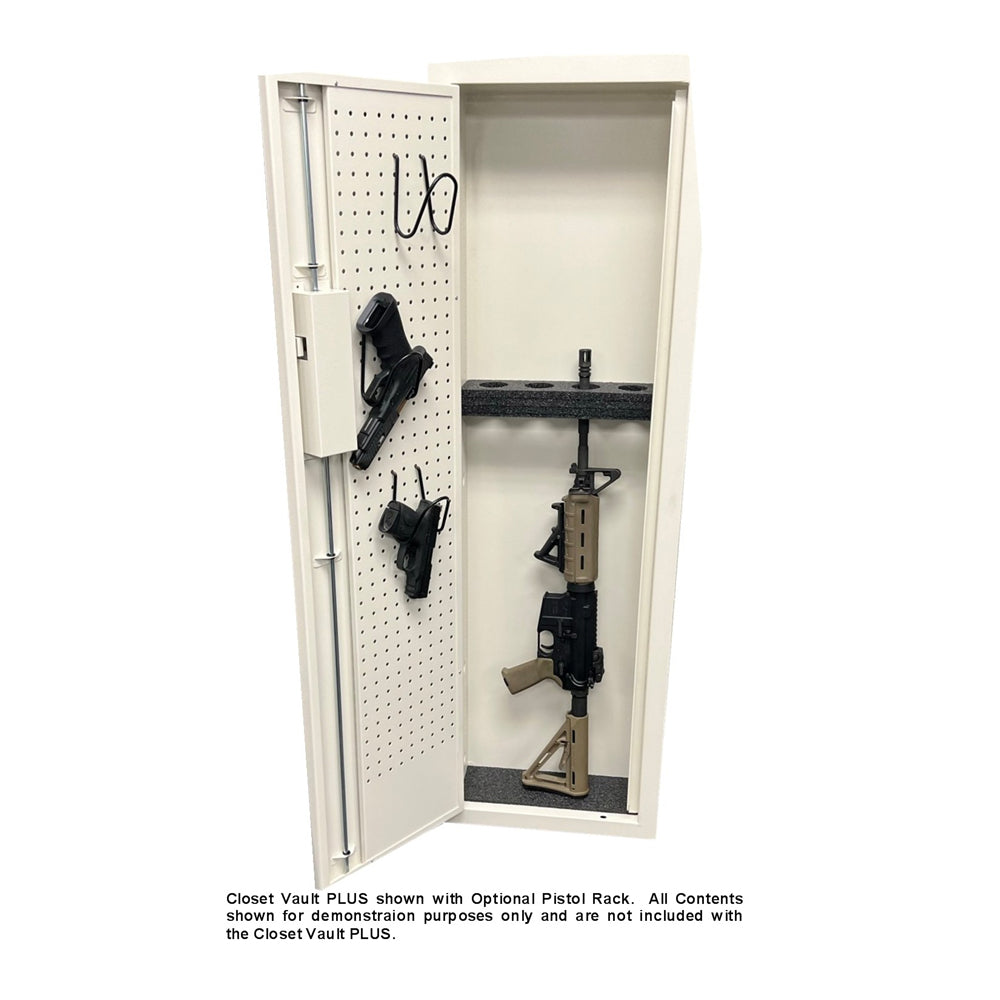
Yes, carbine safes can be installed in closets when space, anchoring, and ventilation are right.
If you want a discreet home for your carbine and gear, a closet can work very well. I have installed and serviced safes for years, and I have seen what works and what fails. This guide lays out how, why, and when a closet is the best spot and answers the core question clearly: Can carbine safes be installed in closets without risk or regret?
Why install a carbine safe in a closet
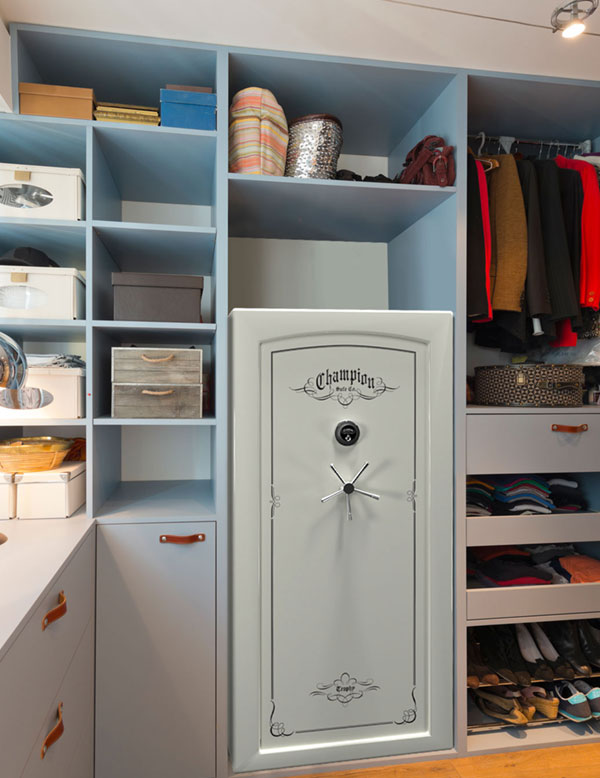
A closet gives you privacy, quick access, and a clean look. It also reduces the odds of a safe drawing attention. With the right plan, a closet install can be strong, dry, and code friendly.
I often suggest closets to clients who want both speed and security. You can stage a carbine, mags, and a light within reach, yet keep them locked and hidden. Can carbine safes be installed in closets and still pass a high bar for safety? Yes, if you match the safe and the closet to each other.
Benefits you can expect:
- Faster access while keeping firearms secured
- Less visual clutter in living areas
- Easier to conceal with shelves, panels, or clothes
- Lower risk of tipping if anchored into framing
- Better family safety with controlled access
Space, clearance, and measurements
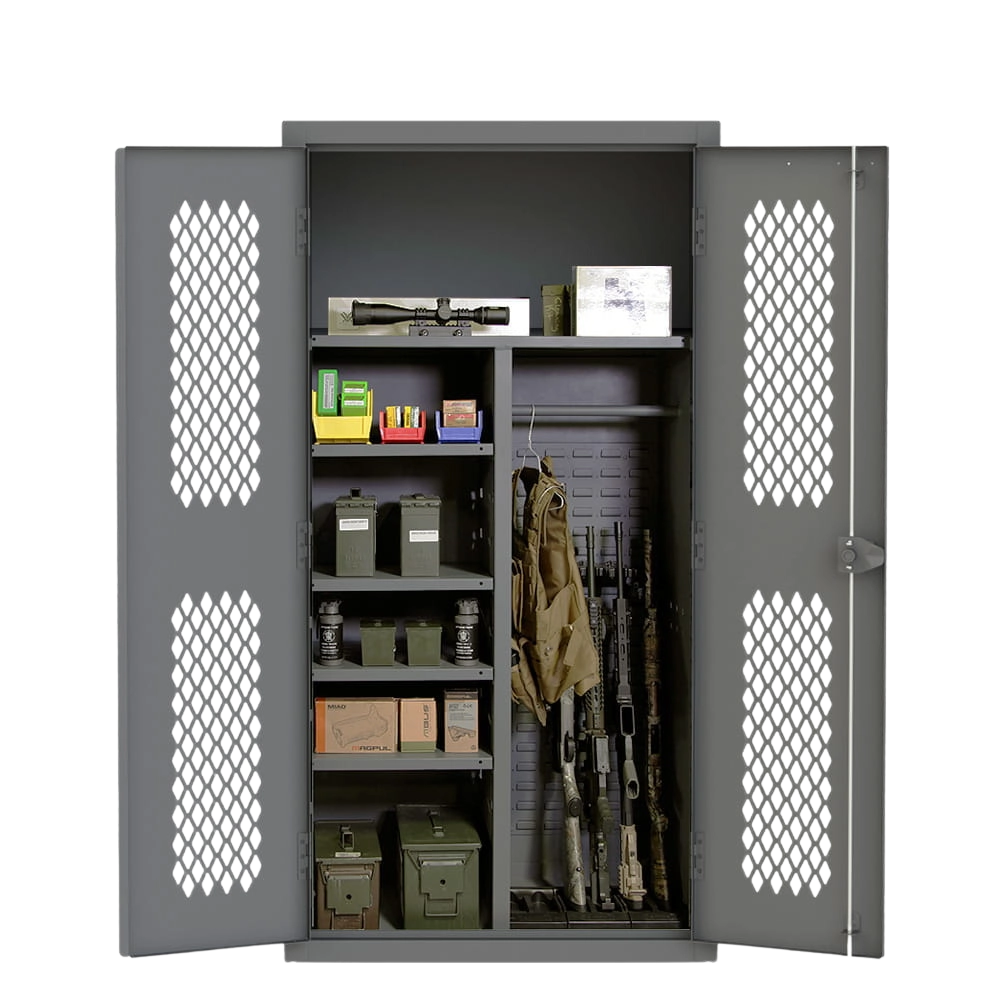
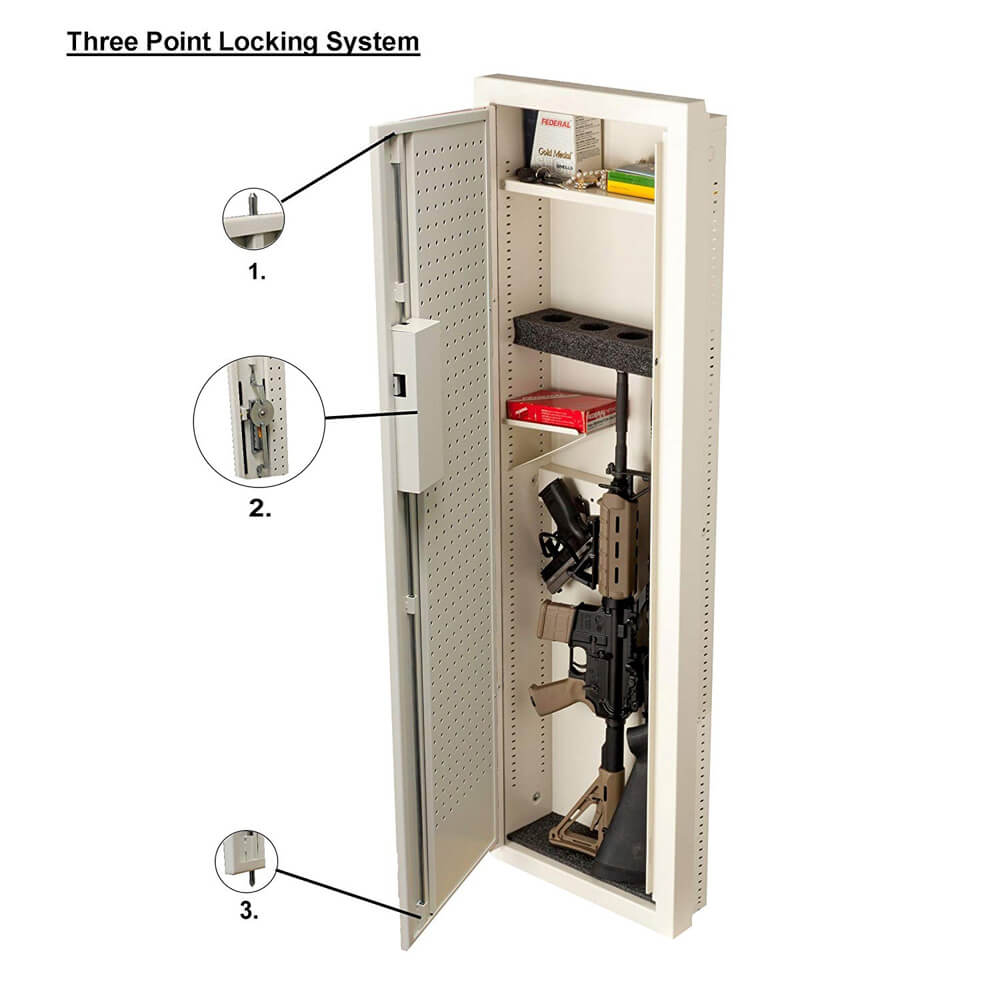
The first check is fit. Measure twice, install once. Note the safe width, depth, and height with packaging removed. Check the closet door opening and the turn path from hallway to closet.
Key fit rules I use on every job:
- Leave at least 1 inch on each side and top for air flow and hand clearance
- Leave 3 to 6 inches behind the safe if you plan a dehumidifier rod or power kit
- Confirm door swing. A safe door needs 90 degrees at minimum. More is better for shelves and long guns
- Consider carpet compression. A heavy safe will sink and lean if the pad is soft
If your closet is tight, a slim carbine safe is a smart choice. Models sized for 16-inch carbines and optics can fit shallow depths. Can carbine safes be installed in closets that have angled walls or built-ins? Yes, but you might need to remove baseboards, notch shelves, or choose a door that lifts off its hinges.
Anchoring and structural support
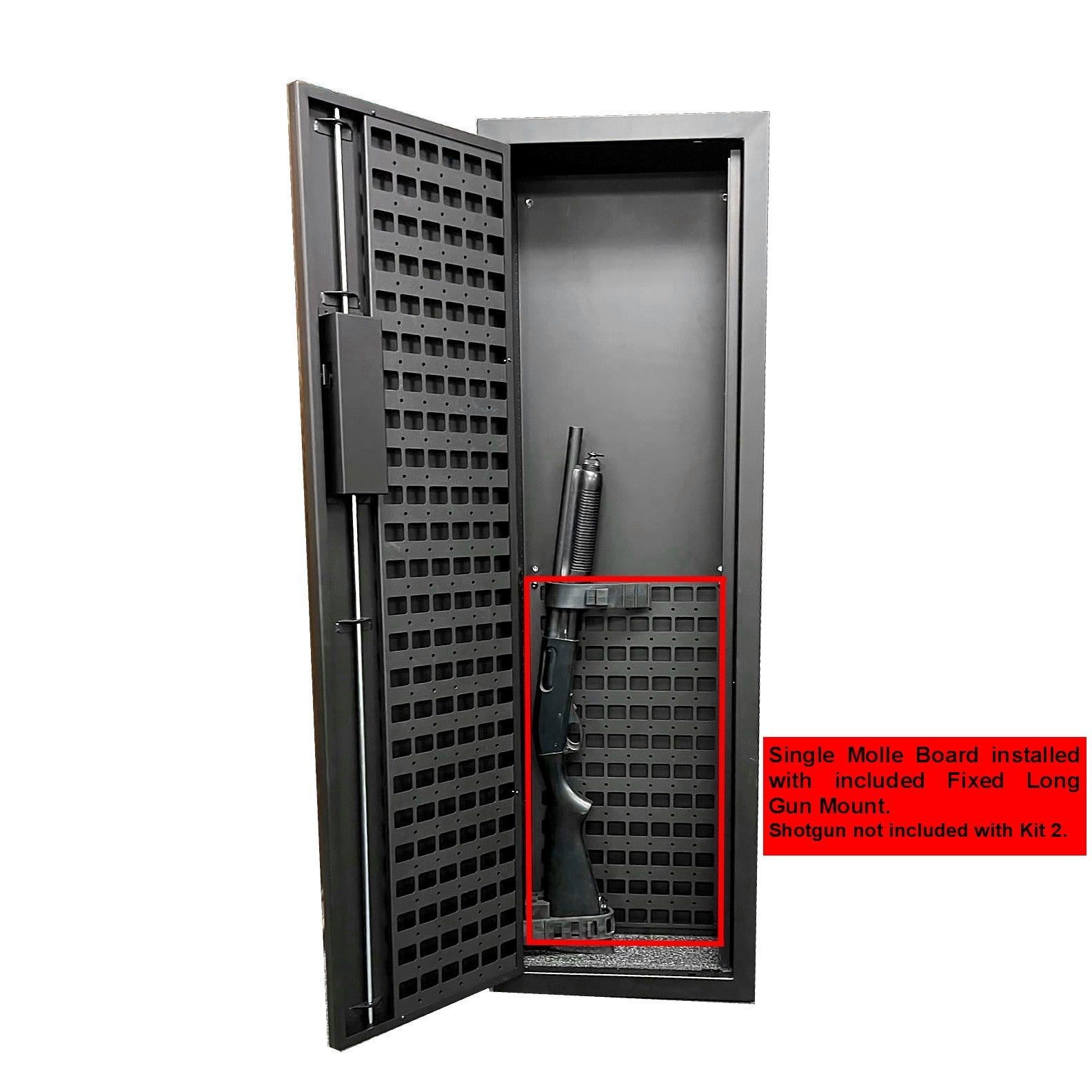
Anchoring is non-negotiable. It stops tipping and slows theft. Never anchor only to drywall. Target the slab or joists.
What I check before drilling:
- Floor type. Concrete takes wedge or sleeve anchors. Wood floors take lag screws through the subfloor into joists or added blocking
- Studs and plates. Back anchors into wall studs or the bottom plate if your safe has rear holes
- Weight and location. Keep heavy safes tight to a back or side wall. This reduces floor flex
Pro tip from the field: If the closet floor is carpeted, cut a neat rectangle under the safe and remove the pad. Set the safe on the subfloor for a solid base. Can carbine safes be installed in closets on raised floors? Yes, if you add blocking between joists and keep the safe near a load path.
Moisture, ventilation, and fire considerations
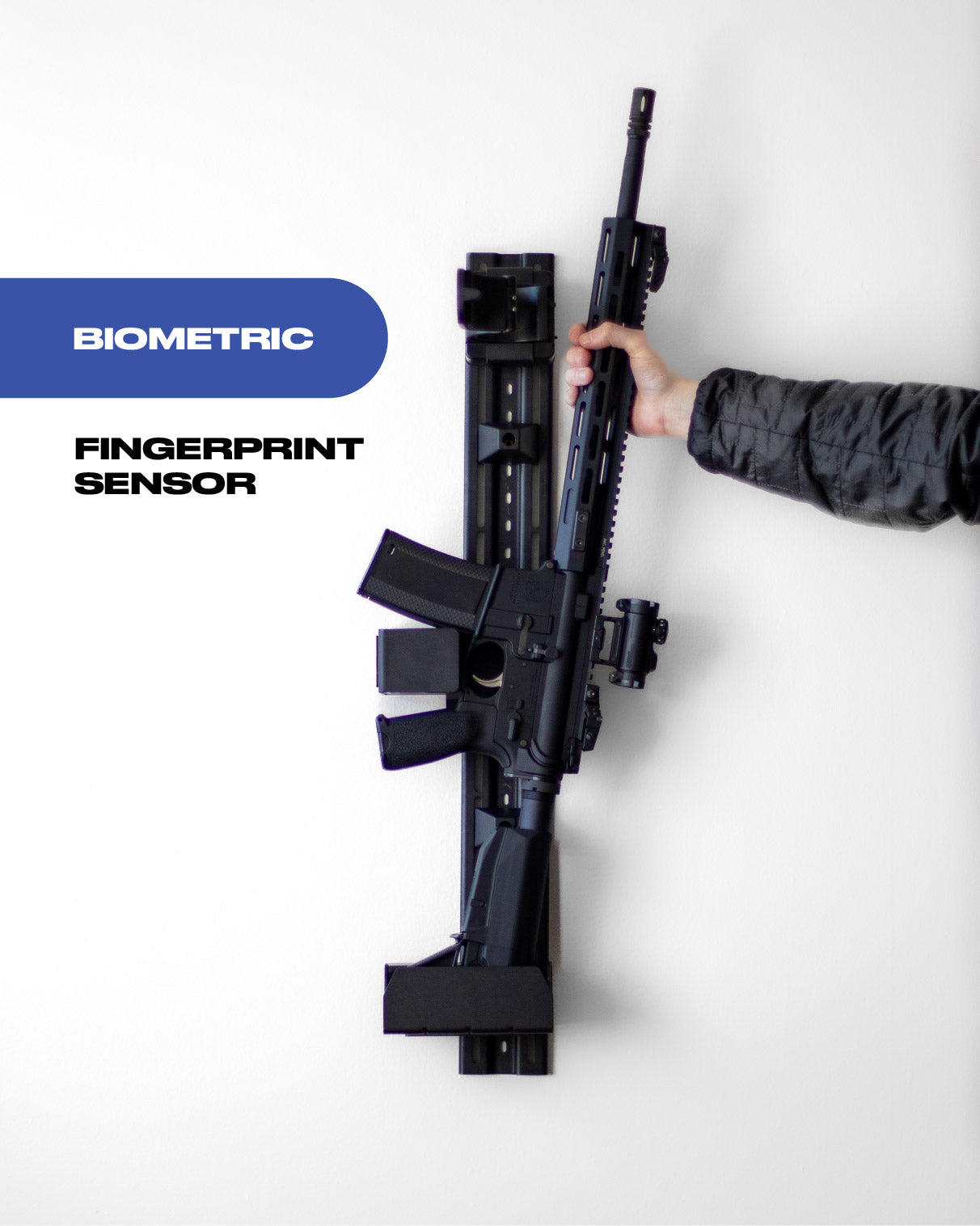
Closets trap humidity. Guns rust fast in damp air. Manage moisture from day one. I prefer a dry-rod heater. It keeps the safe a few degrees warmer than the room, which lowers relative humidity.
Moisture and fire basics:
- Use a dry-rod heater or cans of desiccant that you recharge
- Avoid an exterior wall if it is cold or damp. Interior walls are more stable
- Add a small gap behind the safe for air movement
- Choose a safe with a tested fire rating if you want time protection. Look for independent ratings, not marketing claims
Can carbine safes be installed in closets with HVAC returns, water heaters, or attic hatches? They can, but moisture and dust jump. Seal penetrations in the safe body. Keep the area clean. If you store papers or optics, add a fire bag for an extra layer.
Step-by-step closet installation
Here is the simple, safe process I follow in homes.
-
Plan and prep
- Confirm measurements, door swing, and path to the closet
- Remove baseboards or carpet pad where the safe will sit
- Mark anchor points and find studs with a stud finder
-
Set and level
- Move the safe into place with sliders or a dolly
- Shim to level front to back and side to side
- Confirm door clears and opens fully
-
Anchor
- Drill pilot holes through factory anchor holes
- Install wedge anchors in concrete or lag screws into wood framing
- Re-check level and snug all hardware
-
Power and humidity
- Install a cord pass-through kit if the safe does not have one
- Add a dry-rod heater or desiccant
- Add a motion light for fast access
-
Final checks
- Test the lock and bolts several times
- Store a backup key offsite
- Record your combination in a safe place
Can carbine safes be installed in closets by a DIYer? Yes, if you are comfortable drilling anchors and moving weight safely. Two people are best for control and safety.
Legal and code basics to check
Laws vary by state and city. Some places require a DOJ-approved safe, a lock, or specific storage if minors live in the home. If you rent, get written approval before anchoring.
Practical checks before you start:
- Review local safe storage laws for firearms
- Confirm building rules in condos or rentals
- Avoid blocking electrical panels, returns, or required access panels
- Keep egress paths clear. Do not block a bedroom exit
Can carbine safes be installed in closets in apartments? Often yes, but use floor-friendly pads, ask before drilling, and choose lighter RSC-rated safes that can still be anchored into studs.

Security upgrades and concealment ideas
The best safe is the one no one sees. A closet gives you options. I like a simple camouflage plan with shelves and a false panel.
Ideas that add real value:
- Add a false wall or curtain in front of the safe
- Use a closet organizer to hide the safe door edge
- Anchor to both floor and wall for more pry resistance
- Upgrade the lock to a quality electronic keypad with a hardened clutch
- Install door alarms or a contact sensor tied to your home security
Can carbine safes be installed in closets and still beat smash-and-grab theft? Yes, if you anchor hard, conceal well, and limit the time a thief has to work.
Common mistakes and how to avoid them
I see the same errors again and again. They are easy to fix with a plan.
Top mistakes:
- Anchoring only to drywall. Always use studs, plates, joists, or concrete
- Ignoring humidity. Use a dry-rod or desiccant from day one
- Blocking the safe door. Measure door swing with shelves installed
- Skipping shims on carpet. Level the safe or the door will bind
- Overloading top shelves. Keep heavy ammo low for stability
Can carbine safes be installed in closets without cutting carpet or baseboards? They can, but the fit and anchor strength may suffer. Small trim work now prevents big issues later.
Costs, timelines, and who should do the work
Budget depends on the safe, the closet, and your tools. Most closet installs take one to three hours once the safe is on site.
Typical ranges I see:
- Slim carbine safe. 200 to 800 dollars
- Mid-size RSC safe. 800 to 2,000 dollars
- Pro delivery and bolt-down. 150 to 400 dollars depending on access
- Power kit, dry-rod, lighting. 40 to 150 dollars
Can carbine safes be installed in closets by professionals only? No. Many owners can do it. Hire a pro if the safe is very heavy, access is tight, or you want a clean concealed finish.
Frequently Asked Questions of Can carbine safes be installed in closets
Can carbine safes be installed in closets in older homes with wood floors?
Yes, if you anchor into joists or added blocking. Use lag screws and keep the safe near a wall for better load transfer.
Do I need a fire-rated safe for a closet installation?
It is not required, but it helps in a house fire. A tested fire rating plus good placement gives more time for documents and optics.
Will a dehumidifier rod heat up the closet?
It runs warm, not hot, and only inside the safe. It will not heat the whole closet.
What if my closet door is too narrow for the safe?
Remove the safe door to reduce width and weight. You can also remove door trim or baseboards to gain a little space.
Can I put the safe on carpet without cutting it?
Yes, but use firm shims and anchor well. Cutting the pad under the safe gives the most stable base.
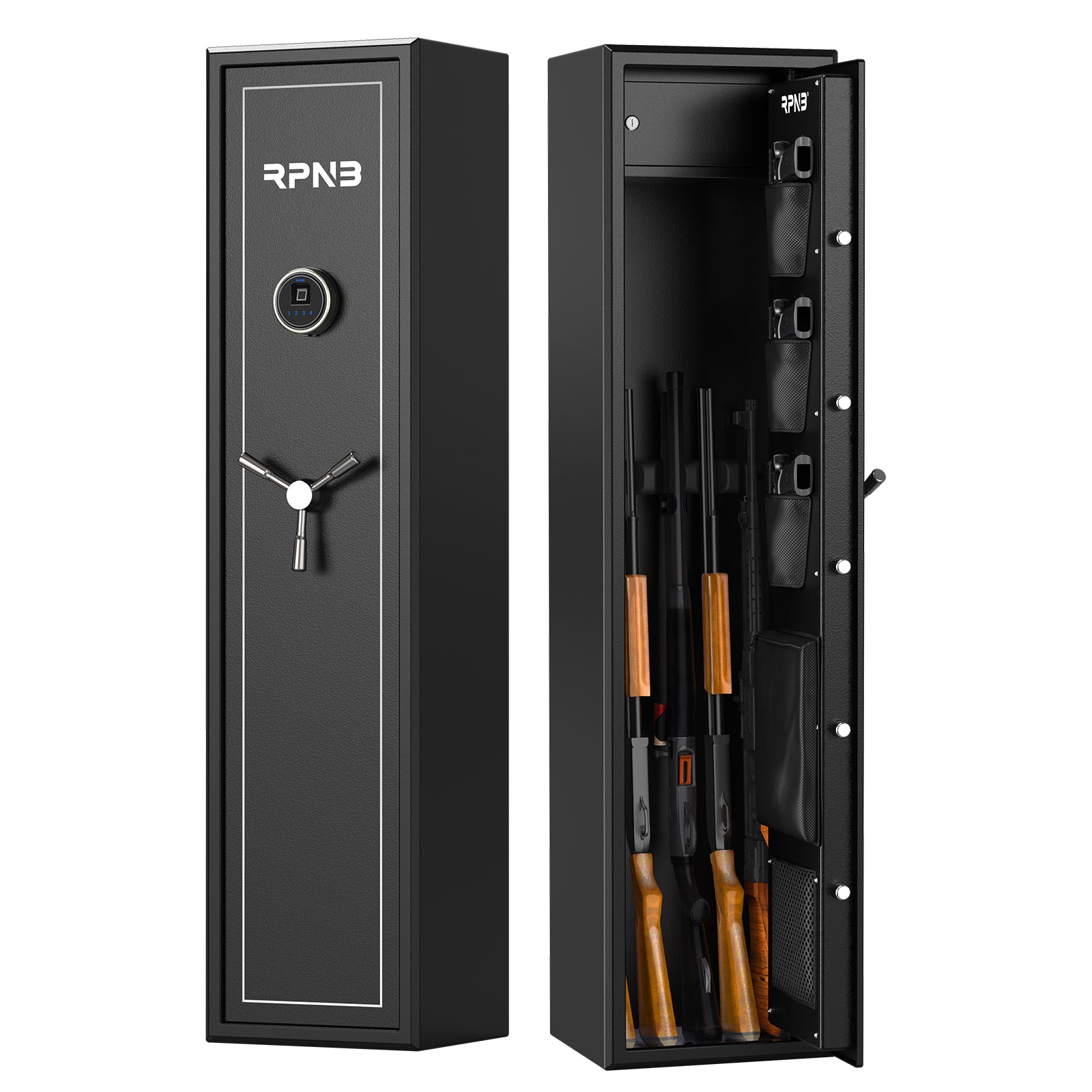
Is a biometric lock good for a closet carbine safe?
A quality biometric can be fast. Keep a backup key or code and change batteries on a schedule.
Conclusion
Closet installs are smart when you match the safe to the space and control moisture. Measure well, anchor into real structure, and plan for power and airflow. That simple plan answers the big question with confidence.
If you came here asking, Can carbine safes be installed in closets, the answer is yes, with care and clear steps. Choose a safe that fits, prep the closet, and build in layers of security and concealment. Take the next step today and make a safe, clean setup you can trust. Want more tips on gear, locks, and layouts? Subscribe, ask a question, or share your setup in the comments.