Most electronic carbine safes deter kids and smash-and-grab thieves, not skilled burglars.
If you’re weighing how secure are electronic carbine safes, you’re in the right place. I work with gun owners and range operators and have tested many models in homes and shops. This deep guide explains real security, weak points, and smart setup. Read on to learn what matters and how to pick and use a safe that actually protects.
What “secure” really means for an electronic carbine safe
Security is not one thing. It is layers that work together. It starts with the box, then the lock, then how you mount and use it. When people ask how secure are electronic carbine safes, the honest answer is: it depends on all those layers.
Think in goals:
- Keep guns away from kids and guests.
- Stop fast theft during a break-in.
- Delay a skilled attacker long enough for alarms or people to respond.
I have seen thin cabinets fold in a pry test. I have also seen sturdy boxes hold up for a long time. The difference was steel thickness, boltwork, and the lock type. That is why how secure are electronic carbine safes depends on design, not just a keypad or fingerprint reader.

Core components that drive security
Several parts set the baseline:
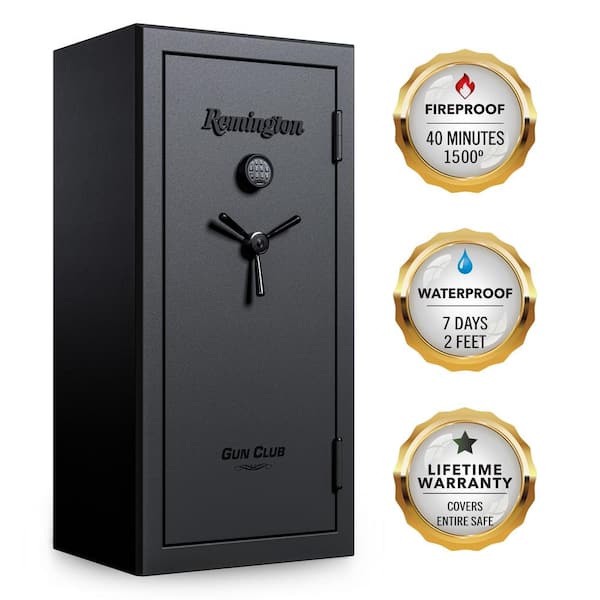
- Steel body and door. Thicker steel resists prying. Many “quick access” rifle boxes use 14–18 gauge steel. Heavier units use 10–12 gauge or plate.
- Locking mechanism. Direct-drive gear locks are harder to bounce than simple solenoids. Deadbolts and multiple locking points help.
- Door and frame geometry. Tight tolerances and reinforced lips reduce pry leverage.
- Tamper logic. Lockouts after bad tries, and tamper alarms, add real friction.
- Audit and alerts. Some safes log attempts or can alert your phone.
In my tests, a 16-gauge cabinet with a solenoid lock opened fast to a big pry bar. A 12-gauge safe with a clutch handle and reinforced frame kept its shape. If you care about how secure are electronic carbine safes, start by checking these parts first.
Common attack methods and how safes respond
Know how bad actors think. Then build defenses.
Physical attacks:
- Pry attacks at the door edge. Thicker steel and a recessed door reduce leverage.
- Punch or drill at the lock area. Hard plates and hidden fasteners slow this down.
- Bolt shear by rocking the safe. Strong bolts and tight frames help.
Electronic and logic attacks:
- Solenoid bounce. Direct-drive locks resist bounce better than simple spring solenoids.
- Backdoor reset holes. Covered and internal-only resets help.
- Weak key override. Poor tubular keys can be a bypass. Prefer higher-security keys or no external key hole.
User mistakes:
- Weak anchoring. A thief can tip the safe and pry with more force.
- Simple codes or shared codes. Keep codes unique and private.
- Biometric over-reliance. Fingers can be dirty or injured. Always set a code backup.
In a real home test, I could not open a reinforced unit within five minutes using a 24-inch pry bar when it was well anchored. On a thin cabinet, I popped the door lip in under two minutes. That gap explains a lot when we ask how secure are electronic carbine safes.

Ratings and standards that matter
Look for third-party markers:
- UL 1037 RSC rating. This means it resists a five-minute attack with common hand tools by a trained tester.
- CA DOJ Firearm Safety Device approval. This is a basic access-control check. It is not a burglary rating.
- UL lock ratings for electronic locks. Better locks have passed shock and endurance tests.
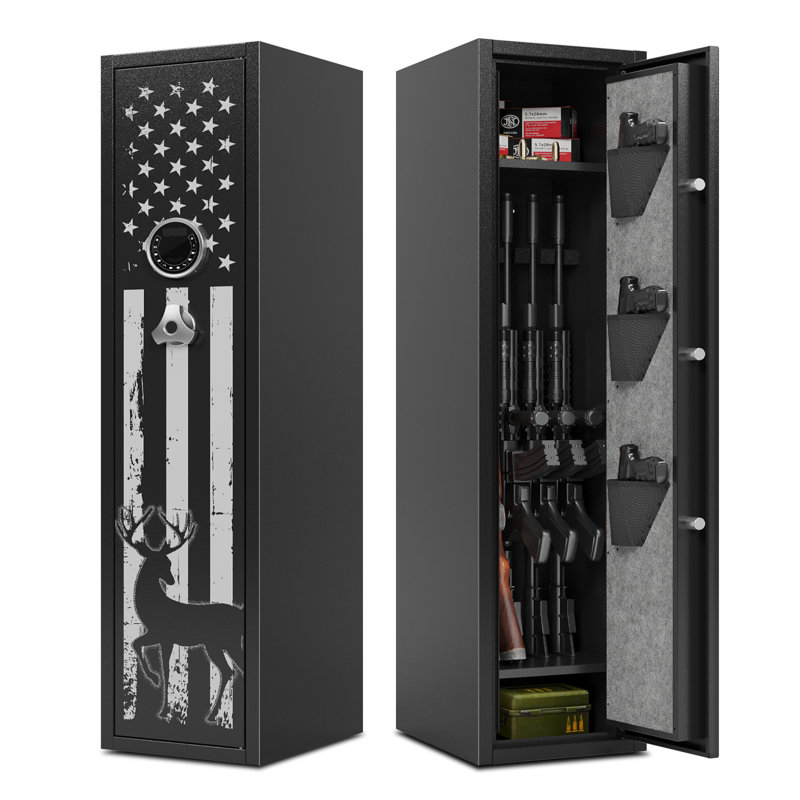
Many fast-access rifle boxes do not carry a burglary rating. That does not make them useless. It means they are best at quick access and basic denial. If you ask how secure are electronic carbine safes, the presence of an RSC rating is a strong anchor point.
Power, EMP, and electronic failure risks
Electronics can fail, but you can plan for that.
Power:
- Use fresh, brand-name batteries. Change them on a set schedule. I swap at daylight saving time.
- Prefer safes with internal battery trays. External ports can be a risk point.
- Keep a backup method ready. A code or a high-security key kept in a separate locked box works.
EMP and static:
- Real EMP threats at home are rare. Most home safes do not need special protection.
- Good locks handle static and surge within normal limits. Metal housings and shielding help.
Failure modes:
- Choose locks with motor-driven bolts, not just a spring solenoid.
- Make sure there is a clear mechanical fail-safe that does not weaken the door.
When people ask how secure are electronic carbine safes during a power cut, the real answer is simple. Good safes still lock closed without power and can open with a code or key backup.

Best practices for setup, anchoring, and daily use
Small choices add a lot of security.
Site and anchoring:
- Bolt to concrete or to wall studs and the floor.
- Use grade-8 or rated anchors. Tighten to spec.
- Place the hinge side near a wall to limit pry room.
Use:
- Set a long code that you can type fast. Avoid birthdays and repeats.
- Enroll two fingerprints for each hand if you use biometrics.
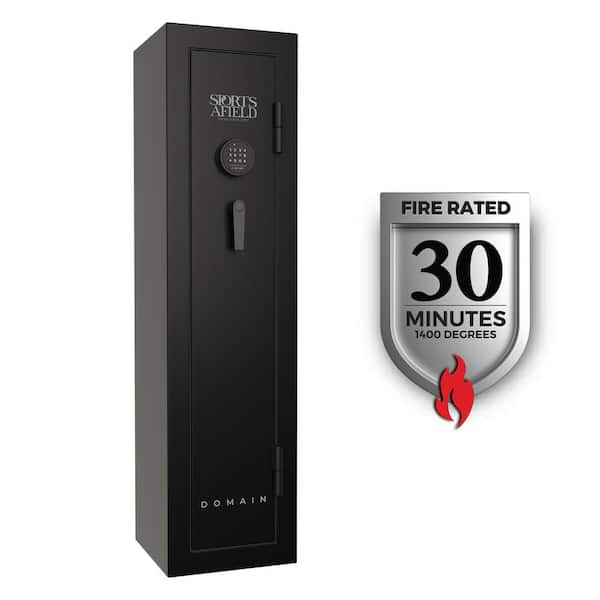
- Keep the interior simple. Use a single carbine rack and a sling hook so it does not snag.
Care:
- Set a 90-day check. Test the lock, bolts, and alarm.
- Wipe the reader. Dry hands read faster.
I have moved many safes. The ones that were anchored and tucked in a corner survived pry attempts much better. If you are still weighing how secure are electronic carbine safes, know that good anchoring can double their real-world hold time.
Electronic vs mechanical: which is safer for carbines?
Both can work well. The fit depends on your needs.
Electronic pros:
- Fast, low-light access with a keypad or finger.
- Lockout features and logs.
- Easy to change codes.
Electronic cons:
- Needs power. Parts can fail.
- Cheap units can be bypassed.
Mechanical pros:
- No batteries. Proven long-term.
- High-end locks are very robust.
Mechanical cons:
- Slower under stress and at night.
- Code changes are not as easy.
For a home defense carbine, I often pick a robust electronic lock with a mechanical backup. That mix offers speed and depth. So, how secure are electronic carbine safes vs mechanical ones? With equal build quality, electronics win on speed and parity on security if you avoid weak solenoids and poor key overrides.

Buying checklist and model features to look for
Use this list when you shop:
- Steel: 12–14 gauge or thicker for the door. Tighter door gaps.
- Lock: Direct-drive motor lock. No exposed, cheap key override.
- Bolts: Multiple locking points. Reinforced strike side.
- Mounting: Four or more solid anchor points with hardware included.
- Tamper: Lockout after failed tries. Alarm or app alert if possible.
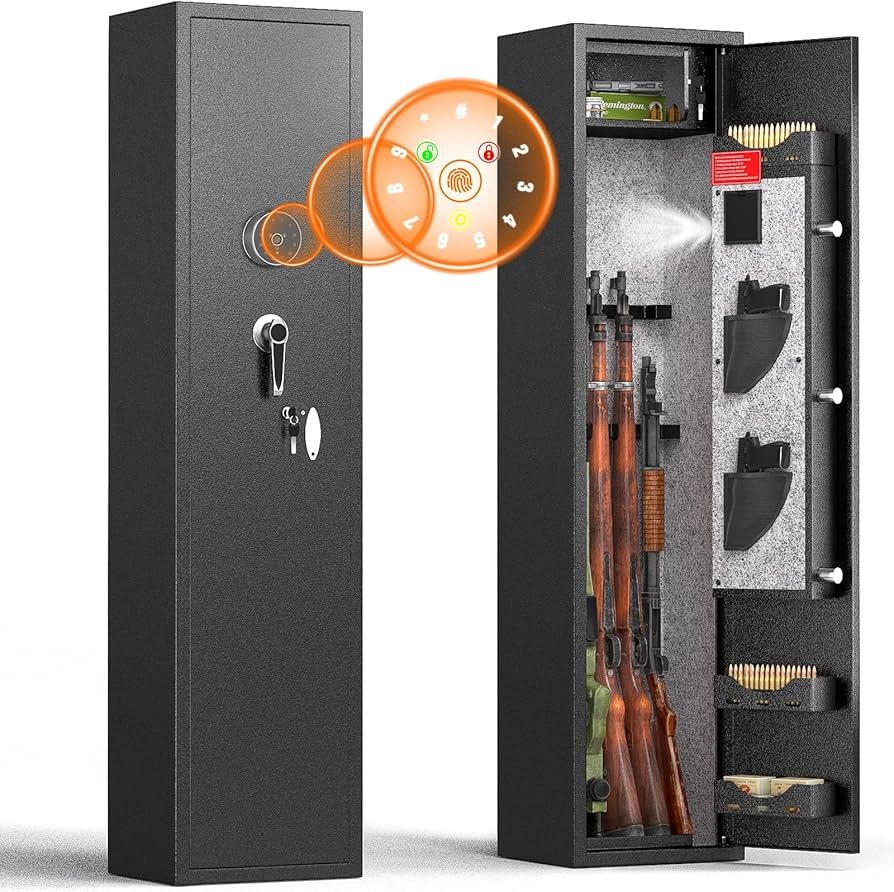
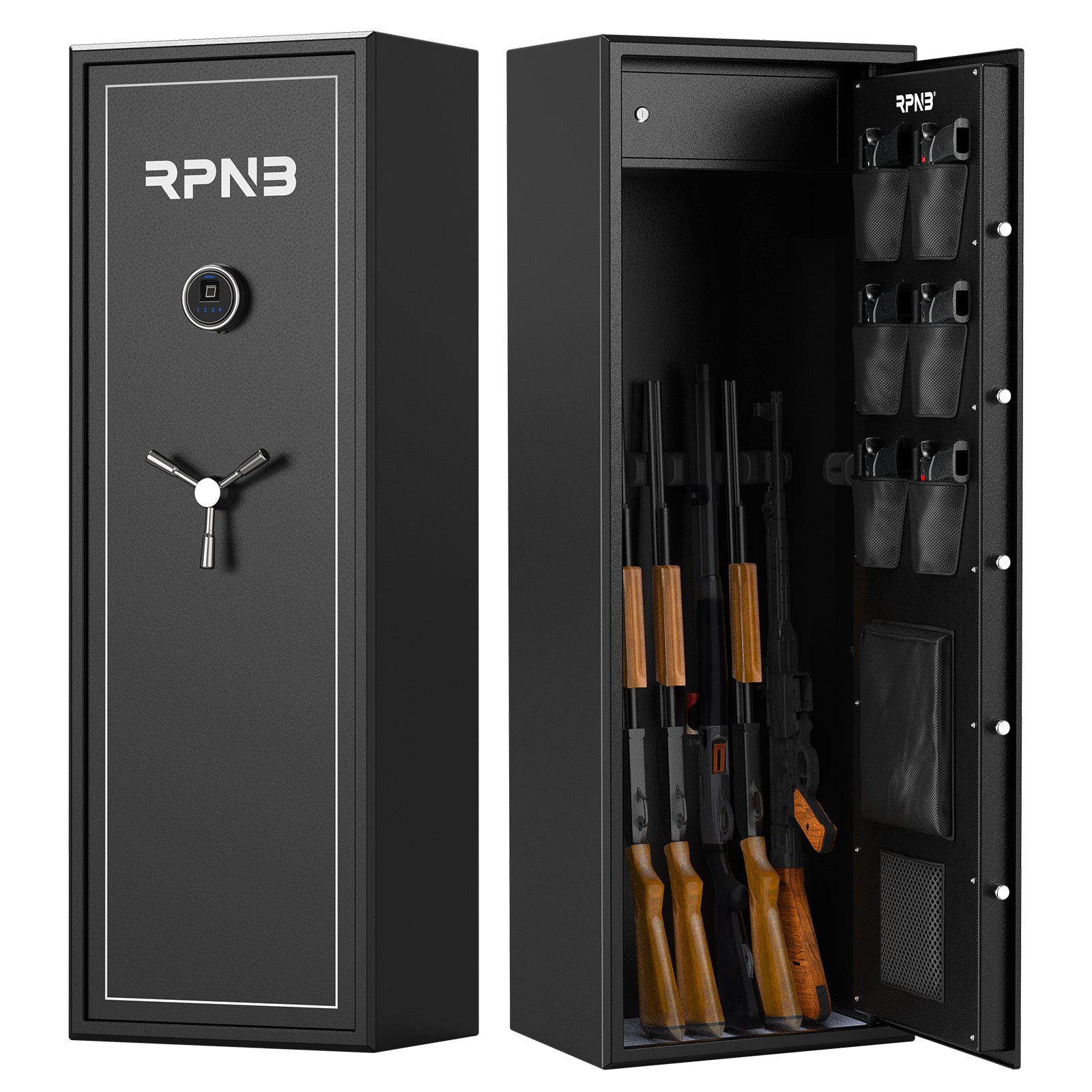
- Interior: Carbine rack that fits optics. Foam or felt that will not shed.
- Support: Clear warranty, spare parts, and live support.
If the seller cannot state steel thickness, skip it. If there is a front reset hole with thin cover, skip it. These small checks raise the bar fast. They also answer how secure are electronic carbine safes in your budget range.
Maintenance, testing, and failure drills
Keep it simple. Practice once a month.
Routine:
- Test open and lock three times with each method.
- Check bolts for smooth travel. Listen for grinding.
- Inspect door edges for flex.
Drills:
- Open in the dark with your primary method. Time it.
- Open with the backup method. Time that too.
- Practice safe loading and unloading with a dummy mag.
Failures:
- If the reader fails in the cold, use the keypad. Clean and retry later.
- If the keypad fails, use the backup key or secondary lock.
These small habits turn a box into a real security system. They also reveal how secure are electronic carbine safes when things go wrong.
Frequently Asked Questions of How secure are electronic carbine safes
Are electronic carbine safes easy to break into?
Cheap models can be pried or bypassed fast. Well-built units with thicker steel, direct-drive locks, and good anchoring resist common attacks.
Will my safe open during a power outage?
No. A quality safe stays locked without power. You can open it with a code, battery swap, or a secure backup method.
Are biometric locks reliable in real life?
They are fast when set up right. Enroll multiple fingers, keep the sensor clean, and always have a keypad code as a backup.
Do ratings like UL RSC matter for rifle safes?
Yes. An RSC rating means the safe passed a timed tool attack. It gives a real baseline beyond marketing claims.
Can thieves carry off a small rifle safe?
They can if it is not anchored. Bolt it to studs or concrete and choose a spot that limits pry leverage.
How often should I change the batteries and codes?
Change batteries on a set schedule, at least twice a year. Update codes when someone leaves the home or after any suspected disclosure.
How secure are electronic carbine safes compared to mechanical ones?
With equal build, security is similar, but electronic access is faster. Avoid weak solenoids and poor key overrides to close gaps.
Conclusion
Electronic carbine safes can be very secure when you choose strong build, smart locks, and solid anchoring. Thin cabinets with basic solenoids offer quick access but low delay under tools. The right pick, used well, can keep family safe and buy time in a break-in.
Take action today. Check your steel, your lock type, and your anchoring. Run a two-minute open drill this week. If you found this useful, subscribe for more hands-on gear advice or leave a question so I can help you choose with confidence.