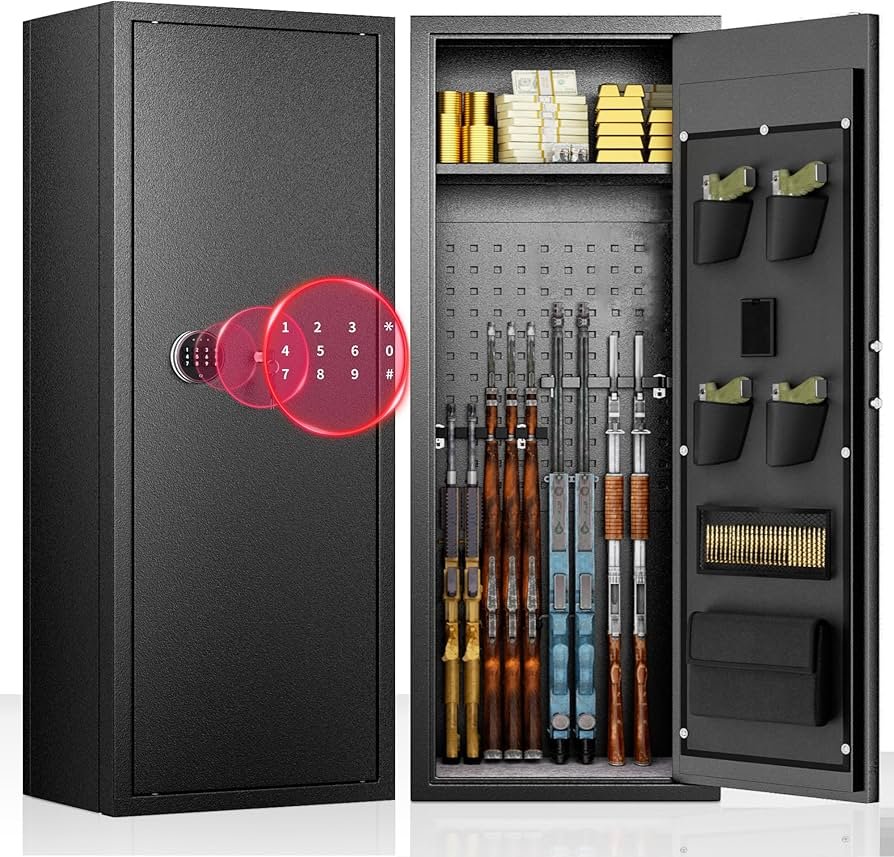
Carbine safes are built from steel bodies, hardened plates, composite doors, and fire liners.
If you have ever wondered What materials are carbine safes made from, you are in the right place. I work with safes in the field, and I test them in real shops. In this guide, I explain every layer, from the steel shell to the tiny anti-drill parts. By the end, you will know how to spot real strength, what matters for fire, and how to buy with confidence.
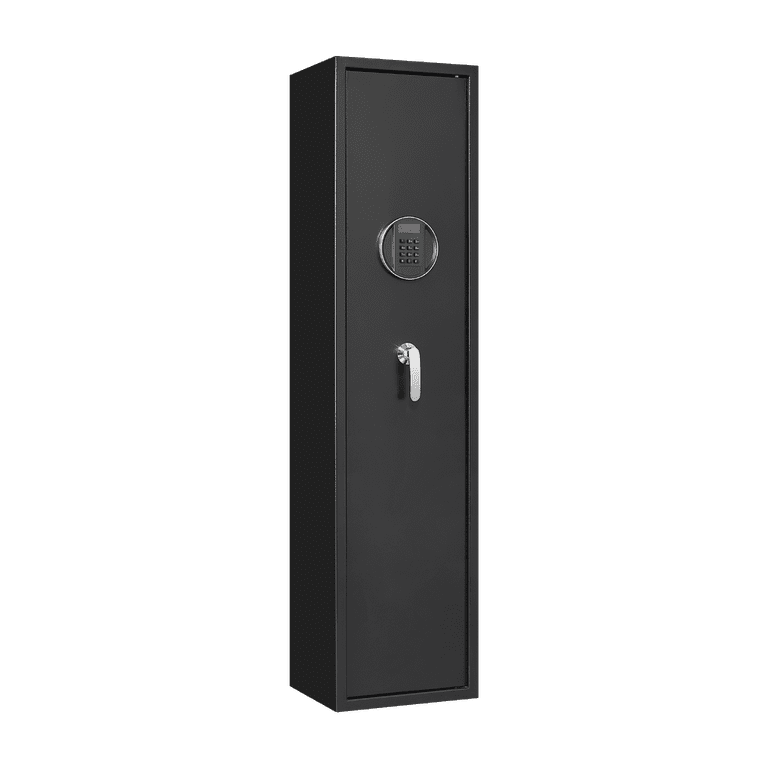
What materials are carbine safes made from: a complete breakdown
At the core, it is steel. Mild steel sheet forms the body. Thicker plate or layered steel builds the door. Many makers add hard plate above the lock to stop drills. Fireboard or ceramic wool sits inside as a thermal layer.
But What materials are carbine safes made from beyond the basics? You also get steel bolts, manganese or tool-steel shields, and composite door fillers. Interiors use MDF, carpet, and foam. Coatings include powder coat and zinc-rich primers. When you ask, What materials are carbine safes made from, think of a layered shell where each layer fights a different threat.
From my shop tests, material choice matters more than brand hype. A cheap 16-gauge box folds under a pry bar. A 12-gauge body with a 3/16-inch door holds up far better, even before you anchor it.

Steel gauge and thickness explained
Steel thickness is a big deal. Gauge numbers go down as steel gets thicker. In plain terms, 14-gauge is thinner than 12-gauge. Thicker steel resists prying, drilling, and cutting longer.
Quick guide:
- 14-gauge body about 1.9 mm. Budget grade, light duty.
- 12-gauge body about 2.6 mm. Good baseline for carbine safes.
- 10-gauge body about 3.4 mm. Strong for pry resistance.
- 3/16-inch door about 4.8 mm. Common in better safes.
- 1/4-inch door about 6.35 mm. Heavy and stout.
What materials are carbine safes made from is not only “steel,” but also how thick that steel is. I once tried a 24-inch pry bar on a 16-gauge cabinet. It popped in seconds. A 12-gauge safe, anchored, stopped the same attack.

Door construction and locking components
A good door is a sandwich. Most use an outer steel skin, an inner steel skin, and a stiff core. You may see welded ribs, inner plates, or composite fillers. The door sits in a recessed frame to reduce pry points.
Locking parts use strong metals too:
- Lock body typically hardened or shielded steel. Electronic or mechanical, both can work well.
- Lock hard plate of tool steel or manganese steel. This plate dulls drills and eats bits.
- Lock bolts of solid steel. Some safes use round bolts; others use a one-piece locking bar. Both can be strong if sized and fitted well.
- Relockers with hard steel parts. Spring or glass relockers kick in if the lock is attacked.
When people ask, What materials are carbine safes made from for the door, I say: layered steel skins, stiffeners, hard plate, and solid steel boltwork. The mix matters more than one single thick plate.
 protection materials and trade-offs”
style=”max-width: 100%; height: auto; border: 2px solid black; border-radius: 10px; display: block; margin: 0 auto;”
loading=”lazy”
/>
Fire protection materials and trade-offs
Fire layers vary by brand and price. Most common is Type X gypsum board. It holds water in its core and releases steam in a fire. That steam helps keep temperatures lower for a while. Some safes use ceramic or mineral wool, which holds heat back better and adds less weight. High-end composite doors may use a concrete-like fill with vermiculite and fibers.
Look for:
- Type X gypsum board. Affordable and common, but adds humidity risk inside after a fire.
- Ceramic or mineral wool. Good heat blocker with less moisture.
- Intumescent door seals. These swell in heat to block smoke and hot gases.
- Real fire tests. There is no single US standard across all gun safes. Reputable makers disclose test temps, times, and sensor points.
What materials are carbine safes made from for fire? Usually gypsum, sometimes ceramic wool, and in premium models a composite fill. Each choice trades weight, cost, and real burn performance.
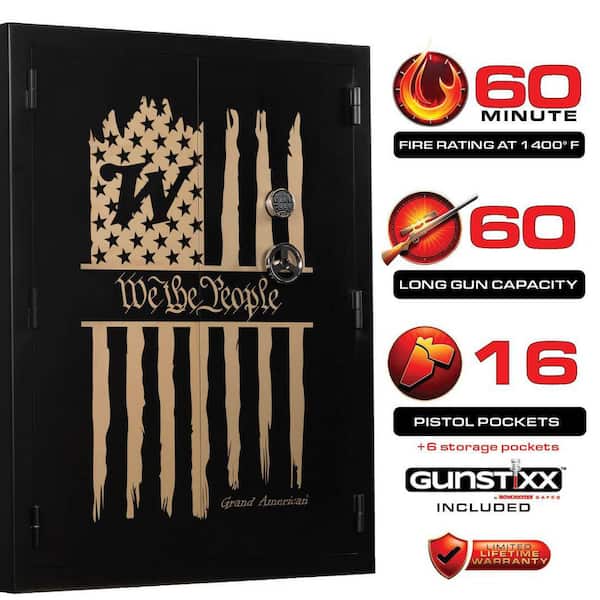
Anti-drill, anti-cut, and anti-pry defenses
Tool attacks target the lock, the door edge, and the body. Defense parts are small but key. Above the lock sits a hard plate of tool steel or manganese steel. This plate can be flat, layered, or even a spinning design that throws off bits. Doors may have reinforced pry tabs and deeper steps to make crowbar work harder.
Common defenses:
- Hard plate over the lock. Manganese or tool steel, often 60+ Rockwell hardness.
- Relockers. Mechanical parts that trigger a secondary block if the lock is hit or drilled.
- Anti-pry design. A deep door recess, long locking bars, and tight tolerances.
- Thicker body steel. Even the best hard plate fails if the body is thin and unanchored.
If you wonder What materials are carbine safes made from to stop drills and prying, think hardened tool steel for the lock area and thicker mild steel for the shell.

Interior and mounting materials
Inside, most carbine safes use MDF shelving with carpet. Mounting panels may be steel pegboard, polymer panels, or aluminum tracks. Foam rests and barrel saddles are EVA or closed-cell foam. Some upgraded interiors use marine carpet to resist moisture.
Smart details:
- MDF or plywood shelves with carpet. Simple and effective.
- Steel or aluminum rails for modular racks. Strong and easy to reconfigure.
- EVA foam contact points. Gentle on finishes, easy to replace.
- Desiccants or dehumidifiers. Cut rust risk from fireboard moisture.
- Anchor hardware. Grade 5 or better bolts and steel washers. In concrete, use proper wedge anchors.
What materials are carbine safes made from inside? It is a mix of MDF, carpet, foam, and steel rails. It is not glamorous, but it keeps carbines secure and organized.
Coatings and corrosion protection
A safe’s skin fights rust. Powder coat is the standard finish. It is tough and clean. Some brands add e-coat or zinc-rich primers under the color coat to combat corrosion. Inside, many use a textured powder coat to resist scuffs.
Key coatings:
- Powder coat outer finish. Durable and low maintenance.
- Zinc-rich primer or phosphate layers. Better rust protection in humid garages.
- Sealed edges and caps. Fewer raw metal edges mean fewer rust starts.
Ask the maker What materials are carbine safes made from for finishes, not just the body. A good coating makes steel last.

How manufacturing shapes strength
Materials are half the story. Build quality is the other half. Good safes use continuous welds along seams, not short spot welds. Clean bends add rigidity. Tight door gaps reduce pry points. Heavy hinge pins and reinforced hinge boxes matter a lot.
Quality markers:
- Continuous MIG/TIG welds. Less flex at seams.
- Tight, even door fit. Smaller gaps, better pry resistance.
- Reinforced hinge side. Prevents peel attacks.
- Real labels. UL Residential Security Container (RSC) is a useful baseline. Many makers also design toward California DOJ guidelines. Both point to solid steel and real boltwork.
When someone asks What materials are carbine safes made from, I also talk about how those materials are welded, bent, and fitted. Design makes the most of the metal.
Choose materials for your use case
Match the safe to the risk. In an apartment, go for lighter but dense security: 12-gauge body, 3/16-inch door, solid hard plate, and strong anchors to a stud wall and floor. In a garage, pick thicker steel and use concrete anchors. If fire risk is high, choose ceramic wool or multi-layer gypsum with tested ratings.
Simple picks by need:
- Budget basics. 14-gauge body, hard plate, at least two fireboard layers, and anchor it.
- Stronger pry defense. 12-gauge body with a 3/16-inch or 1/4-inch door, long locking bars.
- High heat concern. Multi-layer gypsum plus intumescent seals, or ceramic wool insulation.
- Highest security. 10-gauge or thicker body, composite door with hard plate and relockers, UL RSC or better.
Ask yourself again: What materials are carbine safes made from that fit my threat? Then buy the mix that answers that question for your space and budget.
Real-world notes and lessons learned
From field work, three lessons repeat. First, anchors are part of the material system. Even a heavy safe tips if it is not tied to the floor or wall. Second, 12-gauge is my floor for a carbine safe body. It hits a sweet spot of weight and strength. Third, a small piece of hard plate over the lock can save the day. I have seen cheap safes drilled open; I have seen hard plate stop the same bit cold.
When a customer asks, What materials are carbine safes made from that actually make a difference, I say: thicker steel where attacks land, hard plate on the lock, and real fire layers. Everything else is nice, but those three carry the load.
Frequently Asked Questions of What materials are carbine safes made from
What materials are carbine safes made from in most mid-range models?
Most use a 12-gauge steel body, a 3/16-inch steel door, and a hardened lock plate. Fire protection is often Type X gypsum with intumescent seals.
Do any carbine safes use aluminum or plastic bodies?
No. Aluminum and plastic are too easy to cut or pry. You may see aluminum rails or polymer panels inside, but not for the main shell.
What materials are carbine safes made from for fire resistance?
Common choices are Type X gypsum, ceramic wool, or composite fills. Gypsum is most common; ceramic wool runs cooler for longer at a higher cost.
Are stainless steel parts common in carbine safes?
Stainless shows up in small parts like bolts or hinges in some models. It is rare for full bodies due to cost and stiffness trade-offs.
What materials are carbine safes made from to stop drilling?
Tool-steel or manganese hard plates sit over the lock, backed by relockers. Thicker door steel and deep door recesses also help.
Does powder coat make a real difference?
Yes. It seals steel from moisture and resists chips and scratches. Zinc-rich primers under powder coat further boost rust resistance.
Are composite doors better than single-plate doors?
Often, yes. Layered steel with hard plate and fillers spreads force and resists tools. Still, a single thick plate can work if it is very thick and well-fitted.
Conclusion
You now know the full stack: steel bodies, layered doors, hardened plates, and smart fire liners. Pick thicker steel where it counts, demand a real hard plate, and do not skip anchors. Those choices beat flashy features every time.
Put this guide to work today. Check your short list against these materials and upgrades, and choose the safe that matches your real risks. Want more gear tips and deep dives like this? Subscribe for updates or leave a question, and I will help you sort the best pick for your setup.