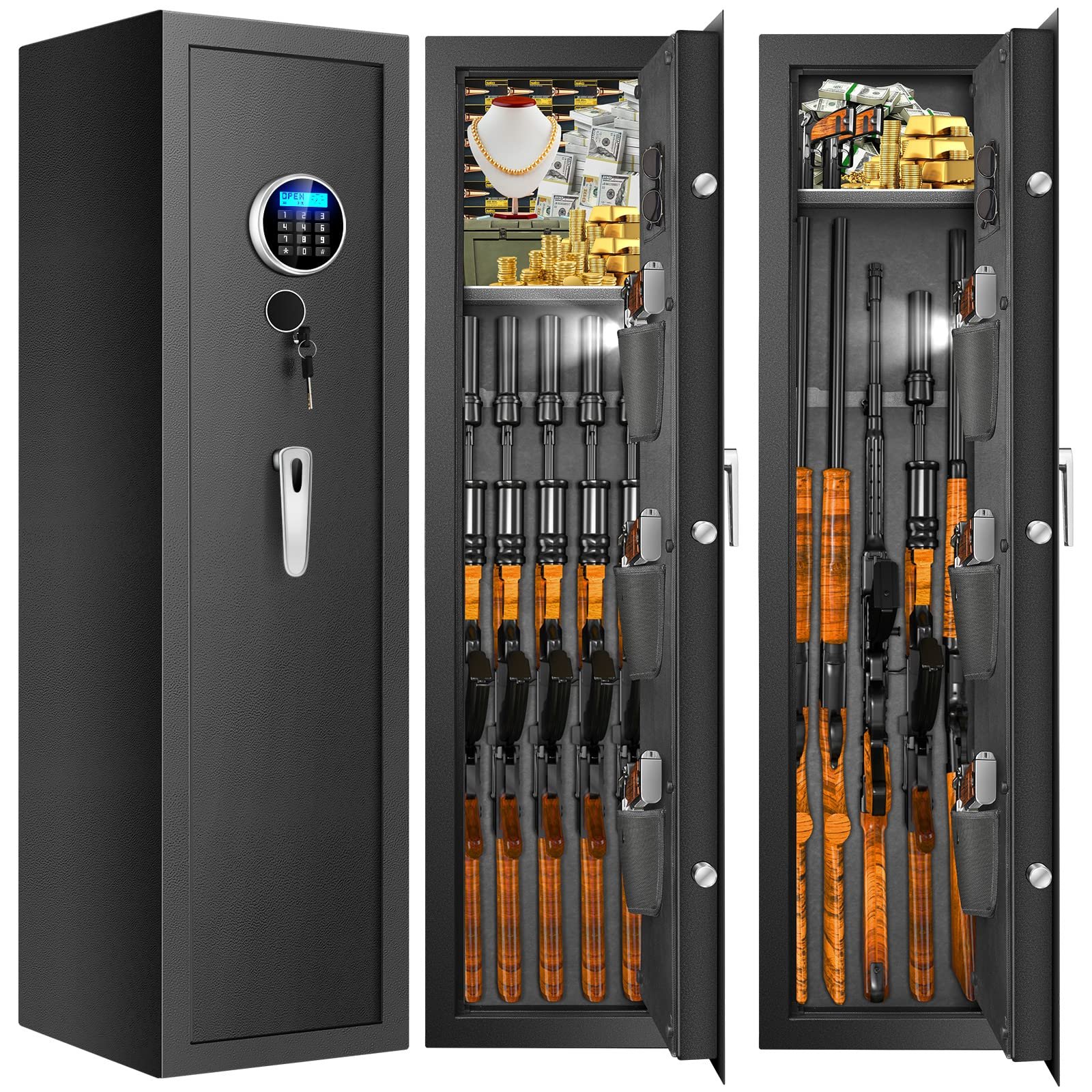
Most carbine safes offer limited fire resistance, not full fireproof protection. Ratings vary widely.
If you’re asking Are carbine safes fire resistant, you’re already thinking like a responsible owner. I’ve helped dozens of families choose, install, and recover safes after fires. In this guide, I’ll unpack how real fire ratings work, what construction details matter, and how to protect rifles, optics, and ammo when heat rises. Stick with me, and you’ll know exactly what to buy and what to avoid.
What fire resistance really means for a carbine safe
When people ask Are carbine safes fire resistant, they often hope for yes or no. The truth sits in the middle. Safes are not fireproof. They are time and temperature resistant.
Most credible ratings are based on furnace tests that follow a time temperature curve. Common targets include 30, 60, 90, or 120 minutes, often at peak temperatures from about 1200 to 1700 degrees Fahrenheit. The test checks inside the safe. If the interior stays under a set limit, the safe passes for that duration.
For guns, that interior limit is different than for paper. Paper chars near 350 degrees. Many optics and polymers degrade lower. Adhesives can fail near 200 to 250 degrees. That is why a “1 hour at 1400 degrees” claim may still be risky for glass, electronics, and certain stocks. When you ask Are carbine safes fire resistant, think about the contents, not just the box.
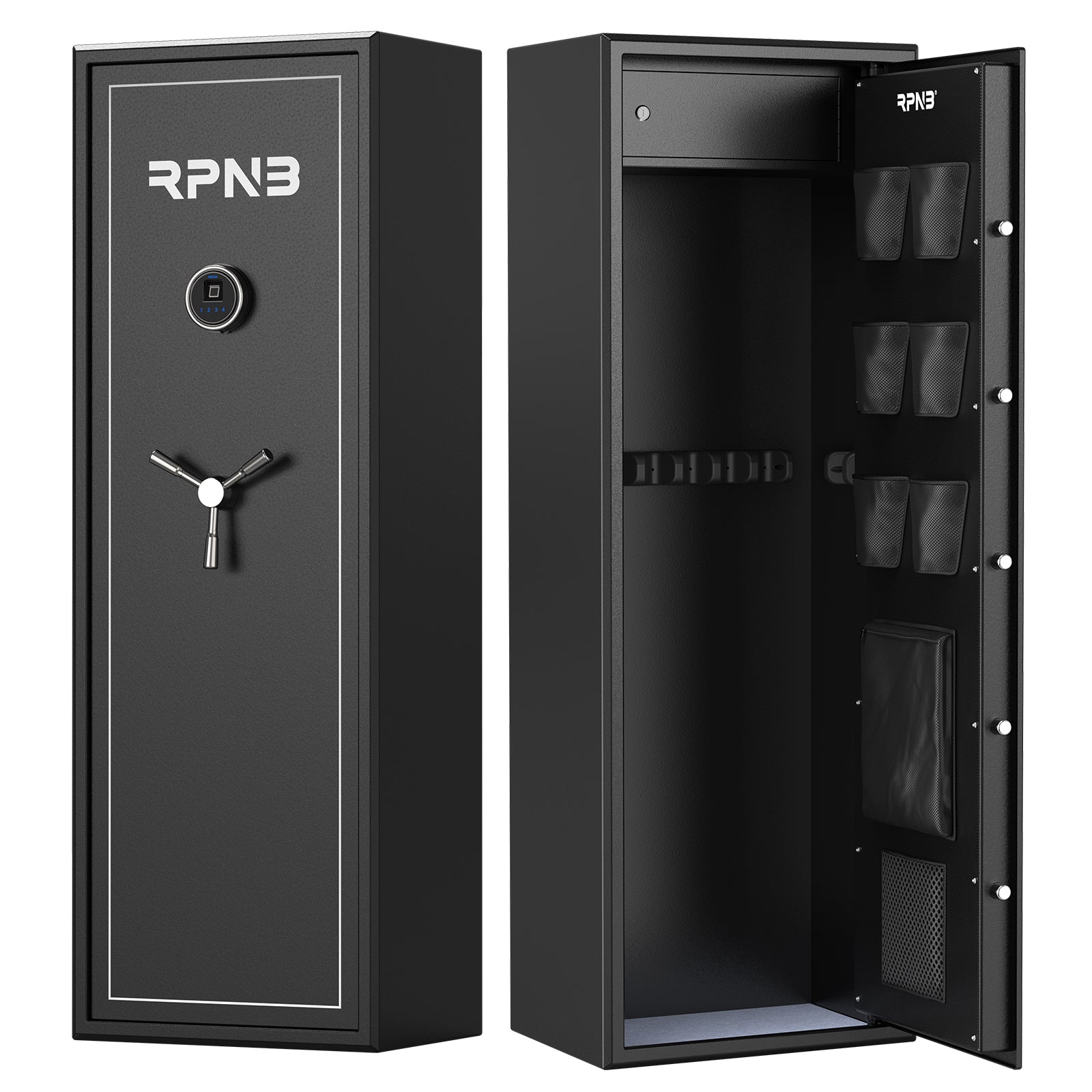
How to read fire ratings and labels
Marketing language can be loud. Look for third party verification. Not all labels mean the same thing.
Key clues to check:
- Actual test standard used. Look for UL 72, Intertek ETL Verified, or a published furnace curve with pass criteria.
- Duration and temperature. Example: 60 minutes at 1400 degrees with max interior at 350 degrees.
- Drop test and reheating. Some tests add a drop to mimic floors failing in a fire, then more heat.
- Interior data. Ask for logged interior temperature over time, not just a final pass line.
- Wording. Terms like fire-rated or fire-insulated can be loose. Verified or certified by a lab is stronger.
Are carbine safes fire resistant if they lack a lab mark? They can be, but trust should be lower. Verified data beats claims every time.
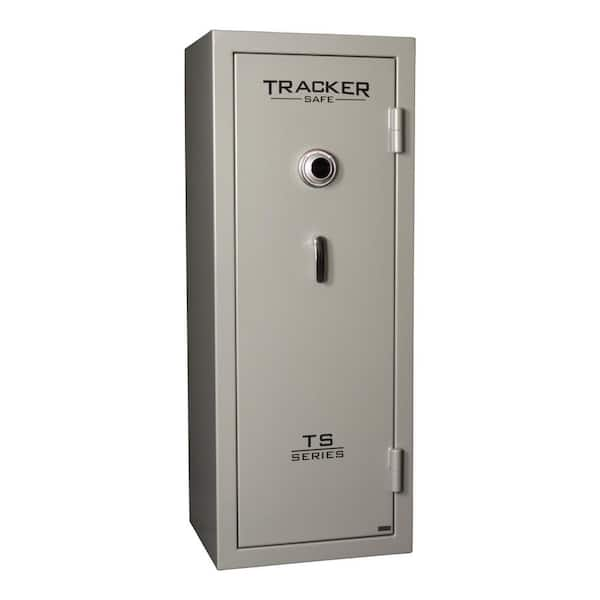
Construction features that drive real fire resistance
How a safe is built matters as much as the label. I have seen similar size safes perform very differently in the same fire.
Focus on these parts:
- Body and door steel. Thicker steel resists warping. A stiff shell keeps gaps closed when hot.
- Insulation type. Multiple layers of fireboard work, but poured concrete amalgam or high density composite insulates better and adds mass.
- Door seal. A full length intumescent seal expands in heat and blocks hot gases and smoke.
- Seam design. Fewer weld gaps and tighter tolerances slow heat flow and convection.
- Hinges and bolts. Internal hinges reduce direct heat paths. Robust boltwork keeps the door seated under pressure.
- Back panel and floor. Fire likes weak points. Consistent insulation around edges reduces hot spots.
Are carbine safes fire resistant when they use only drywall? Many are, for short events. For longer burns, composite walls win.

Real-world performance from the field
I have walked burned homes with adjusters and owners. In quick knockdowns, even budget safes protected rifles. In long, vented attic fires, cheap boxes failed fast. One mid-tier safe with composite fill kept a carbine and a red dot intact after an hour-plus event. The optic needed re-zeroing, but glass and electronics lived.
Lessons learned:
- Position matters. Safes on lower floors, away from kitchens and garages, face lower peak heat.
- Airtight seals help more than extra sheet layers alone.
- Long barrel rifles heat unevenly. Store optics low and centered, not near the door edges.
- Are carbine safes fire resistant enough for ammo? Loose boxed ammo is usually fine. High temps can cook off, but pressure vents inside a safe can handle small releases. Separate bulk ammo when you can.
Mistake to avoid: relying only on the claim plate. Look at build quality. Ask for the test report.
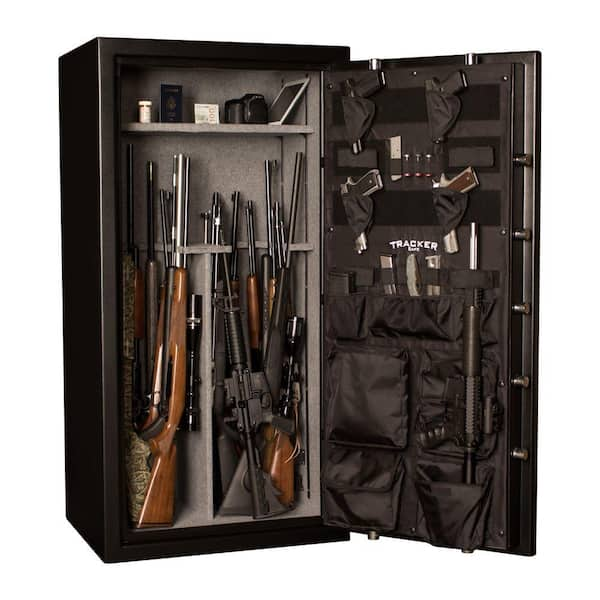
Choosing a fire-resistant carbine safe: a step-by-step checklist
Are carbine safes fire resistant for your exact risk? Use this quick path to decide.
- Define contents. List rifles, optics, lights, suppressors, and papers. Heat limits vary by item.
- Set a time goal. Choose the rating based on your local fire response time and construction type.
- Demand a standard. Prefer UL 72 or ETL Verified data with test curves and interior logs.
- Check build. Seek solid door fit, composite walls, and continuous intumescent seals.
- Weigh size honestly. A half-empty safe regulates heat better and eases layout.
- Confirm anchoring. A bolted safe stays stable during a collapse and helps seals keep contact.
- Plan location. Put it on a slab or lower level, away from likely ignition zones.
- Compare total cost. Include delivery, anchors, dehumidifier, and an inner fire box for optics.
Budget tiers to expect:
- Entry: basic fireboard, 30 to 45 minutes. Best for low risk, tight budgets.
- Mid: better insulation, 60 to 90 minutes, real seals. Best value for most homes.
- Premium: composite fill, 90 to 120 minutes, drop test. Best for remote areas or high risk.
Are carbine safes fire resistant at entry level? Yes, for short burns. For tougher fires, step up a tier.
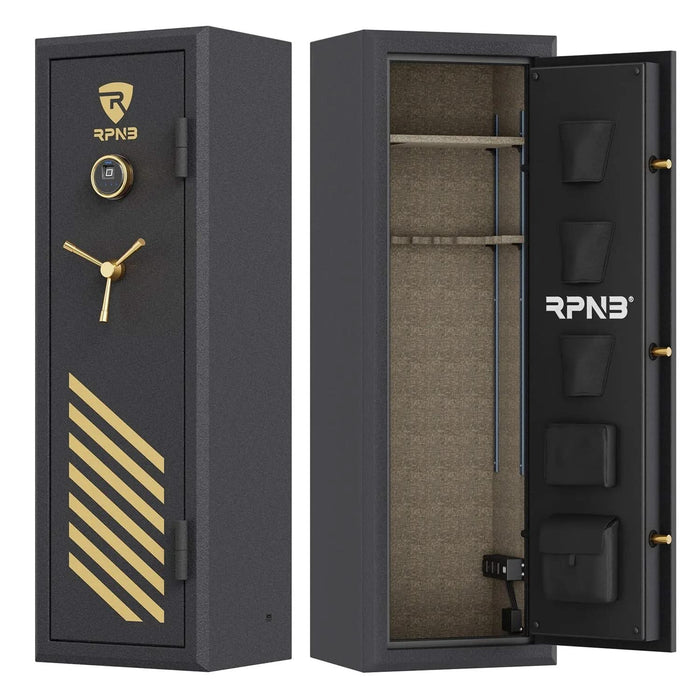
Protecting what is inside the safe
Think of the safe as a shell. You can add layers inside to improve results.
Practical upgrades:
- Inner document or media box. Store optics, NFA paperwork, and hard drives in a rated inner case.
- Desiccants and dehumidifiers. Moisture can corrode after a fire. Keep humidity in check.
- Non-marring racks. Keep rifles spaced so air flows and heat does not pool.
- Heat shields. Simple fire blankets around optics offer extra buffer without bulk.
- Labels and photos. Keep an updated inventory for claims.
Are carbine safes fire resistant on their own? Yes, but smart interior setup often makes the difference between repair and replace.
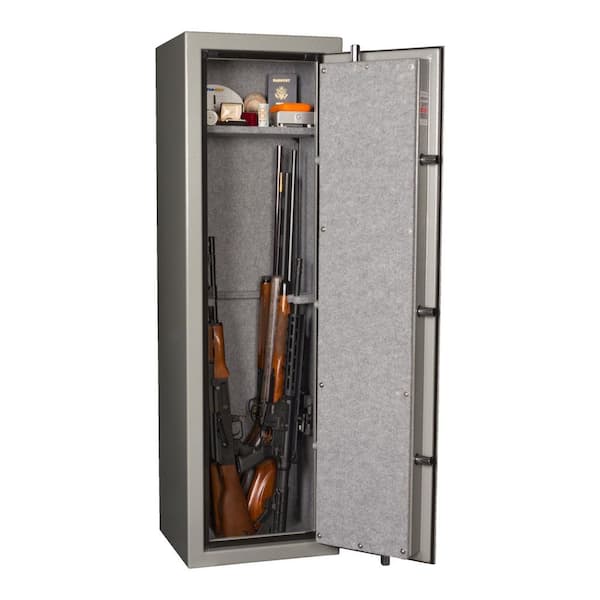
Testing your safe at home without risk
You cannot recreate a furnace test, but you can spot weak links.
Safe checks:
- Seal continuity. Close the door on thin paper strips around the frame. Tug gently. Even bite means even pressure.
- Light and smoke test. In a dark room, use a flashlight inside. Look for leaks around the door. Incense outside can reveal drafts drawn into gaps.
- Hinge and bolt engagement. Mark contact points with chalk. You want full engagement on all sides.
- Temperature awareness. Place a simple max-reading thermometer inside during a space-heater test near the exterior. Do not overheat. You are only checking how fast the interior rises a little.
Are carbine safes fire resistant if small light leaks exist? They can be, but fixable leaks reduce hot gas ingress and improve odds.
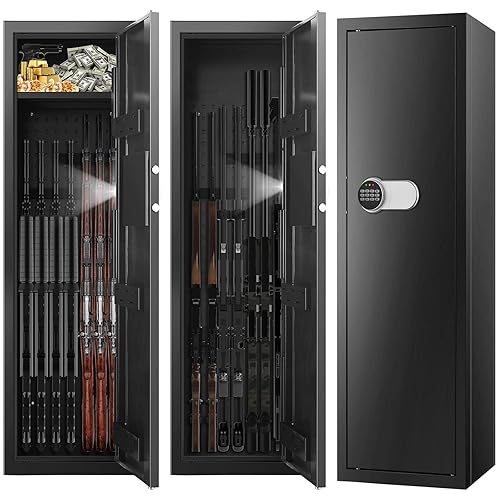
Cost versus performance: what to expect by price
Fire resistance scales with materials, mass, and testing. You pay for time and certainty.
What the tiers often buy:
- Under 800 dollars. Thin steel, single fireboard, basic seal. Good for short, contained fires.
- 800 to 2000 dollars. Thicker steel, multi-layer insulation, better seal, real rating data. Strong middle ground.
- 2000 dollars and up. Composite walls, reinforced doors, tested drops, long durations. More weight, more margin.
Are carbine safes fire resistant at every price? Yes, to a point. As duration and severity rise, higher tiers hold longer and cooler.
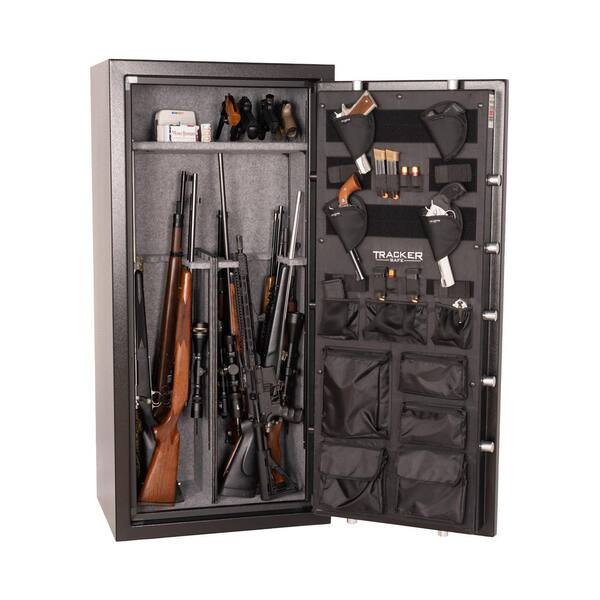
Common myths about “fireproof” gun safes
These myths confuse buyers and cost money.
- Fireproof means safe forever. No safe is immune. Ratings are for set times and curves.
- Any 60-minute rating is equal. Test methods vary. Verified lab data is not the same as a factory claim.
- Thicker steel equals better fire rating. Steel helps structure. Insulation and seals control heat.
- A safe upstairs is fine. Heat rises. Lower floors and slabs reduce peak exposure.
- Ammo always explodes inside. Loose rounds may cook off, but cases vent. The bigger risk is heat damage to optics and plastics.
Are carbine safes fire resistant if they are “heavy”? Weight helps, but design and test data matter more.
Frequently Asked Questions of Are carbine safes fire resistant
Do all carbine safes have a fire rating?
No. Many budget safes skip real testing. Look for UL 72 or ETL Verified labels and ask for test reports.
How many minutes of fire protection do I need?
Aim for at least 60 minutes if you live in a suburban area. Go 90 to 120 minutes for rural homes or older structures.
Will a fire-rated safe protect my optics and electronics?
It helps, but optics can fail at lower temps than paper. Use an inner fire box and store optics low and centered.
Is drywall fireboard good enough?
It works for short fires. Composite filled walls perform better in long or very hot events.
Where should I place the safe for best fire performance?
On a slab or ground floor, against an interior wall, away from kitchens and garages. Cooler zones buy time.
Are carbine safes fire resistant enough for storing ammo?
Yes for modest amounts. Keep bulk ammo separate if possible, and use sturdy containers to organize and reduce clutter.
How can I verify a manufacturer’s fire claim?
Ask for the lab name, test standard, time temperature curve, and interior temperature log. Third party verification builds trust.
Conclusion
Are carbine safes fire resistant is the right question, but the best answer depends on your risk, contents, and build quality. Look for verified ratings, strong insulation, tight seals, and smart placement. Add an inner fire box and good storage habits, and your rifles and optics stand a much better chance.
Take a few minutes today to list your needs and match them to a tested safe. If you found this helpful, share it with a friend, subscribe for more practical gear advice, or drop a question so I can help you choose the right model.