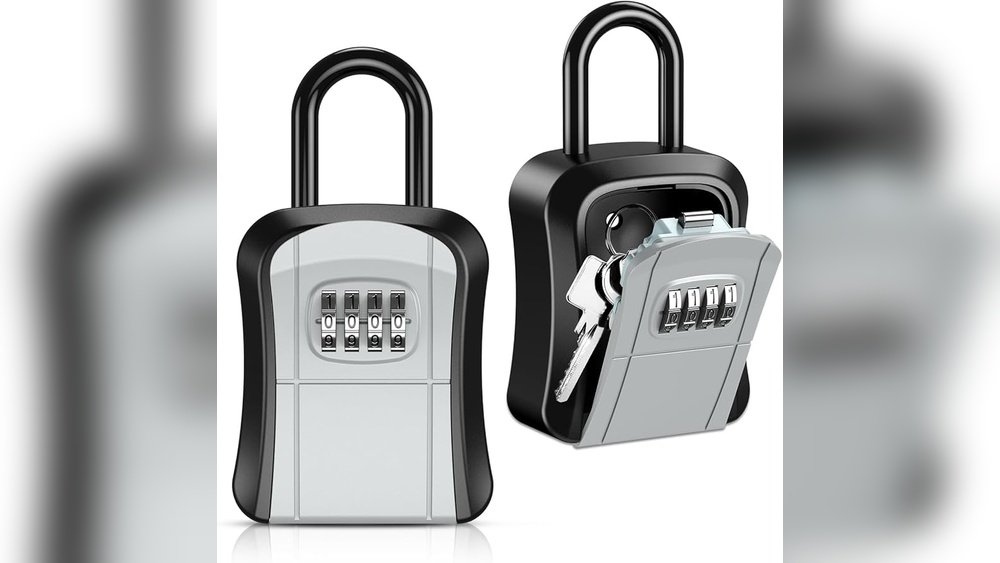
When it comes to protecting your valuables, you want to be sure your lock box can handle more than just theft. You might be wondering: are portable lock boxes fireproof or water-resistant?
Knowing this can make all the difference when it matters most. Imagine your important documents, cash, or gadgets safe even if disaster strikes. Keep reading to discover what these lock boxes can really do, and how to choose the right one to protect what’s most important to you.
Fire Resistance Of Portable Lock Boxes
Portable lock boxes offer a level of fire resistance, but their protection varies. Understanding their fire resistance helps you choose the right box for your needs. Some models handle heat and flames better than others. Knowing what makes a lock box fireproof is important.
Materials Used In Fireproof Lock Boxes
Fireproof lock boxes use special materials to resist heat. Many have thick steel walls to block flames. Inside, they often have insulation to slow heat transfer. This insulation can be a fire-resistant cement or fiber. These materials work together to protect contents from fire damage.
Fire Ratings And Certifications
Fire ratings show how long a lock box can resist fire. Common ratings include 30, 60, or 120 minutes of protection. Certifications come from testing labs that follow strict rules. Look for labels from Underwriters Laboratories (UL) or Intertek. These prove the box meets fire resistance standards.
Limitations Of Fire Protection
Fireproof lock boxes are not indestructible. Extreme fires can damage even the best boxes. Protection time is limited; longer fires may cause heat inside. Lock boxes also do not protect against water damage from firefighting. Choose a box with fire and water resistance if needed.
Water Resistance Features
Water resistance is a key feature of many portable lock boxes. It helps protect important items from damage caused by moisture. Understanding how these boxes resist water can guide you in choosing the right one for your needs. Below, we explore the main water resistance features found in portable lock boxes.
Sealing Mechanisms And Design
Portable lock boxes use special seals to keep water out. Rubber or silicone gaskets line the edges of the lid. These seals fit tightly when the box is closed. Some models have locking latches that press the lid firmly against the seal. The design often includes raised edges to stop water from entering. These features work together to create a water-resistant barrier.
Testing Standards For Water Resistance
Water resistance is measured by specific tests. Many lock boxes follow IP (Ingress Protection) ratings. An IP rating shows how well the box keeps out dust and water. For example, IPX4 means the box can resist splashing water. Higher ratings, like IPX7, mean the box can survive being submerged briefly. These tests help buyers know the level of protection offered.
Common Water Exposure Scenarios
Portable lock boxes face different water risks. Rain is a common threat during outdoor use. Some boxes protect against rain and splashes. Dropping a box in a puddle or shallow water can happen. Boxes with higher water resistance can handle brief submersion. Moisture from humidity or condensation inside vehicles is another factor. Water resistance helps keep valuables safe in these situations.
Comparing Fireproof And Water-resistant Models
Portable lock boxes come in different types to protect your valuables. Two common features are fireproof and water-resistant. Understanding the differences helps pick the right one. Each type protects against different risks. Some models combine both features, but many focus on one. This section compares fireproof and water-resistant lock boxes. It covers construction, risk-based choices, and cost versus performance.
Key Differences In Construction
Fireproof lock boxes use special insulation materials. These materials block heat and flames for a set time. They often have thick walls and tight seals. Water-resistant models use rubber gaskets and waterproof materials. These prevent water from entering during floods or spills. The design focuses on keeping moisture out, not heat. Fireproof boxes are heavier due to insulation. Water-resistant ones are lighter but sealed well.
Choosing Based On Risk Factors
Think about the main dangers to your items. If fire is a concern, fireproof boxes suit best. They protect documents, cash, and electronics from heat damage. For places with flooding or heavy rain, water-resistant boxes work better. They keep contents dry and safe from water damage. Consider where you live and what risks are common. Some users need both features and select hybrid models.
Price And Performance Trade-offs
Fireproof boxes usually cost more because of materials and testing. They offer strong heat resistance but may not fully block water. Water-resistant boxes are often less expensive. They focus on moisture protection but do not handle fire well. Combining fire and water protection raises the price significantly. Budget and protection needs guide the best choice. Prioritize the risk that matters most to your valuables.

Practical Tips For Using Lock Boxes
Using portable lock boxes correctly increases their value and safety. Simple steps help protect your important items. Follow these tips to get the most from your lock box.
Proper Placement And Installation
Place the lock box in a hidden or hard-to-reach area. Avoid obvious spots like near doors or windows. Secure the box firmly to a solid surface. Use strong screws or bolts for installation. Check that the lock mechanism works smoothly after setup.
Maintenance For Longevity
Clean the lock box regularly to prevent dirt buildup. Use a soft cloth and mild cleaner only. Lubricate the lock with graphite powder or silicone spray. Avoid oil-based lubricants that attract dust. Inspect the lock box for rust or damage often. Replace worn parts quickly to keep it secure.
Combining Security With Fire And Water Protection
Choose lock boxes with fireproof and water-resistant ratings. Store important documents in waterproof bags inside the box. Keep the box away from heat sources or direct sunlight. Use weatherproof covers if the box stays outdoors. Consider a lock box with multiple security features. This adds extra protection against damage and theft.
Alternatives And Additional Protection Methods
Portable lock boxes offer some protection, but they have limits. Fireproof and water-resistant models exist, but not all boxes provide full safety. Many people want stronger or more reliable options for important items. Exploring alternatives and extra protection helps keep valuables safe. Combining methods can improve security and peace of mind.
Safe Deposit Boxes
Safe deposit boxes are located in banks or secure facilities. They offer high protection against fire, theft, and water damage. These boxes are usually metal and stored in vaults. Access requires identification and keys or codes. Safe deposit boxes are ideal for documents, jewelry, and rare items. They have strict rules but provide excellent security.
Home Safes With Enhanced Features
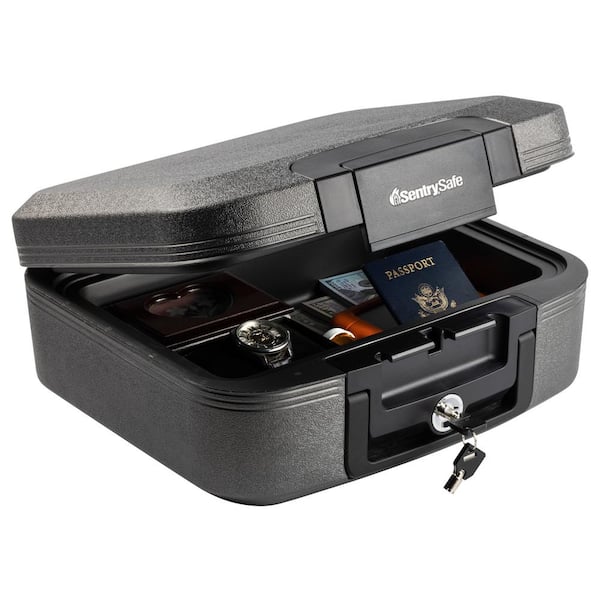
Home safes come with fireproof and waterproof ratings. Many models have thick steel walls and strong locks. Some safes include digital keypads or biometric scanners. These features make unauthorized access very difficult. Choose safes tested for heat and water resistance. Proper installation adds extra safety from theft and disasters.
Digital Security Measures
Digital security protects data and valuables in new ways. Cloud storage keeps important documents safe from physical damage. Password managers secure sensitive login details. Two-factor authentication adds a layer of protection online. Combining digital and physical security reduces risks effectively. This approach works well for sensitive personal and business information.

Frequently Asked Questions
Are Portable Lock Boxes Truly Fireproof?
Portable lock boxes offer limited fire resistance but are not entirely fireproof. They can protect contents for a short time during low-intensity fires. For full fireproof protection, specialized safes with certified fire ratings are recommended.
Do Portable Lock Boxes Protect Against Water Damage?
Many portable lock boxes feature water-resistant designs that protect contents from splashes and light rain. However, they are not fully waterproof and may not withstand submersion or heavy flooding. Check product specifications for water resistance ratings.
How Long Can Portable Lock Boxes Withstand Fire Exposure?
Portable lock boxes typically withstand fire exposure for 30 minutes to 1 hour. The duration depends on construction materials and insulation quality. Always verify manufacturer claims and certifications to ensure expected fire resistance.
Can Portable Lock Boxes Secure Valuables During Emergencies?
Yes, portable lock boxes help secure valuables during emergencies. They provide quick access while offering basic protection from fire, water, and theft. However, for high-risk situations, investing in a high-security safe is advisable.
Conclusion
Portable lock boxes offer some protection but are not fully fireproof or water-resistant. They can shield valuables from minor water spills or low heat. Still, extreme fire or flooding can damage the contents. Choosing the right box depends on your needs and risks.
Always check product details before buying. Remember, no box is completely safe against all threats. Consider extra safety measures for important items. Stay informed and protect your belongings wisely.