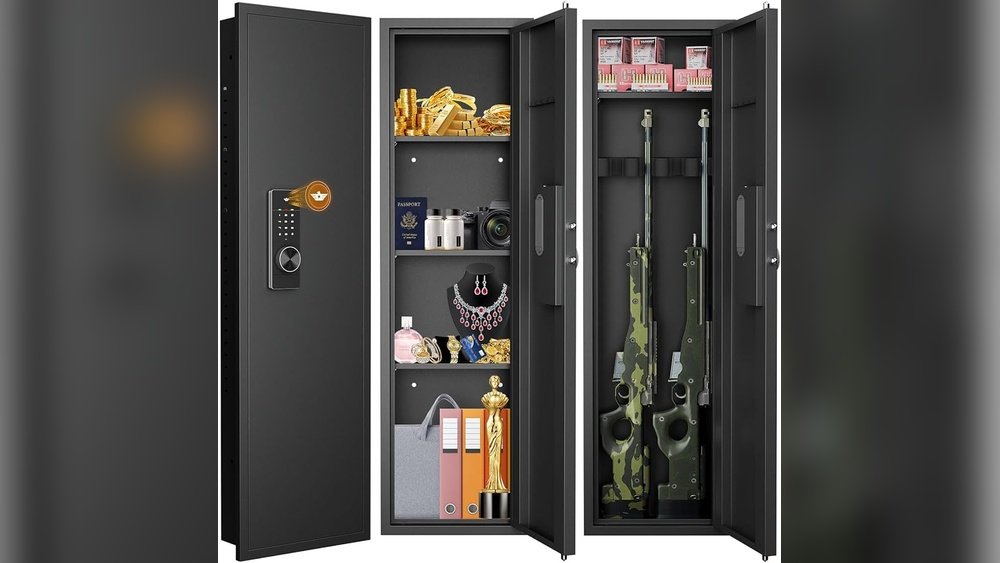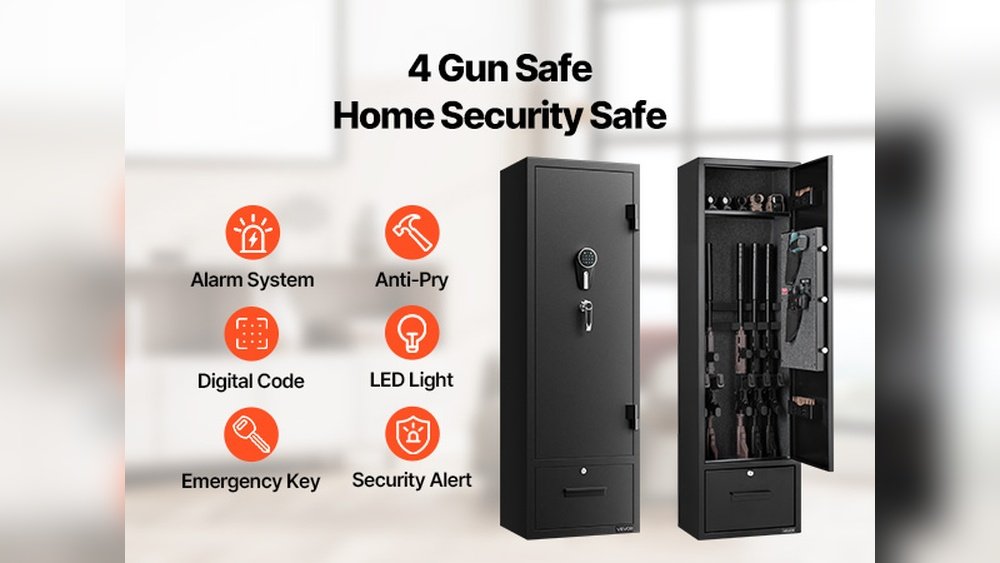
You’ve invested in a gun safe security alarm to protect what matters most. But are you sure it’s working at its best?
Just like any important device, your gun safe alarm needs regular care to stay reliable. Ignoring simple maintenance steps can leave your valuables at risk without you even realizing it. You’ll discover the easy but crucial maintenance tasks that keep your gun safe alarm sharp and ready.
Keep reading to ensure your security system never lets you down when it counts the most.

Types Of Gun Safe Alarms
Gun safes come with different types of alarms to protect your valuables. Each alarm type detects threats in unique ways. Understanding these alarms helps you maintain them properly. This section explains the common types of gun safe alarms and their features.
Motion Detectors
Motion detectors sense movement near the safe. They use infrared or microwave signals to spot motion. If someone moves close, the alarm sounds immediately. These detectors need regular cleaning to avoid dust buildup. Check their sensitivity settings to reduce false alarms. Replace batteries on time for proper functioning.
Vibration Sensors
Vibration sensors detect shakes or hits on the safe. They trigger alarms if someone tries to force it open. Keep sensors free from dirt and dust for accuracy. Test them often to ensure they react to real vibrations. Avoid placing the safe where heavy machinery causes false alarms.
Door Contact Alarms
Door contact alarms work by sensing if the safe door opens. They use magnetic switches to detect door position. Clean the contact points regularly to prevent malfunction. Inspect wiring and connections for damage or wear. Replace batteries regularly to keep the alarm active.
Regular Battery Checks
Regular battery checks keep your gun safe security alarm working well. The alarm needs power to stay active and alert you. Batteries lose power over time. Checking them often helps avoid failures. A dead battery means no protection. Simple checks save your valuables and peace of mind.
Recommended Battery Types
Use batteries that match the alarm’s manual. Most alarms prefer alkaline or lithium types. Alkaline batteries are common and affordable. Lithium batteries last longer and work better in cold. Avoid rechargeable batteries unless specified by the manufacturer. Proper batteries ensure steady power and alarm reliability.
Signs Of Low Battery
The alarm may beep or chirp when batteries are low. Some models show a flashing light as a warning. The alarm may become less sensitive or fail to trigger. Check batteries immediately if you notice these signs. Acting fast prevents any security gaps.
Battery Replacement Frequency
Replace batteries every 6 to 12 months for best results. Some alarms last longer, so check the manual. Regular replacement avoids sudden power loss. Keep spare batteries nearby for quick swaps. Consistency in changing batteries keeps your alarm ready.
Sensor Cleaning And Inspection
Maintaining the sensors of a gun safe security alarm is key to keeping it effective. Dirt or misalignment can cause the alarm to fail or trigger too often. Regular cleaning and inspection help the sensors work properly and extend their life.
Removing Dust And Debris
Dust and debris can block the sensors and stop them from detecting motion or changes. Use a soft, dry cloth or a small brush to gently clean sensor surfaces. Avoid using water or strong cleaners that might damage the sensors.
Checking Sensor Alignment
Sensors must face the right direction to detect movement correctly. Check that all sensors point where they should. Adjust them carefully if needed, following the safe’s instructions. Misaligned sensors can miss threats or cause false alarms.
Avoiding False Alarms
False alarms waste time and cause frustration. Keep sensors clean and aligned to reduce false triggers. Remove any objects that might block sensors or cause unwanted motion near the safe. Test the alarm regularly to ensure it reacts only to real threats.
Testing Alarm Functionality
Testing the alarm functionality of a gun safe security system is vital. It ensures the alarm works properly and keeps your valuables safe. Regular tests help identify problems early. They keep the alarm ready for any threat.
Scheduled Alarm Tests
Set a regular schedule for alarm tests. Test weekly or monthly depending on usage. Follow the manufacturer’s guide for proper testing steps. Use test mode if available to avoid false alarms. Check all sensors and sirens during the test. Record each test result for future reference.
Responding To Test Alerts
Treat test alerts seriously to confirm alarm status. If the alarm sounds unexpectedly, investigate immediately. Clear false alarms but do not ignore them. Fix any issues found during testing quickly. Contact professionals if the alarm does not work correctly. Proper response keeps your gun safe secure.
Software And Firmware Updates
Keeping your gun safe security alarm updated is very important. Software and firmware updates fix bugs and improve security. These updates help your alarm work better and protect your valuables.
Manufacturers release updates to add new features or fix problems. Skipping updates can leave your alarm weak against threats. Regular updates keep your system strong and reliable.
Checking For Updates
Check your alarm system regularly for software updates. Most alarms notify you when updates are ready. You can also visit the manufacturer’s website for update news.
Use the device’s app or control panel to look for updates. Make checking for updates part of your routine. This ensures your alarm is always up to date.
Installing Updates Safely
Always follow the instructions when installing updates. Use a stable internet connection to avoid interruptions. Interruptions can cause errors or damage the system.
Do not turn off the alarm during the update process. Wait until the update finishes completely before using the alarm. Safe installation keeps your alarm working correctly and protects your gun safe.
Environmental Considerations
Environmental factors play a big role in keeping your gun safe security alarm working well. The alarm’s sensors and electronic parts can be sensitive to moisture and temperature changes. Taking care of these conditions helps avoid false alarms and extends the life of the system. Small changes in the environment can affect the alarm’s accuracy and reliability. Regular checks on these elements keep the system ready to protect your valuables.
Humidity Control
High humidity can cause moisture buildup inside the alarm. This may lead to corrosion of metal parts and damage to electronic circuits. Use a dehumidifier or moisture absorber near the safe. Check for any signs of rust or dampness regularly. Keeping the area dry helps sensors work properly. It also prevents mold growth, which can affect the alarm’s components.
Temperature Effects On Sensors
Extreme heat or cold can change how sensors behave. Some sensors may become less sensitive or give false alerts in bad temperatures. Keep the safe in a room with steady, moderate temperature. Avoid placing it near heaters, windows, or air conditioners. Check sensor readings often to spot any problems early. Proper temperature control ensures the alarm stays accurate and reliable.
Professional Maintenance Services
Professional maintenance services keep your gun safe security alarm working well. These services include thorough checks and repairs by trained experts. Regular expert care helps catch problems early. It ensures your alarm stays reliable and effective over time.
Experts know the right steps to maintain complex alarm systems. They use special tools and follow proper procedures. This keeps your gun safe alarm in top condition and prevents breakdowns.
When To Seek Expert Help
Call a professional if your alarm stops working correctly. Strange sounds or false alarms need expert checks. If you find damage or wear, do not wait. A trained technician can fix issues before they get worse.
Experts also help with software updates and battery replacements. These tasks require knowledge and care. Avoid trying to fix complex problems on your own. Professional help saves time and protects your security.
Selecting A Reliable Technician
Choose a technician with good reviews and experience. Check if they specialize in gun safe alarms. Verify their certification and training records. Reliable experts follow safety rules and use quality parts.
Ask for a clear price estimate before work starts. Trust technicians who communicate clearly and answer questions. Good service means your alarm works well and lasts longer.

Frequently Asked Questions
How Often Should I Test My Gun Safe Alarm?
Test your gun safe alarm monthly to ensure it functions properly. Regular checks help detect faults early and maintain security.
What Battery Type Is Best For Gun Safe Alarms?
Use high-quality lithium batteries for longer life and reliable performance. Replace batteries annually or when low battery alerts appear.
How Do I Clean The Gun Safe Alarm Sensor?
Gently wipe the sensor with a soft, dry cloth monthly. Avoid using liquids or abrasive materials to prevent damage.
Can Environmental Factors Affect Alarm Performance?
Yes, extreme temperatures and humidity can impact alarm sensitivity. Keep your safe in a controlled environment for optimal operation.
Conclusion
Regular checks keep your gun safe alarm working well. Change batteries often to avoid power loss. Clean sensors gently to stop false alarms. Test the alarm monthly for full protection. Keep the system updated with the latest features. Store the user manual in a safe place.
Simple care extends your alarm’s life and security. Stay safe, stay prepared.