If you own a gun safe, you probably worry about more than just fire. What about moisture?
You want to protect your firearms from rust and damage caused by dampness. But are fireproof gun safes actually resistant to moisture? This question is crucial because your valuable guns deserve the best protection possible. Keep reading to discover what fireproof gun safes really offer when it comes to moisture resistance and how you can make sure your firearms stay safe in every condition.
Don’t leave your guns vulnerable—understand the truth now.
Fireproof Gun Safes Basics
Fireproof gun safes protect firearms from fire damage. They also help secure guns from theft. Understanding their basic features is important. This knowledge helps choose the right safe for your needs.
These safes are made with special materials. They have fire protection ratings. These features work together to keep guns safe during emergencies.
Materials Used
Most fireproof gun safes use steel for strong outer walls. Steel prevents fire and physical damage. Inside, fire-resistant insulation slows heat from entering. This insulation often contains materials like gypsum or concrete. These materials absorb heat and keep the safe’s interior cool. Some safes have waterproof seals to block moisture. Moisture protection is important to stop rust and corrosion on guns.
Fire Protection Ratings
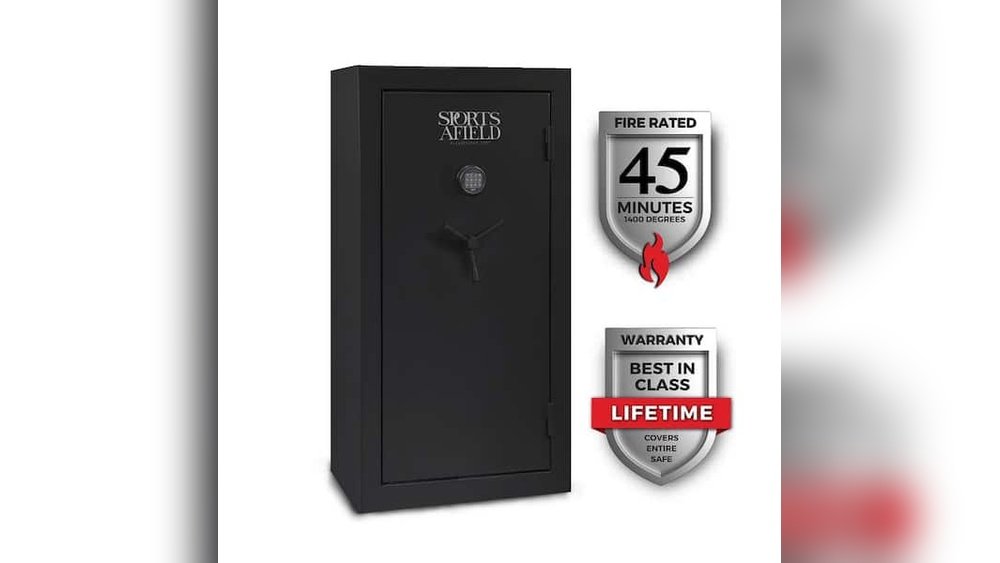
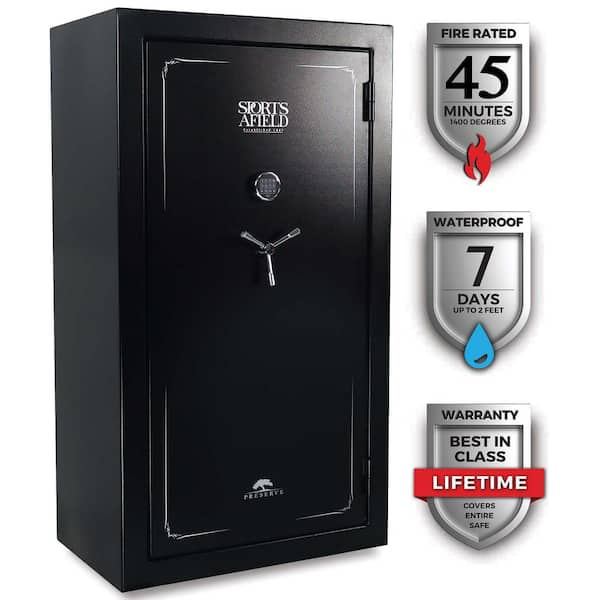
Fireproof gun safes have ratings based on fire resistance time. Common ratings are 30 minutes, 60 minutes, or more. These ratings show how long the safe can resist fire. The rating comes from tests at high temperatures. For example, a 60-minute rating means the safe protects contents for one hour. This rating helps buyers understand the safe’s fire protection ability. It is crucial for choosing a safe that fits your risk level.
Moisture Risks In Gun Safes
Moisture inside gun safes poses a serious threat to firearms. It can cause rust, corrosion, and damage to metal parts. Fireproof gun safes protect from fire, but moisture control is a different challenge. Understanding moisture risks helps gun owners keep their firearms safe and functional.
Sources Of Moisture
Moisture can enter gun safes through various ways. Humid air trapped inside the safe causes condensation. Opening the safe often lets in damp air. Wet firearms or accessories add extra moisture. Poor sealing or leaks allow water to seep in. Temperature changes inside the safe create condensation on metal surfaces.
Effects On Firearms
Moisture causes metal parts to rust and corrode. Rust weakens the firearm’s structure and appearance. Corrosion damages internal mechanisms, leading to malfunction. Wood stocks can swell or warp from moisture exposure. Moisture also promotes mold growth on fabric or leather components. Regular drying and moisture control prevent these harmful effects.
Moisture Resistance Features
Fireproof gun safes protect firearms from fire damage. But moisture can also harm guns. Moisture causes rust and corrosion. Good safes have features to stop moisture inside. These features keep guns safe and dry.
Seals And Gaskets
Seals and gaskets block water and air from entering the safe. They fit tightly around the door edges. This tight fit stops moisture from coming inside. High-quality safes use rubber or silicone seals. These materials stay flexible and strong over time. They create a waterproof barrier. This helps keep guns safe during floods or wet weather.
Ventilation Systems
Ventilation systems reduce humidity inside the safe. Some safes use special vents with filters. These allow air to flow but block water and dust. Others have desiccant packs to absorb moisture. Good ventilation prevents mold and rust from forming. It keeps the air dry and clean. This is important for long-term gun storage.
Comparing Fireproof And Moisture Resistance
Fireproof gun safes protect firearms from high temperatures and flames. Moisture resistance prevents damage from dampness and rust. These safeties have different design goals. Understanding these differences helps choose the right safe for your needs.
Design Priorities
Fireproof safes focus on heat insulation. Thick walls and special materials keep heat out. They seal tightly to block smoke and flames. These safes often use fireproof boards inside. Their main goal is to protect against fire damage.
Moisture resistance focuses on stopping water and humidity. Safes use rubber gaskets and seals to keep water out. Some have dehumidifiers or vents to control moisture. The priority is to prevent rust and corrosion.
Limitations Of Fireproof Models
Fireproof safes may not fully block moisture. Their seals can fail after exposure to heat. Some materials inside absorb water easily. Fireproof models often lack active moisture control features.
After a fire, trapped moisture can cause rust. This risk grows if the safe stays closed long. Users should check for dampness and dry firearms quickly. Fireproof does not always mean moisture-proof.
Tips To Prevent Moisture Damage
Moisture can harm the contents of a fireproof gun safe. Even the best safes need extra care to stop rust and mold. Preventing moisture damage keeps your guns and valuables safe and dry. Here are simple tips to help you protect your safe.
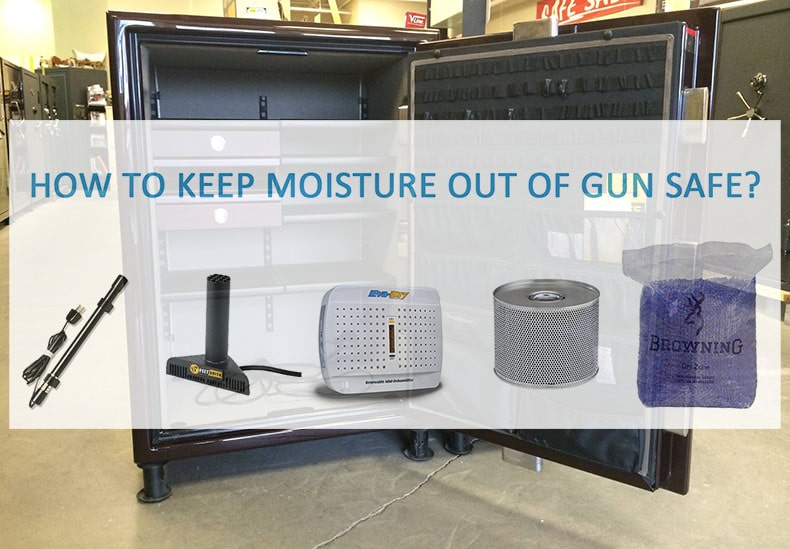
Use Of Desiccants
Desiccants absorb moisture inside the safe. Small packets of silica gel are common and effective. Place several packets in different corners of the safe. Replace them regularly to keep moisture under control. Desiccants help stop rust and prevent mold growth.
Proper Safe Placement
Where you put your safe matters a lot. Avoid damp places like basements or near windows. Choose a dry, cool spot with good air flow. Keep the safe off the floor using a stand or pallet. This reduces moisture buildup around the safe’s base.

Customer Experiences And Reviews
Customer experiences provide real insight into how fireproof gun safes handle moisture. Reviews reveal both strengths and weaknesses. These shared stories help buyers make smart choices. Understanding common complaints and positive feedback shows what to expect.
Common Complaints
Some users report moisture buildup inside the safe. This can cause rust on guns and ammo. A few mention poor sealing around the door. Water sometimes seeps in after heavy rain or floods. Others find the safe’s interior humidity control lacking. Mold and mildew appear in rare cases. These issues often relate to product quality or placement. Proper installation and maintenance can reduce moisture problems.
Positive Feedback
Many customers praise fireproof safes for good moisture resistance. They note dry conditions inside even during storms. The safe’s seals hold tight, keeping water out. Some mention built-in dehumidifiers working well. Users appreciate peace of mind for protecting firearms. Reviews highlight durable construction against moisture damage. Overall, many find these safes reliable for safe gun storage.
Frequently Asked Questions
Are Fireproof Gun Safes Also Moisture-resistant?
Fireproof gun safes often include moisture resistance features. They use seals and desiccants to reduce humidity inside. However, not all fireproof safes guarantee full moisture protection. Check product specifications for moisture control details before purchase.
How Does Moisture Affect Gun Safes?
Moisture can cause rust and corrosion on firearms. It also damages ammunition and safe interiors over time. Proper moisture control is essential to maintain firearm condition and safe longevity.
Can I Add Extra Moisture Protection To My Safe?
Yes, adding silica gel packs or dehumidifiers helps control moisture. Regularly replacing these moisture absorbers maintains a dry environment inside the safe. This adds an extra layer of protection beyond built-in features.
Do Fireproof Safes Prevent Mold And Mildew?
Fireproof safes with proper moisture control reduce mold and mildew risks. However, poor ventilation or high humidity can still cause growth. Using moisture absorbers and monitoring humidity helps prevent mold inside your safe.
Conclusion
Fireproof gun safes offer some protection against moisture. They have seals that help keep water out. But no safe is fully waterproof. You should still use extra moisture control inside. Silica gel packs work well to absorb dampness. Proper placement in a dry area also helps.
Remember, keeping guns dry protects them from rust. Choose a safe that balances fire and moisture resistance. This keeps your firearms secure and in good condition. Taking small steps prevents costly damage over time. Safe storage means peace of mind for your valuables.