If you own a fireproof gun safe, you probably want to keep your firearms and valuables as secure as possible. But have you ever wondered if your safe needs ventilation?
You might think it’s just about fire protection, but there’s more to consider. Without proper airflow, moisture and heat could cause damage inside your safe. You’ll discover why ventilation matters, how it affects your gun safe, and what steps you can take to protect your investment.
Keep reading to find out how to keep your guns safe and in perfect condition.

Fireproof Gun Safe Basics
A fireproof gun safe protects guns from fire damage. It keeps firearms safe during emergencies. Understanding what makes a safe fireproof helps in choosing the right one. This knowledge also clarifies the need for ventilation in these safes.
Fireproof safes use special materials and designs. These prevent heat and flames from reaching the inside. This section explains the core features of fireproof gun safes.
What Makes A Gun Safe Fireproof
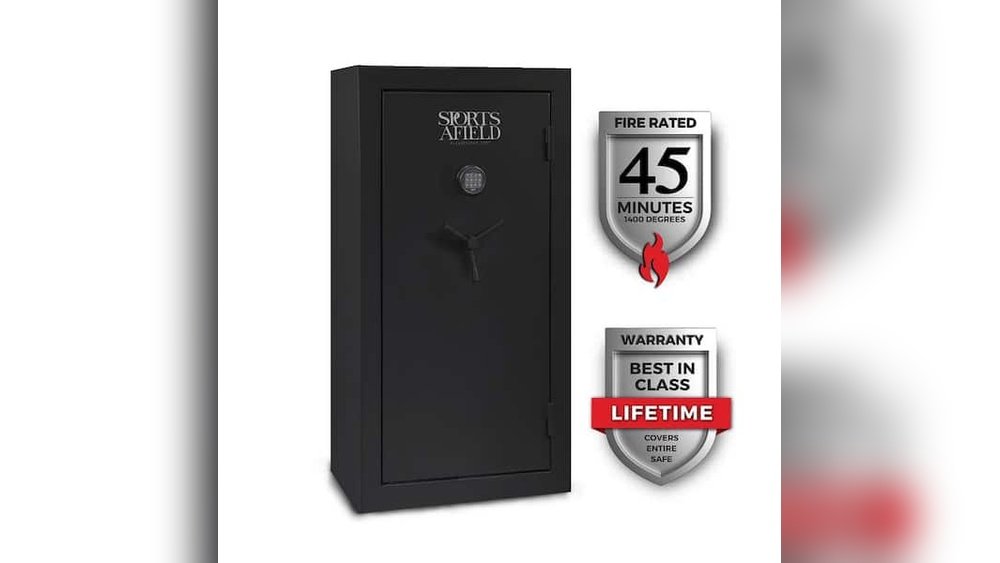
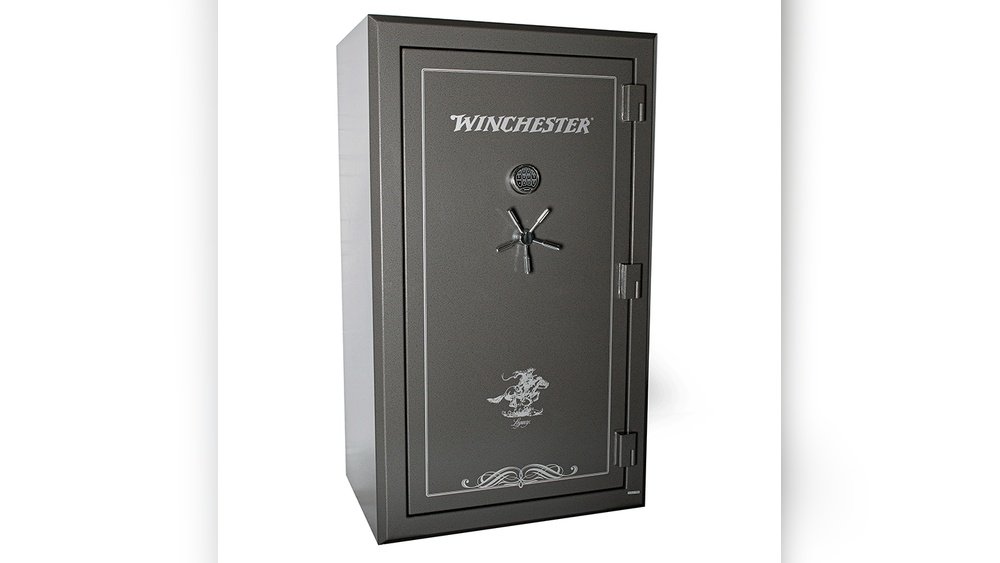
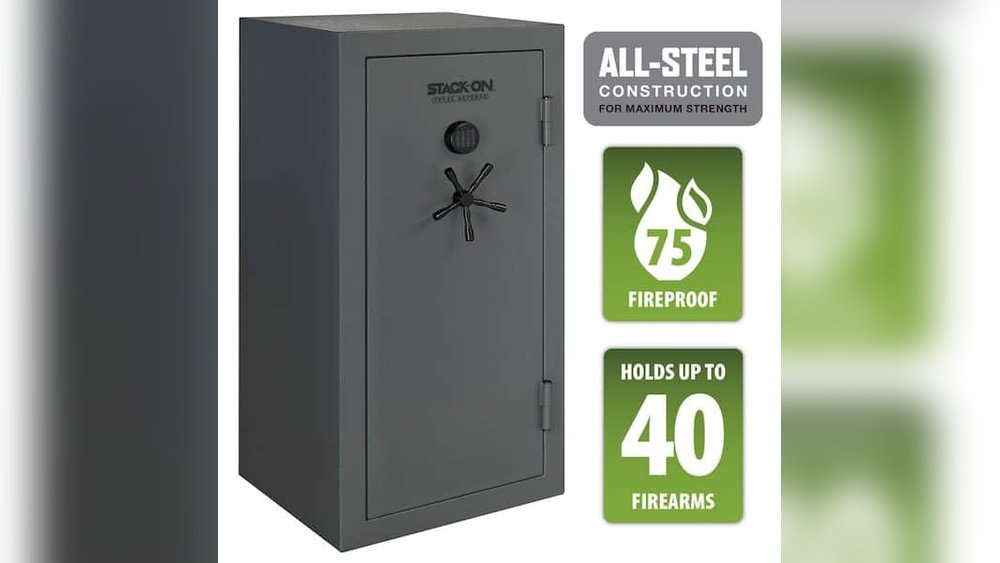
Fireproof safes have layers that resist heat. They often include insulation to block high temperatures. The door seals tightly to stop smoke and heat entry. These features slow down heat transfer inside the safe.
The goal is to keep the inside temperature low. This prevents guns and ammo from damage. Fireproof ratings show how long a safe can resist fire. A good safe will protect contents for at least 30 minutes.
Common Materials Used
Fireproof safes use materials like gypsum and concrete. Gypsum absorbs heat and releases moisture to cool the safe. Concrete adds strength and heat resistance. Steel is used for the outer shell.
Some safes have intumescent paint. It swells when exposed to heat, adding extra protection. These materials work together to guard guns against fire. Each one plays a role in fire resistance.
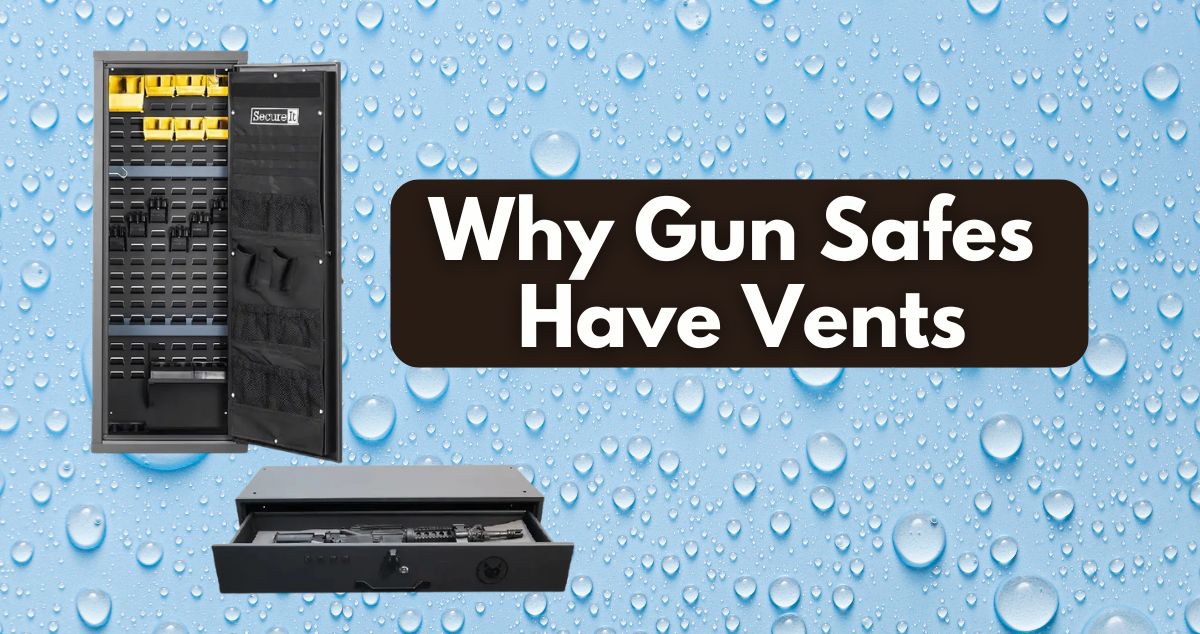
Role Of Ventilation In Gun Safes
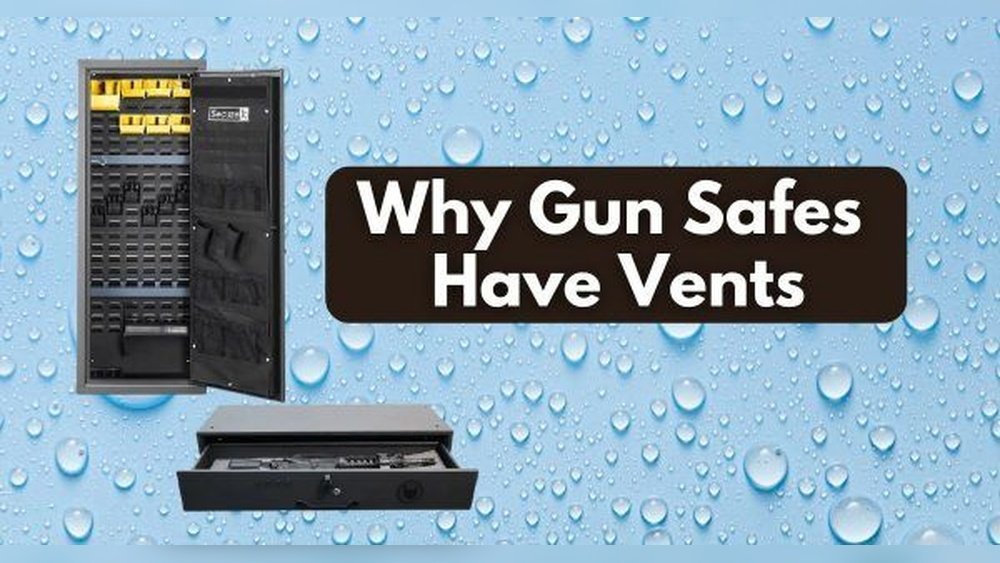
Ventilation plays an important role in maintaining gun safes. It helps control moisture and air quality inside the safe. Proper airflow can protect firearms and other valuables from damage. Understanding ventilation’s role can guide the choice of the right safe.
Gun safes, especially fireproof models, are designed to keep heat and flames out. This design often limits airflow, creating a sealed environment. Ventilation balances the need to protect against fire and prevent moisture buildup.
Why Ventilation Matters
Ventilation helps reduce humidity inside the safe. High moisture can cause rust on guns and damage to ammunition. Air circulation keeps the interior dry and safe for stored items.
Good ventilation also helps prevent mold and mildew growth. These can harm wood grips, leather cases, and paper documents inside the safe. A well-ventilated safe keeps valuables in good condition.
Potential Risks Without Ventilation
A sealed gun safe without ventilation traps moisture. This creates a damp environment where rust can quickly form on metal parts. Rust weakens guns and lowers their value.
Condensation can also occur inside the safe. This moisture buildup damages ammunition and other stored items. Lack of airflow increases the risk of mold, which can ruin the safe’s contents.
Fireproof Safes And Ventilation Needs
Fireproof gun safes protect valuables from fire damage. Their design focuses on heat resistance and durability. Ventilation is a key concern for many owners. It affects safety and the condition of stored items. Understanding ventilation needs helps maintain your safe’s effectiveness.
Heat And Smoke Management
Fireproof safes block heat from entering. This keeps guns and documents safe inside. Ventilation openings can allow heat or smoke inside. That weakens fire protection. Most fireproof safes do not have vents. They rely on thick insulation instead. This design keeps heat out without airflow.
Smoke can damage guns and papers too. Without vents, smoke stays outside. This prevents smoke stains and corrosion inside. Proper sealing is essential to keep smoke out. Ventilation may increase risks during a fire. So, it is often avoided in fireproof safes.
Moisture And Humidity Control
Moisture buildup harms firearms and papers. Inside a closed safe, humidity can rise. This causes rust and mold growth. Ventilation helps reduce moisture levels. But vents also allow air with dust and pollutants.
Some safes use special moisture control packs. These absorb dampness without air exchange. Dehumidifiers or silica gel packs work well inside safes. They keep humidity low without compromising fire protection. Good moisture control is crucial for long-term storage.
Pros And Cons Of Ventilated Gun Safes
Choosing a gun safe with ventilation has its own set of benefits and risks. It is important to weigh these carefully before making a decision. Ventilated gun safes offer airflow that helps control moisture. Yet, this feature can also expose your firearms to dust and other elements. Understanding the pros and cons can guide you to the right safe for your needs.
Benefits Of Ventilation
Ventilation helps reduce humidity inside the gun safe. This lowers the chance of rust forming on your firearms. Air circulation also prevents mold and mildew growth. It keeps the interior fresh and free from musty odors. Some ventilated safes include filters that block dust and dirt. This keeps your guns cleaner over time. Ventilation can protect gun finishes and metal parts. It gives peace of mind for long-term storage.
Drawbacks And Risks
Ventilation openings can let dust and dirt inside the safe. This can cause wear or damage to gun parts. Small vents may allow moisture in during rainy or humid weather. Fireproof safes with vents might lose some heat resistance. Airflow paths can weaken the safe’s fire protection seal. Ventilated safes could be less secure against forced entry. They may have more points of vulnerability. Consider these risks before choosing a ventilated gun safe.
Alternatives To Ventilation
Fireproof gun safes protect your valuables from fire damage. Ventilation is one way to prevent moisture buildup inside the safe. Yet, not all gun owners want or need ventilation. There are effective alternatives to keep your safe dry and your guns in good condition.
Dehumidifiers And Moisture Absorbers
Small dehumidifiers fit inside gun safes to absorb moisture. They reduce humidity without letting air in or out. Silica gel packs and other moisture absorbers work well too. These products prevent rust and mold by trapping water vapor. They need regular replacement or recharging for best results.
Climate Control Solutions
Climate control keeps temperature and humidity steady inside a safe. Some safes come with built-in climate control systems. Others require external devices to maintain the right environment. This method avoids condensation and protects firearms over time. It is a good choice for areas with extreme weather changes.
Choosing The Right Fireproof Safe
Choosing the right fireproof safe is important for protecting your guns and valuables. A safe must keep items secure from fire and theft. It also needs to fit your storage needs and space. Understanding what to look for helps make a smart choice. This section guides you through key points to consider when selecting a fireproof gun safe.
Assessing Your Storage Environment
Start by checking the room where you plan to place the safe. Measure the available space carefully. Consider if the area is dry or humid. High humidity can cause rust inside the safe. Think about how often you need to access the safe. A safe kept in a basement may need extra protection from moisture. Also, check if the floor can support the safe’s weight. All these factors affect the type of safe you should buy.
Features To Look For
Look for a safe with a high fire rating. This rating shows how long it can protect contents from heat. Choose a safe with good lock options, such as digital or mechanical locks. Internal padding helps protect guns from scratches. Some safes include waterproof seals to protect against water damage. Ventilation is another feature to consider. Proper ventilation prevents moisture buildup but must not reduce fire protection. Check if the safe has tested and certified features for fire and security.
Maintenance Tips For Fireproof Safes
Maintaining a fireproof gun safe ensures it works well for years. Proper care protects your valuables and keeps the safe in top condition. Simple steps can prevent damage and extend the safe’s life.
Regular Inspection
Check the safe’s exterior and interior often. Look for dents, cracks, or any signs of wear. Test the lock and hinges to ensure they work smoothly. Clean the safe’s surface with a soft cloth to remove dust and dirt.
Preventing Rust And Damage
Keep the safe dry to stop rust from forming. Use silica gel packs inside to absorb moisture. Avoid placing the safe in damp or humid areas. Wipe any water or spills immediately. Regular care prevents corrosion and keeps your guns safe.

Frequently Asked Questions
Does A Fireproof Gun Safe Require Ventilation?
Yes, some fireproof gun safes need ventilation to prevent moisture buildup. Proper airflow reduces humidity, protecting firearms from rust and corrosion.
What Happens Without Ventilation In A Gun Safe?
Without ventilation, moisture can accumulate inside the safe. This causes rust, mold, and damage to guns and valuables stored inside.
How To Add Ventilation To A Fireproof Gun Safe?
Use built-in vents or install a dehumidifier. Ensure vents have filters to block dust while allowing airflow.
Can Ventilation Affect The Fireproof Rating?
Properly designed ventilation systems do not compromise fireproof ratings. Manufacturers balance airflow and fire protection to maintain safety standards.
Conclusion
A fireproof gun safe protects your valuables from fire damage. Ventilation helps reduce moisture and prevent rust inside the safe. It also keeps the air fresh and stops mold growth. Choose a safe with built-in vents or add a dehumidifier.
Proper care extends the life of your safe and guns. Always balance fire protection with good airflow for best results. Protecting your firearms means thinking about more than just heat resistance. Safe storage includes both fireproofing and ventilation.