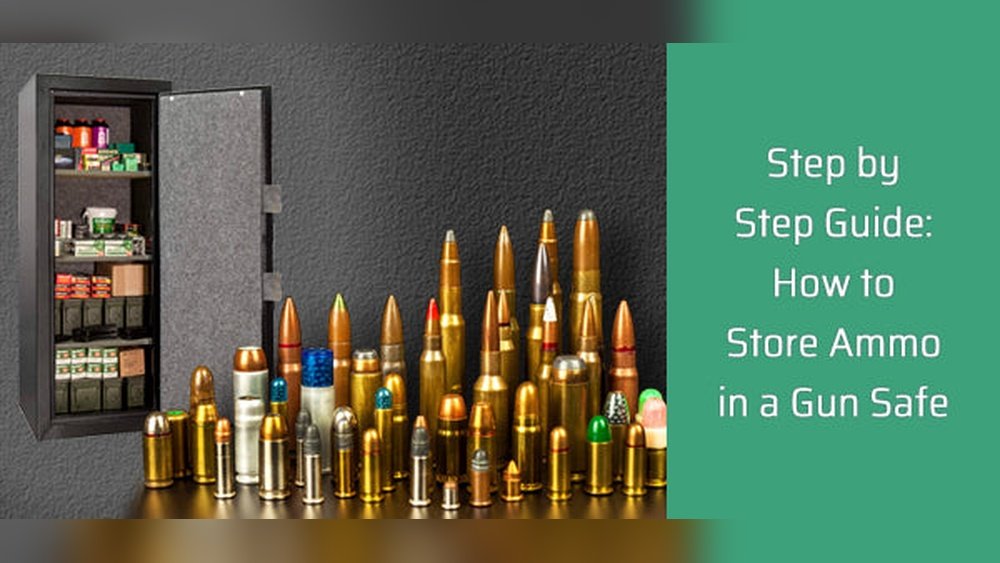
Have you ever opened a box of shotgun shells only to wonder if they’re still good to use? Knowing how long your ammunition lasts can save you from costly mistakes and keep you safe in the field.
But did you know that the environment where you store your shells plays a big role in how long they stay reliable? If you want to make sure your shotgun shells perform when you need them most, understanding these environmental factors is key.
Keep reading to discover what affects your shotgun shell shelf life and how you can protect your ammo for the long haul.
Shotgun Shell Basics
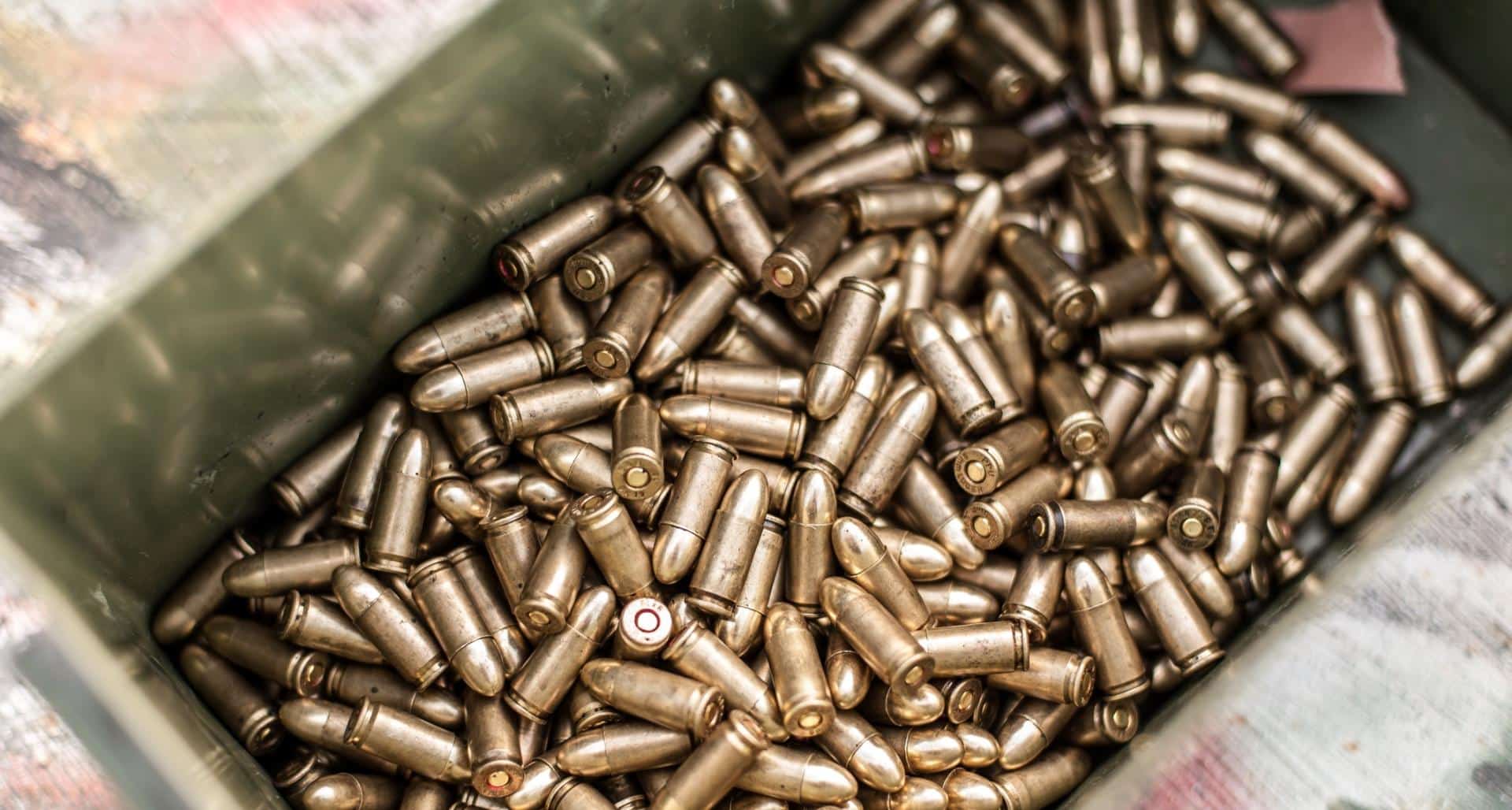
Understanding the basics of shotgun shells is key to knowing how environmental factors affect their shelf life. Shotgun shells consist of several parts. Each part plays a role in performance and durability. Knowing these components helps in proper storage and care.
Components Of A Shotgun Shell
A shotgun shell has four main parts: the hull, primer, powder, and shot. The hull is the outer casing. It holds all other parts together. The primer ignites the powder when struck. The powder burns quickly to create gas pressure. This pressure pushes the shot out of the barrel. The shot is the small pellets or slug fired at the target. Quality and condition of these parts affect shell reliability.
Importance Of Shelf Life
Shelf life shows how long a shotgun shell stays usable. Over time, shells can lose power or fail to fire. Moisture, heat, and sunlight can harm the shell parts. Poor storage shortens shelf life. Using old or damaged shells can be unsafe. Keeping shells fresh ensures better accuracy and safety. Proper storage increases the life and performance of your shotgun shells.
Temperature Effects
Temperature plays a major role in how long shotgun shells last. It affects the materials inside the shell and can change their quality over time. Both high and low temperatures impact the shelf life in different ways. Understanding these effects helps keep your ammunition safe and effective.
Heat Exposure Risks
Heat can damage shotgun shells quickly. High temperatures cause the gunpowder to degrade. This makes the shells less reliable and dangerous to use. The plastic casing can soften or warp under heat. This affects how well the shell fits in the shotgun. Heat also speeds up chemical changes that reduce performance. Storing shells in hot places is risky for safety and function.
Cold Storage Benefits
Cold temperatures slow down chemical reactions in shotgun shells. This helps preserve the gunpowder and primer inside. Cold storage keeps the plastic casing firm and intact. It prevents moisture buildup that can cause corrosion. Keeping shells cool and dry extends their shelf life. A consistent, cool environment is best for long-term storage.
Humidity Impact
High humidity can cause shotgun shells to absorb moisture, weakening their performance. Moisture can also lead to corrosion and damage over time. Keeping shells dry is key to preserving their shelf life.
Humidity plays a big role in how long shotgun shells last. High moisture in the air can harm the shells inside the box. It can cause problems that reduce their quality and safety. Understanding humidity’s effect helps keep shells ready for use.
Moisture And Corrosion
Water vapor in the air can get inside the shells. This moisture can cause corrosion on metal parts like the primer and casing. Rust weakens these parts and can cause misfires. The gunpowder can also absorb moisture, making it less effective or unsafe. Moisture damages shells over time, even if stored in a closed box.
Controlling Humidity Levels
Keep shotgun shells in a dry place to protect them. Use airtight containers or sealed bags to block moisture. Adding silica gel packs absorbs excess humidity inside storage. Store shells in a cool spot away from damp areas. Check shells regularly to catch early signs of damage. Controlling humidity helps maintain shell safety and performance.
Light And Uv Exposure
Light and ultraviolet (UV) rays affect shotgun shells in many ways. Exposure to these elements can reduce the quality and safety of the shells. Understanding how light and UV rays cause damage helps in storing shells properly.
Degradation From Sunlight
Sunlight contains UV rays that break down the materials in shotgun shells. The plastic and paper parts become brittle and weak over time. This damage can cause shells to fail or misfire. Colors may fade, making it hard to identify the shells. Constant sunlight speeds up this breakdown process.
Proper Light Protection
Store shells in dark, cool places to protect from light damage. Use opaque containers that block sunlight and UV rays. Keep shells away from windows and direct light sources. Cover shells with cloth or store them in boxes. This simple step extends the shelf life and maintains performance.
Air Quality And Contaminants
Air quality plays a big role in how long shotgun shells last. Poor air can bring in tiny particles and harmful substances. These can damage the shell’s casing and gunpowder. Keeping shells in clean air helps keep them safe and ready to use.
Contaminants in the air may cause rust or corrosion. They can also affect the shell’s performance and safety. Understanding air quality helps in storing shells better for a longer shelf life.
Dust And Debris Influence
Dust and debris can settle on shotgun shells over time. This buildup can clog the primer or barrel when shooting. Small particles can scratch the casing or weaken its structure. Dusty environments raise the chance of dirt entering the shell. Clean storage areas reduce these risks and protect shells.
Chemical Exposure Concerns
Certain chemicals in the air harm shotgun shells. Acids, solvents, and fumes can degrade the shell material. This leads to cracks, rust, or powder contamination. Chemical exposure shortens the shelf life and may cause misfires. Store shells away from strong chemicals and fumes to keep them safe.
Storage Practices
Proper storage practices play a key role in maintaining the shelf life of shotgun shells. Poor storage can lead to moisture damage, corrosion, and loss of performance. Safe and dry storage keeps shells reliable for longer periods.
Ideal Storage Conditions
Shotgun shells should be stored in a cool, dry place. Avoid areas with high humidity or temperature changes. Consistent temperature prevents condensation inside the shells. Store shells away from direct sunlight to reduce heat exposure. A stable environment helps preserve gunpowder and primers.
Use airtight containers or sealed boxes to keep moisture out. Avoid basements or garages that often have damp air. Keep shells off the ground to reduce contact with moisture. Maintain good air circulation around the storage area.
Packaging Materials Role
The packaging material impacts shell protection during storage. Plastic cases offer good moisture resistance. Cardboard boxes can absorb moisture and weaken over time. Some shells come in sealed plastic wrap for added protection.
Use containers with tight seals to block air and humidity. Desiccant packs inside containers help absorb extra moisture. Avoid storing shells in damaged or open packaging. Proper packaging prevents corrosion and keeps shells safe.
Signs Of Deterioration
Shotgun shells do not last forever. Environmental factors can cause them to weaken over time. Recognizing signs of deterioration helps keep shooting safe and effective. These signs often appear visually first and affect how the shell performs.
Visual Indicators
Look for cracks or dents on the shell casing. Discoloration or rust on metal parts shows damage. The primer may look dull or corroded. Powder leakage or a bad smell signals moisture exposure. Bulging or misshaped shells indicate internal pressure problems. These visual signs mean the shell may be unsafe to use.
Performance Changes
Deteriorated shells often misfire or fail to fire. Shots may feel weaker or less accurate. You might notice more smoke or unusual noise. The gun may jam more frequently with old shells. Reduced velocity affects the shot’s power and range. These performance issues point to shell degradation inside.
Extending Shelf Life
Extending the shelf life of shotgun shells requires careful attention to storage and maintenance. Proper care helps keep the shells reliable and safe to use. Small steps can prevent damage caused by moisture, heat, and other environmental factors.
Taking simple actions will protect your ammunition and preserve its quality over time. This section covers easy maintenance tips and storage solutions to keep your shotgun shells in good condition.
Maintenance Tips
Check your shells regularly for signs of rust or corrosion. Wipe them with a dry cloth to remove dirt and moisture. Avoid using harsh chemicals that can damage the shells. Handle the ammunition with clean, dry hands. Replace old or damaged shells to ensure safety. Keep the shells away from oil or grease, which can weaken the casing. Use protective gloves if needed. Regular inspection helps catch problems early before they worsen.
Recommended Storage Solutions
Store shotgun shells in a cool, dry place with low humidity. Use airtight containers or ammo cans to block moisture. Place silica gel packs inside storage containers to absorb excess moisture. Avoid storing shells in places with extreme temperatures like attics or basements. Keep ammunition away from direct sunlight, which can degrade the powder inside. Use storage boxes designed for ammo to prevent physical damage. Label containers with purchase dates to track shelf life easily.
Frequently Asked Questions
What Temperature Affects Shotgun Shell Shelf Life?
High temperatures accelerate the chemical breakdown of powder and primers. Ideal storage is in a cool, stable environment below 70°F. Avoid extreme heat to maintain shell reliability and safety.
How Does Humidity Impact Shotgun Shells?
Excess moisture causes corrosion on metal parts and degrades powder. Keeping shells in a dry place with low humidity preserves their performance and longevity.
Can Sunlight Damage Shotgun Shells?
Yes, UV rays can weaken shell casings and fade markings. Store shells in opaque containers away from direct sunlight to ensure durability.
Does Air Quality Influence Shotgun Shell Storage?
Pollutants and dust can contaminate shells and primers. Clean, well-ventilated storage areas with filtered air help maintain shell integrity.
Conclusion
Environmental factors greatly impact shotgun shell shelf life. Heat and humidity cause shells to degrade faster. Store shells in cool, dry places to keep them fresh. Avoid sunlight and extreme temperatures for longer use. Proper storage helps maintain safety and performance.
Check shells regularly for signs of damage or rust. Taking simple steps preserves your ammunition’s quality. Keep your shells ready for safe, reliable shooting.