Imagine this: you’re away from home, and someone tries to break into your safe. Would you know right away?
Your valuables and important documents depend on more than just a strong lock—they need smart protection that reacts instantly. That’s where smart home safes come in. But do these high-tech safes really send alerts during break-in attempts? If you want peace of mind and real-time security, it’s crucial to understand how these devices work.
Keep reading to discover how smart safes can keep you connected and your belongings safe, even when you’re not around.
Smart Home Safes Basics
Smart home safes combine traditional security with modern technology. They protect valuables and important documents. These safes connect to your home network for easy control.
They often send alerts during unusual activity or break-in attempts. This feature helps you act quickly to protect your belongings. Understanding what makes a safe smart is key to choosing the right one.
What Makes A Safe Smart
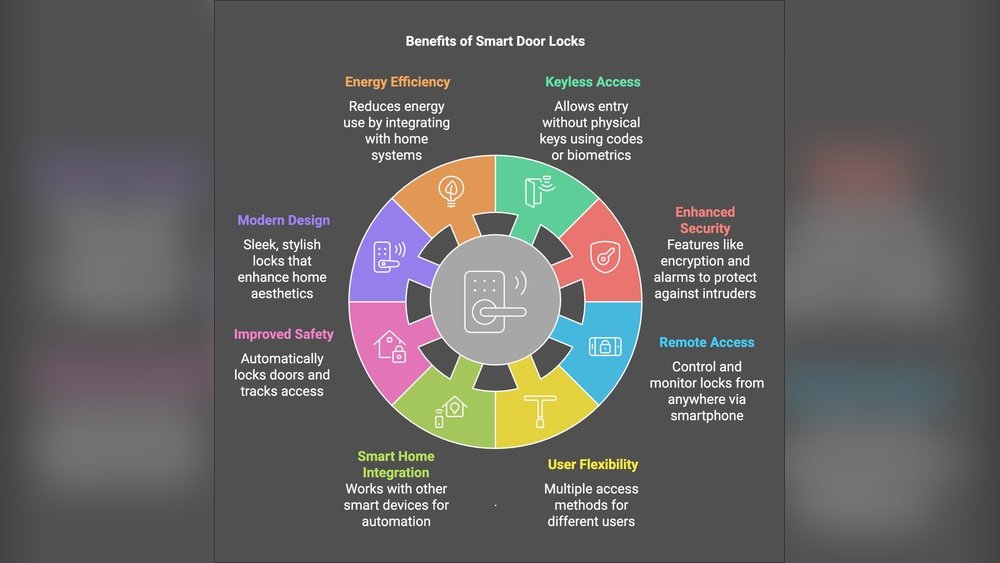
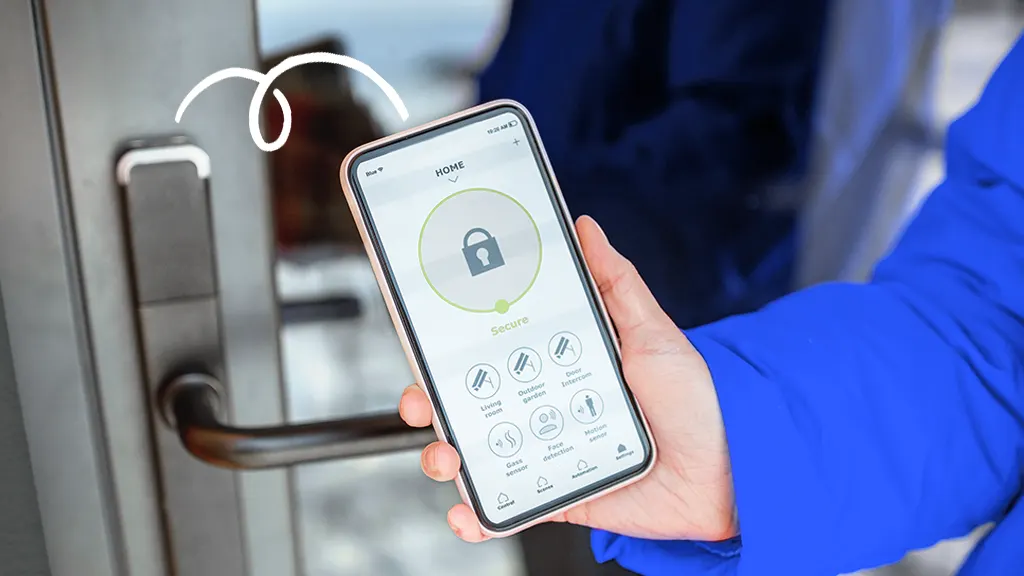
A smart safe links to your smartphone or home system. It uses sensors and software to detect threats. You can lock or unlock it remotely. Some safes have fingerprint or face recognition.
Alerts are sent if someone tries to open the safe without permission. The safe may also record attempts or trigger alarms. This technology adds a layer of security beyond a normal safe.
Key Features To Expect
Expect strong encryption to keep data safe. Many safes offer two-factor authentication for access. Alerts usually come as push notifications or emails. Some models include loud alarms or flashing lights.
Integration with home security systems is common. You can often check the safe’s status anytime. Battery backup ensures protection even during power outages. These features work together to keep your valuables secure.
Alert Systems In Smart Safes
Smart home safes use alert systems to protect your valuables. These alerts help you know if someone tries to break in. They add an extra layer of security beyond just locking the safe. Alerts can notify you quickly so you can act fast. Understanding how these alerts work can help you choose the best smart safe for your needs.
Types Of Alerts Sent
Smart safes send different kinds of alerts. The most common alerts include push notifications to your phone. Some safes also send emails or text messages. Others may use loud alarms to scare off intruders. Some models even contact security services automatically. Alerts often include details like the time and type of breach.
How Alerts Are Triggered
Alerts trigger through various sensors and smart features. Motion sensors detect movement near the safe. Vibration sensors notice attempts to force open the safe. Some safes monitor wrong password entries or fingerprint failures. Alerts can also activate if the safe is moved or tampered with. These triggers help catch break-in attempts early.
Connectivity And Notification Methods
Smart home safes use different ways to stay connected and send alerts during break-in attempts. These methods help keep your valuables safe by notifying you fast. Connectivity and notification methods are key parts of smart safes. They let you know if someone tries to open the safe without permission.
Wi-fi And Cellular Connections
Most smart safes connect to your home Wi-Fi. This connection allows the safe to send alerts directly to your devices. Some safes also use cellular connections as a backup. Cellular helps if Wi-Fi is down or weak. This dual connectivity increases the chance you get alerts on time.
App And Email Alerts
Smart safes often send alerts through mobile apps. These apps show real-time notifications about break-in attempts. You can check the safe’s status anytime. Email alerts provide another way to get messages. Both methods ensure you do not miss important warnings.
Integration With Home Security Systems
Many smart safes link with home security systems. This allows alerts to trigger alarms or cameras. Integration adds an extra layer of protection. It helps coordinate your home’s defense against intruders. The safe becomes part of a larger security network.
Effectiveness Of Alerts During Break-ins
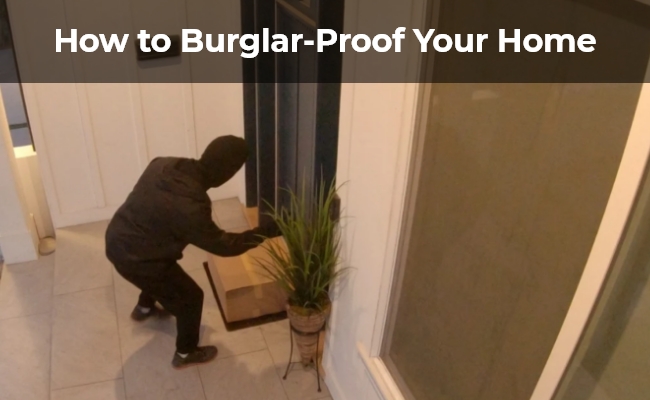
Smart home safes often include alert systems to notify owners during break-in attempts. The effectiveness of these alerts plays a key role in protecting valuables. Alerts must be quick and reliable to help prevent theft. Understanding how well these alerts work can help users trust their smart safes more.
Real-time Response
Real-time alerts notify owners immediately during a break-in. These alerts can come through apps, texts, or emails. Fast notifications allow quick action, such as calling the police or checking security cameras. The speed of these alerts is crucial in stopping theft before it happens. Some smart safes also connect with home security systems for better response.
False Alarms And Accuracy
False alarms can reduce trust in smart safe alerts. Sensors must detect real threats, not normal household activity. High accuracy lowers the chance of false alerts. Many smart safes use advanced sensors and algorithms to avoid false alarms. Accurate alerts help owners stay alert without unnecessary panic.
Case Studies And User Experiences
Many users report success with smart safe alerts during attempted thefts. Cases show owners received alerts and acted quickly to protect their property. Some users say alerts helped catch intruders or scared them away. Real experiences prove the value of alert systems in smart safes. These stories build confidence in smart safe technology.
Choosing The Right Smart Safe
Choosing the right smart safe is important for protecting your valuables. A smart safe offers more than just strong locks. It gives alerts during break-in attempts and connects with your home system. Picking the best one depends on several key points. These points help you find a safe that fits your needs and budget.
Features To Prioritize
Look for a safe with real-time alerts. It should notify you if someone tries to open it. Biometric access like fingerprint scanners adds extra security. Tamper alarms and auto-lock functions increase protection. Backup power options help during outages. Choose features that match your lifestyle and security needs.
Compatibility With Existing Devices
Check if the smart safe works with your home devices. It should connect easily to your phone or smart home hub. Compatibility with apps lets you control the safe remotely. Integration with security cameras and alarms boosts safety. Make sure the safe fits your current tech setup for smooth use.
Budget Considerations
Smart safes come in many price ranges. Decide how much you want to spend before buying. Higher prices often mean more features and better materials. Basic models still offer good protection and alerts. Balance cost with quality to get the best value. Don’t overspend on features you won’t use.
Enhancing Security Beyond Alerts
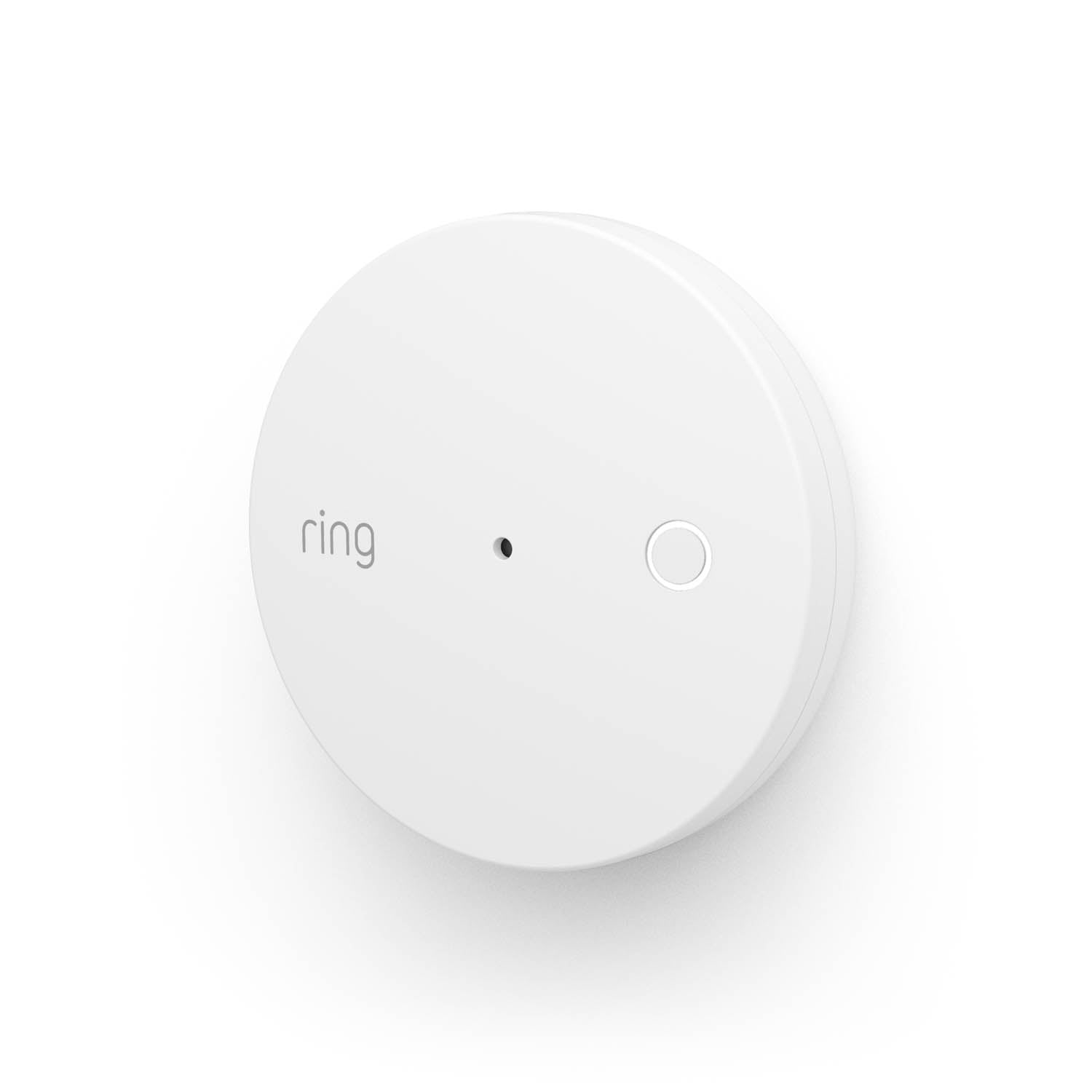
Smart home safes offer more than just alerts during break-in attempts. They use many ways to protect your valuables. These safes focus on strong security features that work even without alerts. This helps keep your things safe all the time.
Understanding these extra layers of protection helps you choose the right safe. It also shows how technology and design work together for better security.
Physical Security Features
Smart safes use strong materials like steel or reinforced alloys. They often have thick doors and advanced locking systems. Some safes include anti-drill plates and pry-resistant hinges. These features make it hard for thieves to break in.
Many safes also have internal locking bolts. These bolts keep the door firmly shut even if someone tries to force it open. The design focuses on stopping physical attacks quickly and quietly.
Backup Power And Fail-safe Measures
Power outages do not stop smart safes from working. Backup batteries keep the safe’s electronics active. This means alerts and locks stay functional during blackouts. Some safes also use mechanical key overrides as a backup.
Fail-safe systems protect the safe if the main system fails. These can include automatic lock activation or silent alarms. They ensure your valuables stay protected at all times.
Regular Maintenance And Updates
Keeping smart safes secure requires regular checks. Software updates fix security bugs and add new protections. They keep the safe’s system strong against new threats.
Physical parts also need inspection for wear or damage. Regular maintenance helps prevent failures and keeps the safe reliable. Following the manufacturer’s advice boosts your safe’s lifespan and security.
Frequently Asked Questions
Do Smart Home Safes Send Alerts During Break-ins?
Yes, most smart home safes send instant alerts to your phone during break-in attempts. This helps you respond quickly and protect your valuables.
How Do Smart Safes Detect Unauthorized Access?
Smart safes use sensors like tamper detection, motion, and incorrect code attempts to identify unauthorized access attempts.
Can I Customize Alert Settings On Smart Safes?
Yes, many smart safes allow customization of alert types and notification methods for better security control.
Are Smart Safe Alerts Reliable In Emergencies?
Smart safe alerts are generally reliable, using Wi-Fi or cellular networks to ensure timely notifications during emergencies.
Conclusion
Smart home safes often send alerts during break-in attempts. These alerts help you act quickly and protect your valuables. Many safes connect to your phone for instant notifications. This feature adds an extra layer of security to your home. Choosing a safe with alert options can give peace of mind.
It’s a smart step toward keeping your belongings safe and secure. Always check the alert features before buying a smart safe. Staying informed helps you respond faster to threats. Safety matters, and alerts play a key role.