Have you ever wondered if your silica gel packets are still doing their job? Knowing when silica gel is fully saturated is key to keeping your valuables dry and safe.
If you don’t catch it in time, moisture can sneak in and cause damage. You’ll discover simple ways to tell exactly when your silica gel needs replacing or recharging. Keep reading to protect your items and get the most out of every packet.

Signs Of Saturated Silica Gel
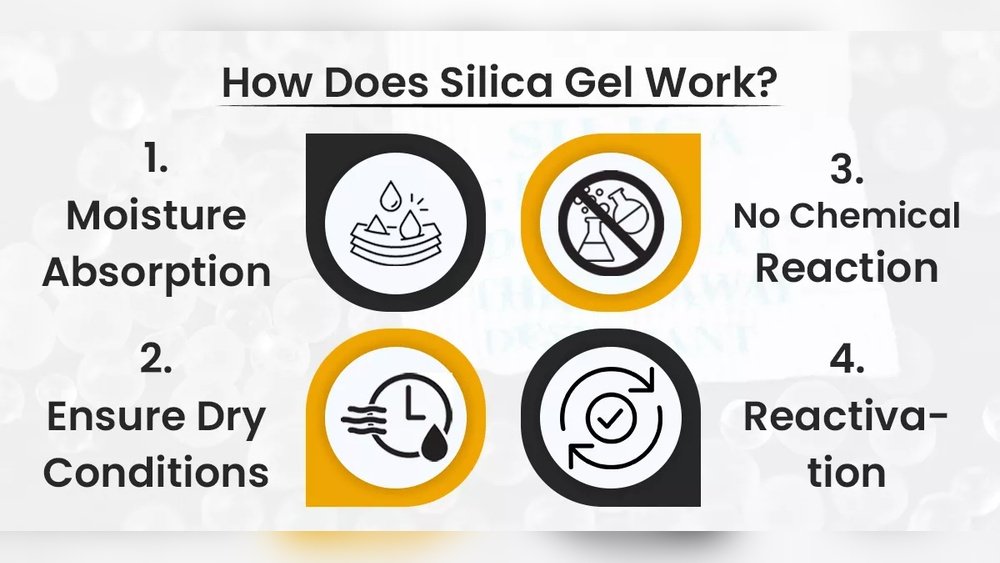
Silica gel is a common desiccant used to keep things dry. It absorbs moisture until it can hold no more. Knowing when silica gel is fully saturated helps maintain its effectiveness. Saturated silica gel no longer absorbs water well. Several signs show that silica gel has reached its limit. These signs help decide when to replace or recharge it.
Color Change Indicators
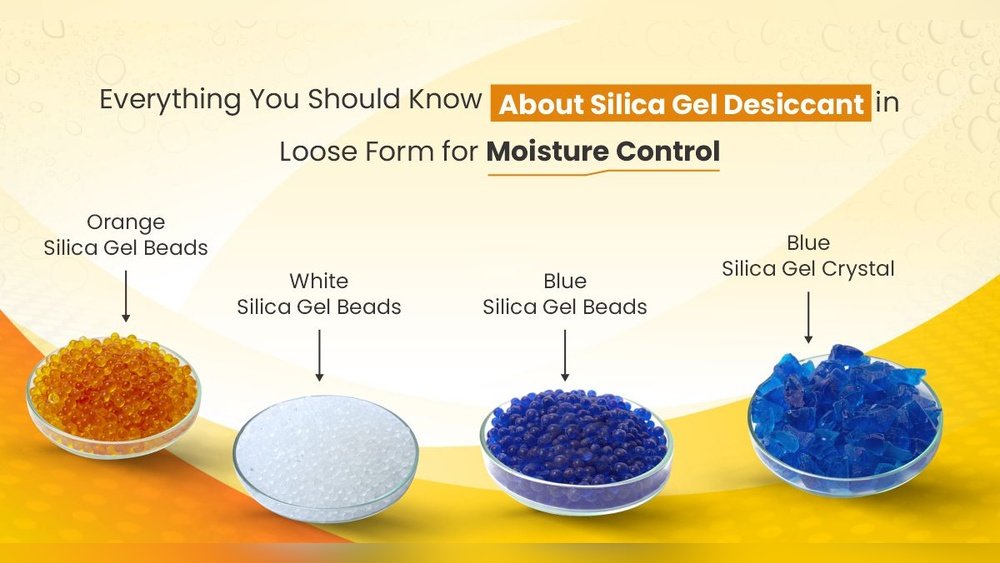
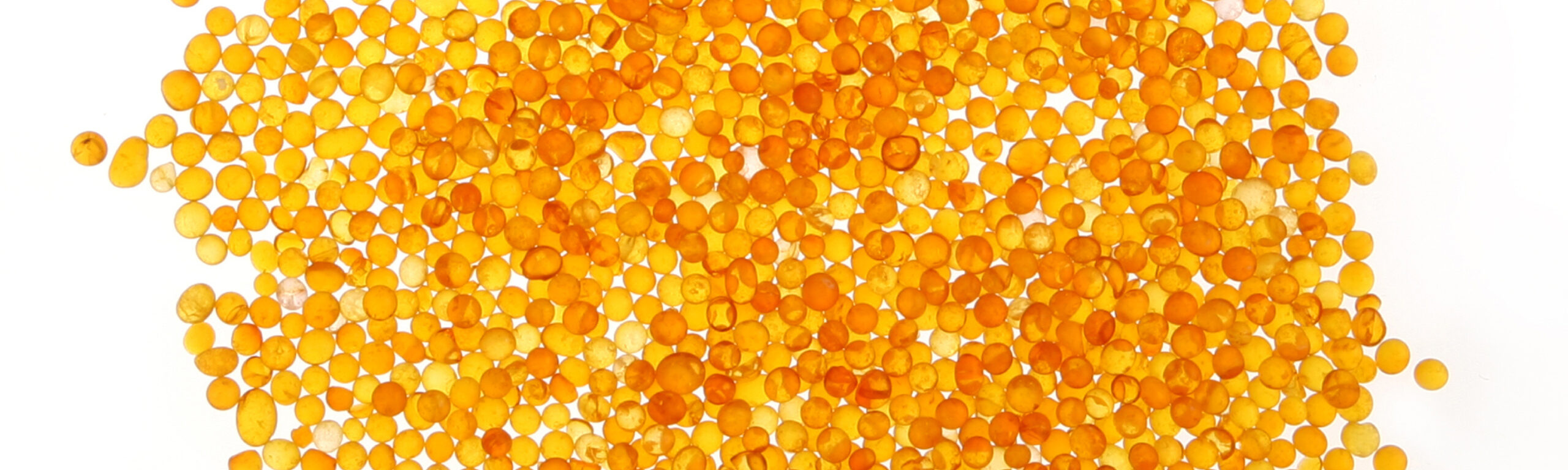
Many silica gels change color as they absorb moisture. This color shift shows the gel’s saturation level. For example, blue silica gel turns pink when wet. Orange silica gel shifts to green. These color changes are clear, easy to spot signs. They indicate the silica gel is full of moisture.
Loss Of Absorption Efficiency
Saturated silica gel stops absorbing moisture effectively. It no longer protects items from humidity. You may notice dampness or condensation where dry conditions were expected. This means the gel’s absorption capacity has been reached. It is time to replace or dry the silica gel.
Physical Texture Differences
Silica gel changes in texture when saturated. It feels heavier because of absorbed water. The beads may look swollen or clumped together. Dry silica gel beads are separate and firm. Texture changes signal the gel is holding moisture and is saturated.

Testing Methods For Saturation
Knowing when silica gel is fully saturated is important for its effective use. Testing methods help you check if the silica gel has absorbed all the moisture it can hold. These methods vary in ease and accuracy. Choose one that suits your needs and tools available.
Visual Inspection Techniques
One easy way is to look at the silica gel beads. Some beads change color when they absorb moisture. For example, blue beads turn pink or clear when saturated. This color change signals the gel is no longer dry. If your silica gel does not change color, look for clumping or stickiness. These signs show it has absorbed too much moisture.
Using Moisture Meters
Moisture meters measure the amount of water in materials. You can use a moisture meter designed for small items to test silica gel. Place the meter’s sensor in contact with the gel. The meter will show the moisture level as a percentage. A high reading means the gel is saturated. This method is more precise than visual checks.
Weight Measurement Approach
Silica gel gains weight as it absorbs moisture. Weigh the dry silica gel before use. After some time, weigh it again. If the weight increases significantly, the gel is saturated. This method requires a sensitive scale for accurate results. It works well when you want to track moisture absorption over time.
Factors Influencing Saturation Rate
Several factors affect how fast silica gel becomes fully saturated. Understanding these helps you know when to replace or recharge the gel. Each factor changes the rate at which silica gel absorbs moisture from the air.
Humidity Levels
High humidity means more moisture in the air. Silica gel absorbs water faster in such conditions. Low humidity slows down the absorption process. This makes the gel last longer before saturation.
Exposure Duration
The longer silica gel stays exposed, the more moisture it collects. Short exposure times may not fill the gel completely. Longer exposure pushes the gel closer to saturation. Timing is key to prevent overuse or waste.
Gel Type Variations
Different silica gel types absorb moisture at different rates. Some have indicators that change color to show saturation. Others may absorb moisture slower or faster. Knowing the type helps predict when the gel is fully used.
Regenerating Silica Gel
Regenerating silica gel restores its drying ability. It removes moisture absorbed during use. This process lets you reuse the gel many times. Proper regeneration saves money and reduces waste. Knowing how to dry silica gel safely is key. Below are effective methods and safety tips.
Oven Drying Method
Preheat the oven to 250°F (120°C). Spread silica gel evenly on a baking tray. Place the tray in the oven for 1 to 2 hours. Check the gel’s color or texture for dryness. Let it cool before handling or storage. This method works well for most silica gel types.
Microwave Drying Tips
Use microwave-safe containers only. Spread silica gel in a thin layer. Heat on medium power for 2 to 3 minutes. Stop and stir the gel halfway through. Avoid overheating to prevent damage or fire. Cool completely before use or storage.
Safety Precautions
Always work in a well-ventilated area. Avoid breathing dust or fumes during drying. Use oven mitts to handle hot trays or containers. Keep silica gel away from children and pets. Follow product instructions for best results. Proper care protects you and extends gel life.
Practical Uses And Maintenance
Silica gel is widely used to keep products dry and free from moisture damage. Knowing how to maintain it ensures it works well for a long time. Proper care helps avoid waste and protects your belongings effectively.
Storage Recommendations
Store silica gel packets in a cool, dry place. Avoid areas with high humidity or direct sunlight. Keep them sealed in airtight containers when not in use. This prevents early absorption of moisture from the air.
Replacement Frequency
Check silica gel packets regularly for signs of saturation. Color-changing beads indicate when they are full. Replace them every few months or as needed. Frequent replacement ensures continuous protection against moisture.
Preventing Early Saturation
Use silica gel only in dry environments for best results. Limit exposure to open air during handling. Seal items tightly to reduce moisture contact. These steps extend the life of silica gel and keep it effective longer.
Frequently Asked Questions
How Can I Tell If Silica Gel Is Saturated?
Silica gel turns from blue or orange to pink or green when saturated. This color change signals moisture absorption and indicates it needs reactivation or replacement.
What Happens When Silica Gel Is Fully Saturated?
Once saturated, silica gel loses its drying ability. It no longer absorbs moisture, making it ineffective for protecting items from humidity and mold damage.
Can I Reuse Silica Gel After Saturation?
Yes, you can reuse silica gel by drying it in an oven. Heating removes absorbed moisture, restoring its drying properties for further use.
How Long Does Silica Gel Last Before Saturation?
Silica gel lifespan depends on exposure and humidity levels. Typically, it lasts weeks to months before saturation, but color indicators help monitor its status.
Conclusion
Silica gel changes color when it absorbs moisture. This color shift shows it is fully saturated. Keeping an eye on this helps protect your items from damage. Replace or recharge the silica gel once it is saturated. This keeps your belongings dry and safe.
Knowing these signs saves time and trouble later. Check the gel regularly for best results. It’s simple to maintain with careful observation. Protect your valuables by understanding silica gel’s signals. Stay alert and keep moisture at bay.