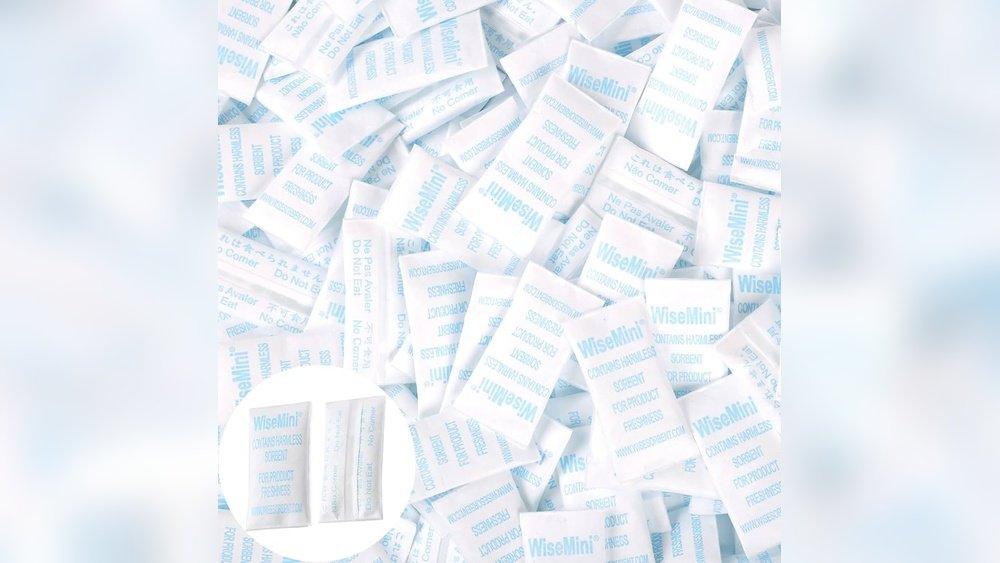
Have you ever opened a package and found those tiny packets labeled “silica gel” inside? You might wonder, how long do they really last before you need to replace them?
Knowing the answer can save your valuable items from moisture damage and keep them fresh for longer. You’ll discover exactly when silica gel stops working and what signs to watch for. Stick with me, and you’ll learn how to get the most out of these small but powerful moisture absorbers.
Silica Gel Basics
Silica gel is a common product used to control moisture. It helps keep items dry and safe from damage. Understanding its basics is important to know how long it lasts and when to replace it.
This section explains what silica gel is and its common uses. It will help you see why it is so useful in daily life.
What Is Silica Gel?
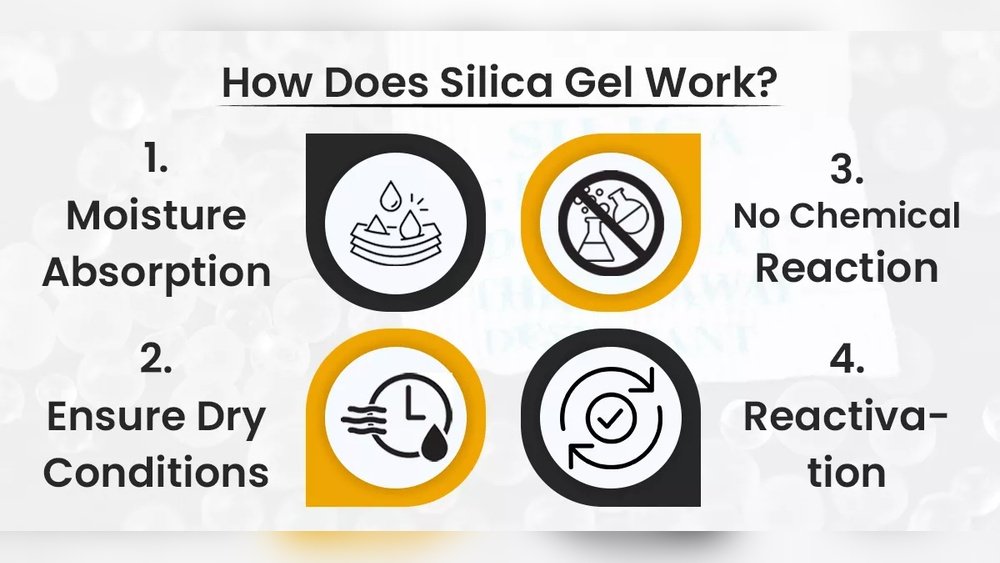
Silica gel is a small, porous material. It looks like tiny beads or granules. These beads absorb moisture from the air. They do not dissolve in water. Silica gel keeps things dry and prevents mold, rust, and spoilage.
It is made from silicon dioxide. This compound is found in sand and quartz. The gel form has many tiny holes. These holes trap water molecules. This process is called adsorption.
Common Uses
Silica gel is used in many products. It protects electronics from moisture damage. You find it in shoe boxes to keep shoes dry. It helps preserve food by reducing humidity. It is also placed in medicine bottles to keep pills dry.
People use silica gel to protect camera lenses and tools. It is helpful for storing documents and photographs safely. Many industries rely on silica gel to avoid moisture damage during shipping and storage.
Silica Gel Lifespan
Silica gel helps keep things dry by absorbing moisture. Its lifespan varies based on use and conditions. Knowing how long it lasts helps decide when to replace it.
Factors Affecting Duration
Temperature impacts silica gel’s effectiveness. High heat can reduce its ability to absorb moisture. Humidity levels also play a role. More moisture in the air means silica gel works harder and wears out faster. The size and type of silica gel matter too. Larger packets or special types last longer. How often the gel is exposed to moisture changes its lifespan. Frequent use means it needs replacement sooner.
Typical Lifespan Range
Most silica gel packets last about 1 to 5 years. In dry, cool places, they can last longer. In humid or hot environments, lifespan shortens. Some reusable types can be dried and reused multiple times. Check color-changing silica gel to know when it needs replacing. Follow product instructions for best results.
Signs Silica Gel Needs Replacement
Silica gel absorbs moisture to keep things dry. Over time, it loses this ability. Knowing the signs helps you replace it on time. This keeps your items safe from moisture damage.
Visual Indicators
One clear sign is a color change. Many silica gel packets have beads that change color when saturated. For example, blue beads may turn pink or green beads may turn white. This shows the gel is full of moisture and needs replacement.
Look for clumping or wetness inside the packet. Silica gel should remain loose and dry. If it feels sticky or hard, it no longer works well.
Performance Decline
Another sign is moisture buildup in the storage area. If you see fog, dampness, or mold, the silica gel may be failing. The gel is not absorbing moisture effectively anymore.
Check your items regularly. If they feel damp or smell musty, the gel needs replacement. Good silica gel keeps the air dry and your items safe.

Extending Silica Gel Life
Silica gel packets absorb moisture to keep items dry. Over time, they lose effectiveness as they fill with water. Extending their life saves money and reduces waste. Simple steps help maintain silica gel’s drying power.
Proper Storage Tips
Store silica gel in airtight containers when not in use. Keep them away from humid areas to prevent early saturation. Use sealed bags or jars with tight lids. Avoid exposure to direct sunlight or heat. These conditions help silica gel stay dry longer. Always use clean, dry hands to handle packets.
Reactivation Methods
Silica gel can be reactivated by drying it out. Place packets in an oven at 250°F (120°C) for 1 to 2 hours. Let them cool completely before reuse. Microwave drying works but requires careful timing to avoid damage. Some silica gel types change color when saturated and revert on drying. Reactivation restores moisture-absorbing ability and extends packet life.
Choosing The Right Silica Gel
Choosing the right silica gel is key to protecting your items from moisture. Not all silica gels are the same. Different types work better for different uses. Understanding these types helps you pick the best option. This ensures your goods stay dry and safe longer.
Types And Variants
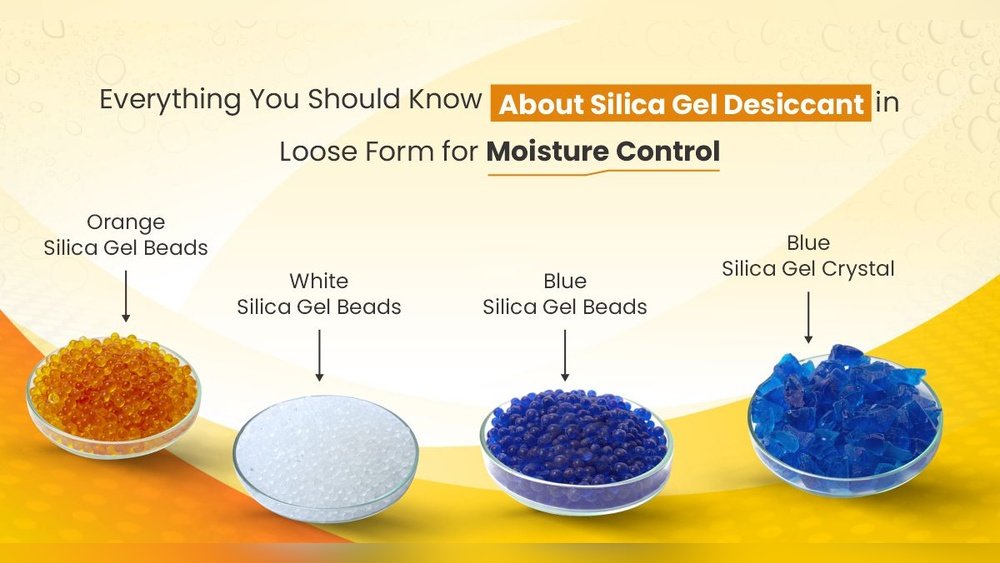
Silica gel comes in many forms. The most common is the standard white bead type. It absorbs moisture well and is safe for many items. There are also color-indicating gels. These change color when saturated. This shows you when to replace them. Another variant is the food-grade silica gel. It is safe to use with edible products. Choose a type based on your needs and item sensitivity.
Usage Recommendations
Use silica gel in dry, sealed spaces for best results. Place it near items prone to moisture damage. Avoid direct contact with delicate surfaces. Replace the silica gel once it stops absorbing moisture. Color-changing gels make this easy to see. Store unused silica gel in airtight containers. This keeps them effective for longer periods.

Frequently Asked Questions
How Long Does Silica Gel Stay Effective?
Silica gel typically lasts between 1 to 5 years. Its lifespan depends on exposure to moisture and environmental conditions. Once saturated, it loses effectiveness and needs replacement or reactivation to continue absorbing moisture efficiently.
Can Silica Gel Be Reused After Saturation?
Yes, silica gel can be reused. It can be dried out by heating in an oven at low temperatures. This process removes absorbed moisture, restoring its ability to keep items dry and extending its usability.
What Factors Affect Silica Gel’s Lifespan?
Humidity levels, temperature, and exposure duration affect silica gel’s lifespan. High moisture environments shorten its effectiveness. Proper storage and occasional reactivation help maintain its moisture-absorbing properties for longer periods.
How To Know When Silica Gel Needs Replacing?
Silica gel changes color when saturated, depending on the type used. Indicators like fading or color shift signal it’s time to replace or recharge the gel. Monitoring color ensures optimal moisture control and protection of stored items.
Conclusion
Silica gel lasts depending on use and exposure to moisture. It works best in dry, sealed spaces. Once it absorbs moisture fully, replace or recharge it. Regular checks help keep items safe and dry. Using silica gel properly extends its life.
This small step protects your belongings from damage. Keep an eye on its color or condition. Simple care means better protection and longer use.