
Have you ever wondered if those little silica gel packets you find in shoe boxes or electronics can be used more than once? You might be surprised to learn that these tiny moisture absorbers aren’t just a one-time deal.
If you’ve been tossing them out after a single use, you could be missing out on a simple way to protect your belongings again and again. Keep reading, and you’ll discover how to bring silica gel back to life, save money, and keep your items dry with ease.
This is something every savvy saver and organizer should know!

How Silica Gel Works
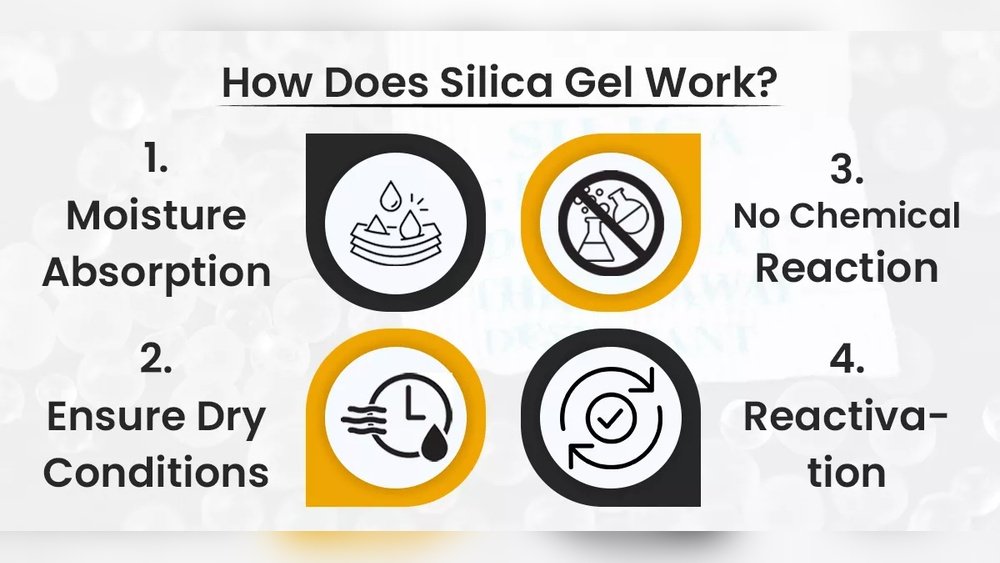
Silica gel works by capturing moisture from the air. It contains tiny beads that attract water molecules. These beads hold moisture inside their structure, helping to keep items dry. This process is simple but very effective at controlling humidity.
Moisture Absorption Process
Silica gel beads have many small pores. These pores trap water vapor from the surrounding air. The moisture sticks to the surface of the beads. As a result, the air around the silica gel becomes drier. This helps prevent damage to products from excess moisture.
Types Of Silica Gel
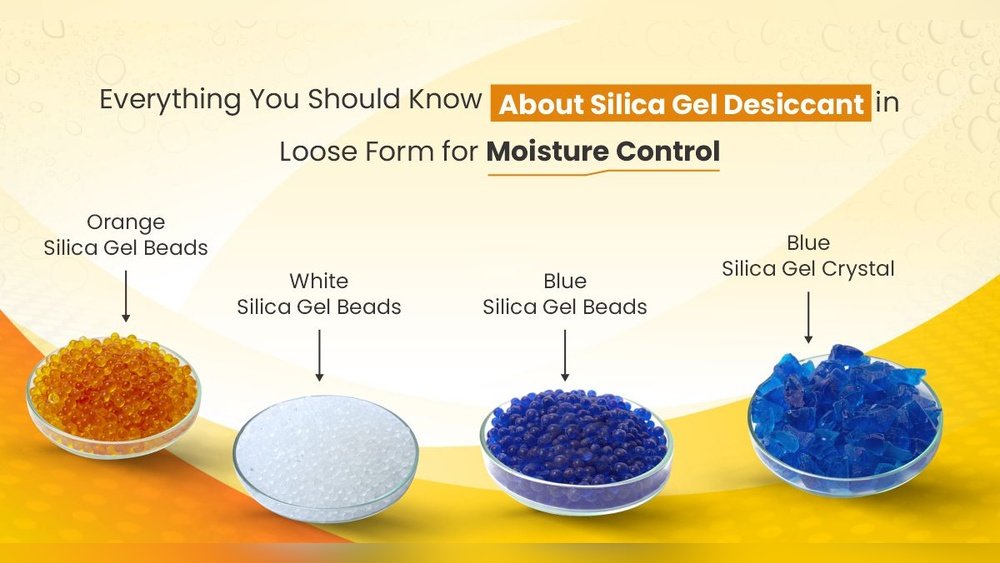
There are different types of silica gel for various uses. Some beads change color when they absorb moisture, showing when they need to be replaced. Others stay the same color but work just as well. Choosing the right type depends on the item you want to protect.
Signs Silica Gel Is Saturated
Silica gel is famous for keeping things dry by absorbing moisture. Over time, it fills up with water. This means it can no longer do its job well. Knowing the signs silica gel is full helps you decide when to reuse or replace it.
Recognizing these signs protects your items from damage caused by moisture. It also saves money by reusing silica gel safely.
Color Change Indicators
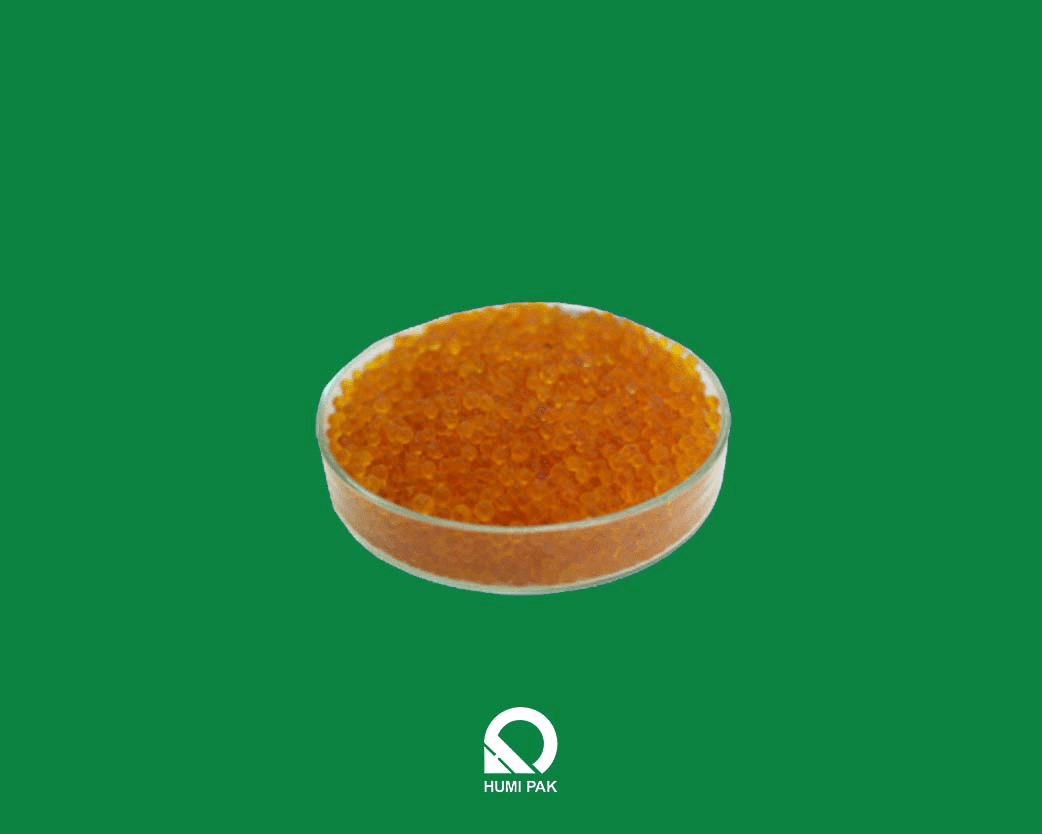
Many silica gel packets change color as they absorb moisture. They often start blue or orange. When full, they turn pink or clear. This color shift tells you the silica gel is saturated. It can no longer absorb more water. Keep an eye on this simple visual sign.
Loss Of Effectiveness
Saturated silica gel loses its drying power. It stops pulling moisture from the air. Items around it may feel damp or smell musty. This means the gel is no longer protecting well. If you notice moisture buildup, it is time to recharge or replace the gel.
Methods To Recharge Silica Gel
Silica gel can absorb moisture and lose its effectiveness over time. Recharging silica gel restores its drying power. Several simple methods remove moisture from the beads. These methods work well at home with common tools. Each method has easy steps and clear results.
Oven Drying Technique
Oven drying is a popular way to recharge silica gel. Preheat your oven to about 250°F (120°C). Spread the silica gel in a thin layer on a baking tray. Place the tray in the oven for 1 to 2 hours. Check the beads regularly to avoid overheating. Once dry, let the silica gel cool before use. This method quickly removes moisture without damaging the beads.
Microwave Drying Method
Microwave drying works faster but needs careful attention. Place silica gel in a microwave-safe container. Heat on medium power for 1 to 3 minutes. Stop every 30 seconds to check the beads. Avoid overheating or melting the container. Let the silica gel cool down after drying. This method is ideal for small amounts of silica gel.
Air Drying Options
Air drying is the simplest but takes the longest time. Spread silica gel on a clean surface in a dry area. Leave it in direct sunlight for several days. Good air flow speeds up the drying process. This method uses no heat and is very gentle. It suits when time is not an issue and energy use is a concern.

Safety Tips For Reusing Silica Gel
Reusing silica gel can save money and reduce waste. Safety is important when handling it after moisture absorption. Follow simple tips to keep safe and maintain silica gel’s effectiveness. These guidelines help avoid risks and keep silica gel clean for reuse.
Handling Precautions
Always wear gloves when handling silica gel. Avoid direct skin contact to prevent irritation. Keep silica gel away from children and pets. Do not eat or inhale the beads. Store silica gel in a dry, sealed container after reuse.
Avoiding Contamination
Do not mix used silica gel with new packs. Keep the gel away from dust and dirt. Use clean tools to handle and transfer the beads. Avoid touching silica gel with dirty hands. Store in a clean, airtight container to maintain purity.
Limitations Of Reusing Silica Gel
Silica gel is a popular moisture absorber often reused to save money and reduce waste. Reusing silica gel has its limits. Over time, its ability to absorb moisture drops. Knowing these limits helps keep your items dry and protected.
Number Of Effective Cycles
Silica gel can be reused multiple times. Each drying cycle removes moisture from the gel beads. Usually, it works well for about three to five cycles. After several uses, the gel loses its drying power. It may not protect your items properly anymore.
When To Replace Silica Gel
Replace silica gel when it no longer feels dry or changes color. Many gels have color indicators to show moisture levels. If the color stays the same after drying, it means the gel is worn out. Using old silica gel can let moisture damage your goods. Always check the gel before reuse.
Practical Uses For Recycled Silica Gel
Recycled silica gel keeps working after drying out. It can absorb moisture again, making it useful for many tasks around the house. Using recycled silica gel helps save money and reduces waste. It protects items sensitive to moisture. Here are some practical ways to use recycled silica gel.
Protecting Electronics
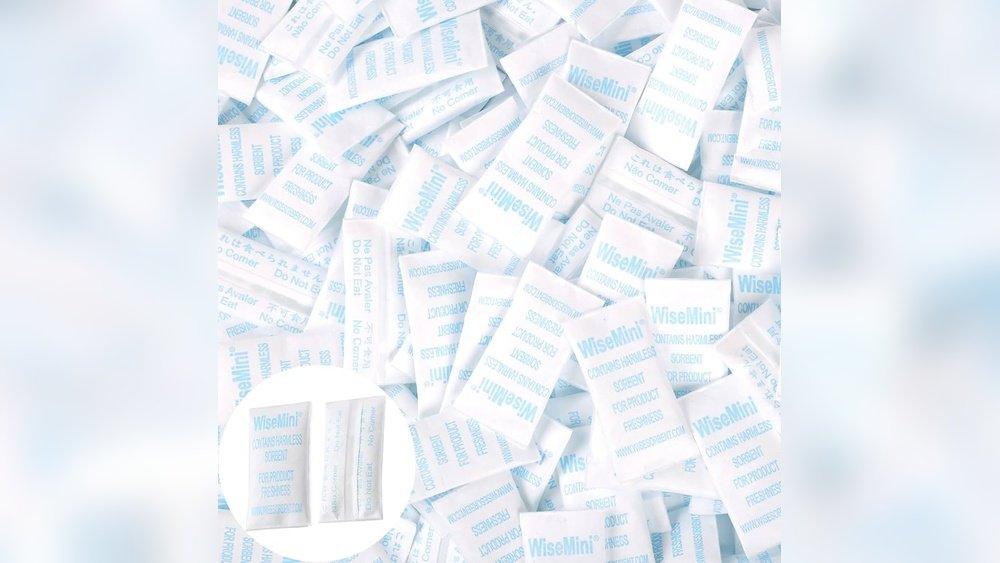
Electronics get damaged by moisture fast. Silica gel packets help keep gadgets dry. Store silica gel with phones, cameras, and chargers. It stops rust and corrosion inside devices. Reusing silica gel keeps electronics safe longer.
Preserving Documents
Paper and photos fade or curl from dampness. Silica gel absorbs moisture around stored papers. Place packets inside boxes or drawers with important documents. It helps keep papers flat and clear. Recycled silica gel extends the life of your documents.
Maintaining Tool Longevity
Tools can rust when left in humid places. Silica gel absorbs water in toolboxes and sheds. Keep packets near metal tools to prevent rust. This simple step protects tools and saves money. Using recycled silica gel keeps tools ready for use.
Frequently Asked Questions
Can Silica Gel Be Dried And Reused Effectively?
Yes, silica gel can be dried and reused. Heat it in an oven at 250°F (120°C) for 1-2 hours. This process removes absorbed moisture, restoring its drying ability. Properly regenerated silica gel maintains its effectiveness for multiple cycles.
How Long Does Silica Gel Last After Reactivation?
After reactivation, silica gel lasts several months to years. Its lifespan depends on storage conditions and exposure to moisture. Keep it sealed in an airtight container to maximize durability and maintain drying power.
Is Reused Silica Gel As Effective As New?
Reused silica gel retains most of its drying efficiency if properly reactivated. Over time and multiple uses, its moisture absorption capacity may slightly decrease but remains effective for general moisture control.
Can Silica Gel Be Reused For Food Storage?
Yes, reactivated silica gel can be safely reused for food storage. Ensure it is completely dry and uncontaminated. Use food-grade silica gel packets to avoid chemical exposure and maintain food freshness.
Conclusion
Silica gel can be reused after drying it out properly. Heat the beads gently to remove moisture. This restores their ability to absorb dampness again. Reusing saves money and reduces waste. Just follow safety steps while handling hot silica gel.
Keep them in sealed containers to stay effective longer. Reusing silica gel is easy and practical for many uses. Try it next time you need dry storage. It works well and helps protect your items from moisture damage.


One Comment on “Can Silica Gel Be Reused After Absorbing Moisture? Expert Tips”