If you own an AR-15, you know how important it is to keep it safe and secure. But with so many storage options out there, you might be wondering: Are biometric safes really the best choice for your rifle?
You want quick access, top-level security, and peace of mind—all at once. You’ll discover how biometric safes work, their benefits and drawbacks, and whether they truly meet your needs for AR-15 storage. Keep reading to find out if this high-tech option is right for you and your firearm.
Benefits Of Biometric Safes
Biometric safes offer several advantages for storing AR-15 rifles. They combine technology with security for practical use. These safes provide fast and reliable access while keeping weapons protected. Their design suits both home defense and secure storage needs.
Quick Access In Emergencies
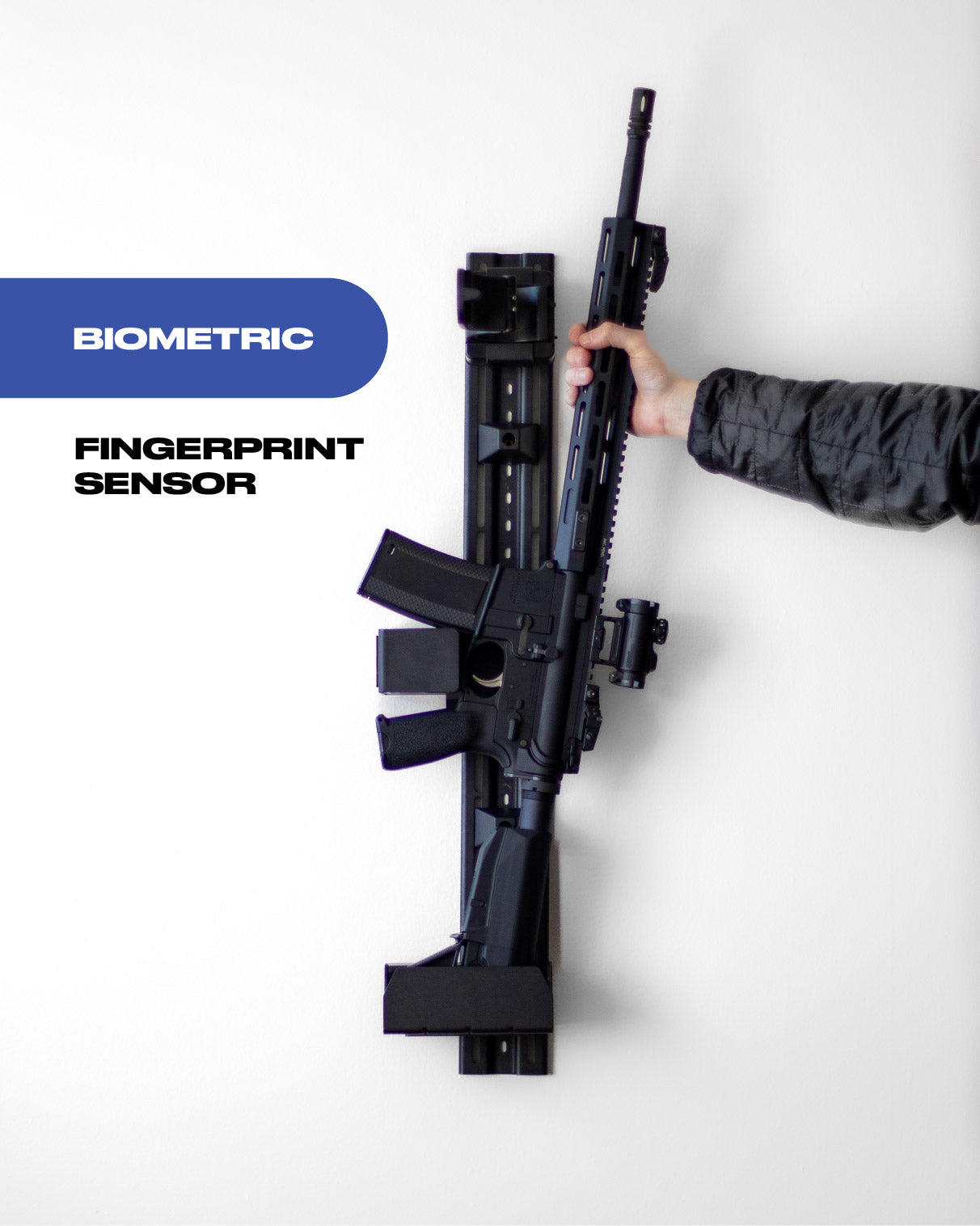
Biometric safes open quickly using fingerprint recognition. No need to remember codes or carry keys. This feature saves precious seconds during urgent situations. It allows safe access even in the dark or under stress.
Enhanced Security Features
These safes use advanced sensors to prevent unauthorized entry. They lock automatically after each use to maintain safety. Some models include alarms that trigger on tampering attempts. This level of protection helps keep firearms out of wrong hands.
User-friendly Operation
Setting up a biometric safe is simple and fast. Most safes allow multiple fingerprints to be stored. This means family members can access the safe easily. The small digital screen and buttons are easy to use and understand.

Challenges With Biometric Safes
Biometric safes offer quick access and high-tech security for AR-15 storage. Yet, they come with some challenges that can affect their reliability. Knowing these issues helps to decide if they fit your needs.
These safes rely on advanced technology that may face problems in certain situations. Understanding these challenges ensures safer and smarter firearm storage.
Potential Sensor Failures
Biometric sensors may fail to read fingerprints correctly. Dirt, sweat, or scratches on fingers can cause errors. This leads to delays or inability to open the safe. Sensor failures can be frustrating during urgent moments.
Battery Dependency
Biometric safes need batteries to work. Dead or weak batteries stop the safe from recognizing fingerprints. Without power, the safe locks down completely. Keeping spare batteries is necessary but can be overlooked.
Environmental Sensitivity
Extreme temperatures affect biometric sensor performance. Cold or hot weather can cause the sensor to malfunction. Moisture and dust also impact the safe’s electronics. These conditions reduce the safe’s reliability over time.
Biometric Safes Vs Traditional Safes
Choosing the right safe for your AR-15 is important for security and quick access. Biometric safes and traditional safes offer different features. Understanding how they compare helps you make a better choice. This section looks at key points in security, access speed, and durability.
Security Comparison
Biometric safes use fingerprint sensors to allow only registered users. This limits access to authorized people only. Traditional safes rely on keys or combination locks. These can be lost or guessed. Biometric safes offer a higher level of security for some. Yet, traditional safes can be very strong and reliable too.
Access Speed
Biometric safes open quickly with a fingerprint scan. This saves time during emergencies. Traditional safes need manual input of codes or keys. This process takes longer and can be tricky in a rush. For fast access, biometric safes have a clear advantage. They provide a faster way to get your AR-15 safely.
Durability Factors
Traditional safes are usually made of thick steel. They can resist force, fire, and drilling. Biometric safes also have solid builds but may have delicate electronic parts. These parts need protection from moisture and damage. Traditional safes often last longer with less maintenance. Durability depends on the safe’s quality and design, regardless of type.
Choosing The Right Biometric Safe
Choosing the right biometric safe is important for storing your AR-15 securely. The safe must fit your needs and offer quick access. Many options exist, so focus on key features.
Consider size, locking types, and brand reputation. These factors affect safety and ease of use. A good biometric safe protects your firearm and gives peace of mind.
Size And Capacity
Size matters because your AR-15 needs enough room inside the safe. Choose a safe with enough space for the rifle and extra items. Some safes hold one gun only, while others fit multiple firearms.
Measure your AR-15 before buying. Also, think about future storage needs. A larger safe offers more flexibility but may be heavier and cost more.
Locking Mechanisms
Biometric safes use fingerprint scanners for quick access. Look for safes with fast and accurate scanners. The scanner should work well in low light and with different fingerprints.
Some safes have backup keys or passcodes. This adds security if the biometric system fails. Check how many fingerprints the safe can store. More storage means more users can access the safe.
Brand Reputation And Reviews
Choose brands known for quality and reliability. Read customer reviews to learn about real experiences. Pay attention to comments on build quality and scanner performance.
Brands with good support and warranty are safer choices. Avoid unknown brands with mixed reviews. A trusted brand means better safety for your AR-15.
Maintenance Tips For Biometric Safes
Keeping a biometric safe in good condition ensures reliable protection for your AR-15. Regular maintenance helps avoid access issues and extends the safe’s life. Simple care steps keep the fingerprint sensor working well and the locking system secure.
Regular Battery Checks
Biometric safes run on batteries. Check battery levels often. Replace batteries at the first sign of weakness. Weak batteries can cause slow or failed unlocking. Use high-quality batteries for longer life. Keep spare batteries nearby for emergencies.
Sensor Cleaning
Fingerprint sensors must stay clean to read prints accurately. Wipe the sensor gently with a soft cloth. Avoid using harsh chemicals or water. Clean the sensor weekly or after heavy use. Dirt, dust, or oil can block the sensor and cause errors.
Software Updates
Some biometric safes have updateable software. Updates improve security and fix bugs. Check the manufacturer’s website for updates. Follow instructions carefully to install new software. Regular updates keep your safe running smoothly and safely.
Legal Considerations For Ar-15 Storage
Storing an AR-15 safely involves more than just choosing the right safe. Legal rules shape how you must keep your firearm. Knowing these laws helps you avoid trouble and keep your home safe.
State And Federal Regulations
States have different laws about AR-15 storage. Some require locking the gun when not in use. Federal laws set basic rules for gun ownership and storage. Following both is important to stay legal.
Safe Storage Requirements
Many places ask for guns to be stored in a locked safe. Biometric safes meet these rules if they keep the gun secure. The safe must prevent access by children or unauthorized people. Check your local laws for specific safe types allowed.
Liability Issues
Gun owners can be responsible if their AR-15 is stolen or misused. Proper storage lowers the risk of accidents and theft. Using a biometric safe can show you took safety seriously. This might help in legal cases about gun misuse.

Frequently Asked Questions
Are Biometric Safes Reliable For Ar-15 Storage?
Biometric safes offer quick access with fingerprint recognition. They provide strong security but depend on battery life and sensor quality. Ideal for personal use, they balance safety and convenience for AR-15 storage.
How Secure Are Biometric Safes Against Theft?
Biometric safes use advanced locking mechanisms and fingerprint scanning. They are resistant to common break-in methods but not completely theft-proof. Proper installation and quality construction enhance their security for firearms like AR-15s.
Can Biometric Safes Prevent Unauthorized Ar-15 Access?
Yes, biometric safes limit access to registered fingerprints only. This technology reduces the risk of unauthorized use and enhances firearm safety in homes or offices.
What Maintenance Do Biometric Safes Require?
Biometric safes need regular battery replacement and sensor cleaning. Keep the fingerprint scanner free of dirt for accurate readings. Routine checks ensure reliable performance for AR-15 security.
Conclusion
Biometric safes offer quick access and strong security for AR-15 storage. They keep your firearm safe from unauthorized users. The fingerprint scanner works fast and is easy to use. Battery life and durability matter for long-term safety. Choose a model with good reviews and solid build.
Biometric safes combine convenience with protection, making them a smart choice. Always follow local laws and safety rules when storing firearms. Safe storage ensures peace of mind and responsible gun ownership.