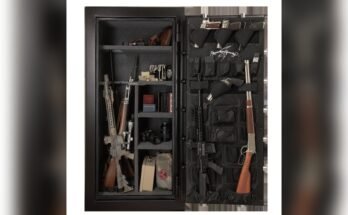
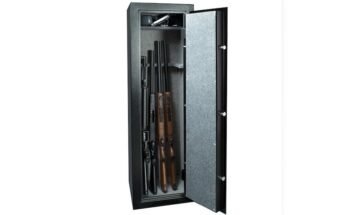
Are rifle safes required by law? If you own or are thinking about owning a rifle, this question might be on your mind.
You want to keep your firearms safe, but do the rules actually make it mandatory? Knowing the answer can protect you from legal trouble and keep your family secure. You’ll discover exactly what the law says about rifle safes, where requirements vary, and what you should do to stay on the safe side.
Keep reading to find out what every rifle owner needs to know.
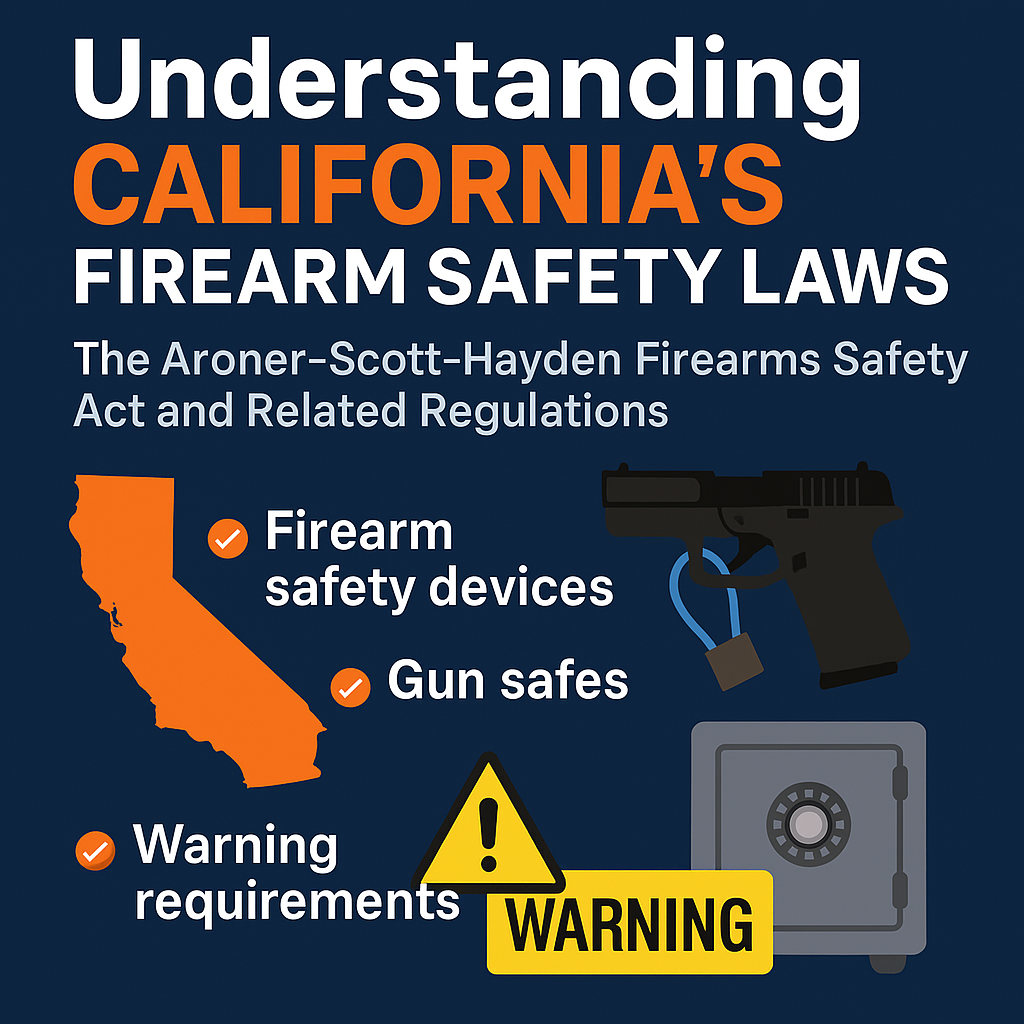
Federal Rifle Storage Laws
Federal rifle storage laws set the basic rules for keeping rifles safe. These laws help prevent accidents and keep guns away from children and unauthorized people. They create a national framework for gun safety.
Understanding these laws helps gun owners follow the rules. It also shows how federal laws affect everyday rifle storage choices.
Key Federal Regulations
The main federal law about gun storage is the Gun Control Act of 1968. It controls who can buy and own guns but does not require specific storage methods. The Act focuses on background checks and licensing.
The Child Safety Lock Act requires safety locks on handguns, but it does not cover rifles. No federal law forces rifle owners to use safes or locks. Storage rules vary by state and local laws.
Impact On Gun Owners
Federal laws give general rules for safe handling and storage. Gun owners must follow these rules to avoid legal trouble. Using a rifle safe is a good way to protect firearms from theft or misuse.
Many gun owners choose safes to protect their families and property. Safe storage can also lower the risk of accidents. Knowing federal laws helps owners meet legal requirements and keep rifles secure.
State-specific Rifle Safe Requirements
Gun laws vary widely across the United States. Each state sets its own rules about rifle safe storage. Some states require gun owners to lock up their rifles. Others have no such laws. Understanding these differences helps gun owners stay legal and safe.
State rules often reflect local concerns about gun safety. They can affect how you buy, store, and handle rifles. Knowing your state’s rules is essential for responsible gun ownership.
States With Mandatory Safe Laws
Several states require gun owners to store rifles securely. California, Massachusetts, and New York have strict safe storage laws. These states demand that guns be locked when not in use. Lockboxes, safes, or trigger locks often meet these requirements.
Other states like Maryland and Connecticut also have laws to prevent unauthorized access. These laws help reduce accidents and theft. They often apply to homes with children or other vulnerable people.
Variations In Legal Standards
Rules differ in what counts as a proper rifle safe. Some states require a specific type of lock or storage device. Others focus on who can access the firearm. Penalties for breaking these laws vary too.
Some states only require safe storage if minors are in the home. Others apply the rule to all gun owners. Understanding these details helps avoid fines or legal trouble. It also promotes safer communities.
Consequences Of Non-compliance
Failing to comply with rifle safe laws can lead to serious problems. These consequences affect your legal standing and personal safety. It is important to understand what you face without proper storage. The risks go beyond just breaking rules.
Legal Penalties
Not following rifle safe laws can bring fines and jail time. Penalties differ by state and the situation. Some areas impose heavy fines for unsafe gun storage. Others may charge criminal offenses for negligence. Courts take these matters seriously to protect the public.
Law enforcement can also seize firearms. This happens if they believe guns are stored unsafely. Repeat offenses increase the chances of harsher punishment. Avoiding these penalties means following the laws closely.
Liability Risks
Unsafe rifle storage raises your liability in accidents. You may be held responsible if a gun causes harm. This includes injuries or deaths involving children or unauthorized users. Lawsuits and civil claims can arise from such incidents. These can lead to costly financial damages.
Insurance companies may deny coverage for damages linked to unsafe storage. This leaves you to cover all costs alone. Proper rifle safes reduce these risks by limiting access. It protects you from legal and financial troubles.

Benefits Beyond Legal Obligations
Rifle safes offer benefits beyond just following the law. They provide extra safety for your home and family. These safes help keep rifles secure and reduce risks. Owning a safe is a smart step for responsible gun ownership. It helps protect people and property in many ways.
Preventing Unauthorized Access
A rifle safe stops people without permission from using your firearms. It keeps guns away from burglars or thieves. Locked safes make it harder for anyone to take or misuse rifles. This security reduces crime risks and protects your investment.
Protecting Children And Others
Many accidents happen when children find guns at home. A rifle safe keeps weapons out of reach from kids and visitors. It lowers chances of accidental shootings or injuries. Safes create a safer environment for everyone in the house.
Choosing The Right Rifle Safe
Choosing the right rifle safe protects your firearms and keeps them secure. It helps prevent theft and unauthorized use. A good safe also protects rifles from damage and fire. Selecting the best safe depends on your needs and budget.
Security Features To Consider
Look for solid steel construction. Thicker steel means stronger protection. Check the locking mechanism type. Electronic locks offer quick access but need batteries. Mechanical locks do not need power but take longer to open.
Consider the number of locking bolts. More bolts provide better security. Internal hinges reduce the chance of forced entry. Also, think about fire resistance. A fireproof safe protects guns during a fire.
Certified Safe Standards
Choose safes tested by recognized organizations. UL (Underwriters Laboratories) certification means the safe meets security and fire standards. Look for ratings like TL-15 or TL-30 for burglary resistance. These ratings show how long the safe can resist attacks.
Fire ratings tell how long the safe can protect contents from heat. A 1-hour fire rating is common and good for most needs. Certified safes give peace of mind and prove quality and reliability.

Safe Storage Tips And Best Practices
Storing rifles safely protects your family and keeps your guns in good shape. Following proper safe storage tips reduces accidents and theft risks. Practice good habits to ensure your firearms stay secure and ready when needed.
Location And Accessibility
Choose a hidden spot for your rifle safe. Avoid places easy to find by visitors or children. A closet or a locked room works well. Keep the safe away from moisture and direct sunlight. Make sure you can access your rifle quickly in emergencies.
Maintenance And Upkeep
Check your rifle safe regularly for damage or wear. Clean the interior to prevent rust and dust buildup. Lubricate locks and hinges to keep them working smoothly. Replace batteries in electronic locks on time. Inspect the safe’s seal to maintain its security and durability.
Frequently Asked Questions
Are Rifle Safes Legally Required In The Us?
Rifle safe laws vary by state. No federal law mandates rifle safes. Some states require safe storage to prevent unauthorized access. Always check local laws for specific requirements.
What States Require Rifle Safes By Law?
States like California and Massachusetts have strict firearm storage laws. They often mandate locking devices or safes for rifles. These laws aim to prevent theft and accidents. Verify your state’s regulations to ensure compliance.
Do Rifle Safes Prevent Accidental Shootings?
Yes, using a rifle safe reduces accidental shootings. Safes restrict unauthorized or child access to firearms. Proper storage increases household safety significantly. Always store rifles unloaded and locked.
Can I Be Fined For Not Using A Rifle Safe?
Fines depend on state laws and circumstances. Violations of safe storage laws can lead to penalties. Some states impose fines or criminal charges for unsafe storage. Always follow local regulations to avoid legal trouble.
Conclusion
Rifle safe laws vary by state and country. Some places require safes, others do not. Still, securing rifles protects your family and prevents accidents. Safe storage also stops unauthorized use and theft. Always check local rules before buying or storing rifles.
Keeping guns locked shows responsibility and care. Safety matters more than legal demands. Choose a safe that fits your needs and budget. Protecting your rifles is smart and wise. Safety first.