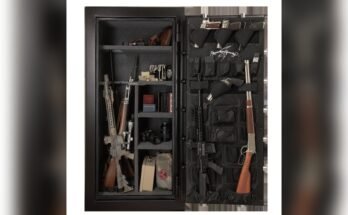
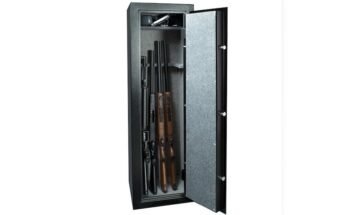
When it comes to protecting your rifles, choosing the right safe is crucial. But have you ever stopped to think about what materials make a rifle safe truly secure?
The strength and durability of your safe depend heavily on the materials used in its construction. Picking the wrong one could leave your firearms vulnerable to theft or damage. You’ll discover the best materials for rifle safes and why they matter.
By the end, you’ll know exactly what to look for to keep your rifles safe and sound. Keep reading to make the smartest choice for your protection needs.
Steel Types For Rifle Safes
Choosing the right steel type is vital for a strong rifle safe. Steel affects the safe’s durability and security. Different steels offer different benefits for protecting firearms. Knowing these types helps pick the best safe for your needs.
Cold Rolled Steel
Cold rolled steel is smooth and strong. It is made by rolling steel at low temperatures. This process makes the metal harder and more precise. Safes made from cold rolled steel resist dents and scratches well. This type is common in many quality rifle safes.
Carbon Steel
Carbon steel contains more carbon for extra strength. It is very tough and hard to break. This steel type provides good protection against physical attacks. Carbon steel safes are usually heavier and more durable. They offer great security for long-term firearm storage.
Stainless Steel
Stainless steel resists rust and corrosion. It contains chromium, which keeps it shiny and clean. This steel type is ideal for humid or wet areas. Stainless steel safes last longer without rust damage. They combine security with low maintenance needs.
Composite Materials In Safes
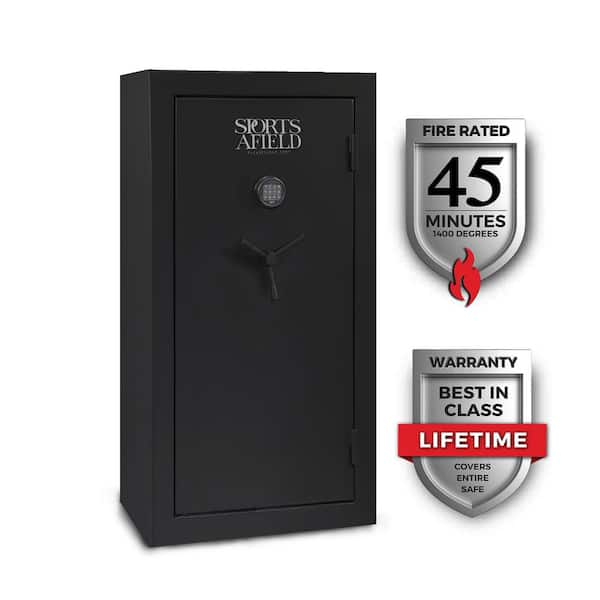
Composite materials combine different substances to create strong, durable rifle safes. These materials offer excellent protection against theft and fire. They also help keep the safe lighter and easier to move. Many safe manufacturers use composites to improve security and efficiency.
Concrete Reinforced Steel
Concrete reinforced steel is a popular choice for rifle safes. Steel forms the outer shell, giving the safe strength and rigidity. Inside, concrete fills the space to add weight and fire resistance. This combination makes the safe hard to break or burn. The concrete also absorbs impact from tools or bullets. It keeps rifles secure in tough conditions.
Ballistic Fiberglass Panels
Ballistic fiberglass panels provide strong defense against attacks. These panels are made from layers of fiberglass woven tightly together. They stop bullets and sharp tools from penetrating the safe. Fiberglass is lighter than steel but still very tough. It also resists corrosion and moisture. Safes with ballistic fiberglass panels offer reliable security without heavy weight.
Fire-resistant Materials
Fire-resistant materials are essential for rifle safes to protect guns from heat and flames. These materials help keep the safe’s inside temperature low during a fire. This protection prevents damage to firearms and ammunition. Understanding key fire-resistant components helps in choosing the best safe.
Fireproof Insulation
Fireproof insulation slows heat transfer inside the safe. It keeps the internal temperature stable during a fire. Common types include gypsum boards and ceramic fibers. These materials absorb heat and block flames. High-quality insulation can resist temperatures over 1,000 degrees Fahrenheit. It adds a crucial layer of protection to rifle safes.
Heat-resistant Sealants
Heat-resistant sealants stop smoke and hot gases from entering the safe. They expand when heated to close gaps tightly. This expansion helps maintain the safe’s airtight seal during a fire. Sealants are often silicone-based or intumescent. They work with insulation to enhance fire resistance. Good sealants prevent heat damage and protect the safe’s contents.
Locking Mechanisms And Material Impact
Locking mechanisms and the materials used in rifle safes play a big role in security. The strength of the safe material affects how well the lock works. A strong material supports the locking system and stops break-ins. Different locks fit better with certain materials.
Choosing the right lock and material helps keep rifles safe. The combination of both makes it hard for thieves to open the safe. Knowing how materials impact locks is key for safe selection.
Material Strength And Lock Security
Steel is the top choice for rifle safes. It is strong and resists attacks like drilling or cutting. Thicker steel means better protection. Thin metal can bend or break easily, making locks less effective.
Concrete or composite materials can add extra strength. They make the safe harder to break. These materials support the lock system well, stopping forced entry. A safe with strong walls gives locks a better chance to work properly.
Electronic Vs Mechanical Locks
Electronic locks use keypads or biometrics for access. They offer quick entry and can store multiple codes. These locks need power and can fail if batteries die. They work well with strong materials to block physical attacks.
Mechanical locks use keys or combination dials. They do not need power and are simple to use. Mechanical locks can last longer but may take more time to open. Pairing them with tough materials keeps rifles safe and secure.
Corrosion Resistance And Longevity
Corrosion resistance and longevity are key factors in choosing materials for rifle safes. A safe must protect firearms from rust and damage over time. Materials that resist corrosion help maintain the safe’s strength and appearance. This ensures your rifles stay secure and in good condition for years.
Coatings And Finishes
Coatings add a protective layer to metal surfaces. Powder coating is common and resists scratches and rust well. It forms a tough shield against moisture and chemicals. Some safes use epoxy finishes for extra durability. These finishes keep the metal safe from weather and wear. A good coating extends the safe’s life and keeps it looking new.
Environmental Considerations
Where you place your rifle safe affects material choice. Humid areas increase the risk of rust and corrosion. Steel safes with rust-resistant coatings work best in these conditions. Dry environments may allow for less protective finishes. Salt air near coasts can damage metal faster. Using corrosion-resistant materials helps protect your investment in harsh climates.
Weight And Portability Factors
Weight and portability play a big role in choosing the right material for a rifle safe. A heavy safe offers more security but is harder to move. A lighter safe may be easier to carry but might not protect as well. Understanding these factors helps find a balance between safety and convenience.
Material Density
Material density affects the safe’s weight and strength. Steel is common because it is strong and dense. It adds weight that makes the safe hard to steal. However, very thick steel can make the safe very heavy. Lighter metals like aluminum reduce weight but lower security. Some safes use composite materials to balance weight and strength.
Design For Mobility
Design features help improve portability. Handles, wheels, and compact shapes make moving easier. Some safes are designed to fit in small spaces or car trunks. Portable safes often use lighter materials to keep weight down. The right design lets users move the safe without much trouble.
Cost Vs Durability Trade-offs
Choosing the right material for a rifle safe means balancing cost and durability. Some materials cost less but may not last long. Others are strong but come with a higher price tag. Understanding this trade-off helps you pick the best safe for your needs and budget.
Budget-friendly Options
Steel is a common material for affordable rifle safes. It offers decent protection without a high price. Thinner steel sheets keep costs low but may be easier to break. Some safes use composite materials to reduce weight and price. These options fit well for basic storage and short-term needs.
Premium Durable Choices
Thick steel and reinforced designs boost a safe’s durability. High-quality steel resists drilling and prying attempts. Some safes include additional layers like concrete or composite armor. These materials add weight and strength, raising the price. Investing in premium safes offers better security and longer life.
Popular Brands And Material Choices
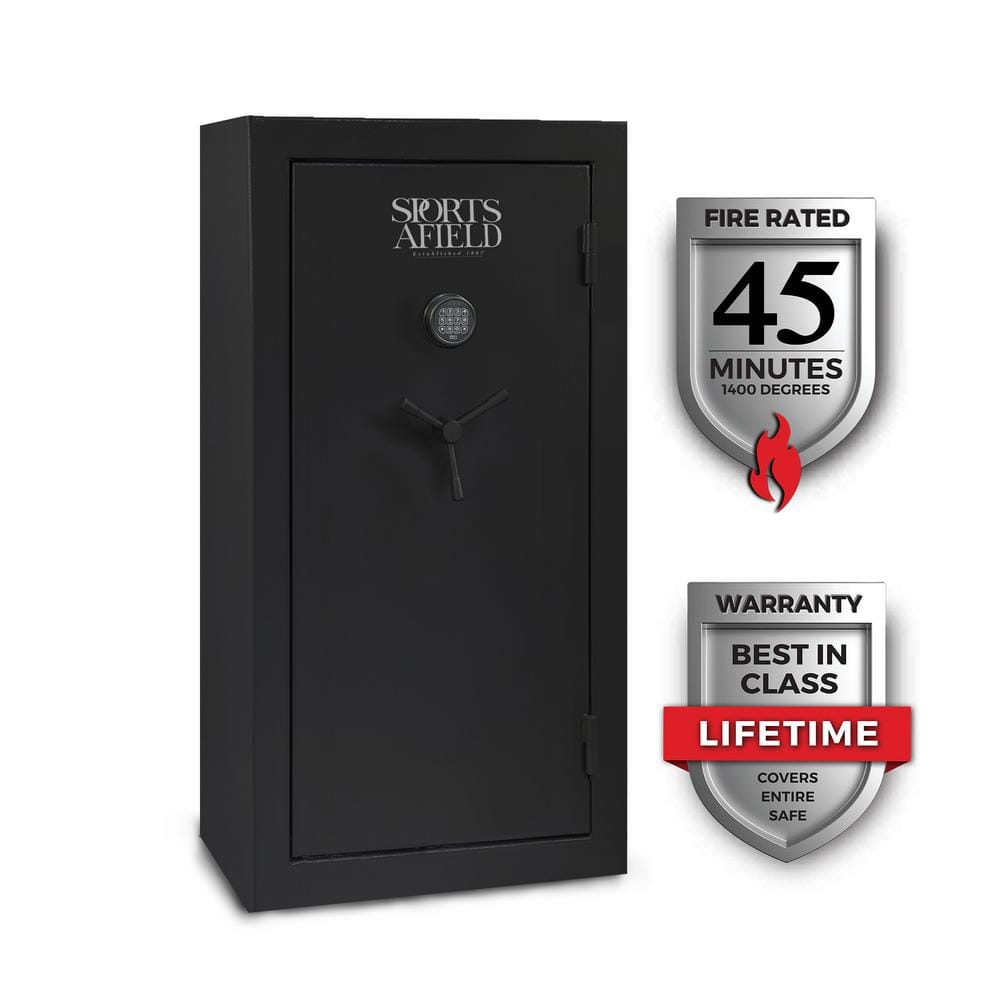
Choosing the right material for a rifle safe is important for security and durability. Many popular brands use strong metals like steel to protect your firearms. These brands offer different thicknesses and designs. Some focus on fire resistance too, using special insulation inside.
Brand reputation often depends on the materials used and construction quality. Buyers want safes that keep guns safe from theft and damage. This section compares top brands and their material choices. It also looks at what customers say about durability.
Brand Comparisons
Fort Knox uses thick steel, often 10-12 gauge, for solid protection. Their safes are heavy and hard to break into. Liberty Safe offers a variety of steel thicknesses, usually 12-14 gauge. They include fireproof insulation in many models. Browning safes combine steel with advanced locking systems. They often add a powder coat finish to prevent rust. Steel thickness varies but stays strong enough for security. Steel is the main material for these brands. Some also add composite layers for fire resistance. This makes the safe both tough and heat-resistant.
Customer Reviews On Durability
Customers praise Fort Knox for its strong steel and long-lasting build. Many say the safe feels very solid and heavy. Liberty Safe users appreciate the fire protection and sturdy steel walls. Some mention the safes resist dents and scratches well. Browning owners like the mix of steel and rust-resistant coating. They report no problems after years of use. Reviews show steel thickness matters most for durability. Fireproof features add extra peace of mind. Overall, customers trust these brands for long-term protection of rifles.

Frequently Asked Questions
What Materials Provide The Best Security For Rifle Safes?
Steel is the top material for rifle safes due to its strength and durability. Thick steel walls resist tampering and forced entry, ensuring maximum protection for firearms. High-quality safes often use heavy-gauge steel combined with reinforced locking mechanisms for enhanced security.
Why Is Steel Preferred Over Other Materials In Rifle Safes?
Steel offers superior resistance to cutting and drilling compared to materials like aluminum or plastic. It provides better fire protection and structural integrity. Steel safes also maintain their shape under stress, keeping rifles safe from theft and environmental damage.
Are There Fire-resistant Materials Used In Rifle Safes?
Yes, many rifle safes incorporate fire-resistant materials like gypsum or concrete panels. These materials slow heat transfer during fires, protecting firearms and valuables inside. Fire-resistant safes meet specific standards to ensure protection for a set period.
How Thick Should The Steel Be For A Quality Rifle Safe?
A minimum of 10 to 12-gauge steel thickness is recommended for reliable protection. Thicker steel, such as 1/4 inch, offers enhanced security against attacks. The steel gauge directly impacts the safe’s ability to withstand break-in attempts.
Conclusion
Choosing the right materials helps keep your rifles safe and secure. Steel offers strong protection against break-ins. Wood provides a classic look but less security. Composite materials balance strength and weight well. Consider your needs and budget before deciding. A good rifle safe protects your guns and peace of mind.
Keep safety and durability as top priorities. Always check for quality and reliability in any safe. Your firearms deserve the best care and protection.