Are you wondering how to keep your under-bed safe working perfectly and looking clean? Your safe protects your most valuable items, so maintaining it is key.
But cleaning and caring for it doesn’t have to be complicated or time-consuming. You’ll discover simple, effective ways to maintain and clean your under-bed safe. By following these easy steps, you’ll ensure your safe stays secure and lasts for years.
Keep reading to learn how to protect your investment and enjoy peace of mind every day.
Choosing The Right Cleaning Supplies
Choosing the right cleaning supplies is key to keep your under-bed safe in good shape. The right products protect the safe’s finish and ensure it works well for years. Use gentle and effective cleaners that do not damage the metal or lock system.
Safe Materials For Cleaning
Use soft cloths like microfiber to clean your safe. They remove dust without scratching the surface. Mild soap mixed with water works well for wiping down the exterior. Avoid abrasive sponges or brushes that can leave marks. For the lock area, a dry brush can clear dirt carefully.
Avoiding Harmful Chemicals
Do not use bleach, ammonia, or harsh solvents on your safe. These chemicals can damage the paint and metal parts. Acidic cleaners may cause rust or corrosion over time. Stick to pH-neutral cleaners designed for delicate surfaces. Protect your safe by choosing gentle, safe cleaning agents only.
Preparing The Safe For Cleaning
Preparing an under-bed safe for cleaning is the first step to keep it in good condition. Proper preparation prevents damage and ensures safety during the process. It helps you clean the safe thoroughly and protects your valuables inside.
Before cleaning, take time to prepare the safe carefully. Follow simple steps to get the safe ready. This makes the cleaning process easier and more effective.
Emptying Contents Safely
Remove all items from the safe carefully. Place them in a secure and clean area. Check for small or fragile objects to avoid loss or damage. Emptying the safe fully allows access to all corners for cleaning.
Handle valuables with care. Avoid rushing through this step. A careful approach protects your important items and keeps them organized.
Disconnecting Power Sources
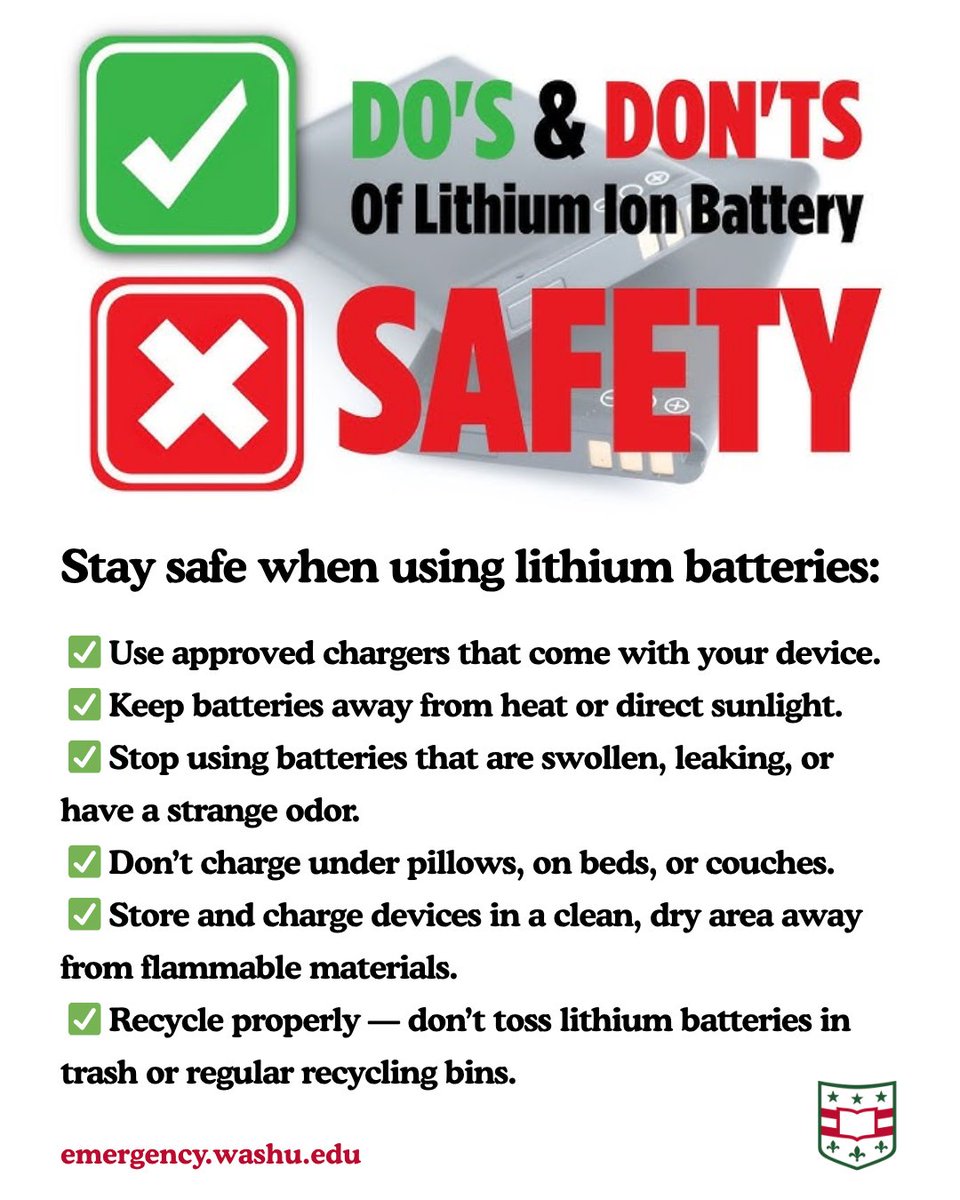
Many under-bed safes use batteries or plugs for power. Disconnect any power source before cleaning. This step prevents electric shocks and protects the safe’s electronics. Remove batteries or unplug cords gently to avoid damage.
Wait a few minutes after disconnecting before starting to clean. This allows any stored energy to dissipate, ensuring safety during the process.
Cleaning The Exterior
Cleaning the exterior of your under-bed safe keeps it looking good and working well. Dirt and dust can build up over time. This can make the safe look old and may affect its locks or surface. Regular cleaning helps maintain its strength and appearance.
Dusting And Wiping Techniques
Start by removing loose dust with a soft cloth or duster. Use gentle strokes to avoid scratching the surface. For stubborn dirt, dampen a cloth with water. Wipe the safe carefully without soaking it. Avoid harsh chemicals that can damage the finish. Dry the surface with a clean, dry cloth after wiping.
Polishing And Protecting Surfaces
Polishing adds shine and protects the safe’s exterior. Use a polish made for metal or painted surfaces, based on your safe’s material. Apply a small amount with a soft cloth. Rub in circular motions for an even finish. Let the polish dry, then buff with a clean cloth. This creates a protective layer against dust and scratches.

Cleaning The Interior
Cleaning the interior of your under-bed safe keeps it fresh and functional. Dirt and dust can build up over time, affecting the safe’s performance. Regular cleaning helps protect your valuables and extends the safe’s life. It also prevents bad smells and moisture damage inside the safe.
Removing Debris And Dust
Start by opening the safe and taking out all items. Use a soft brush or cloth to sweep away dust and small debris. A handheld vacuum cleaner works well to remove dirt from corners. Avoid harsh chemicals or abrasive tools to protect the safe’s interior lining. Wipe the surfaces gently with a damp cloth to pick up remaining dust.
Dealing With Moisture And Odors
Moisture can cause rust and mildew inside the safe. Place silica gel packs or moisture absorbers to keep the air dry. If you notice odors, leave the safe door open for a few hours to air out. Use a mild baking soda solution on a cloth to wipe down the interior. This helps neutralize smells without damaging the surface.
Maintaining The Lock Mechanism
The lock mechanism is the heart of an under-bed safe. Keeping it in good shape ensures your valuables stay protected. Regular care prevents problems and extends the lock’s life. Simple steps can keep the lock smooth and reliable.
Lubricating Locks And Hinges
Lubrication helps the lock and hinges move easily. Use a graphite or silicone-based lubricant. Avoid oil sprays that attract dust and dirt. Apply a small amount to the keyhole and hinges. Work the key in and out to spread the lubricant evenly. This keeps the lock from sticking or jamming.
Checking For Wear And Tear
Inspect the lock and hinges for signs of damage. Look for rust, cracks, or loose parts. Test the lock by turning the key slowly. Feel for any rough or stiff spots. Early detection of wear helps avoid bigger problems. Tighten screws and replace parts if needed. Regular checks keep your safe working smoothly.
Regular Maintenance Schedule
Keeping your under-bed safe in good shape is key to its performance and security. A regular maintenance schedule helps prevent problems. It also extends the safe’s life. Simple tasks done on time can save you from costly repairs later. Follow these easy steps to keep your safe clean and working well.
Monthly Cleaning Tasks
Start by wiping the safe’s exterior with a soft, dry cloth. Avoid using water or harsh chemicals. Dust and dirt can build up around the lock and hinges. Use a small brush or canned air to clean these parts gently. Check the lock for smooth operation. If it feels stiff, apply a little graphite powder to lubricate it. Do not use oil-based lubricants as they attract dust. Make sure the safe door closes tightly without gaps. Remove any debris from the sealing area.
Annual Deep Maintenance
Once a year, perform a thorough cleaning inside and out. Empty the safe completely. Vacuum the interior to remove dust and particles. Inspect the locking mechanism carefully. Look for signs of rust or wear. Apply a light coat of silicone spray on metal parts to prevent rust. Test the locking system multiple times to ensure smooth action. Check the mounting hardware under the bed. Tighten any loose screws or bolts. This keeps the safe secure and stable. Store your documents and valuables neatly inside to avoid damage.
Troubleshooting Common Issues
Under-bed safes offer great security but sometimes face issues. Knowing how to fix these problems saves time and stress. Troubleshooting common issues helps keep your safe working well and your valuables secure.
Lock Malfunctions
Locks may jam or fail to open. Dirt and dust often cause this problem. Use a soft brush to clean the lock area gently. Avoid force; it can damage the mechanism.
Check the batteries if your safe has an electronic lock. Replace old batteries with fresh ones. Sometimes, resetting the lock system solves the problem. Follow your safe’s manual for reset steps.
If the lock still does not work, contact a professional locksmith. Do not try to break the lock open. This may damage your safe and reduce its security.
Rust And Corrosion Prevention
Moisture causes rust and corrosion on metal safes. Keep the safe in a dry room or use a dehumidifier nearby. Place silica gel packs inside the safe to absorb moisture.
Clean the safe’s exterior regularly with a damp cloth. Dry it immediately to avoid water damage. Apply a light coat of oil on hinges and metal parts to protect against rust.
Check the safe often for signs of rust. Early detection allows quick cleaning and treatment. Use rust remover or fine sandpaper to clean small rust spots. Paint or seal these areas afterward to prevent return.
Enhancing Safe Security
Enhancing the security of your under-bed safe is key to protecting your valuables. Small steps can make a big difference. Focus on upgrading locks and choosing the best spot for your safe. These changes help keep your belongings safe and give you peace of mind.
Upgrading Lock Systems
Old locks can be easy targets for thieves. Consider installing a digital or biometric lock. These locks offer stronger protection and are harder to pick. Change the lock code regularly to keep access limited. Choose locks with backup keys or power options for reliability. Strong locks improve the overall security of your safe.
Optimal Placement Under Bed
Placement matters a lot. Hide the safe in a spot under the bed that is hard to see or reach. Avoid obvious places like the center or edges of the bed frame. Attach the safe to the bed frame or floor to prevent moving it. Check the area for good lighting and easy access only for you. Smart placement lowers the chance of theft or tampering.
Frequently Asked Questions
How Often Should I Clean My Under-bed Safe?
Clean your under-bed safe every 3 to 6 months. Regular cleaning prevents dust buildup and maintains lock functionality. Use a soft cloth and mild cleaner for best results. Avoid harsh chemicals that can damage the safe’s surface or mechanism.
What Materials Are Safe For Cleaning Under-bed Safes?
Use a soft microfiber cloth and mild soap solution for cleaning. Avoid abrasive cleaners, solvents, or bleach. These materials can damage the safe’s finish and locking mechanism. Gently wipe and dry the safe to keep it in good condition.
How Do I Maintain The Locking Mechanism Of An Under-bed Safe?
Lubricate the lock with graphite powder or a silicone-based lubricant twice a year. Avoid oil-based lubricants as they attract dust. Regular maintenance keeps the lock smooth and prevents jamming or rusting.
Can I Use Water To Clean The Inside Of The Safe?
Avoid using water inside the safe. Moisture can cause rust and damage valuables. Instead, use a dry cloth or a vacuum with a brush attachment to clean the interior. Keep the safe dry to prolong its lifespan.
Conclusion
Maintaining and cleaning your under-bed safe keeps it working well. Regular checks stop problems early. Wipe the surface with a soft cloth often. Avoid harsh chemicals that can damage the safe. Keep the lock clean and use lubricant if needed.
Store it in a dry place to prevent rust. Simple care helps your safe last longer and protect your valuables. Small efforts make a big difference in safety and durability. Stay consistent and your under-bed safe will serve you well.