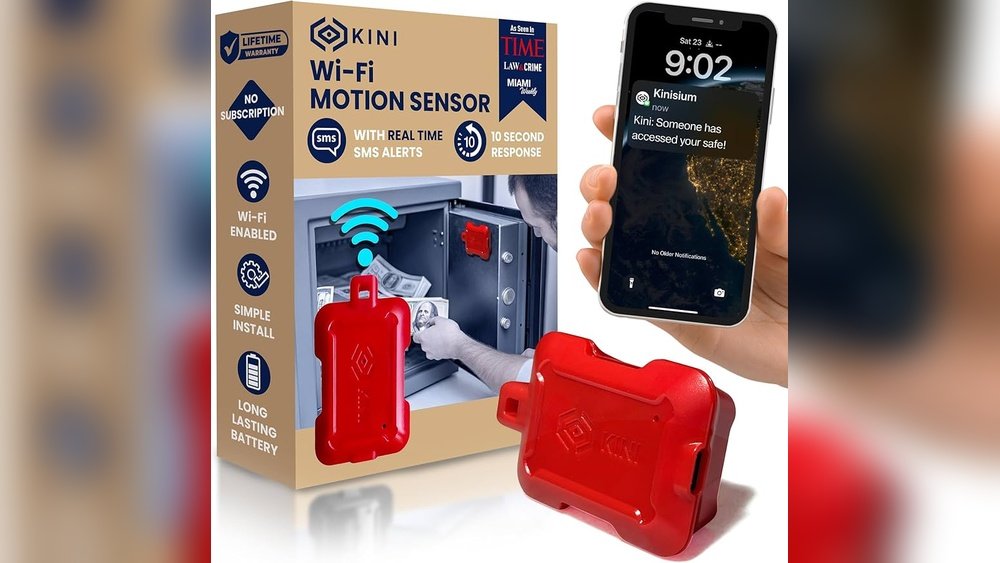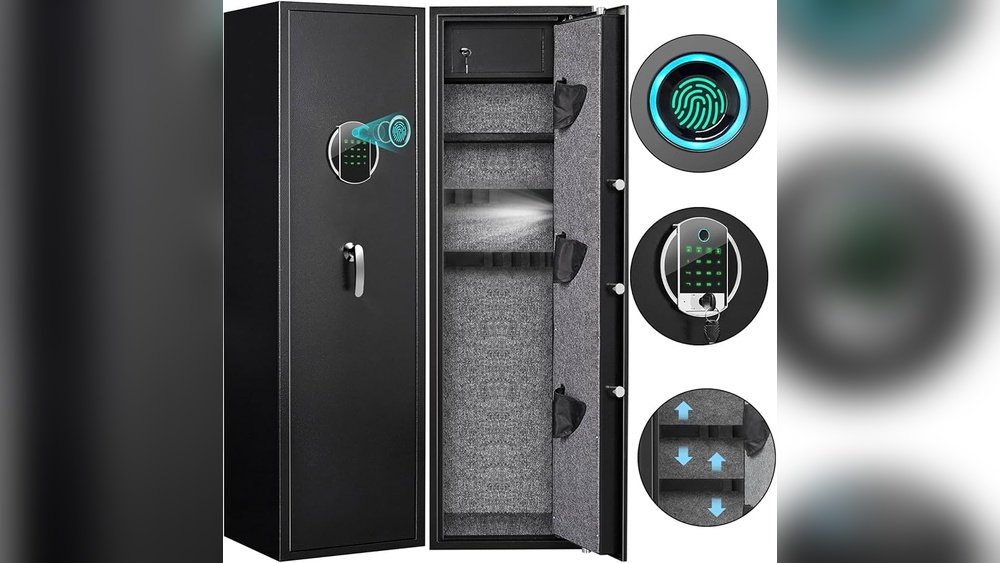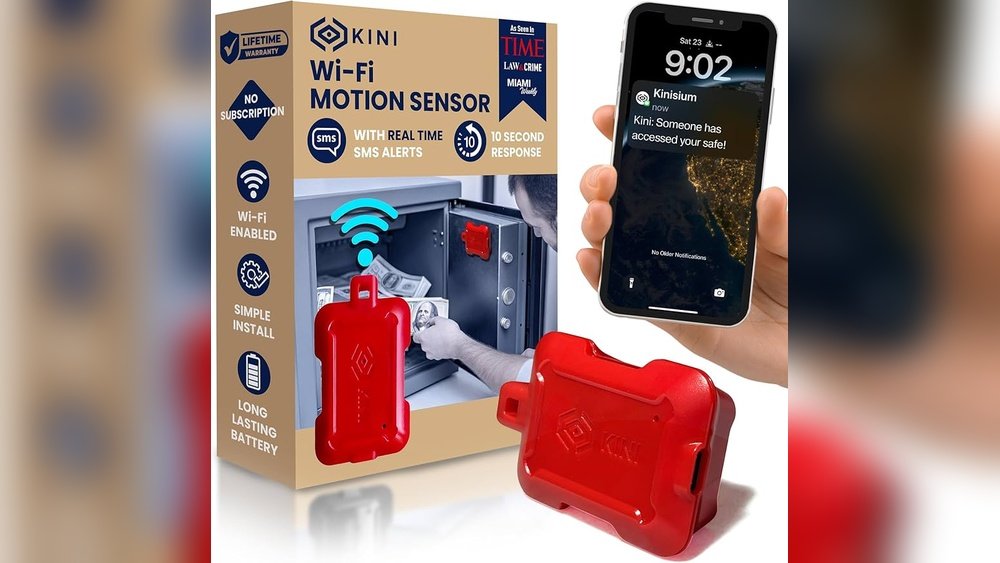
Are you worried about someone trying to break into your rifle safe? Protecting your firearms is crucial, and you want the best technology to keep them secure.
Vibration sensors might be the answer you’re looking for. But can these sensors really detect tampering on your rifle safe before it’s too late? You’ll discover how vibration sensors work, why they could be a game-changer for your security, and what to watch out for.
Keep reading to find out if this smart technology is the right fit for your peace of mind.

How Vibration Sensors Work
Vibration sensors detect small movements or shakes. They help protect rifle safes by sensing unusual activity. These sensors work by measuring vibrations caused by tampering attempts. Understanding their function can explain how they improve safe security.
Basic Principles
Vibration sensors sense motion through tiny changes in acceleration. They use materials that create electrical signals when shaken. The sensor sends these signals to an alarm system. This system then alerts the owner if it detects unusual vibration. The sensors are very sensitive to even small movements.
Types Of Vibration Sensors
There are several types of vibration sensors. Piezoelectric sensors produce voltage from mechanical stress. Accelerometers measure changes in speed or direction. Capacitive sensors detect changes in distance between parts. Each type has strengths depending on the safe’s needs. Most rifle safes use piezoelectric or accelerometer sensors.
Installation In Rifle Safes
Installing vibration sensors inside rifle safes is simple. Place the sensor on a solid surface inside the safe door or walls. Connect the sensor to the alarm control panel. Positioning is key to detect tampering without false alarms. Proper installation ensures quick and accurate vibration detection.

Detecting Tampering With Vibration Sensors
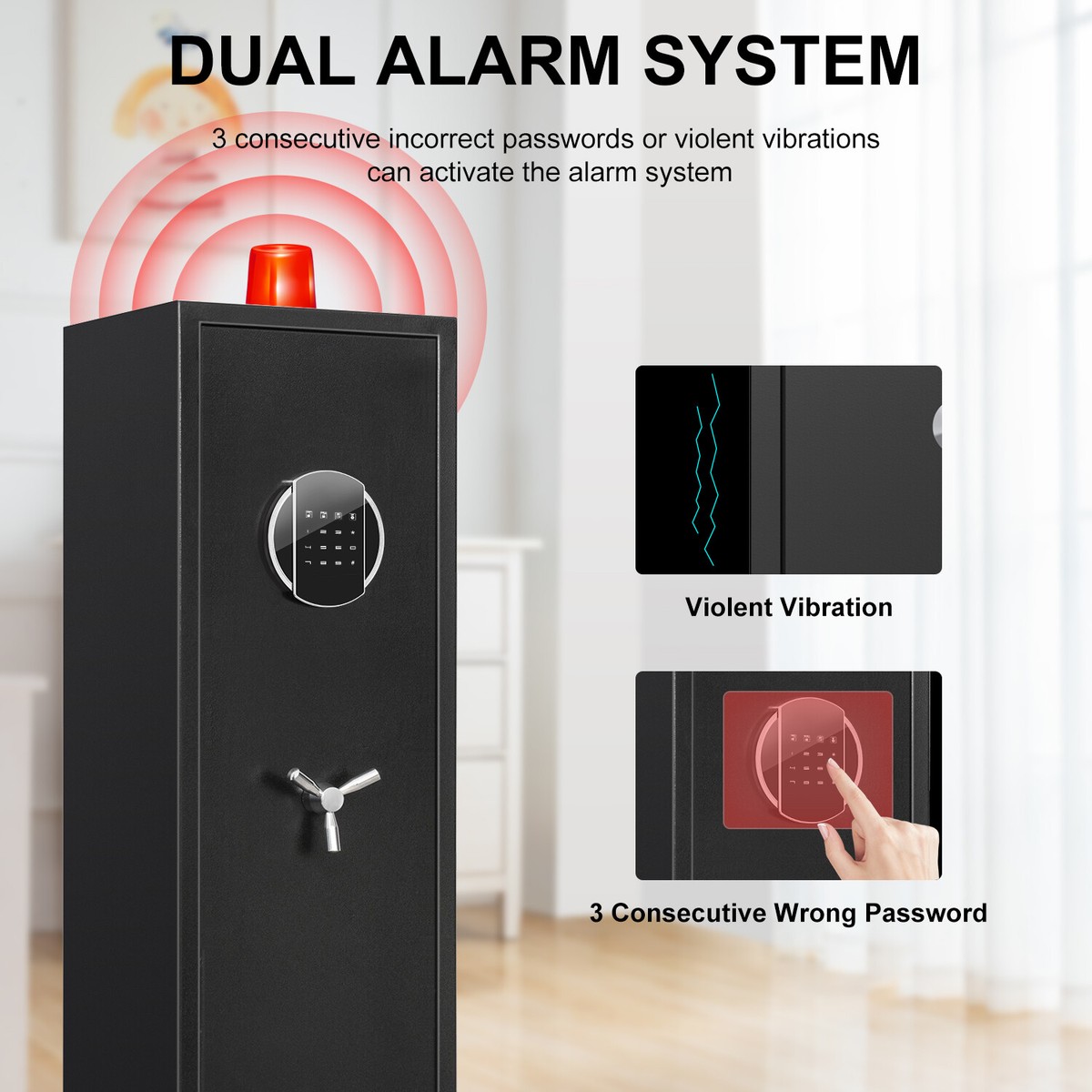
Detecting tampering with vibration sensors plays a key role in securing rifle safes. These sensors can sense unusual movements or impacts. They act as an early warning system to prevent theft or unauthorized access. Understanding how vibration sensors work helps in choosing the right safe protection.
Common Tampering Methods
Thieves often try to open rifle safes by hitting or shaking them. Some use tools to pry open the door or break the lock. Others may try drilling or cutting the safe walls. Vibration sensors detect these sudden shakes, hits, or vibrations. This helps alert owners before the safe is breached.
Sensor Sensitivity And Accuracy
Sensitivity is how well a vibration sensor detects small movements. High sensitivity catches even light taps or vibrations. Accuracy means the sensor can tell real tampering from normal movements. Good sensors avoid false alarms triggered by wind or nearby traffic. This balance keeps alerts meaningful and trustworthy.
Signal Processing And Alerts
After sensing vibration, the sensor sends signals to a control system. The system processes signals to confirm tampering. It filters out false alarms and triggers alerts only for real threats. Alerts may come as sounds, lights, or messages to phones. Fast alerts help owners act quickly to protect their rifles.
Advantages Of Using Vibration Sensors
Vibration sensors offer clear benefits for protecting rifle safes. They detect any unusual movement or tampering attempts quickly and accurately. These sensors add an extra layer of security beyond traditional locks and alarms.
Vibration sensors help keep your firearms safer. They provide peace of mind by alerting you to possible threats in real-time. This technology fits well with modern security needs.
Real-time Monitoring
Vibration sensors send instant alerts when they detect movement. This allows you to act immediately and prevent theft or damage. Real-time monitoring keeps you informed even if you are far away from the safe.
Integration With Security Systems
These sensors easily connect to existing alarm systems and smart home devices. This integration creates a complete security network. It helps centralize control and improves response time during emergencies.
Cost-effectiveness
Vibration sensors are affordable and easy to install. They reduce the need for expensive upgrades or extra security staff. Protecting your rifle safe with these sensors saves money in the long run.
Limitations And Challenges
Vibration sensors offer a way to detect tampering on rifle safes by sensing unusual movements or shocks. They provide an extra layer of security but face several limitations and challenges. Understanding these issues helps set the right expectations for their use and effectiveness.
False Alarms
Vibration sensors often trigger false alarms from harmless vibrations. Everyday activities like closing doors or footsteps can cause alerts. This can be frustrating and reduce trust in the system. Fine-tuning sensitivity helps but may miss subtle tampering attempts.
Environmental Interference
External factors impact sensor performance. Heavy rain, strong winds, or nearby construction may cause vibrations. Sensors might confuse these with tampering signals. Proper sensor placement and shielding can reduce interference but not eliminate it.
Sensor Durability
Vibration sensors must withstand rough handling and long-term use. Poor quality sensors may fail or give inaccurate readings over time. Exposure to dust, moisture, or extreme temperatures can damage them. Choosing durable sensors is key for reliable protection.
Enhancing Safe Security With Additional Measures
Enhancing the security of a rifle safe requires more than just one type of sensor. Adding extra layers of protection helps prevent tampering and keeps your firearms safe. Combining different technologies and physical barriers creates a strong defense that is harder to break through.
Combining Sensors
Using vibration sensors along with other sensors improves detection. Motion sensors can notice movement near the safe. Door sensors detect if the safe is opened. Together, these sensors create alerts for unusual activity. This mix helps catch tampering attempts quickly.
Access Control Technologies
Access control systems limit who can open the safe. Keypads require a code to unlock the door. Biometric scanners use fingerprints or eyes for access. These tools stop unauthorized users from gaining entry. They add a smart layer to safe security.
Physical Reinforcements
Strong materials make the safe harder to break. Steel walls and reinforced locks resist forced entry. Bolting the safe to the floor prevents moving it. These physical barriers slow down tampering efforts. They give sensors more time to alert you.
Choosing The Right Vibration Sensor For Your Safe
Choosing the right vibration sensor for your rifle safe is important. A good sensor helps detect any tampering or forced entry attempts. It keeps your firearms safe and gives you peace of mind. Picking the best sensor means understanding what features matter most, knowing trusted brands, and installing it correctly.
Key Features To Consider
Look for sensors with high sensitivity to detect small vibrations. The sensor should avoid false alarms from normal movements. A wide detection range helps cover the entire safe surface. Battery life is crucial for long-term use without frequent changes. Some sensors include alert systems that notify you instantly.
Top Sensor Brands
Brands like Honeywell, Bosch, and Sabre offer reliable vibration sensors. These companies have proven quality and good customer support. Their sensors often come with easy-to-use features and clear instructions. Choosing a well-known brand ensures better product durability and accuracy.
Installation Tips
Place the sensor on a flat, stable part of the safe. Avoid areas near hinges or locks to prevent damage. Use strong adhesive or screws based on the sensor type. Test the sensor after installation to confirm it detects vibrations correctly. Keep the sensor away from heavy machinery or loud noises to reduce false alarms.
Real-world Examples And Case Studies
Real-world examples and case studies show how vibration sensors detect tampering on rifle safes. These examples prove the sensors’ value in protecting firearms. They reveal how sensors alert owners to unauthorized access attempts. Learning from actual cases helps understand the technology’s strengths and limits.
Successful Tampering Detections
Several cases highlight vibration sensors stopping theft. In one instance, a sensor detected repeated knocks on a rifle safe. The owner received an instant alert on their phone. This early warning prevented the safe from being broken into. Another example involved sensors catching vibrations from drilling attempts. The alarm forced the thief to flee before damage occurred. These examples show sensors work well in real-life situations.
Lessons From Security Breaches
Not all attempts were stopped by vibration sensors alone. Some cases reveal how thieves bypassed sensors by using slow, gentle pressure. This method avoided triggering vibration alerts. Such breaches teach the importance of combining sensors with other security tools. Cameras and strong locking mechanisms add layers of protection. These lessons help improve safe security systems for the future.
Frequently Asked Questions
Can Vibration Sensors Detect Rifle Safe Tampering?
Yes, vibration sensors detect unusual movements or impacts on rifle safes. They trigger alerts if tampering occurs, enhancing security.
How Sensitive Are Vibration Sensors On Rifle Safes?
Vibration sensors are highly sensitive and can detect minor knocks or vibrations. This sensitivity helps identify unauthorized attempts quickly.
Do Vibration Sensors Reduce False Tampering Alarms?
Advanced vibration sensors use algorithms to distinguish normal from suspicious vibrations. This reduces false alarms and improves reliability.
Can Vibration Sensors Integrate With Smart Home Systems?
Yes, many vibration sensors connect with smart home systems. They send real-time alerts to your phone for prompt action.
Conclusion
Vibration sensors can help detect tampering on rifle safes. They sense unusual movements and alert you quickly. This adds a layer of security to protect your firearms. Still, they work best combined with strong locks and alarms. Trusting only one method might not keep your safe fully secure.
Choose sensors that fit your needs and budget well. Stay aware and keep your weapons safe at all times. Safety starts with smart choices and careful protection.