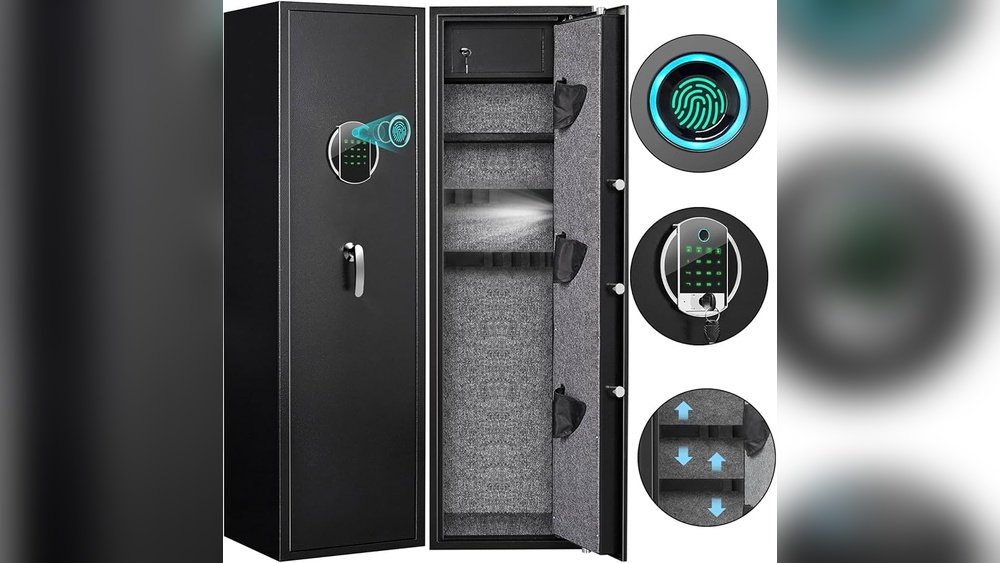
If you rely on a rifle safe with vibration sensors, you might wonder if these sensors need regular calibration. After all, your rifles and valuables depend on the safe’s ability to detect any unusual movement or tampering.
Imagine missing a crucial alert because the sensor isn’t working correctly. That’s why understanding whether calibration is necessary can save you from costly mistakes. You’ll discover how vibration sensors work, why calibration matters, and what steps you can take to keep your rifle safe fully protected.
Keep reading to ensure your gear stays secure when it matters most.
Purpose Of Vibration Sensors
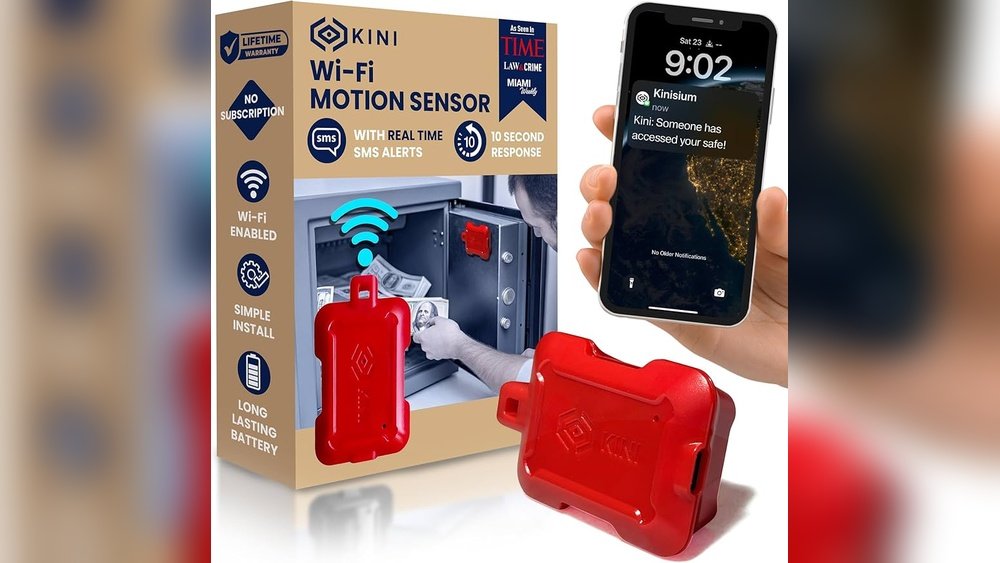
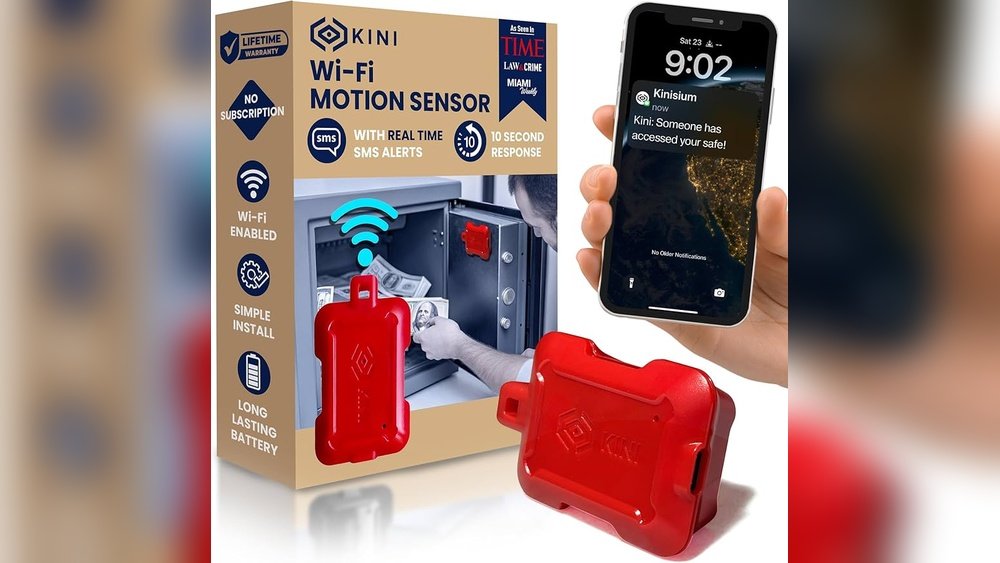
Vibration sensors detect movements and shocks. They protect rifle safes by alerting owners to any tampering or forced entry. These sensors help keep firearms secure and provide peace of mind.
They sense even slight vibrations caused by attempts to open or move the safe. This early warning can prevent theft or damage. The sensors play a key role in security systems for rifle safes.
Role In Rifle Safes
Vibration sensors trigger alarms when unusual movement occurs. They act as a shield against break-ins. The sensors are sensitive enough to detect tapping or shaking. This helps stop thieves before they succeed.
They are often connected to a central alarm or smartphone alert. This immediate notification allows quick action. Owners can check the safe remotely or call for help fast. These sensors add a strong layer of security.
Types Of Vibration Sensors
Two common types appear in rifle safes: piezoelectric and accelerometer sensors. Piezoelectric sensors create an electric signal from vibrations. They react quickly to sudden shocks or knocks.
Accelerometer sensors measure changes in movement and position. They detect slower or more subtle shifts. Both types help cover different types of tampering attempts. Choosing the right sensor depends on the safe’s design and security needs.
Importance Of Calibration
Calibration plays a vital role in the performance of vibration sensors for rifle safes. It ensures the sensor works correctly and detects real threats without errors. Regular calibration keeps the sensor sensitive to the right level of vibration.
Without proper calibration, sensors may fail or cause problems. Safe owners trust these sensors to protect their firearms. Calibration helps maintain this trust by making sure the sensor is reliable over time.
Accuracy And Reliability
Calibration improves the sensor’s accuracy. It adjusts the sensor to detect the correct vibration levels. This means the sensor can spot true movements without missing them.
Reliable sensors reduce the risk of security breaches. They provide consistent protection by working as expected every time. Accurate sensors give safe owners peace of mind.
Preventing False Alarms
False alarms can cause frustration and confusion. Calibration helps set the right sensitivity to avoid false alerts. It stops the sensor from reacting to small, harmless vibrations.
Fewer false alarms mean better trust in the security system. It also prevents unnecessary disturbances or panic. Proper calibration keeps the sensor focused on real threats only.
Calibration Frequency
Calibration frequency is key to keeping vibration sensors in rifle safes accurate. Over time, sensors may drift or lose sensitivity. Regular calibration ensures they respond correctly to real threats and avoid false alarms. The right timing depends on several factors that affect sensor performance.
Manufacturer Recommendations
Most sensor makers provide a calibration schedule. This guide helps keep sensors working well. Common advice is to check calibration every six to twelve months. Following these guidelines maintains sensor precision. Ignoring them can lead to errors or missed alerts.
Environmental Factors
Environment impacts how often calibration is needed. Dust, humidity, and temperature swings can affect sensors. A safe placed in harsh conditions may need more frequent checks. Indoor, stable spots require less frequent calibration. Monitoring the surroundings helps decide the right schedule.

Calibration Methods
Calibration methods ensure vibration sensors in rifle safes work correctly. Proper calibration keeps sensors accurate and reliable. It helps avoid false alarms or missed alerts. Two main ways exist to calibrate these sensors: professional services and DIY steps. Each method suits different needs and skill levels.
Professional Calibration Services
Experts use special tools to test and adjust vibration sensors. They check sensor sensitivity and response time carefully. Professionals can spot hidden issues quickly. Their work ensures the sensor fits the safe perfectly. This service usually comes with a guarantee of accuracy. It saves time and reduces errors in calibration. Perfect for users who want reliable results without hassle.
Diy Calibration Steps
Simple steps help calibrate vibration sensors at home. Start by reading the sensor manual carefully. Use light taps to test the sensor’s reaction. Adjust sensitivity settings based on the sensor’s response. Avoid too high sensitivity to prevent false alarms. Repeat tests after each change for best results. DIY calibration saves money but needs patience and care. Good for users comfortable with basic tools and instructions.
Signs Calibration Is Needed
Vibration sensors in rifle safes help detect unauthorized movement. Over time, these sensors may lose accuracy. Calibration keeps them working correctly. Watch for clear signs that calibration is needed. This helps maintain safety and avoid false alarms.
Sensor Malfunction Symptoms
One sign of sensor trouble is unexpected alarms. The sensor might trigger without any movement. Another symptom is no response to real vibrations. Sensors may stop detecting when the safe is moved. These issues show the sensor may need calibration or repair.
Performance Degradation
Sensor sensitivity can drop over time. It might miss small vibrations or react too late. This reduces the safe’s protection level. Calibration restores sensor accuracy and quick response. Regular checks help catch performance drops early. This keeps your rifle safe secure and reliable.

Maintaining Sensor Performance
Maintaining sensor performance is key to keeping your rifle safe secure. Vibration sensors must work correctly to detect any tampering or movement. Over time, sensors can lose accuracy. Regular checks help ensure they respond properly. Proper care extends the life of the sensor and your safe’s protection.
Regular Testing
Test vibration sensors often to confirm they detect movement. Use gentle taps or vibrations near the sensor. Check if the alarm triggers as expected. Record any delays or missed signals. Regular testing helps spot issues early. Fix problems before they reduce your safe’s security.
Proper Installation Tips
Place sensors on firm, stable surfaces inside the safe. Avoid loose or shaky spots. Clean the sensor area to remove dust or dirt. Dust can block sensor signals. Follow the manufacturer’s instructions carefully. Correct installation prevents false alarms and ensures reliable performance.

Frequently Asked Questions
Do Vibration Sensors In Rifle Safes Require Regular Calibration?
Yes, vibration sensors need regular calibration to maintain accuracy. Calibration ensures sensors detect unauthorized movements effectively and prevent false alarms. Regular checks help keep your rifle safe’s security system reliable over time.
How Often Should I Calibrate Vibration Sensors In Rifle Safes?
Calibration frequency depends on the sensor type and usage. Generally, checking every 6 to 12 months is recommended for optimal performance. Frequent calibration helps maintain sensitivity and avoids sensor drift or failure.
What Happens If Vibration Sensors Are Not Calibrated?
Uncalibrated sensors may give false alarms or miss real threats. This reduces the rifle safe’s security effectiveness. Proper calibration ensures accurate vibration detection and prevents unnecessary disturbances.
Can I Calibrate Vibration Sensors In Rifle Safes Myself?
Yes, many vibration sensors have user-friendly calibration procedures. Follow the manufacturer’s instructions carefully for best results. If unsure, consider professional calibration to guarantee precision and safety.
Conclusion
Vibration sensors in rifle safes need regular calibration. This keeps them accurate and reliable. Without calibration, sensors may give false alarms. Safe owners should check sensor settings often. Calibration helps protect your firearms better. It also extends the sensor’s lifespan.
Simple tools can help with this task. Stay safe by maintaining your vibration sensors well. Small efforts make a big difference. Keep your rifle safe secure and sound.